Some Apple Apps Will No Longer Receive Every New Feature Without a Subscription
Understanding Apple Creator Studio: A New Era for Apple's Software
In a significant shift for its software ecosystem, Apple has introduced the new Apple Creator Studio bundle. This new offering marks a pivotal moment, especially for users of Apple's powerful creative and productivity applications. If you're accustomed to purchasing apps once and owning all future features, this new subscription model signals a departure from that long-standing tradition. Essentially, if you're not interested in becoming a Creator Studio subscriber, you will officially start to miss out on some exciting new capabilities and premium content. This change, while strategic for Apple, raises important questions for individual users and professionals alike.
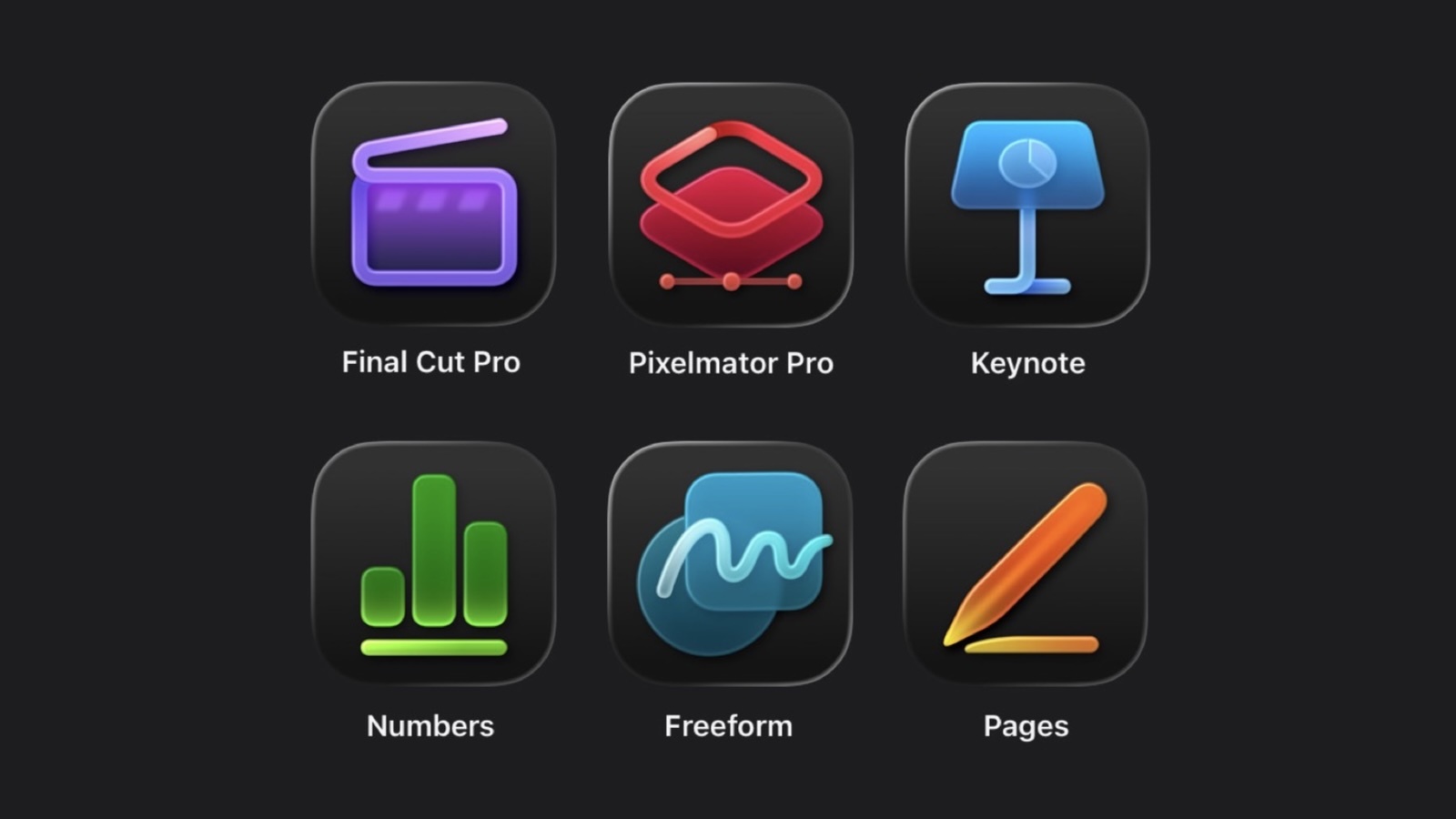
What is the Apple Creator Studio and What Does it Change?
Apple has made it clear that some "exciting new intelligent features and premium content" within several of its popular applications will now be exclusively available to Creator Studio subscribers. The apps directly affected by this new policy include Pixelmator Pro, Keynote, Numbers, Pages, and Freeform. This means that while these applications will still receive general updates, a subset of their most innovative and valuable additions will be locked behind the subscription paywall. This strategic move aligns Apple with a broader industry trend where software companies increasingly favor recurring revenue models over one-time purchases, promising continuous innovation and support in exchange for a monthly or annual fee.
For users in the U.S., the Creator Studio subscription is priced at $12.99 per month, or a discounted rate of $129 if you opt for the annual payment. Recognizing the unique financial considerations of students, Apple has also introduced a more affordable tier for college students, allowing them to subscribe for just $2.99 per month or $29 per year. This tiered pricing structure aims to make the new features accessible to a wider audience, from professional creatives and businesses to students honing their skills. However, it fundamentally redefines how users will access and utilize Apple's productivity and creative tools.
The Impact on One-Time Purchases: A Fork in the Road
Perhaps one of the most significant implications of the Creator Studio bundle is its effect on users who have traditionally purchased apps outright. Take Pixelmator Pro, for example. Many users invested in a one-time purchase of this powerful image editing software, expecting to receive all future updates and features. With the advent of Creator Studio, that expectation has changed. Apple confirms that a one-time purchase option for Pixelmator Pro will still be available going forward, which is a commendable commitment to existing purchasing preferences. However, the crucial caveat is that these one-time purchasers will "no longer have access to every new feature." While Apple promises the app will continue to receive updates, the most cutting-edge, "intelligent" features and premium content will be reserved for subscribers. This creates a two-tiered experience, where the full potential of the app is only unlocked through a recurring payment.
The scenario is remarkably similar for Final Cut Pro for Mac, Apple's professional video editing software. For years, Final Cut Pro has been a staple for filmmakers and content creators, known for its powerful features and a relatively generous one-time purchase model that included all subsequent updates. Now, the one-time-purchase version of Final Cut Pro for Mac will also miss out on "premium content." Apple's official Final Cut Pro page explicitly states:
A one-time purchase will still be available, but access to some of the premium content is available only to Apple Creator Studio subscribers. If you already own Final Cut Pro, it will continue to be updated.
This statement confirms the shift: core functionality and general updates will persist for all users, but the "premium content" – which could encompass anything from advanced templates, specialized effects, or high-quality stock media – becomes a subscriber exclusive. This raises concerns among long-time professional users who have built their workflows around the assumption of a comprehensive, continually updated, one-time purchase. They might now feel compelled to subscribe to maintain parity with the latest creative tools and assets.
Intelligent Features: Where Do They Land?
When it comes to specific "intelligent" features, Apple has provided some clarification, albeit with a slight degree of ambiguity regarding future developments. Apple told CineD that Final Cut Pro's new "intelligent" features such as Visual Search, Transcript Search, and Beat Detection will be included in both the Creator Studio and one-time-purchase versions of the Mac app. This is a welcome piece of news for existing Final Cut Pro users, ensuring that these significant AI-powered enhancements are broadly accessible. These features, designed to streamline editing workflows and boost efficiency, are foundational enough that Apple likely deemed them essential for all users, regardless of their subscription status.
However, the long-term outlook remains somewhat unclear. The wording suggests that while these initial intelligent features are universally available, it is "not entirely clear to us if Final Cut Pro for Mac will receive every additional 'intelligent' feature that follows in the future." This ambiguity leaves room for future intelligent features – perhaps more niche, experimental, or resource-intensive ones – to eventually become subscriber-exclusive. This cautious approach allows Apple flexibility in defining what constitutes "premium" intelligent functionality versus essential enhancements. For professionals relying on Final Cut Pro, this uncertainty could be a source of ongoing concern, as they weigh the benefits of a one-time purchase against the potential of missing out on crucial future innovations. Overall, both versions of Final Cut Pro for Mac will continue to receive updates, but the breadth and depth of those updates will diverge.
Exceptions to the Rule: Logic Pro and MainStage
Amidst these significant changes, there's a silver lining for users of Apple's professional audio software. Fortunately, Apple's website states that Logic Pro and MainStage will have all the same features whether they are subscription or one-time-purchase versions. This exemption is a notable point and provides reassurance to musicians, audio engineers, and live performers who rely heavily on these applications. Logic Pro, in particular, is a comprehensive digital audio workstation with a vast user base, and maintaining feature parity across all purchase models is a strong testament to Apple's commitment to this specific creative community.
The decision to exclude Logic Pro and MainStage from the Creator Studio exclusivity for new features might stem from several factors. The audio software market often operates with different dynamics compared to video or image editing, with a strong emphasis on stability, compatibility with hardware, and long-term project viability. Furthermore, the ecosystem of third-party plugins and instruments for Logic Pro is immense, and fragmenting the feature set could introduce unnecessary complexities for developers and users. Whatever the underlying reason, this decision offers a clear advantage to audio professionals within the Apple ecosystem, allowing them to continue their work without the pressure of a new subscription to access the latest tools.
The "Freemium" Model for Productivity Apps
The Creator Studio also ushers in a new era for Apple's popular productivity suite: Keynote, Numbers, Pages, and Freeform. These applications have long been a cornerstone of the Apple experience, offering robust functionality for presentations, spreadsheets, documents, and collaborative whiteboarding, all completely free. This generous approach has made them accessible to millions of users globally, from students to enterprise professionals. However, the Creator Studio fundamentally redefines their availability.
While Keynote, Numbers, Pages, and Freeform will indeed remain free to download and use, some new intelligent features and content will now require a Creator Studio subscription. This effectively transforms these apps into "freemium" offerings. A freemium model typically means that a basic version of the software is available at no cost, but premium features, advanced capabilities, or additional content require a paid subscription. For these Apple apps, users will still be able to create documents, spreadsheets, presentations, and Freeform boards, but they will miss out on the latest, most advanced tools designed to enhance creativity and productivity.
This move could have broad implications. For casual users, the core functionality of these apps may still be sufficient. However, for power users, students in demanding academic environments, or businesses relying on these tools for professional output, the lure of subscriber-exclusive features could be strong. The transition to a freemium model represents a strategic shift for Apple, aiming to monetize its widely used productivity software by offering enhanced value through the Creator Studio.
First Glimpse: What's New for Subscribers?
To illustrate the kind of exclusive content and features Creator Studio subscribers can expect, Apple has already highlighted a few initial offerings:
- Pixelmator Pro: Subscribers will gain access to a powerful new Warp tool. This feature allows users to twist, bend, and shape image layers with precision, opening up new creative possibilities for photo manipulation, graphic design, and artistic expression. For professionals working with detailed imagery, such a tool can be indispensable for achieving specific visual effects or correcting distortions.
- Keynote, Pages, and Numbers: A new Content Hub will be a central benefit for these productivity apps. This hub promises to provide subscribers with easy access to high-quality photos and graphics, streamlining the process of enhancing documents and presentations. Beyond this, new premium templates and themes will also be available, offering more sophisticated and visually appealing options for users to create polished and professional-looking materials. These additions aim to elevate the aesthetic quality and creative potential of everyday documents and presentations.
These initial features offer a clear indication of the value proposition for the Creator Studio. They are not just minor tweaks but significant enhancements that can genuinely impact creative workflows and the visual quality of outputs. The Warp tool in Pixelmator Pro, for instance, is a complex feature that requires significant development, and making it exclusive to subscribers positions it as a key differentiator. Similarly, a curated Content Hub and premium templates for the iWork suite add immediate practical value, saving users time and potentially the cost of sourcing similar assets elsewhere. This strategy allows Apple to showcase tangible benefits for subscribing, enticing users to opt into the recurring payment model to unlock these advanced capabilities.
The Broader Picture: Why This Shift?
In summary, existing users of Final Cut Pro and Pixelmator Pro never had to worry about paying extra to have every new feature or content pack, but that is no longer the case going forward. This fundamental change can be seen as a strategic move by Apple to bolster its services revenue, a segment of its business that has shown consistent growth and is becoming increasingly important to its overall financial health. While the Keynote, Numbers, Pages, and Freeform apps never cost money, some new features will now be locked behind a subscription, transforming them into freemium offerings. These changes will undoubtedly disappoint some Apple customers who have grown accustomed to a different model of software ownership and updates. The sentiment among long-time users, especially those who invested heavily in Apple's professional software, could range from frustration to feeling short-changed.
However, from Apple's perspective, this shift offers several advantages. A subscription model provides a more predictable and stable revenue stream, which can fuel continuous research and development, ensuring that these apps receive regular, meaningful updates and new features. It also allows Apple to invest in server-side "intelligent" features that might require ongoing infrastructure costs, which are harder to justify with a one-time purchase model. By integrating premium content and AI-powered tools into the Creator Studio, Apple can foster deeper engagement with its ecosystem, encouraging users to remain loyal and continuously benefit from its evolving software offerings. This move positions Apple to compete more effectively with other major software providers like Adobe (with Creative Cloud) and Microsoft (with Microsoft 365), both of which have successfully transitioned to subscription-based models for their flagship applications.
What Does This Mean for You?
For individual users, the introduction of the Apple Creator Studio necessitates a re-evaluation of their software needs and budgeting. If you are a casual user of Keynote or Pages, the free tier might continue to suffice for your needs, and you might never feel the necessity to subscribe. However, if you are a professional videographer relying on Final Cut Pro, a graphic designer using Pixelmator Pro daily, or a student who frequently needs to create polished presentations and documents, the pressure to subscribe might be considerable to keep your tools up-to-date and leverage the latest innovations.
The decision to subscribe will depend on the perceived value of the exclusive features versus the recurring cost. For some, the continuous access to premium content, advanced "intelligent" tools, and a steady stream of updates will justify the $12.99 monthly or $129 annual fee. For others, especially those who use these apps infrequently or whose workflows don't demand the very latest features, sticking with the one-time purchase version and accepting its limitations might be the more economical choice. It's a trade-off between comprehensive, cutting-edge functionality and cost-effectiveness.
Looking Ahead: The Future of Apple Software
The Apple Creator Studio is more than just a new bundle; it's a statement about the future direction of Apple's software strategy. This move suggests a stronger emphasis on services and recurring revenue across its entire software portfolio. It's plausible that over time, more "intelligent" features across various apps might become subscription-exclusive. We could also see the Creator Studio expanding to include other applications or offer different tiers with varying levels of access and included services. Apple is clearly positioning itself to capture a larger share of the creative and productivity software market by offering a compelling, continuously evolving service.
The reaction from the Apple community will undoubtedly be diverse. While some will embrace the new model for its promise of ongoing innovation, others will lament the shift away from perpetual licenses, feeling that they are being forced into a subscription they didn't ask for. Apple will need to carefully balance its revenue goals with user satisfaction to ensure that the Creator Studio enhances, rather than detracts from, the overall user experience. The success of this venture will largely depend on the quality and perceived value of the exclusive features and content it delivers, making a compelling case for users to continually invest in their creative and productivity tools.
Ultimately, the Apple Creator Studio represents a new chapter for some of the most beloved and powerful applications in the Apple ecosystem. Users now have a choice: maintain their existing one-time purchases and accept certain limitations, or embrace the subscription model to unlock the full, evolving potential of Apple's creative and productivity software. The landscape of software ownership and access is changing, and Apple is firmly planting its flag in the subscription-based future.
This article has been revised.
This article, "Some Apple Apps Will No Longer Receive Every New Feature Without a Subscription" first appeared on MacRumors.com
Discuss this article in our forums
from MacRumors
-via DynaSage

Post a Comment