OpenAI Launches ChatGPT Health With Apple Health Integration
Introducing ChatGPT Health: Your Intelligent Assistant for Wellness and Medical Understanding
In a groundbreaking move set to redefine how we interact with health information, OpenAI has officially unveiled ChatGPT Health. This innovative platform is a dedicated, separate section within the popular ChatGPT interface, specifically designed to handle all your health-related inquiries. Imagine having a personal, AI-powered assistant capable of helping you navigate the often complex world of health, completely distinct from your general AI conversations.
This development marks a significant step forward in making health information more accessible and personalized. ChatGPT Health isn't just another search engine; it's engineered to provide more tailored and relevant responses by integrating with your existing health and wellness data. This means a more comprehensive and context-aware understanding of your personal health landscape, empowering you with knowledge that’s truly relevant to you.
Connecting Your Health Journey: Personalized Insights at Your Fingertips
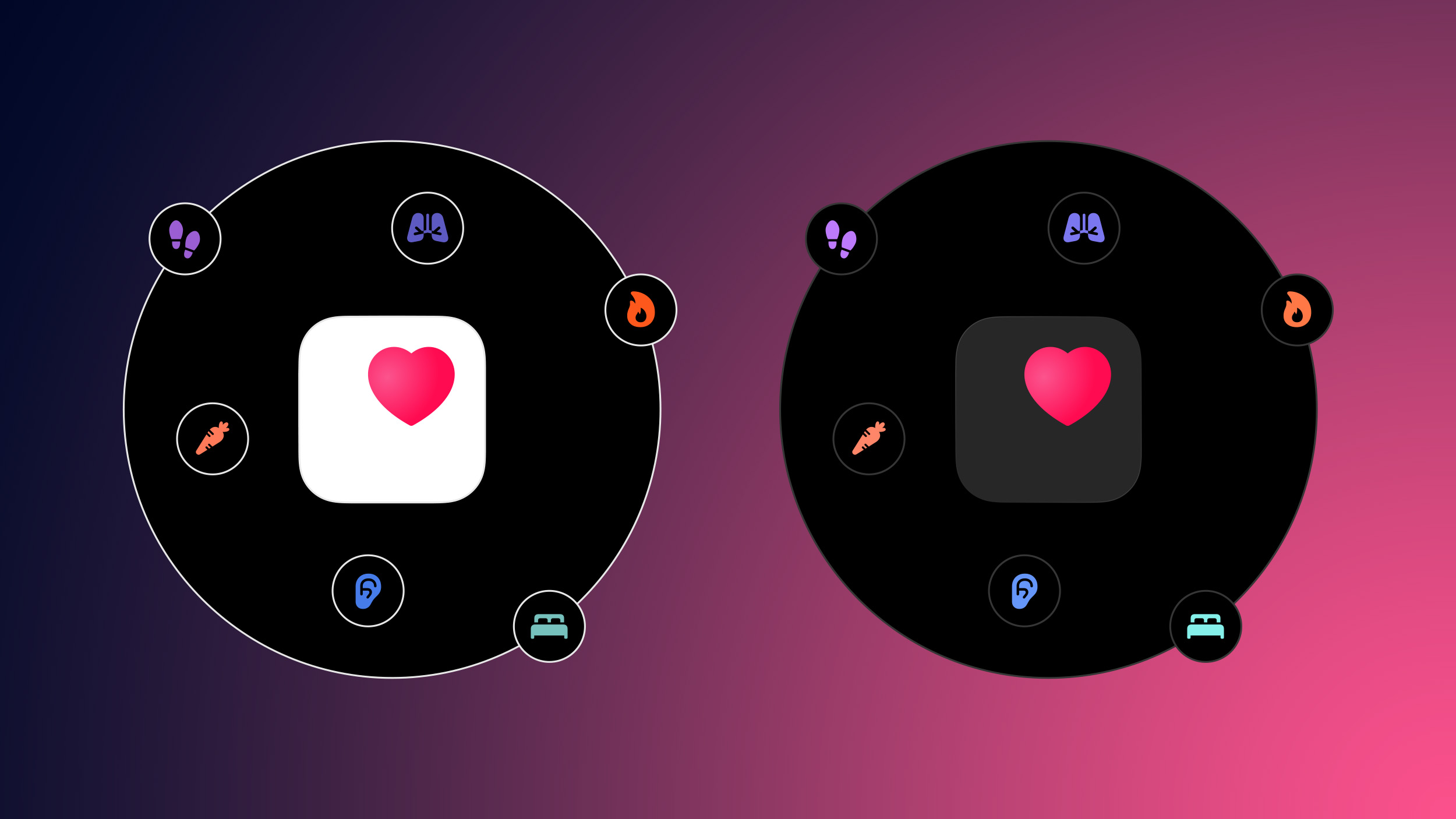
One of the most exciting features of ChatGPT Health is its ability to connect with a wide array of popular health and fitness services. This deep integration allows the AI to access and understand your personal health data, leading to responses that are far more specific and useful than generic advice. By bridging the gap between your various health applications and an intelligent AI, ChatGPT Health aims to provide a holistic view of your well-being.
For example, MacRumors had previously discovered icons related to Apple Health within the ChatGPT app, hinting at this integration. Today's official announcement confirms this, making the connection seamless and robust. Once you grant permission, ChatGPT Health can tap into your Apple Health data, gaining insights into crucial aspects of your daily life. This includes a detailed understanding of your:
- Movement Patterns: How active you are, your steps taken, distance walked, and general mobility. This can help the AI understand your baseline activity levels.
- Sleep Quality: Your sleep duration, patterns, and consistency. Good sleep is foundational to health, and this data helps the AI account for your recovery and rest.
- Activity Levels: Beyond just steps, this includes workouts, calorie burn, and overall physical exertion. This allows for more personalized fitness recommendations or recovery advice.
Beyond Apple Health: A Comprehensive Ecosystem of Wellness
The integration capabilities extend far beyond Apple Health, encompassing a diverse range of applications that cater to various aspects of wellness:
- Function: While "Function" can be a general term, if referring to a specific health app like a physical therapy tracker or a general wellness platform, ChatGPT Health can leverage data on your functional movements, recovery progress, or adherence to specific wellness routines. This can be invaluable for tracking rehabilitation or improving overall physical capabilities.
- MyFitnessPal: This popular nutrition and calorie tracking app provides detailed insights into your dietary habits. By connecting MyFitnessPal, ChatGPT Health can understand your typical food intake, calorie consumption, macronutrient breakdown, and even specific dietary restrictions or preferences. This enables the AI to offer tailored nutritional advice, meal planning suggestions, or help you understand how your diet impacts your energy levels or fitness goals.
- Weight Watchers: For those managing their weight, Weight Watchers offers a structured program. Integration means ChatGPT Health can see your progress within the program, your food choices (based on their point system), and adherence to their guidelines. This allows for more supportive and context-aware advice on weight management strategies, overcoming plateaus, or understanding the program better.
- AllTrails: For outdoor enthusiasts and hikers, AllTrails tracks your routes, distances, elevation gains, and activity duration in nature. Connecting this app allows ChatGPT Health to understand your outdoor activity levels, your preferred types of exercise, and how you engage with nature. This data can inform recommendations for maintaining an active lifestyle, preventing injury based on typical exertion, or even suggesting new trails relevant to your fitness level.
- Instacart: This grocery delivery service might seem unusual for health integration, but its potential is significant. By linking Instacart, ChatGPT Health could theoretically analyze your grocery shopping habits. Combined with dietary goals from MyFitnessPal or Weight Watchers, it could offer personalized healthy shopping lists, suggest healthier alternatives to frequently purchased items, or even help plan meals based on ingredients you've recently ordered or are likely to buy. This moves beyond advice to practical, actionable support in maintaining a healthy diet.
- Peloton: For at-home fitness enthusiasts, Peloton provides detailed data on your workouts, including ride/run stats, output, heart rate zones, and consistency. Integration with Peloton allows ChatGPT Health to understand your exercise intensity, cardiovascular health trends, and adherence to a structured workout regimen. This can lead to personalized recovery recommendations, insights into performance improvements, or advice on balancing your training load to prevent overtraining.
The ability to pull data from such a wide range of services transforms ChatGPT Health into a truly personalized wellness companion. It moves beyond generic health advice to offer insights grounded in your real-world behaviors and data.
Bridging the Gap: Understanding Your Medical Records with AI
Beyond lifestyle and fitness apps, ChatGPT Health also offers a powerful capability to integrate with your medical records. This feature marks a pivotal step in empowering individuals to better understand their own health data. Once connected, and with your explicit permission, ChatGPT Health can analyze your lab results, summaries of doctor visits, medication lists, and other aspects of your medical history. This deep dive into your clinical data allows the AI to provide more informed and relevant answers to your health-related questions.
Imagine receiving a complex lab report from your doctor. Instead of feeling overwhelmed by medical jargon and numbers, you could feed this information (or allow ChatGPT Health to access it directly) into the AI. ChatGPT Health could then:
- Demystify Lab Results: Explain what specific blood markers mean, why certain levels are high or low, and what their implications might be in easy-to-understand language. It could highlight which results are within normal range and which warrant further discussion with your doctor.
- Contextualize Medical History: Help you understand how a current symptom or diagnosis might relate to your past medical conditions or family history, drawing connections that might not be immediately obvious.
- Prepare for Appointments: Based on your medical records, the AI can help you formulate pertinent questions for your upcoming doctor's visit, ensuring you cover all your concerns and get the most out of your consultation. For example, if your cholesterol is high, it could suggest questions about dietary changes, medication options, or follow-up tests.
- Track Progress: If you're managing a chronic condition, ChatGPT Health could help you track trends in your lab results over time, such as blood sugar levels for diabetes or blood pressure readings for hypertension, helping you visualize your progress or identify potential issues.
- Understand Medications: Explain your prescribed medications, their purpose, potential side effects, and interactions, making it easier to adhere to your treatment plan and ask informed questions of your pharmacist or doctor.
OpenAI is very clear that while ChatGPT Health can offer these invaluable insights, it is **not intended to provide diagnoses or treatment**. It explicitly states that the platform is **not a substitute for consulting with medical professionals**. This distinction is crucial. ChatGPT Health is designed to be an intelligent assistant, a tool to help you comprehend information and better prepare for discussions with your healthcare providers, ultimately empowering you to be a more informed participant in your own healthcare journey.
Fortifying Trust: Privacy and Security as Cornerstones
When it comes to health records, privacy and security are not just features; they are absolute necessities. OpenAI recognizes this paramount concern and has built ChatGPT Health with multiple layers of protection to ensure your sensitive data remains safe and confidential. The company emphasizes that a significant amount of effort has gone into creating a secure environment for your personal health information.
Here’s how OpenAI is addressing these critical concerns:
- Multiple Layers of Encryption: Your health data isn't just stored; it's heavily protected. "Multiple layers of encryption" typically means that data is encrypted both when it's stored (at rest) and when it's being transmitted (in transit). This makes it extremely difficult for unauthorized parties to access or decipher your information, even if they were to somehow breach one layer of security. It's like having several locked doors protecting your most valuable possessions.
- Separate Operating Space: ChatGPT Health operates as an entirely separate space within the broader ChatGPT ecosystem. This isn't just a cosmetic distinction; it's a fundamental architectural decision. This separation ensures that the stringent privacy and security protocols specifically designed for health data are applied rigorously, isolating it from the general-purpose AI interactions. This enhanced privacy setting provides a dedicated, fortified environment for your medical inquiries.
- Data Isolation for Model Training: A major concern with AI models is how user data is utilized for training. OpenAI explicitly states that **data from ChatGPT Health is not used to train ChatGPT's foundation models by default**. This is a critical assurance. It means your personal health queries and connected data won't inadvertently contribute to shaping the general AI's knowledge base or be leveraged in ways you didn't intend for non-health-related interactions. Users retain control over whether their data could be used for further model improvement, maintaining a high standard of data sovereignty.
- Prompted Migration for Health Conversations: To further reinforce this separation and ensure users benefit from the enhanced privacy, OpenAI has implemented a clever feature. If users begin health-related conversations in the general ChatGPT interface, they will receive suggestions to move these discussions to the dedicated Health section. This gentle nudge serves two purposes:
- It educates users about the existence and benefits of the specialized Health section.
- It ensures that sensitive health discussions are conducted within the more secure and private environment designed specifically for them, preventing accidental sharing or processing under less stringent privacy settings.
These robust measures are designed to build and maintain user trust, acknowledging that the confidential nature of health information demands the highest standards of security and privacy. OpenAI is committed to ensuring that individuals feel confident and secure when entrusting their health inquiries and data to ChatGPT Health.
Availability and Eligibility: How to Access ChatGPT Health
OpenAI is rolling out ChatGPT Health with a phased approach, beginning with a dedicated waitlist for early access. This strategy allows them to gather feedback from a controlled group of beta users and refine the experience before a broader launch. If you're eager to be among the first to explore this new capability, joining the waitlist is your initial step.
Eligibility for the beta program currently extends to users on various ChatGPT plans, specifically those with:
- ChatGPT Free: The basic, no-cost tier, making health insights accessible to a wide audience.
- ChatGPT Go: An intermediate tier, likely offering enhanced features over the free version.
- ChatGPT Plus: The premium subscription, providing priority access and more advanced capabilities.
- ChatGPT Pro: Likely the highest tier, catering to professional users with extensive AI needs.
However, there are geographical limitations for the initial beta rollout. Users located outside of the European Economic Area (EEA), Switzerland, and the United Kingdom are currently eligible to start. This exclusion likely stems from the stringent data privacy regulations in these regions, such as the General Data Protection Regulation (GDPR) in the EEA and UK, which require careful consideration and compliance for handling sensitive health data. OpenAI is likely working on ensuring full compliance before expanding access to these areas.
Furthermore, it's important to note that specific advanced features, particularly medical record integrations and connections with some third-party apps, are initially only available in the United States. This concentrated rollout allows OpenAI to focus on legal and technical compliance within a single, complex regulatory environment before expanding these deeper integrations globally.
The good news is that access to ChatGPT Health is set to expand rapidly. In the coming weeks, OpenAI plans to make the platform available to all eligible users on both the web interface and iOS devices, bringing this powerful health tool to a much broader audience. Keep an eye on announcements from OpenAI for updates on broader availability.
The Power of a Health Assistant: Use Cases for ChatGPT Health
ChatGPT Health’s unique blend of conversational AI and personalized data integration opens up a vast array of practical use cases, positioning it as an invaluable intelligent assistant for managing your well-being. While it doesn't replace a doctor, it empowers you to be more proactive and informed about your health.
Understanding and Preparing for Medical Consultations
- Symptom Understanding: If you're experiencing new symptoms, ChatGPT Health can help you understand potential causes, what to look out for, and when it might be urgent to see a doctor. It can guide you on what information to gather before your appointment.
- Interpreting Lab Results: As mentioned, deciphering complex lab reports (e.g., blood tests, imaging reports) can be daunting. ChatGPT Health can break down the jargon, explain what your numbers mean, and help you understand their significance in the context of your medical history.
- Preparing Questions for Your Doctor: Based on your symptoms, recent diagnoses, or lab results, the AI can help you compile a list of focused questions for your doctor, ensuring you get the most out of your limited consultation time.
- Learning About Conditions and Treatments: If you've received a diagnosis, ChatGPT Health can provide easy-to-understand information about the condition, its typical progression, treatment options, and lifestyle adjustments, helping you process and comprehend the information effectively.
Personalized Wellness and Lifestyle Management
- Fitness Planning and Optimization: By integrating with apps like Apple Health, AllTrails, and Peloton, ChatGPT Health can analyze your activity levels, workout intensity, and sleep patterns. It can then offer personalized suggestions for workout routines, recovery strategies, or help you understand if you're overtraining or not getting enough rest.
- Nutritional Guidance and Meal Planning: Connecting to MyFitnessPal or Weight Watchers allows the AI to understand your dietary habits. It can then help you create meal plans aligned with your health goals, suggest healthier alternatives, or even generate grocery lists based on your preferences and what you've recently purchased via Instacart.
- Sleep Improvement: Analyzing your sleep data from Apple Health, ChatGPT Health can offer insights into your sleep quality and patterns. It can suggest habits, environmental changes, or techniques to improve your sleep hygiene.
- Weight Management Support: For those on a weight loss or gain journey, the AI can provide data-driven insights into your progress, suggest adjustments to diet or exercise, and help you understand factors contributing to your weight trends.
- Stress Management: While not directly tracking stress, by understanding your activity, sleep, and even potentially your mood logs (if integrated with future apps), ChatGPT Health could offer general advice on stress reduction techniques or suggest when to seek professional help for mental well-being.
Managing Chronic Conditions and Ongoing Care
- Medication Adherence Support: By understanding your medical records, the AI could help you remember medication schedules, explain why certain medications are prescribed together, or alert you to potential interactions (though always confirm with a pharmacist).
- Tracking and Understanding Trends: For chronic conditions like diabetes or hypertension, ChatGPT Health can help you monitor key metrics (e.g., blood sugar, blood pressure) over time, identify trends, and understand how lifestyle choices or medications impact these numbers.
- Post-Procedure Recovery: If you've undergone a medical procedure, the AI can provide general information about recovery timelines, recommended activities, and warning signs to look out for, helping you navigate your healing process.
In essence, ChatGPT Health acts as an always-available, intelligent resource that bridges the gap between raw health data and actionable insights, all within a privacy-centric environment. It puts more control and understanding directly into the hands of the individual.
Important Considerations: Limitations and Ethical Responsibility
While ChatGPT Health represents a significant leap forward in personal health management, it is crucial to approach it with a clear understanding of its limitations and the ethical responsibilities involved. OpenAI has been transparent about its role, and users must also exercise caution and critical thinking.
Key Limitations to Remember:
- Not a Diagnostic Tool: ChatGPT Health explicitly states it is not for diagnosis. AI, even advanced models, cannot replicate the nuanced judgment, physical examination, and clinical experience of a human doctor. Misinterpreting AI-generated information as a definitive diagnosis could lead to serious health consequences.
- No Treatment Provider: Similarly, the platform cannot prescribe treatments or therapies. All medical treatments must come from a licensed healthcare professional who has a full understanding of your unique medical history, current condition, and other factors.
- AI Hallucinations and Errors: Like all AI models, ChatGPT Health can occasionally "hallucinate" or provide incorrect information, especially if the data it's drawing from is ambiguous or if the prompt is unclear. Always cross-reference critical health information with reliable human sources.
- Lack of Empathy and Human Touch: Healthcare is inherently human, involving empathy, emotional support, and the ability to understand non-verbal cues. An AI cannot provide this crucial human element, which is often as important as medical expertise.
- Data Dependency: The quality of the AI's responses is heavily dependent on the quality and completeness of the data it receives. If connected apps have incomplete or inaccurate data, the AI's insights may be flawed.
- Privacy is Not Absolute: While OpenAI has implemented robust privacy measures, no digital system is entirely impenetrable. Users must remain vigilant and understand the inherent risks of sharing sensitive personal data with any online platform.
Ethical Considerations and User Responsibility:
- Critical Evaluation: Users should always critically evaluate the information provided by ChatGPT Health. It should serve as a starting point for discussion with a doctor, not the final word.
- Informed Consent: The integration with medical records and third-party apps requires explicit consent. Users must understand what data is being shared and for what purpose before granting access.
- Avoiding Self-Diagnosis/Treatment: The biggest ethical pitfall is using the AI to self-diagnose or self-treat based on information that isn't medically reviewed or tailored by a human professional. This could delay proper care or lead to harmful actions.
- Data Misuse Potential: Despite OpenAI's best efforts, the aggregation of health data, even in a secure environment, raises long-term questions about potential misuse, data breaches, or how data might be handled in unforeseen future scenarios (e.g., mergers, policy changes). Ongoing vigilance from both OpenAI and regulatory bodies is essential.
- Bias in AI: AI models can reflect biases present in their training data. While efforts are made to mitigate this, it's a constant challenge. Health advice could inadvertently be biased if not carefully managed.
ChatGPT Health is a powerful tool for empowerment, but it demands responsible usage. It's a bridge to understanding, not a replacement for the established pillars of healthcare. Its true value lies in augmenting human intelligence and care, not supplanting it.
The Future of AI in Healthcare: A Glimpse Forward
The launch of ChatGPT Health is more than just a new feature; it's a significant milestone that offers a compelling glimpse into the future of healthcare. As AI technology continues to evolve at an astonishing pace, its integration into personal health management promises to transform how we interact with our own well-being, paving the way for a more personalized, proactive, and accessible healthcare landscape.
This initiative from OpenAI signals a shift towards empowering individuals with more knowledge and control over their health data. Imagine a future where AI acts as a sophisticated health navigator, constantly learning from your unique biological and lifestyle data, anticipating potential health risks, and providing timely, evidence-based recommendations even before issues become critical. This proactive approach could move healthcare from a reactive model (treating illness) to a preventive one (maintaining wellness).
Future iterations of AI in healthcare might include:
- Predictive Analytics: Leveraging vast datasets, AI could predict an individual's likelihood of developing certain conditions based on genetic predispositions, lifestyle, and medical history, prompting earlier interventions.
- Personalized Drug Efficacy: AI could analyze your genetic makeup and medical history to predict how effective certain medications will be for you, leading to more tailored and efficient treatment plans.
- Virtual Health Coaches: Beyond answering questions, AI could evolve into highly sophisticated virtual health coaches, offering real-time feedback, motivation, and adjustments to health plans based on your progress and physiological responses.
- Seamless Integration with Wearables and IoMT: The Internet of Medical Things (IoMT) will expand, with AI seamlessly integrating data from an even wider array of smart devices – continuous glucose monitors, smart scales, advanced wearables – to provide an always-on, comprehensive health dashboard.
- Enhanced Doctor-Patient Collaboration: Instead of replacing doctors, AI could become an invaluable assistant for them, helping analyze patient data more efficiently, identifying patterns, and suggesting diagnostic possibilities, thereby freeing up doctors to focus more on direct patient care and complex decision-making.
- Accessibility for Underserved Populations: AI could democratize access to basic health information and guidance, particularly in regions with limited access to healthcare professionals, bridging critical gaps in global health equity.
However, this future also necessitates ongoing rigorous development in privacy, security, and ethical guidelines. The rapid advancement of AI in such a sensitive domain demands continuous dialogue between technologists, medical professionals, policymakers, and the public to ensure that these powerful tools are developed and deployed responsibly, always prioritizing patient safety and well-being. ChatGPT Health is just the beginning of a fascinating and potentially revolutionary journey, laying the groundwork for a future where intelligent AI plays a vital, supportive role in our health and longevity.
Conclusion: A New Era for Personal Health Empowerment
OpenAI's launch of ChatGPT Health marks a pivotal moment in the intersection of artificial intelligence and personal well-being. By creating a dedicated, privacy-enhanced space for health inquiries and enabling deep integration with popular fitness apps and personal medical records, ChatGPT Health empowers users with an unprecedented level of personalized insight into their own health journey.
From helping you understand complex lab results and preparing for doctor's appointments to offering tailored advice on fitness, nutrition, and sleep based on your actual data, this platform is designed to be a highly intelligent and accessible health assistant. While it rigorously maintains its position as a tool to augment, not replace, professional medical advice, its potential to foster greater health literacy and proactive self-care is immense.
With robust privacy and security measures at its core, and a phased rollout plan, OpenAI is carefully navigating the sensitive landscape of health data. As ChatGPT Health expands its reach, it promises to transform the way we engage with our health information, making us more informed, more prepared, and ultimately, more in control of our personal wellness. This is more than just a new feature; it's a testament to the evolving role of AI in empowering individuals in their daily lives, beginning a new era of personal health empowerment.
This article, "OpenAI Launches ChatGPT Health With Apple Health Integration" first appeared on MacRumors.com
Discuss this article in our forums
from MacRumors
-via DynaSage

Post a Comment