New Studio Display or Pro Display XDR Spotted in Regulatory Database
Breaking News: Unreleased Apple Monitor, Model A3350, Emerges in Regulatory Database
Excitement is building in the tech world following the discovery of an unreleased Apple monitor in a Chinese regulatory database. This new device, identified by the model number A3350, was spotted in a recent filing, as reported by MacRumors. While details remain scarce, this surfacing suggests that Apple is actively working on its next-generation display technology, potentially leading to an updated Studio Display or even a long-awaited refresh for the high-end Pro Display XDR.
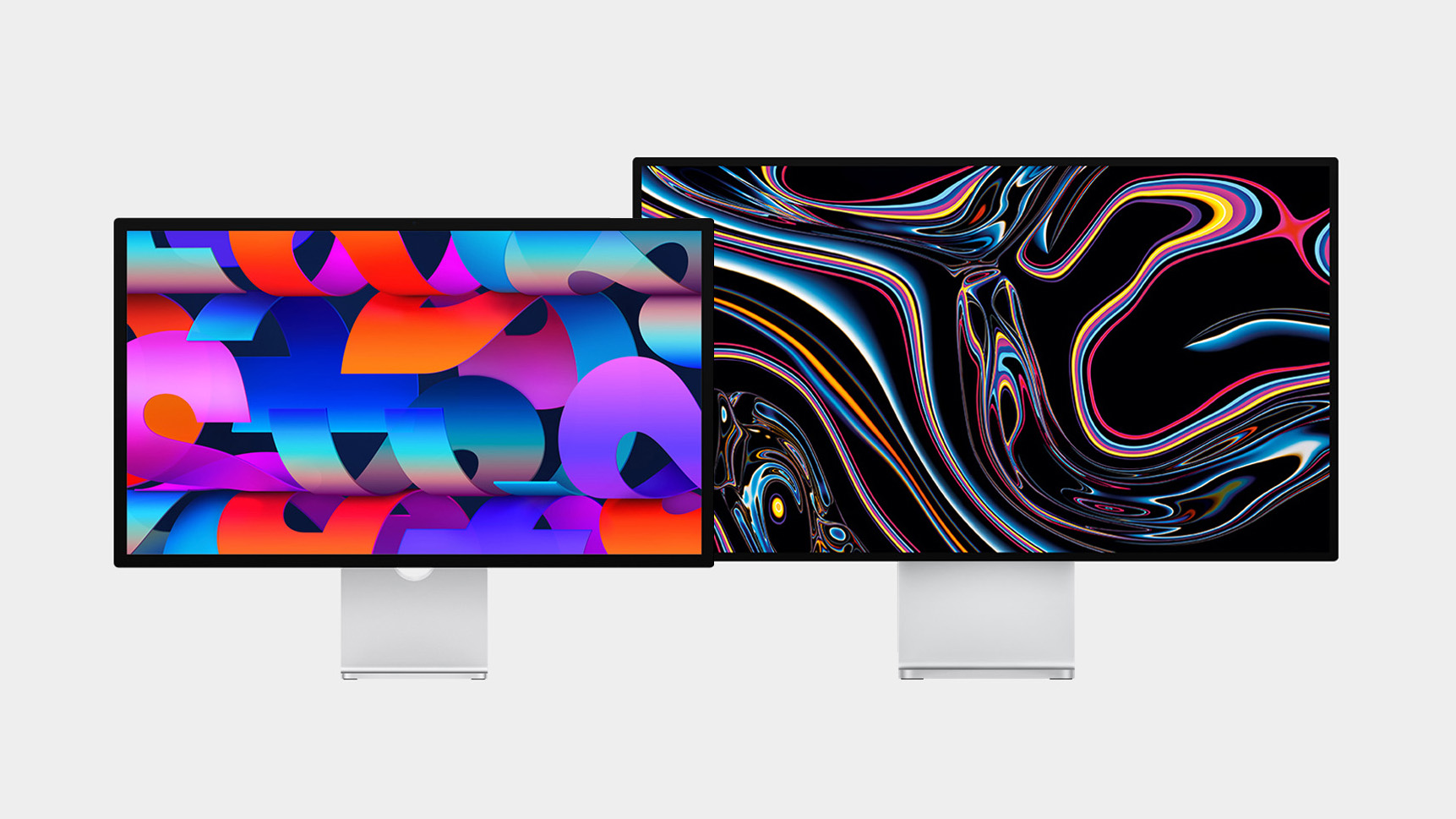
This news offers a tantalizing glimpse into Apple's future product roadmap for external displays, a category that has seen renewed focus from the company in recent years. For many professionals and everyday users alike, Apple's standalone monitors are crucial components of their desktop setups, and the prospect of new models always generates significant interest.
The Significance of a Regulatory Filing: What Model A3350 Tells Us
When a new electronic device appears in a regulatory database, it's a strong indicator that the product is nearing its official launch. These databases, like the one in China where the A3350 was found, are essential for ensuring that products meet various safety, environmental, and technical standards before they can be sold to the public. Apple, like all major electronics manufacturers, must submit detailed information about its upcoming devices to these authorities for approval.
The filing itself is usually quite technical and doesn't always provide flashy marketing details. However, even the limited information it contains can be incredibly insightful for industry watchers. In this case, the simple existence of the A3350 model number confirms that Apple is indeed developing new display hardware. While the filing doesn't explicitly name the product as a "Studio Display 2" or "Pro Display XDR 2," the fact that it's a monitor points directly to one of these two premium offerings, or perhaps even an entirely new category.
Historically, such filings often precede a product's release by a few months. For instance, the original Studio Display was filed in the same database approximately three months before its official unveiling in March 2022. This historical pattern gives us a valuable clue about a potential launch timeline, which we'll explore further below.
Decoding the Display Technology: High-Performance LCD and the OLED Question
One of the key pieces of information revealed in the regulatory listing for the A3350 is that the new model will feature a "high-performance LCD display." This detail is both informative and, in some ways, a bit of a tease. Let's break down what this means for Apple's upcoming monitor.
Understanding LCD vs. OLED:
- LCD (Liquid Crystal Display): These displays work by shining a backlight through a layer of liquid crystals that can be individually controlled to block or allow light to pass through, creating images. Different types of LCDs exist, with varying levels of performance, color accuracy, and black levels depending on their backlighting technology (e.g., edge-lit, full-array local dimming, mini-LED). Both the current Apple Studio Display and Pro Display XDR use LCD panels.
- OLED (Organic Light-Emitting Diode): In contrast, OLED displays don't require a separate backlight. Each pixel generates its own light. This allows for perfect blacks (when a pixel is off, it's truly black), incredible contrast ratios, and often wider viewing angles and faster response times. OLED is considered a premium display technology, especially for vibrant colors and deep blacks.
The explicit mention of a "high-performance LCD" for the A3350 is significant. On one hand, it confirms that Apple is sticking with LCD technology for this specific monitor, at least for now. This information, unfortunately, doesn't help distinguish between a new Studio Display or Pro Display XDR, as both current models utilize LCD panels. However, it does seem to rule out the possibility of this particular A3350 model being an OLED display. For users hoping for an Apple-branded OLED monitor, this filing suggests they might need to wait a little longer, or that OLED might be reserved for a different product line or future iteration.
While the A3350 may not be OLED, the "high-performance" descriptor is important. It implies that Apple isn't simply reusing older LCD tech but is actively investing in improving its liquid crystal displays. This could mean advancements in color accuracy, viewing angles, uniformity, and most notably, backlighting technology, such as mini-LED, which we'll discuss next.
The Apple Studio Display: A Highly Anticipated Refresh is on the Horizon
The Apple Studio Display has quickly become a beloved monitor for many Mac users since its debut in March 2022. Positioned as a premium companion to Macs like the Mac mini, Mac Studio, and MacBook Pro, it offers a compelling blend of features, design, and Apple ecosystem integration. However, in the fast-paced world of display technology, even excellent products eventually need an update. The emergence of the A3350 model number strongly suggests that the next generation of the Studio Display could be on its way.
Current Studio Display: A Baseline for Comparison
To appreciate what a new Studio Display might bring, it's helpful to recap the features of the current model:
- Screen Size: 27-inch
- Resolution: 5K (5120 x 2880 pixels), offering a stunningly sharp image.
- Refresh Rate: 60Hz, standard for many tasks but lacking the smoothness of higher refresh rates.
- Brightness: Up to 600 nits, which is good for most environments but not considered true HDR.
- Built-in Features: Includes a 12MP Ultra Wide camera with Center Stage, a high-fidelity six-speaker sound system with Spatial Audio, and a three-mic array.
- Processor: Powered by the A13 Bionic chip, the same chip found in the iPhone 11 series, which enables features like Center Stage and computational audio.
- Ports: One Thunderbolt 3 port for connecting to your Mac (with 96W power delivery) and three USB-C ports for peripherals.
- Starting Price (U.S.): $1,599 (before stand and nano-texture glass upgrades).
While an excellent display, the 60Hz refresh rate and lack of HDR support are areas where competitors have started to pull ahead, making an update for the Studio Display particularly exciting.
Whispers of What's Coming: The Next Studio Display's Rumored Features
Rumors surrounding a second-generation Studio Display have been circulating for some time, painting a picture of a truly upgraded experience. These rumors align perfectly with the "high-performance LCD" mentioned in the A3350 filing:
ProMotion Support for a 120Hz Refresh Rate
One of the most anticipated upgrades is ProMotion support for up to a 120Hz refresh rate. ProMotion, a technology already familiar to users of high-end iPhones (Pro models) and iPads (Pro models), dynamically adjusts the display's refresh rate to match the content being displayed. This provides incredibly fluid scrolling, smoother animations, and a more responsive feel when gaming or using graphics-intensive applications. For professionals working with video or animation, 120Hz offers a significant advantage in reviewing content with greater accuracy and less motion blur. The jump from 60Hz to 120Hz would be one of the most noticeable improvements for daily use.
HDR Support for Stunning Visuals
Another major rumored feature is HDR (High Dynamic Range) support. HDR allows a display to show a much wider range of brightness and color than standard dynamic range (SDR) content. This translates to brighter whites, deeper blacks, and more vibrant, true-to-life colors, bringing movies, games, and HDR-created content to life with breathtaking realism. For creative professionals in video editing, photography, and graphic design, accurate HDR representation is becoming increasingly critical. The current Studio Display's 600 nits brightness is not sufficient for true HDR; typically, HDR displays achieve much higher peak brightness levels, often exceeding 1000 nits.
Mini-LED Backlighting: The Key to Enhanced LCD Performance
The "high-performance LCD" description in the filing ties directly into the rumors of mini-LED backlighting. Mini-LED technology uses thousands of tiny LEDs (Light Emitting Diodes) for the display's backlight, arranged in numerous local dimming zones. Unlike traditional LCDs where the backlight is often uniform or has a limited number of dimming zones, mini-LED allows for incredibly precise control over brightness across different areas of the screen. This means:
- Higher Contrast: By dimming specific zones where black colors are displayed and brightening others for highlights, mini-LED dramatically improves the contrast ratio, making blacks appear much deeper and whites much brighter.
- Improved HDR Performance: The localized dimming is essential for achieving true HDR. It enables the display to hit the high peak brightness levels required for HDR content while simultaneously maintaining deep shadows.
- Reduced Blooming: While not perfect, mini-LED significantly reduces "blooming" (light bleeding into dark areas) compared to older full-array local dimming LCDs.
Crucially, a display with mini-LED backlighting is still fundamentally an LCD panel. Therefore, the regulatory filing's mention of a "high-performance LCD" does not contradict or rule out the possibility of mini-LED technology being integrated into the next Studio Display. In fact, it makes it highly probable, as mini-LED is currently the most advanced LCD backlighting technology Apple uses in products like the iPad Pro and high-end MacBook Pro models.
Next-Generation Silicon: The A19 or A19 Pro Chip
The current Studio Display uses the A13 Bionic chip, which enables features like Center Stage for the webcam and spatial audio. The next-generation Studio Display is rumored to be powered by either an A19 or A19 Pro chip. This significant leap in processing power (from A13 to A19) would bring numerous benefits:
- Enhanced Camera Performance: A more powerful chip could lead to even better image processing for the built-in webcam, potentially improving low-light performance, dynamic range, and further refinements to features like Center Stage.
- Advanced Audio Processing: Improved sound quality and potentially new audio features could be enabled by a more capable chip.
- New Smart Features: Apple often leverages its custom silicon to introduce new software-driven features. An A19 chip could open the door to unique display functionalities, deeper Siri integration, or improved power management.
- Driving ProMotion and HDR: A more robust chip is likely necessary to seamlessly handle the increased data throughput and computational demands of a 120Hz ProMotion display with advanced mini-LED backlighting and HDR processing.
The synergy between these rumored features—ProMotion, HDR, mini-LED, and a more powerful A-series chip—paints a picture of a truly transformative upgrade for the Studio Display, addressing key areas where the current model could be improved to meet modern expectations.
The Pro Display XDR: Apple's Professional Powerhouse Awaits its Turn
While the focus of many rumors has been on the Studio Display, the Pro Display XDR is also significantly overdue for an update. Launched back in December 2019, this high-end professional monitor redefined what a reference display could be for creative industries. However, nearly five years is a long time in tech, and advancements since its release warrant a refresh.
Current Pro Display XDR: Benchmarking Professional Displays
The existing Pro Display XDR remains an impressive piece of engineering, targeting the most demanding professionals:
- Screen Size: 32-inch
- Resolution: 6K (6016 x 3384 pixels), offering even more screen real estate and sharpness than the Studio Display.
- Brightness: 1000 nits sustained (full-screen) and 1600 nits peak brightness, making it a true HDR reference monitor.
- Contrast Ratio: 1,000,000:1, thanks to its sophisticated 2D mini-LED backlighting system with 576 local dimming zones.
- P3 Wide Color Gamut and 10-bit Depth: Essential for color-critical work.
- Pricing (U.S.): Starts at $4,999 (excluding the $999 Pro Stand or $199 VESA Mount Adapter).
The Pro Display XDR was revolutionary for its time, bringing reference monitor capabilities to a more accessible price point compared to traditional industry displays. However, with the rapid evolution of display technology, particularly mini-LED and soon micro-LED, an update would be well-received by its target audience.
What a New Pro Display XDR Could Bring
If the A3350 filing is indeed for a new Pro Display XDR, we could expect even more significant enhancements beyond those rumored for the Studio Display:
- Even Higher Resolution: While 6K is excellent, an 8K option or an even denser 6K panel could be possible, especially as higher-resolution content creation becomes more common.
- Enhanced Mini-LED Technology: The current Pro Display XDR already uses a sophisticated mini-LED system. A new model could incorporate an even higher number of local dimming zones, leading to even greater contrast, reduced blooming, and more precise HDR presentation.
- Higher Peak Brightness: Pushing beyond 1600 nits peak brightness would further solidify its position as a leading HDR reference monitor.
- Faster Refresh Rates: While not as critical for all professional workflows as resolution and color accuracy, ProMotion (120Hz) would still be a welcome addition for responsiveness.
- Improved Connectivity: Potentially more Thunderbolt ports or even newer standards to handle increased bandwidth for high-resolution, high-refresh-rate content.
- Integrated Silicon: A dedicated, even more powerful Apple Silicon chip (beyond an A-series, perhaps something closer to an M-series variant) could handle complex display processing tasks, calibration, and potentially on-board computational features relevant to professional workflows.
The distinction between the Studio Display and Pro Display XDR remains crucial. The Studio Display targets the broader creative professional and prosumer market, while the Pro Display XDR is for the absolute top-tier professionals where uncompromising accuracy and performance are paramount, often in environments like color grading suites, VFX studios, and scientific visualization.
Potential Release Window: Reading the Regulatory Tea Leaves
The timing of this regulatory filing offers valuable clues about when we might see Apple officially unveil its new monitor. As mentioned earlier, the current Studio Display was listed in the same database approximately three months before its launch in March 2022.
If history repeats itself and the A3350 filing is indeed for the next Studio Display, we could realistically expect a release around March or April of this year. Apple often uses spring events to introduce new Mac hardware and accompanying accessories. This timing would also make strategic sense for Apple to unveil a new Studio Display alongside potential updates to its Mac Studio line, which is widely rumored to be getting M5 chips in the near future. Introducing a powerful new monitor alongside new desktop Macs creates a compelling ecosystem upgrade for creative professionals.
While there's less information about a new Pro Display XDR, given its December 2019 release, an update is certainly due. If the A3350 refers to the Pro Display XDR, a similar spring announcement could also be on the cards, or Apple might choose to space out its display launches.
Regardless of which display the A3350 represents, the appearance in a regulatory database typically signals that the product is in the final stages of development and certification, moving closer to mass production and a public announcement. This means the wait might not be much longer for eager Apple users.
The Bigger Picture: Apple's Vision for External Displays
Apple has a rich, albeit sometimes inconsistent, history with standalone monitors. From the groundbreaking Cinema Displays of the past to the short-lived Thunderbolt Display, the company has always aimed to create displays that perfectly complement its Macs.
The re-entry into the standalone display market with the Pro Display XDR in 2019 and the Studio Display in 2022 marked a significant shift. For years, Mac users had relied on third-party monitors, as Apple had exited the market after discontinuing the Thunderbolt Display. The current lineup reaffirmed Apple's commitment to providing a fully integrated, high-quality display experience designed to work seamlessly with its powerful M-series Macs.
These rumored updates, particularly for the Studio Display, solidify Apple's strategy: to offer displays that are not just screens but intelligent extensions of the Mac experience, powered by custom silicon (the A-series chips) and deeply integrated with macOS. The emphasis on "high-performance LCD" and potential mini-LED technology aligns with Apple's pursuit of color accuracy, brightness, and overall visual fidelity, which are hallmarks of its product philosophy.
For users, these new displays aren't just about looking pretty; they're about enhancing productivity, enabling more precise creative work, and providing a more immersive entertainment experience. They represent Apple's continued effort to offer a complete, premium desktop ecosystem.
What Users Hope to See: A Wishlist for Apple's Next Monitor
Beyond the confirmed and rumored features, the announcement of a new Apple monitor always sparks a flurry of wishlist items from the user community. While Apple can't incorporate everything, some common desires include:
- Included Height-Adjustable Stand: The current Studio Display's standard tilt-only stand, with the height-adjustable option costing an extra $400, has been a point of contention. Users hope for a more versatile stand to be included as standard.
- Even Better Webcam: While the A13 chip significantly improved the Studio Display's webcam, users always appreciate incremental improvements, especially in low-light performance and dynamic range. The A19 chip should certainly help here.
- Daisy-Chaining Capabilities: For users with multiple displays, the ability to daisy-chain monitors (connecting one monitor to another, and then to the Mac) can simplify cable management and port usage.
- Larger Studio Display Option: A 30-inch or 32-inch Studio Display option, bridging the gap between the 27-inch Studio Display and the 32-inch Pro Display XDR, could appeal to a segment of users.
- More USB-C/Thunderbolt Ports: While the current selection is decent, more ports or higher power delivery through existing ports are always welcome for connecting a wide array of peripherals.
- Pro Display XDR "Lite" or Studio Display "Pro": A model that sits between the existing Studio Display and Pro Display XDR in terms of price and features, perhaps offering more advanced HDR than the Studio Display but without the Pro Display XDR's extreme specifications and price tag.
These requests highlight the diverse needs of Apple's user base, ranging from practical ergonomic improvements to advanced technical capabilities.
Conclusion: A Glimpse into Apple's Display Future
The discovery of the Apple monitor with model number A3350 in a regulatory database is more than just a technical tidbit; it's a strong signal that significant advancements are coming to Apple's display lineup. While we eagerly await official confirmation, the evidence points towards a highly anticipated refresh for either the Apple Studio Display or the Pro Display XDR, or perhaps even both.
With rumors suggesting features like ProMotion 120Hz, HDR support, mini-LED backlighting, and the powerful A19 or A19 Pro chip, the next generation of Apple displays promises to deliver a truly superior visual experience. These upgrades would not only bring Apple's standalone monitors in line with the cutting-edge technology found in its other premium products but also solidify their position as essential tools for professionals and enthusiasts alike.
The potential release in March or April, possibly alongside new Mac Studio models, makes this an exciting time for anyone invested in the Apple ecosystem. We will continue to monitor for further details and look forward to Apple's official announcement, which will undoubtedly clarify the future of its stunning displays.
Thanks, Aaron!This article, "New Studio Display or Pro Display XDR Spotted in Regulatory Database" first appeared on MacRumors.com
Discuss this article in our forums
from MacRumors
-via DynaSage

Post a Comment