MacBook Pro Buyers Now Facing Up to a Two-Month Wait Ahead of New Models
MacBook Pro Buyers Face Longer Waits: What This Means for New Models
If you've been looking to purchase a new MacBook Pro directly from Apple's online store in the United States, you might have noticed something important: the availability of these powerful laptops is becoming quite limited. Many configurations are now showing significantly extended delivery times, with some models potentially taking up to two months to arrive at your door.
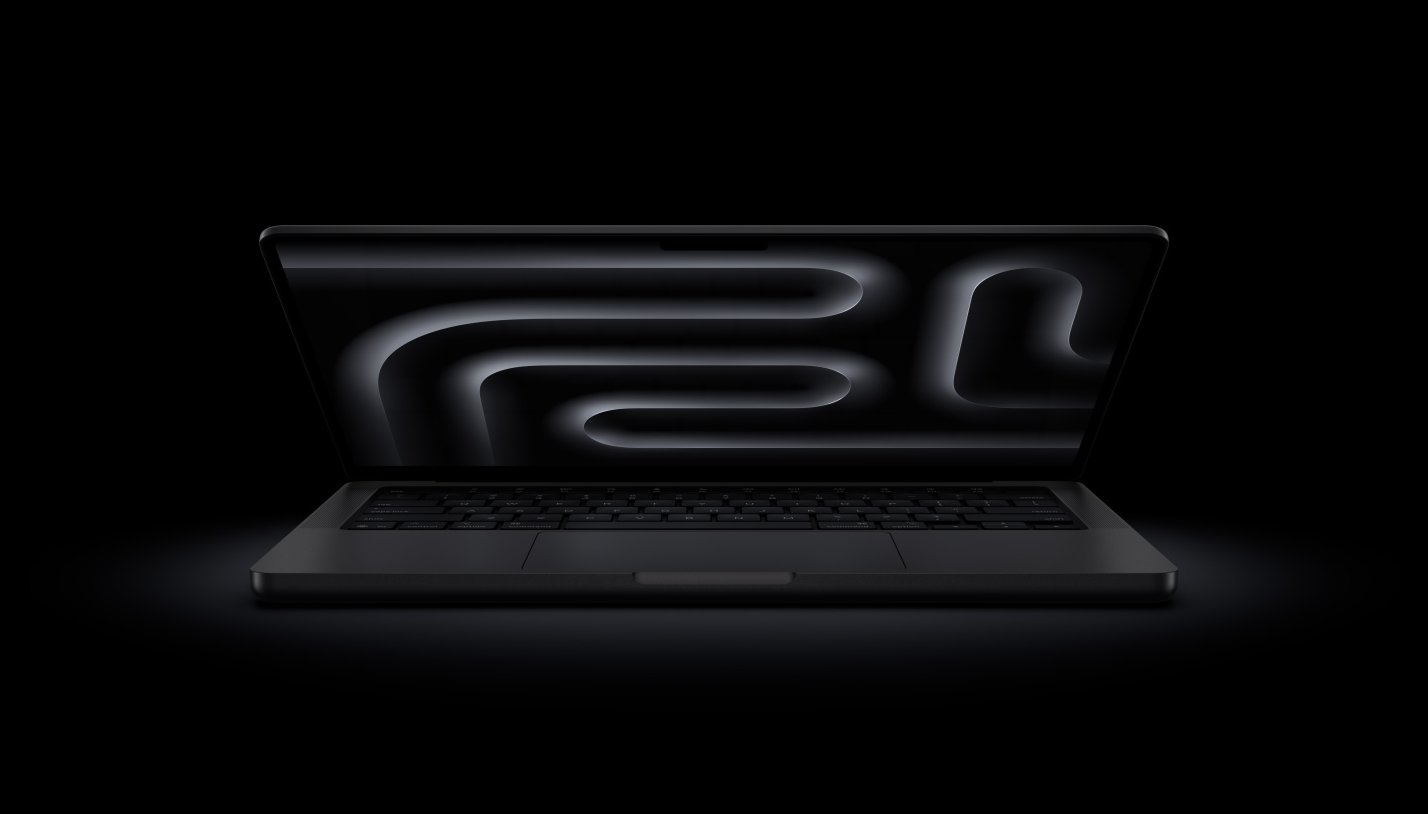
The Current State of MacBook Pro Shipping Delays
The delays are not uniform across all MacBook Pro models. While some 14-inch and 16-inch MacBook Pro configurations equipped with the M4 Pro chip are still available for relatively quick delivery, the situation changes dramatically for those opting for the more powerful M4 Max chip. For many of these M4 Max configurations, estimated delivery dates are now stretching from early February (around February 6) to late February (February 24), and even beyond.
The longest waits are reserved for the highly customized, high-end configurations. For example, if you're looking for a 14-inch MacBook Pro with the powerful 16-core M4 Max chip and a generous 128GB of RAM – a setup typically favored by professional video editors, 3D artists, and software developers – Apple's online store is currently estimating delivery as late as March 17. This kind of extensive delay suggests either exceptionally high demand, significant supply chain constraints, or perhaps even a strategic move by Apple ahead of a new product launch.
Understanding these delays is crucial for anyone planning a MacBook Pro purchase. Whether you're upgrading an older machine or buying your first professional-grade Apple laptop, these extended lead times require careful consideration and planning. It's no longer a matter of ordering today and receiving it next week; for many, it's a patient waiting game.

Why Are MacBook Pro Deliveries Taking So Long? Unpacking the Possibilities
When delays like these emerge, especially for a high-demand product like the MacBook Pro, several factors could be at play. It's rarely one single cause but often a combination of market dynamics, supply chain complexities, and Apple's own product roadmap strategy.
Hinting at an Imminent Refresh?
One of the most exciting theories circulating is that these extended delivery times might be a strong indicator of an upcoming refresh of the MacBook Pro lineup. Apple often manages its inventory ahead of new product announcements, and a significant slowdown in shipping for current models can sometimes mean that new versions are just around the corner.
We've already seen the entry-level 14-inch MacBook Pro updated with an M5 chip back in October. However, the more powerful MacBook Pro models, which feature the M4 Pro and M4 Max chips, have not yet received their M5 generation upgrade. There have been previous indications suggesting Apple might announce these next-generation models as early as this week. The current, extended delivery timeframes for the M4 Pro/Max models could further strengthen these rumors, suggesting that Apple is preparing to clear stock or make way for new inventory featuring the M5 Pro and M5 Max chips.
Historically, Apple has released new MacBook Pro models in January. For instance, the MacBook Pro models featuring the M2 Pro and M2 Max chips were unveiled in January 2023. This precedent makes a January or early February refresh for the M5 Pro/Max MacBook Pros a plausible scenario. Such an announcement would align perfectly with the current shipping delays, as Apple would typically want to sell through existing stock before introducing newer, more advanced hardware.
The Impact of Supply Chain Constraints
Another significant factor that could be contributing to the shipping delays is ongoing challenges within the global supply chain. Specifically, ongoing RAM supply constraints have been cited as a potential issue. RAM (Random Access Memory) is a critical component for computer performance, especially in high-end machines like the MacBook Pro that can be configured with up to 128GB of unified memory. Shortages or increased pricing for DRAM (Dynamic Random-Access Memory) can directly impact manufacturing schedules and drive up delivery times.
Beyond RAM, the complexity of manufacturing Apple's custom M-series chips means that any bottleneck in the semiconductor industry can have a ripple effect. Producing these highly advanced System on a Chip (SoC) designs requires cutting-edge fabrication processes, and global chip production capacity is always under pressure. Even minor disruptions, whether due to increased demand, geopolitical issues, or logistical challenges, can lead to extended waits for consumers.
Furthermore, the "built-to-order" nature of many high-end MacBook Pro configurations adds another layer of complexity. When a customer customizes their MacBook Pro with specific RAM amounts, storage capacities, or M-series chip variants, Apple doesn't typically have these exact configurations pre-built in massive quantities. Instead, they are assembled based on customer orders, which can inherently lead to longer lead times compared to standard, off-the-shelf models. If any of the specific components for these custom builds are in short supply, the entire order can be delayed.
High Demand for Powerful Machines
It's also possible that the delays are simply a result of exceptionally high demand. The MacBook Pro, particularly models with the M4 Max chip, is a powerhouse designed for professionals who require top-tier performance for tasks like video editing, 3D rendering, music production, and complex software development. As more professionals and creative users embrace Apple Silicon for its remarkable efficiency and power, demand for these specialized configurations could be outstripping Apple's immediate supply capacity, even without major supply chain disruptions.
Understanding the MacBook Pro Lineup: M4 vs. M5 and What's Next
For those considering a MacBook Pro, it’s helpful to understand the current and anticipated chip generations. The M4 Pro and M4 Max chips currently power the higher-end MacBook Pros, offering significant performance gains over previous generations, especially for demanding professional workflows.
- M4 Pro: Designed for serious professionals, offering excellent CPU and GPU performance, ideal for tasks like complex software development, graphic design, and moderate video editing.
- M4 Max: The ultimate chip for the most demanding users, featuring even more CPU and GPU cores, higher memory bandwidth, and support for massive amounts of unified memory (up to 128GB). This chip is tailored for heavy-duty video editing (especially 4K/8K footage), 3D rendering, scientific simulations, and machine learning development.
The M5 chip, which debuted in the entry-level 14-inch MacBook Pro, has already shown impressive efficiency and performance improvements over its M4 predecessor. This sets a high bar for what we can expect from the M5 Pro and M5 Max chips.
What to Expect from Potential M5 Pro and M5 Max Models:
If new MacBook Pro models are indeed on the horizon, we can anticipate several key enhancements:
- Increased Performance: The M5 Pro and M5 Max chips are expected to deliver further improvements in both CPU (central processing unit) and GPU (graphics processing unit) performance, allowing for faster processing of complex tasks and smoother graphics rendering.
- Enhanced Efficiency: Apple Silicon is renowned for its power efficiency. The M5 generation will likely continue this trend, potentially offering even longer battery life while maintaining or improving performance, which is a significant advantage for mobile professionals.
- Advanced Neural Engine: With the growing importance of Artificial Intelligence (AI) and Machine Learning (ML), the neural engine within the M5 chips is expected to see significant upgrades. This will accelerate AI-driven tasks such as image and video processing, voice recognition, and creative filters, making the MacBook Pro even more capable for AI-centric workflows.
- Potential for New Features: While major design overhauls are less common with iterative chip updates, there could be subtle improvements to other areas like display technology, port selection, or Wi-Fi standards. However, the core focus will likely remain on internal performance upgrades.
Navigating the Wait: Should You Buy Now or Wait?
This is the central dilemma for many potential MacBook Pro buyers right now. The decision largely depends on your immediate needs, budget, and tolerance for waiting.
Consider Buying Now If:
- You Need a Powerful Machine Urgently: If your current computer is failing, or you have critical projects that require the capabilities of a MacBook Pro right away, waiting for potentially two months or more for a customized M4 Max model might not be feasible.
- Your Budget is Strict: While new models bring performance improvements, they often come at a premium price. If you find an M4 Pro/Max model that meets your needs and is within your budget, and you're comfortable with the current delivery estimates, buying now might be sensible.
- You Don't Need the Absolute Latest: The M4 Pro and M4 Max chips are still incredibly powerful and will remain so for many years. If you don't always need the absolute bleeding edge of technology, the current generation offers fantastic value.
- Specific M4 Pro Configurations Are Still Available: If an M4 Pro configuration meets your needs and shows a shorter delivery window, it might be a good option to consider to avoid the longer waits for M4 Max models.
Consider Waiting If:
- You Want the Best Performance and Future-Proofing: If you're investing in a MacBook Pro that you plan to keep for many years, waiting for the M5 Pro/Max models would ensure you get the latest technology, potentially offering a longer useful lifespan and better performance for future software demands.
- Your Current Machine Can Hold Out: If your existing computer is still functional, even if a bit slow, and you can manage for another few weeks or months, waiting could pay off with a more advanced machine.
- You're Hoping for Deals on Current Models: While not guaranteed, the introduction of new models sometimes leads to price adjustments or special offers on the outgoing generation as retailers and Apple aim to clear inventory.
- You're Optimistic About New Features: If the rumored improvements like enhanced AI capabilities or even more significant battery life are appealing to your workflow, waiting for the M5 generation is a logical choice.
Regardless of your decision, regularly checking Apple's online store for updated delivery estimates is wise. Sometimes availability can shift, and you might find a configuration with a shorter wait time. Also, remember to check authorized Apple resellers, as their stock levels and shipping times might differ, though they are often affected by the same supply chain issues.
Upcoming Apple Events and Their Significance
Apple has a couple of key events coming up that might shed more light on product availability and future plans:
- Creator Studio Bundle Launch: Apple's Creator Studio bundle of creative applications is set to launch on Wednesday, January 28. This new offering caters directly to the professional and creative users who are the primary market for the MacBook Pro. It wouldn't be surprising if Apple used this opportunity, or closely timed it, with an announcement that enhances the Mac platform for these users, such as new MacBook Pro models.
- Quarterly Earnings Call: The company will also be holding its next quarterly earnings call on Thursday, January 29. During these calls, Apple executives often provide insights into product demand, supply chain performance, and general market outlook. While they rarely pre-announce products, any comments on Mac sales, production capabilities, or future investment plans could offer clues about the MacBook Pro's situation.
These events, combined with the current shipping delays, paint a picture of an exciting and potentially transformative period for Apple's professional laptop lineup. Whether the delays are purely due to demand and supply constraints or are a precursor to a major refresh, one thing is clear: the market for high-performance Apple laptops is dynamic and ever-evolving.
Conclusion: A Waiting Game with High Stakes
The tightening availability and extended shipping times for the MacBook Pro, particularly for high-end configurations with the M4 Max chip, are undeniable. Buyers in the United States are currently facing waits that could stretch up to two months, pushing delivery dates well into February or even March.
This situation presents a compelling scenario for potential buyers. On one hand, it could be a simple reflection of overwhelming demand for Apple's industry-leading M4 Max chips and the persistent challenges within global supply chains, specifically concerning RAM components. On the other hand, the historical precedent of January MacBook Pro refreshes, coupled with the introduction of the M5 chip in entry-level models and the timing of upcoming Apple events, strongly hints at the possibility of new M5 Pro and M5 Max MacBook Pro models being just around the corner.
For those who rely on the raw power of a MacBook Pro for their professional work, the decision to buy now or wait is a strategic one. If urgency dictates, exploring M4 Pro configurations or readily available M4 Max models (with potentially longer waits) is an option. However, if your current setup can tide you over, patient anticipation for the M5 Pro and M5 Max models could reward you with even more advanced performance, efficiency, and future-proofing. Keep a close eye on Apple's announcements and delivery estimates, as the landscape for MacBook Pro buyers may change very soon.
This article, "MacBook Pro Buyers Now Facing Up to a Two-Month Wait Ahead of New Models" first appeared on MacRumors.com
Discuss this article in our forums
from MacRumors
-via DynaSage

Post a Comment