John Ternus Again Profiled as Apple's Likely Next CEO
Apple's Next Chapter: Unpacking John Ternus as the Likely Successor to Tim Cook
The tech world, and particularly those who follow Apple closely, have been buzzing with questions about the company's future leadership. With Tim Cook, Apple's long-serving CEO, recently marking his 65th birthday, and several other high-profile executives having either moved on or planning their departure, the spotlight on who will eventually step into Cook's monumental shoes has intensified. This isn't just about a change at the top; it's about setting the direction for one of the world's most influential companies for years to come.
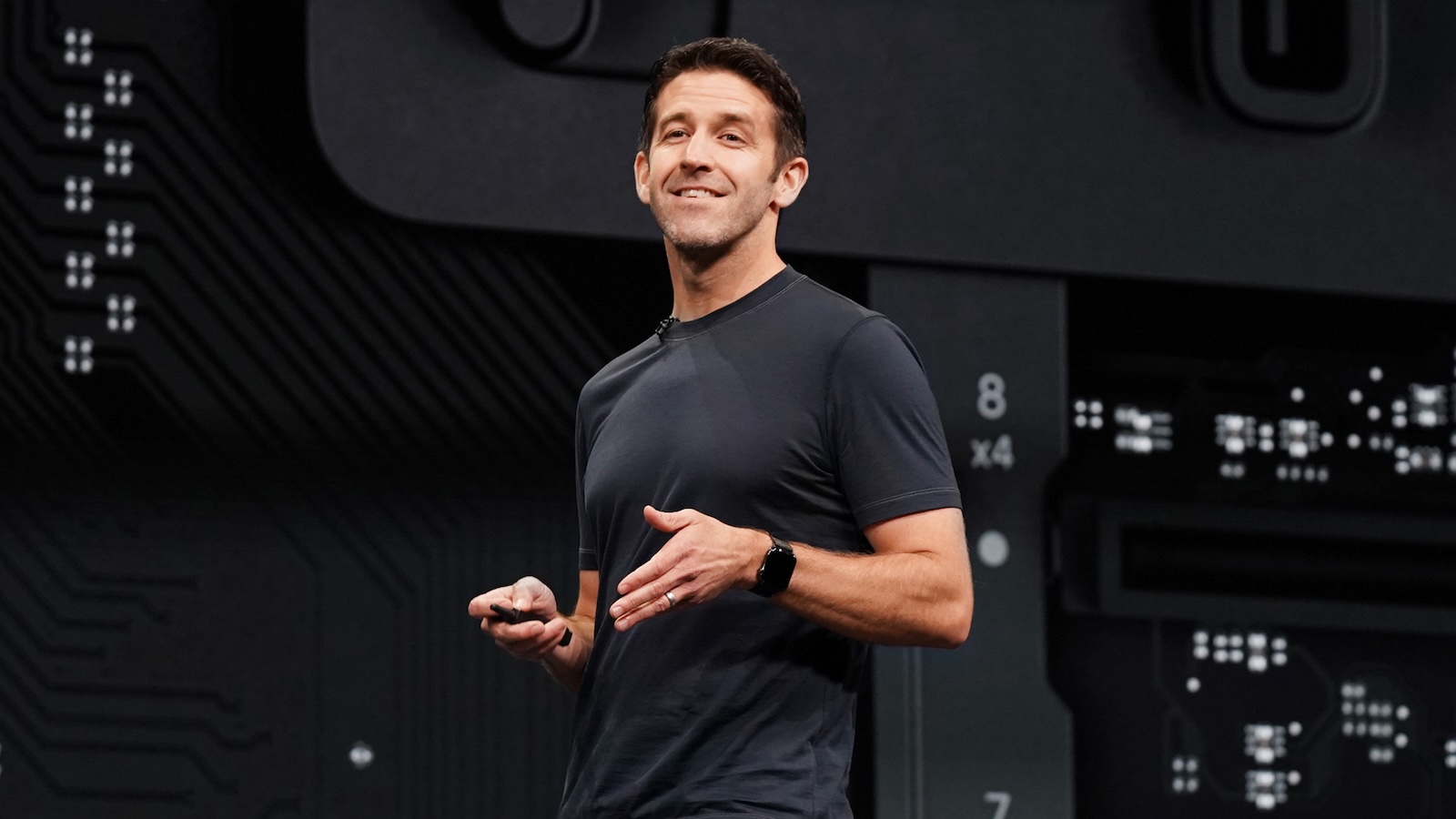
John Ternus Emerges as the Frontrunner
Several recent reports have cast a significant focus on John Ternus, Apple's Senior Vice President of Hardware Engineering. He has increasingly been identified as the most probable candidate to take over as Apple's next CEO. This speculation gained further traction with The New York Times sharing a detailed profile of Ternus, offering invaluable insights into his professional background, his technical prowess, and how he is perceived within the hallowed halls of Apple Park. Such a high-profile endorsement from a respected publication only solidifies his position at the forefront of the succession race.
Accelerated Succession Planning
The urgency around leadership planning at Apple isn't a sudden development. According to sources who communicated with The New York Times, Apple reportedly began to accelerate its plans for Tim Cook's succession last year. This intensification came as Cook himself expressed a desire to potentially reduce his extensive workload, signaling a natural progression towards a future where he might transition from the day-to-day operational demands of the CEO role. This strategic foresight is crucial for a company of Apple's scale, ensuring a smooth and deliberate transition that minimizes disruption and maintains investor confidence.
Evaluating the Candidates: Why Ternus Stands Out
While Apple boasts a formidable executive team, capable leaders who could theoretically step into the CEO position, John Ternus appears to have gained significant momentum. Other notable figures who have been, at various times, considered potential candidates include software chief Craig Federighi, known for his charismatic presentations and command of Apple's software ecosystem; services chief Eddy Cue, who oversees Apple's rapidly growing and highly profitable services division; marketing head Greg Joswiak, the energetic public face of Apple's product launches; and retail and HR chief Deirdre O'Brien, a veteran who understands the company's global operations and people. However, in this competitive internal landscape, Ternus "appears to have shot to the front of the pack." This doesn't necessarily mean these other executives are out of the picture entirely, as leadership roles often evolve, but for the top CEO spot, Ternus seems to have garnered the most internal and external support. It's also widely expected that if Ternus does become CEO, Tim Cook will likely transition to remaining as the chairman of the company's board of directors, providing continued guidance and institutional memory from a strategic oversight position.
The Engineer at Heart: Ternus's Expertise and Nuances
At his core, Ternus is recognized for his profound expertise as an engineer. His career at Apple has seen him contribute significantly to the development and refinement of a multitude of Apple's iconic devices. His hands-on involvement with the hardware that defines Apple's user experience is undeniable. This deep technical understanding is a cornerstone of his value within the company, making him an ideal candidate to lead a firm built on groundbreaking products. However, the New York Times profile also introduced a nuanced perspective on his role, noting that he is "known more for maintaining products than developing new ones." This distinction sparks an important debate about the type of leadership Apple needs moving forward.
The "maintaining products" descriptor isn't necessarily a criticism but rather a characterization of his operational strength. In an organization as vast and complex as Apple, ensuring the quality, efficiency, and continuous improvement of existing product lines—like the iPhone, iPad, and Mac—is a monumental task that requires immense engineering rigor and leadership. This often involves intricate supply chain management, optimizing manufacturing processes, and integrating new technologies seamlessly into established platforms. These are critical functions that directly impact Apple's profitability and customer satisfaction. While he may not be the primary visionary behind entirely new product categories, his role in perfecting and evolving Apple's existing offerings is indispensable.
Addressing the Criticisms: Hard Decisions and Political Acumen
The New York Times profile also included a quote that offered a more critical, albeit insightful, perspective on Ternus's leadership style. A former Apple engineer, Cameron Rogers, was quoted as saying:
"He's a nice guy," [former Apple engineer Cameron] Rogers said. "He's someone you want to hang out with. Everyone loves him because he's great. Has he made any hard decisions? No. Are there hard problems he's solved in hardware? No."This assessment, while potentially controversial, highlights a key point of discussion surrounding Ternus's readiness for the CEO role. Leading Apple demands not just technical proficiency but also a willingness to make difficult, sometimes unpopular, decisions that shape the company's future, navigate market shifts, and confront internal challenges. It also requires navigating complex political and policy issues on a global scale, an area where Ternus reportedly has "only limited exposure."
However, it is crucial to consider the context of such remarks. The perception of "hard decisions" can be subjective. In a highly collaborative and consensus-driven environment, leadership might manifest differently than in a more autocratic structure. Furthermore, Apple's hardware engineering is an incredibly challenging field, and solving "hard problems" in hardware could range from overcoming complex material science hurdles to integrating cutting-edge components on an unprecedented scale. These are often solved by large teams under strong leadership, rather than individual "hero" engineers. It's plausible that Ternus's role has been more about enabling these solutions through meticulous execution and strong team management rather than taking singular, high-profile risks that might be visible to all. The very scale of Apple's product development ensures that every decision, even those perceived as "maintaining," carries immense weight and complexity.
Innovation Under Ternus: Beyond the Perceived Norm
Despite the assessment that Ternus is known more for maintaining than innovating, it's clear that Ternus and his supporters would likely challenge this view. His involvement in a number of innovative projects over the years paints a different picture. Notably, he has been credited with spearheading the effort to develop the iPhone Air. While the 'iPhone Air' might refer to a concept or a specific iteration of a thinner, lighter iPhone that pushes boundaries, it signifies a direct engagement with forward-thinking design and engineering challenges. Moreover, his work on the upcoming foldable iPhone is a clear indicator of his involvement in truly pioneering, next-generation product development. Foldable technology represents a significant leap in mobile device design, posing immense engineering challenges related to screen durability, hinge mechanisms, and software adaptation. Leading such an initiative requires not just maintaining existing standards but actively defining new ones, taking calculated risks, and pushing the boundaries of what's technologically possible.
These projects demonstrate that Ternus is not merely an executor of existing plans but also a key player in shaping Apple's future product roadmap, especially within the hardware domain. His leadership in these areas suggests a capacity for driving innovation that might be more collaborative and systemic than the individualistic, visionary approach often associated with figures like Steve Jobs. In today's tech landscape, innovation often comes from perfecting execution, integrating diverse technologies, and scaling complex solutions – areas where Ternus's expertise truly shines.
The Ideal Successor? Temperament, Detail, and Supply Chain Mastery
So, what makes Ternus a "natural successor" to Tim Cook? Several key attributes align him closely with Cook's successful leadership style, particularly in the post-Jobs era. He is widely seen as possessing an "even temperament," a critical trait for navigating the immense pressures and scrutiny that come with leading a global tech giant. This calm and composed demeanor is essential for fostering a stable internal environment and projecting confidence externally. His "strong attention to detail" is another hallmark, reflecting a meticulous approach to product development and operational excellence. Apple's reputation for premium quality and user experience is built on this very attention to the smallest details, from industrial design to chip architecture.
Perhaps most importantly, Ternus possesses an "intimate knowledge of Apple's supply chain." This is an area where Tim Cook himself excelled before becoming CEO, having built the incredibly efficient global supply chain that underpins Apple's manufacturing prowess. In an era of increasing geopolitical tensions, complex global logistics, and supply chain vulnerabilities, having a CEO who deeply understands and can expertly manage this intricate network is an immense asset. This expertise ensures that Apple can continue to deliver products at scale, maintain cost efficiency, and adapt to unforeseen challenges, all while upholding its stringent quality standards. This operational mastery is a cornerstone of Apple's financial success and a key part of Cook's legacy that Ternus is well-positioned to continue.
The Visionary Debate: Steve Jobs vs. John Ternus
Despite Ternus's clear strengths, his potential leadership also reignites an enduring debate among Apple employees and observers alike: what type of leader does Apple truly need for its next chapter? The discussion inevitably draws comparisons to the iconic, often revolutionary, leadership style of Steve Jobs. Jobs was known for his visionary focus, his willingness to take massive risks, and his almost uncanny ability to predict and create entirely new product categories that reshaped industries. Ternus, while innovative in his own right, is perceived to potentially lack this singular, risk-taking visionary flair that defined the Jobs era.
This isn't necessarily a deficit, but rather a reflection of different leadership paradigms. Tim Cook, for instance, has demonstrated that a more operationally focused, ethically driven leader can guide Apple to unprecedented financial success and market capitalization, expanding its reach into services and new markets. The question then becomes: can Apple continue its trajectory of innovation and market dominance with a leader who might prioritize refinement and execution over radical, Jobs-esque breakthroughs? The "debate among Apple employees" likely centers on this tension: should Apple seek another visionary to chase the "next big thing," or does it need a steady hand to refine its existing empire and ensure flawless execution across its vast product ecosystem?
A leader like Ternus, with his deep hardware and supply chain background, might focus on synergistic innovation – improving existing products through new components (like Apple Silicon), integrating software and hardware more tightly, and perhaps entering new product categories that are extensions of current capabilities (like AR/VR, or new form factors like foldables). This approach could be incredibly successful, even if it doesn't involve the same dramatic, industry-redefining shifts that characterized some of Jobs's launches. The market and Apple's investors might also prefer this more predictable, yet still innovative, path. The challenge for Ternus, should he become CEO, would be to inspire a culture of audacious creativity within the framework of operational excellence, perhaps by empowering others within the company to bring forth the "next big ideas."
Tim Cook's Enduring Influence and the Role of Chairman
The possibility of Tim Cook transitioning to chairman of the board is a critical element in this succession narrative. This move would allow Apple to retain Cook's vast experience, strategic acumen, and deep understanding of the company's culture and values. As chairman, Cook could provide invaluable oversight, mentorship to the new CEO, and a crucial link to Apple's past, particularly the transition from Steve Jobs. This structure could offer a unique blend of continuity and fresh leadership. A chairman Cook could also act as a buffer, offering a steadying hand in times of crisis and ensuring that the new CEO has the support needed to navigate the demanding role. For a company as large and scrutinized as Apple, a phased leadership transition with an experienced chairman is often a preferred strategy to maintain stability and investor confidence.
The Road Ahead for Apple's Leadership
The selection of a new CEO for Apple is more than just an internal corporate decision; it's a moment that will send ripples across the global tech industry and financial markets. John Ternus, with his robust engineering background, intimate understanding of Apple's product development, and strong operational capabilities, represents a compelling choice for the company's next chapter. While questions persist about his capacity for radical vision and political navigation, his strengths in execution, detail, and supply chain management align perfectly with the operational excellence that defines modern Apple.
The ongoing internal debate about the type of leadership Apple needs—whether a visionary risk-taker like Jobs or a meticulous operator like Cook—underscores the complexity of this decision. Ternus’s emergence as the frontrunner suggests that Apple’s board and current leadership may be prioritizing stability, continued execution, and a deep understanding of the company’s core product engine. His involvement in future-facing projects like the foldable iPhone also indicates a capacity for innovation within a carefully managed framework.
Ultimately, the transition will be a test of Apple's ability to evolve while retaining its core identity. With Tim Cook potentially moving into a chairman role, Apple could benefit from both fresh leadership and the continued wisdom of its current CEO. The world will be watching closely as Apple prepares to write its next chapter under new leadership, potentially with John Ternus at the helm, guiding the company through an ever-changing technological landscape.
For a deeper dive into John Ternus's journey and his contributions to Apple, including his rise through the ranks, we highly recommend checking out the full profile at The New York Times. It offers invaluable context and nuanced insights into the man who may soon lead one of the world's most valuable companies.
This article, "John Ternus Again Profiled as Apple's Likely Next CEO" first appeared on MacRumors.com
Discuss this article in our forums
from MacRumors
-via DynaSage

Post a Comment