iPhone Air to Get Minor Refresh This Year, Claims Leaker
Unraveling the Mystery: Is the iPhone Air 2 Coming Sooner Than We Think?
The world of Apple product launches is often a whirlwind of anticipation, rumors, and conflicting reports. This is especially true when it comes to highly anticipated new devices like the iPhone Air. Recently, a fresh wave of speculation has emerged, suggesting that the second-generation iPhone Air might arrive much sooner than many previously expected. This news directly challenges earlier claims of a significant delay, setting the stage for an exciting debate among tech enthusiasts and potential buyers.
For those keeping a close eye on Apple's next big thing, the launch timeline for the iPhone Air 2 has been a moving target. While some earlier reports hinted at a potential delay until 2027, a well-known leaker from the Chinese social media platform Weibo has presented a different picture. This leaker, known as Fixed Focus Digital, is suggesting that Apple is still on track to release the second-generation iPhone Air this very year.
The Latest Buzz: A Glimmer of Hope for an Early Launch
According to Fixed Focus Digital, a prominent voice in the Apple rumor community, the iPhone Air 2 is not facing the delays that some other sources have reported. This leaker has a history of sharing insights from within Apple's vast supply chain and manufacturing network. Their latest information, shared on Weibo, indicates a launch in the fall, which is Apple's traditional window for major iPhone releases.
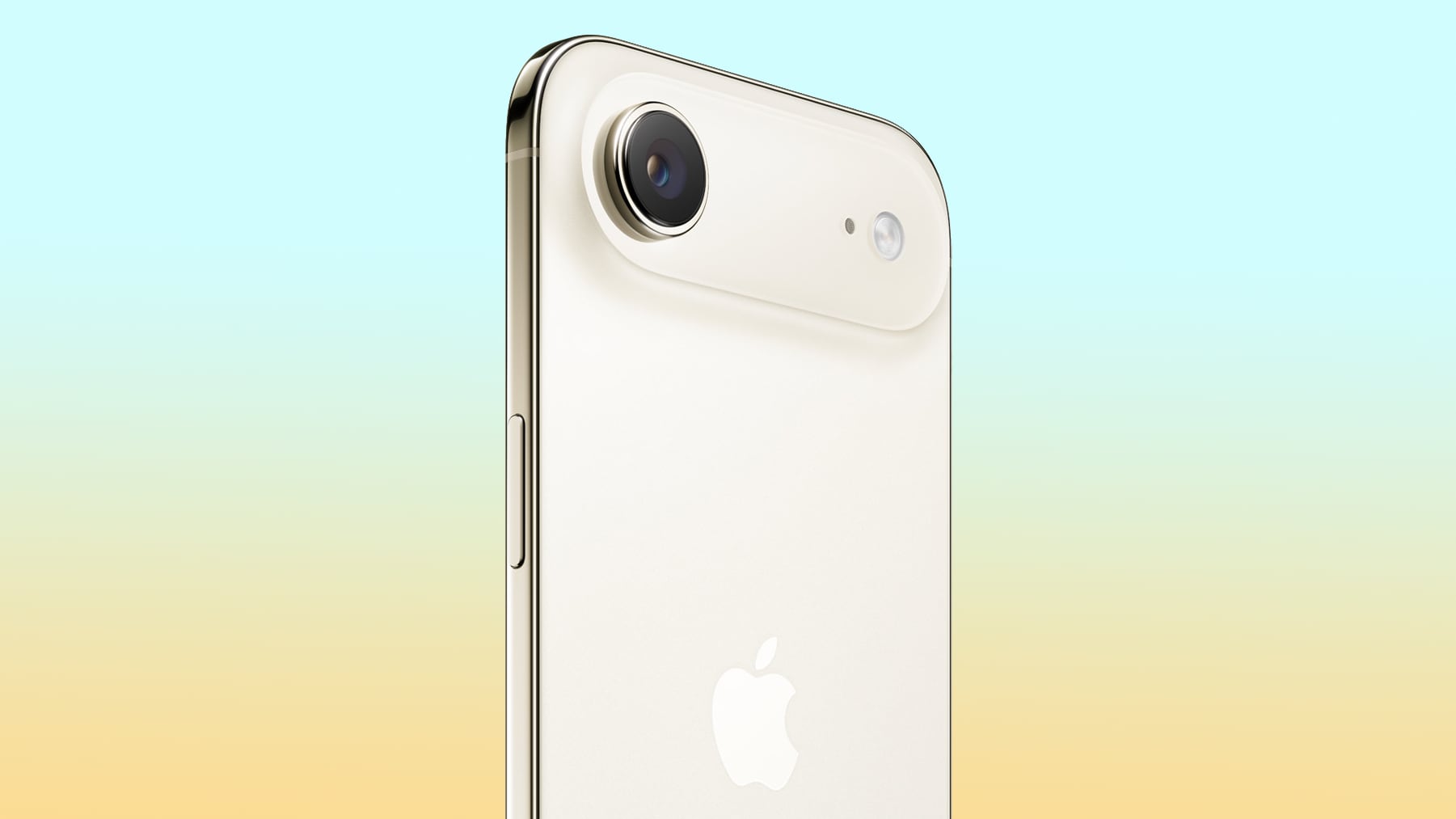
This isn't the first time Fixed Focus Digital has made such a bold claim. They made a similar prediction late last year, and they are now reinforcing their position. The leaker states that feedback from the production lines – the factories where Apple's devices are assembled – continues to point towards a fall launch. This would likely place the iPhone Air 2 alongside the expected iPhone 18 Pro models and potentially even a much-talked-about foldable iPhone, creating a packed and exciting autumn event for Apple fans.
However, those hoping for a revolutionary overhaul might need to temper their expectations. Fixed Focus Digital also mentioned that the second-generation iPhone Air will feature "very minor changes." In comments machine-translated from Chinese, the leaker described the upcoming device as "basically a routine upgrade." This suggests that while there will be improvements, they might be subtle rather than groundbreaking, focusing on refining the existing design and performance rather than introducing radical new features.
This notion of a "routine upgrade" is important for understanding Apple's product strategy. Sometimes, Apple introduces entirely new categories of devices or significant redesigns, like the original iPhone Air. Other times, it focuses on perfecting what's already there, enhancing internal components, improving efficiency, and offering a smoother user experience. If Fixed Focus Digital's information is correct, the iPhone Air 2 might fall into this latter category, offering subtle yet meaningful enhancements to its core functionality.
A Tale of Two Timelines: Conflicting Reports on the iPhone Air 2's Arrival
The tech rumor landscape is rarely straightforward, and the iPhone Air 2 is no exception. Fixed Focus Digital's optimistic timeline stands in stark contrast to earlier, widely circulated reports from other reputable sources. This creates a fascinating divergence of information, leaving many to wonder which timeline will ultimately prove accurate. Understanding these conflicting reports is key to grasping the full picture of the iPhone Air 2's potential future.
The Delay Theory: Why Some Believe We'll Wait Until 2027
One of the most prominent counter-arguments to an imminent iPhone Air 2 launch came from a November report by The Information, a well-respected technology publication known for its deep investigative journalism and industry insights. This report painted a less optimistic picture, claiming that Apple had decided to delay the launch of the next-generation iPhone Air until 2027. The reason cited for this significant delay was "poor sales" of the original iPhone Air model.
If true, this would be a notable setback for the iPhone Air line. A product delay due to underwhelming sales often indicates that the company needs more time to re-evaluate its strategy, improve the device, or find a stronger market fit. The Information followed up with a second report, delving deeper into how Apple might use this extra development time. This report suggested that the delay would allow Apple to work on a more substantial redesign of the device.
This redesign, according to The Information, could be quite comprehensive. It might include a second rear camera, which would significantly enhance the phone's photographic capabilities. Beyond cameras, the redesign could also focus on making the device even lighter, improving its handling and overall user experience. Other rumored enhancements included the integration of vapor chamber cooling, a sophisticated thermal management system, and a larger battery capacity, addressing potential pain points like overheating and battery life that are crucial for modern smartphones.
These proposed improvements—a dual-camera system, lighter design, advanced cooling, and extended battery—would be far from "minor changes." They suggest a significant engineering effort aimed at making the iPhone Air 2 a more compelling and competitive product, especially if the original model struggled to gain traction in the market. Such changes would certainly justify a longer development cycle, pushing the launch further into the future.
Gurman's Counter-Argument: Was It Ever Really Delayed?
Adding another layer of complexity to the rumors, Mark Gurman, a highly respected Apple journalist from Bloomberg, offered a different perspective shortly after The Information's reports were published. Gurman is widely considered one of the most reliable sources for Apple news, with deep connections within the company.
Gurman responded to the delay reports by stating that his sources indicated the iPhone Air 2 was not, in fact, delayed. The reason, he argued, was simple: it had never been "earmarked" or officially planned for a 2026 launch in the first place. This suggests that the "delay" might have been a misinterpretation of Apple's internal roadmap or a misunderstanding of how Apple plans its product releases, particularly for newer, non-traditional iPhone lines.
Gurman further elaborated on Apple's possible strategy, noting that the company's decision to name the device "iPhone Air" (instead of, for example, "iPhone 17 Air") was a deliberate signal. According to Gurman, this naming convention suggested that Apple did not intend to tie the iPhone Air to an annual release schedule, unlike its flagship iPhone models. This means the iPhone Air could have a more flexible launch cadence, appearing when it's ready rather than on a yearly cycle.
In his vision of Apple's future product roadmap, Gurman believes a refreshed iPhone Air could potentially roll out in spring 2027. This timeline would see it launched alongside the standard iPhone 18 and a potential iPhone 18e, as part of what Gurman describes as Apple's new "split-launch strategy." This strategy could involve releasing different tiers of iPhones at various points throughout the year, rather than concentrating all major announcements in the fall.
Furthermore, Gurman's sources indicated that the main focus for the second iPhone Air would be a significant internal upgrade: a move to a 2-nanometer chip. This advanced chip technology would primarily aim to improve the device's battery life, rather than introducing major structural or design changes. This aligns somewhat with Fixed Focus Digital's "minor changes" comment, but shifts the emphasis to a core performance upgrade that would be largely invisible to the eye.
Understanding the "Air" Series: A Premium, Lightweight Experience
To fully appreciate the significance of these rumors, it's helpful to understand what the "iPhone Air" product line represents for Apple. Traditionally, the "Air" moniker in Apple's lineup (think MacBook Air, iPad Air) signifies a focus on thinness, lightness, and portability, often combined with premium features, but sometimes positioned slightly below the absolute top-tier "Pro" models.
The original iPhone Air was introduced to offer a new kind of iPhone experience. While it likely shared many core technologies with its contemporary standard iPhone models, its distinguishing features would have revolved around its design and form factor. Imagine an iPhone that pushes the boundaries of slimness and lightweight construction, making it exceptionally comfortable to hold and carry. This focus often appeals to users who prioritize sleek aesthetics and portability above all else, perhaps even more than raw power or a full suite of professional camera features.
Apple's strategy with different iPhone tiers is designed to cater to a diverse range of consumers. We have the standard iPhone, offering a balanced experience; the iPhone Pro, designed for power users and photographers with cutting-edge features; and the iPhone SE, providing an affordable entry point. The iPhone Air would fit into this ecosystem as a premium, design-focused option for those who value elegance and a minimalist form factor. If the first generation didn't meet sales expectations, as The Information suggested, it might indicate that Apple misjudged the market's appetite for this specific balance of features and design at its initial price point.
A "minor refresh" as suggested by Fixed Focus Digital, or an internal focus on a 2nm chip as per Gurman, would continue to refine this core identity. It suggests Apple believes in the concept of a lightweight, premium iPhone but is looking to improve its fundamental performance and efficiency to make it more appealing to a broader audience without drastically changing its external appearance.
Beneath the Surface: Exploring Key Technological Upgrades
Regardless of when the iPhone Air 2 arrives, the discussions around its potential features—whether "minor" or part of a "redesign"—highlight some exciting technological advancements Apple is likely pursuing. These upgrades are not just about adding new bells and whistles; they often represent significant leaps in efficiency, performance, and user experience.
The Power of a 2-Nanometer Chip: More Than Just Speed
One of the most significant potential upgrades mentioned by Gurman is the move to a "2-nanometer chip." To put this into perspective, most high-end smartphones currently use 3-nanometer or 4-nanometer chips. The "nanometer" refers to the size of the individual transistors etched onto the chip. A smaller number means smaller transistors, and smaller transistors bring several key advantages:
- Increased Efficiency: Smaller transistors consume less power. This directly translates to significantly improved battery life, allowing the phone to run longer on a single charge. For a device like the iPhone Air, which might prioritize a thin design (potentially limiting battery size), this efficiency gain is crucial.
- Enhanced Performance: With more transistors packed into the same space, the chip can perform more calculations per second. This means faster app loading, smoother multitasking, more powerful graphics for gaming, and quicker processing for complex tasks like AI and machine learning.
- Reduced Heat Generation: More efficient chips also generate less heat. This is important for sustained performance, preventing the phone from throttling its speed when running demanding applications.
A 2-nanometer chip would represent a cutting-edge advancement, positioning the iPhone Air 2 at the forefront of mobile processing technology. It underscores Apple's continuous pursuit of performance and efficiency, often starting with internal improvements before visible external changes.
Keeping Cool Under Pressure: The Role of Vapor Chamber Cooling
The mention of "vapor chamber cooling" in The Information's report is another exciting technological detail. As chips become more powerful and devices get thinner, managing heat becomes a significant challenge. If a phone gets too hot, it can reduce its performance (known as thermal throttling) or even become uncomfortable to hold.
Vapor chamber cooling is an advanced thermal management solution commonly found in high-performance laptops and gaming phones. Here's how it generally works:
- A sealed chamber contains a small amount of liquid, often water.
- When the chip heats up, the liquid turns into vapor, absorbing the heat.
- The vapor then travels to a cooler part of the chamber, where it condenses back into liquid, releasing the heat.
- This liquid then flows back to the hot area, and the cycle repeats.
This process efficiently dissipates heat away from critical components, allowing the device to maintain peak performance for longer periods. Integrating vapor chamber cooling into a thin iPhone Air would be a significant engineering feat, suggesting Apple is serious about addressing thermal management in its high-end, compact devices.
Picture Perfect: The Potential for a Second Rear Camera
A "second rear camera" might sound like a minor addition, but for smartphone photography, it's a game-changer. Most modern high-end phones feature multiple lenses (wide, ultrawide, telephoto, macro) to offer versatility and enhance image quality.
If the original iPhone Air only had a single rear camera, adding a second one would unlock a host of new photographic capabilities:
- Optical Zoom: A telephoto lens allows for zooming in on distant subjects without losing image quality, something digital zoom struggles with.
- Ultra-Wide Shots: An ultra-wide lens is perfect for capturing expansive landscapes, group photos, or cramped interiors, fitting more into the frame.
- Improved Portrait Mode: Multiple cameras can provide better depth information, leading to more natural-looking background blur (bokeh) in portrait photos.
- Enhanced Low Light: Some dual-camera systems use one lens to capture light and another for detail, combining them for better low-light performance.
Adding a second camera would significantly elevate the iPhone Air 2's photographic capabilities, making it more competitive with other premium smartphones and appealing to users who value versatile imaging tools.
Design and Durability: Lighter Build and Enhanced Battery Life
Finally, a "lighter weight" and "larger battery capacity" are direct user benefits that need little explanation but are immensely important. A lighter phone is more comfortable for extended use, easier to carry, and feels more premium in hand. While the "Air" line already emphasizes lightness, further reduction in weight would be a welcome improvement.
Similarly, a "larger battery capacity" directly addresses one of the most common user concerns: battery life. While a 2nm chip helps with efficiency, a physically larger battery provides more raw power, ensuring the phone can last longer between charges. In a world where smartphones are essential tools for communication, work, and entertainment, extended battery life is always a highly valued feature.
These rumored technological advancements, whether they arrive sooner or later, highlight Apple's relentless pursuit of innovation, even in devices that might initially be positioned as "minor refreshes."
The Apple Launch Cycle: Decoding the "Split-Launch Strategy"
Mark Gurman's mention of a "split-launch strategy" offers valuable insight into how Apple might be evolving its product release patterns. Traditionally, Apple has favored a singular, major event in the fall (usually September) to unveil its new flagship iPhones, along with other products like Apple Watches and sometimes iPads.
However, as Apple's product portfolio has grown, and with the maturity of the smartphone market, a single annual event might not be the most effective approach for every product line. A split-launch strategy would involve staggering major product announcements throughout the year. For example, Apple might reserve the fall for its mainline iPhone Pro models and perhaps a new Apple Watch, while dedicating a spring event to products like the iPhone Air, iPhone SE, or even new iPads and Macs.
There are several reasons why Apple might adopt such a strategy:
- Extended Buzz and Media Attention: Spreading out announcements allows Apple to maintain media attention and consumer excitement for longer periods throughout the year, rather than having it peak and then quickly decline after a single event.
- Optimized Supply Chains: Manufacturing millions of devices is a complex logistical challenge. A split-launch strategy could help Apple better manage its global supply chains, reduce bottlenecks, and ensure adequate stock for each product launch.
- Targeted Marketing: Different products appeal to different segments of the market. Launching them at separate times allows for more focused marketing campaigns tailored to specific audiences.
- Responding to Market Dynamics: With the iPhone Air potentially targeting a niche market segment (premium, lightweight), Apple might want to launch it when it's perfectly ready, rather than forcing it into an annual slot that might not align with its development cycle or market readiness.
The idea of a spring 2027 launch for the iPhone Air alongside the standard iPhone 18 and an iPhone 18e perfectly illustrates this strategy. It would provide a second major iPhone launch window, giving different models their moment in the spotlight and potentially revitalizing sales across various price points throughout the year. This strategy would also explain why the iPhone Air 2 might not have been "delayed" from a 2026 launch if it was never intended for that slot in the first place.
The World of Leakers and Rumors: Why We Pay Attention
In the highly secretive world of Apple, leaks and rumors play a crucial role in shaping consumer expectations and providing glimpses into future products. But why do these leaks occur, and how reliable are they?
Leaks typically originate from various points in Apple's vast supply chain: component manufacturers, assembly lines, logistics partners, and even internal employees. With hundreds of thousands of people involved in bringing an Apple product to market, maintaining absolute secrecy is incredibly difficult. Information, often in the form of production schedules, component orders, or internal prototypes, inevitably trickles out.
The accuracy of leakers can vary wildly. Some, like Mark Gurman, have established reputations built on years of accurate reporting and deep industry contacts. Others, like Fixed Focus Digital, might specialize in specific areas, such as details from Chinese production lines, and can occasionally break news with impressive accuracy. For example, Fixed Focus Digital previously broke the news ahead of launch about the iPhone 16e name, demonstrating their ability to sometimes hit the mark.
However, it's essential to approach all rumors with a degree of skepticism. Information can be misinterpreted, plans can change internally at Apple, or a leaker's source might have incomplete data. The conflicting reports on the iPhone Air 2's launch date are a perfect example of this dynamic. Both The Information and Mark Gurman are highly credible, yet they presented very different scenarios. Fixed Focus Digital adds another layer, with their past accuracy lending weight to their current claims, but the existing strong counter-narratives from Gurman and The Information still cast doubt on an immediate launch.
Ultimately, the tech community pays attention to leakers because they offer the closest thing to official news before Apple itself makes an announcement. They build anticipation, fuel discussions, and sometimes, give us a genuine sneak peek into the future of technology.
What Does This Mean for You? Navigating the Wait
For potential buyers, this flurry of conflicting information can be both exciting and frustrating. If you're eyeing an iPhone Air 2, you're now faced with a decision: Do you hold out for a potential fall 2026 launch, or prepare for a longer wait until spring 2027?
If Fixed Focus Digital is correct, and a "minor refresh" is indeed coming this year, it means you might have access to an updated, more efficient iPhone Air much sooner. This would be great for those who value the current Air's form factor and are looking for subtle but meaningful internal improvements, perhaps driven by a new chip for better battery life.
However, if The Information's report about a 2027 delay and a significant redesign is accurate, waiting could mean getting a much more advanced device. A second camera, vapor chamber cooling, and a larger battery would represent a substantial leap, potentially making the wait worthwhile for those seeking a more feature-rich experience.
Mark Gurman's perspective offers a middle ground, suggesting no delay because it was never planned for 2026, with a 2027 launch focusing on a 2nm chip. This aligns with a significant internal upgrade without the radical external changes rumored by The Information.
For now, the best approach for consumers is usually patience and caution. It is still possible that a new iPhone Air could launch this coming fall, aligning with Fixed Focus Digital's claims. However, the strong, contradictory reports from established journalists like Mark Gurman and publications like The Information introduce significant doubt. Making a purchase decision based solely on unconfirmed rumors can lead to disappointment if the actual product or timeline differs significantly.
The excitement around new Apple products is always high, and the iPhone Air 2 is clearly no exception. The back-and-forth between leakers and journalists highlights the intense interest and the complex nature of product development at a company like Apple. Users are eager for the next generation of thin, powerful, and innovative devices.
Conclusion: Awaiting Clarity in a Cloud of Speculation
The future of the iPhone Air 2 remains shrouded in a captivating mix of hope, speculation, and conflicting reports. While a Weibo leaker suggests a timely launch this fall with minor internal tweaks, other highly reputable sources point to a delay until 2027, potentially featuring a more substantial redesign or a focus on next-generation chip technology.
Ultimately, only Apple knows the true timeline and feature set for the second-generation iPhone Air. Until an official announcement is made, these rumors serve to fuel our imaginations and spark engaging discussions about the future of smartphone technology. Whether it arrives with a "routine upgrade" this year or a "redesign" in 2027, the iPhone Air 2 is poised to continue Apple's legacy of innovation, challenging expectations and pushing the boundaries of what a smartphone can be. For now, we remain in a holding pattern, eagerly awaiting the moment Apple draws back the curtain and reveals its next big thing.
This article, "iPhone Air to Get Minor Refresh This Year, Claims Leaker" first appeared on MacRumors.com
Discuss this article in our forums
from MacRumors
-via DynaSage

Post a Comment