iPhone 17e to Gain Dynamic Island But Display Still Stuck at 60Hz
iPhone 17e: A Deep Dive into Apple's Next Affordable Smartphone – Dynamic Island, But Still 60Hz
The world of smartphones is constantly evolving, and Apple's annual iPhone releases are always at the forefront of innovation and consumer excitement. As we look ahead, whispers and leaks about the iPhone 17e are starting to paint a picture of what to expect from Apple's next more budget-friendly offering. The "e" series iPhones are typically designed to offer a great Apple experience at a more accessible price point, often by incorporating some of the latest features while strategically maintaining certain specifications from previous generations to manage costs.
This year, a key highlight for the upcoming iPhone 17e is the anticipated inclusion of the Dynamic Island. This interactive area at the top of the screen, which elegantly adapts to display alerts, notifications, and ongoing activities, is a significant design and functional upgrade. However, despite this exciting addition, reliable sources suggest that the iPhone 17e's display will maintain a 60Hz refresh rate. This means it won't feature the smoother, more fluid visuals offered by the 120Hz ProMotion technology found in Apple's Pro models and, presumably, the higher-end iPhone 17 lineup. Let's delve deeper into what these choices mean for potential users and Apple's overall strategy.
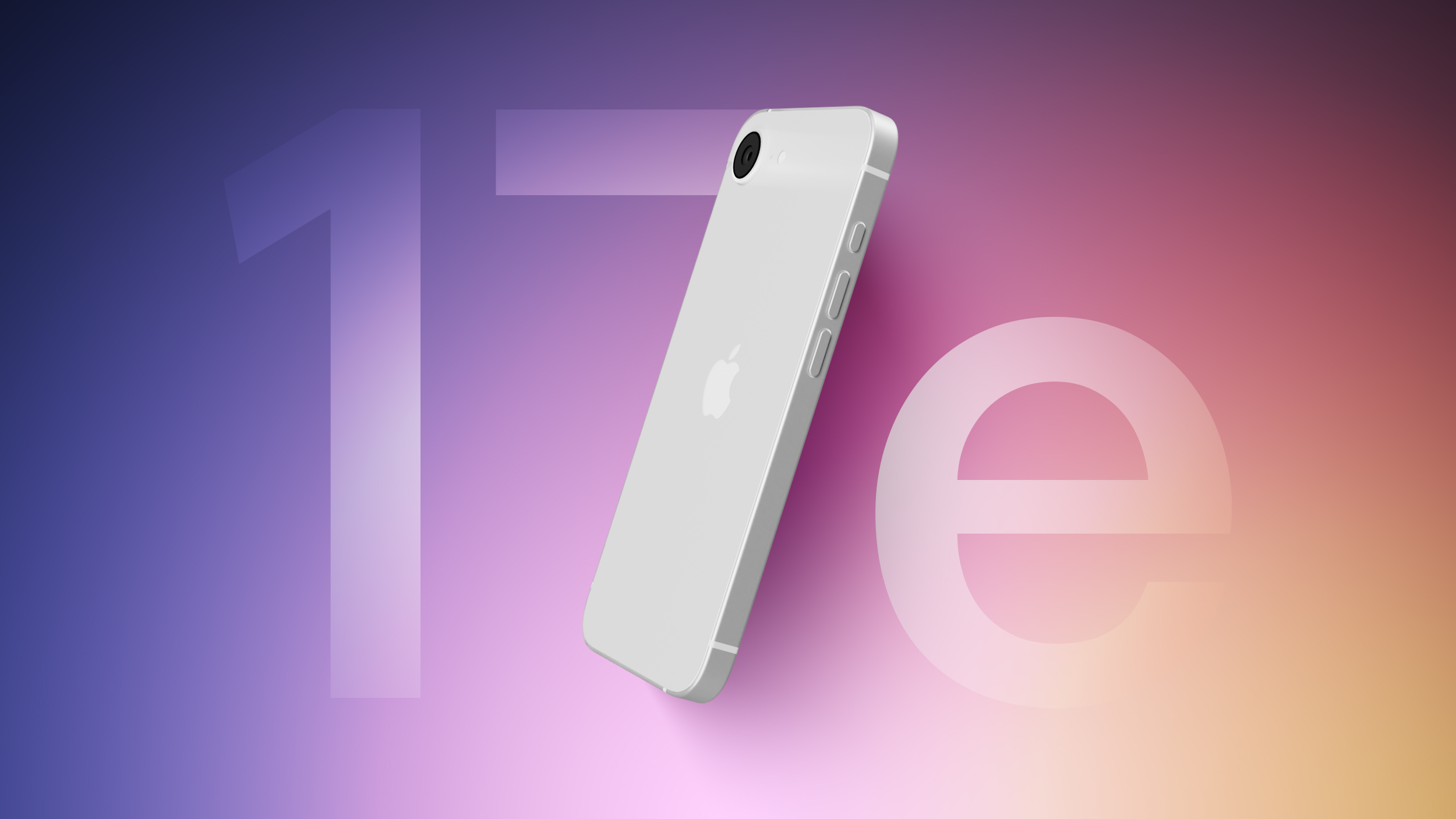
Embracing the Dynamic Island: A Smarter Top Edge
For years, the "notch" at the top of the iPhone screen housed the front camera and Face ID sensors, becoming an iconic, albeit sometimes divisive, design element. Introduced with the iPhone X, the notch represented a necessary compromise to maximize screen real estate while integrating complex hardware. However, with the iPhone 14 Pro and subsequently the entire iPhone 15 lineup, Apple introduced the Dynamic Island – a revolutionary approach to this screen cut-out.
The Dynamic Island is not just a hole in the screen; it's an intelligent, interactive area that seamlessly blends hardware and software. Instead of a static black bar, it's a dynamic, pill-shaped area that can expand and contract to show live activities, alerts, and notifications. For example, if you're playing music, it might show album art and playback controls. If you're on a call, it will display call information. If your AirPods connect, a small animation will appear. It's a clever way to make a functional necessity feel like a premium, integrated feature of the user experience.
The latest reports from "Digital Chat Station," a respected leaker on the Chinese social media platform Weibo, confirm that the iPhone 17e will indeed swap the older notch design for this modern Dynamic Island. This is a significant upgrade for the "e" series, bringing a flagship-level design and functionality to a more accessible price point. It means users will no longer have to contend with the fixed notch that occupied more screen space and offered less utility. Instead, they'll benefit from a more immersive display and a genuinely useful interactive hub for their ongoing tasks and alerts. This move helps to unify the iPhone aesthetic across most of the current lineup, offering a more consistent and contemporary look and feel.
Beyond just aesthetics, the Dynamic Island enhances multitasking and at-a-glance information consumption. Imagine tracking your food delivery, seeing the status of your timer, or quickly pausing your podcast without having to open the respective app. The Dynamic Island provides this convenience directly at the top of your screen, making your iPhone experience smoother and more intuitive. Its animated transitions are fluid and aesthetically pleasing, contributing to a premium feel that belies the iPhone 17e's expected lower price point. This strategic feature adoption underscores Apple's commitment to eventually bringing its best innovations to a wider audience, even if it means waiting an extra generation for the more budget-friendly models.
The Display Dilemma: 60Hz Versus 120Hz ProMotion
While the Dynamic Island brings a wave of modernization to the iPhone 17e, the display's refresh rate remains a point of differentiation from its more premium siblings. The iPhone 17e is rumored to retain a 60Hz refresh rate, a standard specification that has been prevalent in smartphones for many years. To understand the implications of this, it's essential to explain what a refresh rate is and why 120Hz ProMotion technology is considered a premium feature.
A display's refresh rate refers to how many times per second the screen updates its image. A 60Hz display refreshes 60 times a second, while a 120Hz display refreshes 120 times per second. The higher the refresh rate, the smoother and more fluid movements appear on the screen. This difference is most noticeable during activities like scrolling through webpages or social media feeds, playing fast-paced games, or watching high frame-rate videos. On a 120Hz display, text and images glide effortlessly, making the entire user experience feel more responsive and premium. For users who primarily interact with their phones through reading, browsing, and casual apps, the difference between 60Hz and 120Hz might not be immediately apparent without a side-by-side comparison. However, for those accustomed to higher refresh rates, going back to 60Hz can sometimes feel less smooth.
Apple first introduced ProMotion technology with a 120Hz adaptive refresh rate in its iPad Pro line, eventually bringing it to the iPhone Pro models. Last year, the standard iPhone 17 models received this significant display upgrade, making the user experience across Apple's flagship range more consistently smooth. However, the iPhone 17e appears to be skipping this upgrade. The primary reason for this decision is almost certainly cost-effectiveness. High refresh rate OLED panels are more expensive to manufacture and integrate. By keeping the 60Hz display, Apple can significantly reduce the overall production cost of the iPhone 17e, allowing it to maintain its attractive $599 starting price.
This strategic segmentation is a common practice for Apple. By reserving ProMotion for its premium devices, it creates a clear distinction between the "Pro" and more budget-friendly "e" or standard models, giving consumers a reason to upgrade to the higher-priced options if a super-smooth display is a priority for them. While some might view the 60Hz display as a drawback, for many users who are upgrading from older iPhones or other smartphones with similar refresh rates, it will still offer a perfectly acceptable and enjoyable visual experience, especially when paired with the vibrant colors and deep blacks of an OLED panel. The 6.1-inch OLED display itself promises excellent picture quality, regardless of the refresh rate.
Design Evolution: From Notch to Dynamic Island and Beyond
The design language of the iPhone has undergone several transformations over the years, each iteration refining the user experience and aesthetic appeal. The inclusion of the Dynamic Island in the iPhone 17e marks a pivotal moment in this evolution for the more affordable line. To understand its significance, let's briefly recap Apple's design strategy for its budget-friendly "e" models.
The previous generation, the iPhone 16e, featured a traditional "notch" at the top of its display. This design was reminiscent of the iPhone 13 and iPhone 14 models, indicating that the 16e was largely based on the aesthetic and internal architecture of the 2022 iPhone 14. This strategy allows Apple to leverage existing component supply chains and manufacturing processes, reducing research and development costs for the "e" series and ultimately passing those savings on to consumers.
Following this pattern, it's highly probable that the iPhone 17e will be based on the design of the 2023 iPhone 15. The iPhone 15 was the first standard iPhone to gain the Dynamic Island, moving away from the notch entirely. Beyond the Dynamic Island, the iPhone 15 also introduced a more refined, slightly rounded frame compared to the sharper, flat edges seen in the iPhone 12, 13, and 14 generations. This subtle design change enhances the in-hand feel, making the device more comfortable to hold for extended periods. The iPhone 15 also transitioned to USB-C charging, a standard that the iPhone 17e is almost certainly set to adopt, further enhancing its versatility and compatibility with a wider range of accessories.
Therefore, an iPhone 17e built on the iPhone 15's design means not only the advanced Dynamic Island but also a more ergonomically friendly body and the modern USB-C port. These updates are more than just superficial; they enhance the practical usability and future-proofing of the device. The updated design language helps the iPhone 17e feel more contemporary and align more closely with Apple's current premium offerings, even with its underlying cost-saving principles. This approach allows the "e" series to gradually inherit flagship features, ensuring that even at a lower price point, users are getting a product that feels modern and capable.
Performance Powerhouse: The A19 Chip and Beyond
At the heart of every iPhone lies its custom-designed A-series chip, a powerhouse of engineering that drives everything from basic app functionality to complex artificial intelligence tasks and graphic-intensive gaming. These chips are a key differentiator for Apple, offering industry-leading performance and efficiency. The iPhone 17e is rumored to receive a significant upgrade in this department, moving from the A18 chip found in the iPhone 16e to the newer A19 chip.
The A19 chip is expected to be built on TSMC's third-generation 3nm process, known as N3P. To put this into perspective, "nanometer" refers to the size of the transistors on the chip. A smaller nanometer process means that more transistors can be packed into the same space, leading to increased performance, better energy efficiency, and reduced heat generation. This technological leap from older processes allows the A19 to be significantly more powerful and efficient than its predecessors. Reports suggest that the A19 chip could offer a raw CPU performance increase of approximately 5-10% over the A18 chip. While this might sound modest, these incremental improvements accumulate over generations, contributing to a consistently snappy and responsive user experience.
However, there's an interesting twist. Another reputable Weibo leaker has suggested that Apple might use a "downclocked" version of the A19 chip in the iPhone 17e. "Downclocking" means intentionally running the chip at a slightly lower speed than its maximum potential. Apple might do this for several reasons: to further optimize for battery life, to manage heat more effectively in a potentially less expensive cooling system, or to create even clearer performance tiers between the iPhone 17e and its more premium siblings (which would likely feature a full-power A19 or an even newer "Pro" variant).
Even if downclocked, the A19 chip is still expected to be exceptionally powerful. Some speculate it could be roughly comparable to Apple's A17 Pro chip, which powered the iPhone 15 Pro models. The A17 Pro chip was a marvel of engineering, delivering console-level gaming graphics and blazing-fast performance. A downclocked A19 chip offering similar performance would still make the iPhone 17e incredibly capable, easily handling demanding applications, high-definition video editing, and advanced mobile gaming without breaking a sweat.
A key area where the A19 chip, even if downclocked, will shine is in its Neural Engine improvements. The Neural Engine is a dedicated component within the Apple chip designed to accelerate machine learning (ML) tasks. These tasks are integral to many modern smartphone features, including advanced computational photography (like Smart HDR and Portrait mode), Face ID facial recognition, Siri's intelligence, on-device AI processing, and many third-party apps that leverage AI. Enhancements in the Neural Engine mean faster, more accurate, and more efficient AI-driven features, leading to better photos, more responsive voice assistants, and a generally smarter iPhone experience. This ensures that even the more affordable iPhone 17e is well-equipped for the future of AI-powered mobile computing.
Connecting to the Future: MagSafe and Modem Choices
Beyond the display and processor, connectivity and charging technologies play a crucial role in the overall user experience of a smartphone. The iPhone 17e is rumored to bring significant enhancements in these areas, addressing some limitations of its predecessor.
One of the most anticipated additions is the inclusion of a magnetic ring for MagSafe compatibility. MagSafe, first reintroduced with the iPhone 12, is a magnetic attachment system on the back of the iPhone. It enables perfect alignment for wireless charging, ensuring optimal charging efficiency. More importantly, it opens up an entire ecosystem of accessories, from magnetic wallets and portable battery packs to car mounts and camera grips, all of which securely snap onto the back of the phone. The iPhone 16e, in its effort to cut costs, reportedly omitted this feature. Bringing MagSafe to the iPhone 17e is a welcome upgrade, offering users unparalleled convenience and access to a vibrant accessory market. It makes wireless charging simpler and more reliable, and it broadens the utility of the device far beyond just its core functions.
However, when it comes to cellular connectivity, Apple appears to be making another cost-conscious decision. Leaked Apple code suggests that the iPhone 17e may be equipped with an older generation of cellular modems, specifically either the C1 or C1X, and will likely lack the N1 wireless chip. Modems are critical components responsible for managing the phone's connection to cellular networks, including 4G LTE and 5G. Newer modems generally offer faster download and upload speeds, better power efficiency, and support for a wider range of network bands, which can improve signal strength and reliability, especially in congested areas or when traveling internationally.
Using older modem technology, such as the C1 or C1X, instead of the latest N1 chip, allows Apple to save on manufacturing costs. For most everyday users, the performance difference might not be significant. Modern older modems are still highly capable of delivering fast 5G speeds, sufficient for streaming, browsing, and video calls. However, for users in areas with very advanced 5G networks or those who demand the absolute fastest speeds available, this could represent a slight compromise. It's another example of Apple strategically balancing premium features with cost-saving measures to hit a competitive price point for the "e" series. This approach ensures that the iPhone 17e remains a highly capable device for connectivity, even if it doesn't pack the absolute bleeding edge of modem technology.
Capturing Moments: Camera Capabilities and Core Features
The camera system is often a make-or-break feature for many smartphone buyers, and Apple iPhones have consistently set high benchmarks for mobile photography. The iPhone 17e, despite its positioning as a more affordable option, is expected to inherit some powerful camera hardware, ensuring users can capture stunning photos and videos.
On the front, the iPhone 17e is expected to retain a 12-megapixel camera. This high-resolution front-facing camera is perfect for crisp selfies, high-quality video calls, and accurate Face ID functionality. Modern iPhone front cameras often feature advanced capabilities like autofocus, Portrait mode with Depth Control, and Cinematic mode for videos, leveraging the powerful Neural Engine for computational photography enhancements. These features ensure that your video calls are clear, and your self-portraits are studio-quality, making the front camera a versatile tool for communication and creativity.
Around the back, the device is rumored to feature a powerful 48-megapixel main camera. This is a significant upgrade for a non-Pro iPhone, as previous standard models often stuck with 12-megapixel sensors for their main cameras. A 48-megapixel sensor offers several advantages. Primarily, it allows for "pixel binning," where four pixels are combined into one larger "super pixel." This technique dramatically improves light gathering capabilities, resulting in much better performance in low-light conditions and reduced noise in photos. It also allows for greater detail retention when shooting in full 48-megapixel resolution, which can be useful for professional editing or large prints. Furthermore, a high-resolution main sensor often enables a high-quality 2x telephoto crop, giving users a versatile optical zoom equivalent without the need for a separate telephoto lens. This means users can get closer to their subjects without sacrificing image quality.
Alongside the robust camera system, the iPhone 17e will naturally include Face ID, Apple's advanced facial recognition system. Face ID provides industry-leading security for unlocking your device, authenticating purchases, and logging into apps, all while offering unparalleled convenience. The combination of a capable camera system, powerful A19 chip, and Face ID ensures that the iPhone 17e delivers a comprehensive and secure user experience for everyday tasks and creative endeavors. These core features, proven and refined over generations, solidify the iPhone 17e as a highly competent device in its category.
Pricing and Availability: An Affordable Apple Experience
One of the most appealing aspects of the "e" series iPhone is its strategic pricing, designed to make the Apple ecosystem more accessible to a wider audience. The iPhone 17e is expected to continue this tradition, making it an attractive option for budget-conscious consumers or those looking for excellent value.
The starting price of the iPhone 17e is widely anticipated to remain at $599. This price point is incredibly competitive, especially considering the significant upgrades it's receiving, such as the Dynamic Island, the A19 chip, a 48-megapixel main camera, and MagSafe compatibility. At $599, the iPhone 17e positions itself as a strong contender against mid-range Android devices, offering Apple's premium software experience, robust security, and long-term software support at a price that won't break the bank. It serves as an excellent entry point into the iPhone family for new users or a compelling upgrade for those coming from much older iPhone models (like an iPhone SE or an iPhone X/XR era device).
Regarding its launch timeline, there's some speculation. The iPhone 16e launched last year in February, setting a precedent for an earlier release window for the "e" series compared to the main fall iPhone event. It's possible that the iPhone 17e could follow a similar pattern, launching as soon as February. However, other possibilities exist, with some rumors suggesting it might debut later in the spring. An earlier release allows Apple to capture a different segment of the market and maintain a more consistent product flow throughout the year. It also gives the device a longer shelf life before the flagship iPhone 18 models are unveiled in the fall.
The specific release date could depend on various factors, including component availability, manufacturing schedules, and Apple's overall product marketing strategy for the year. Regardless of whether it's February or later in the spring, the iPhone 17e's arrival will be keenly watched by consumers eager for a new Apple device that balances cutting-edge features with affordability. Its consistent price point makes it a reliable choice for consumers, offering predictability in a market often characterized by fluctuating prices. This strategy allows Apple to cater to diverse consumer needs, ensuring that there's an iPhone for nearly every budget while still delivering a premium experience.
The Bigger Picture: Apple's Strategy with the iPhone 17e
The iPhone 17e, as revealed by these leaks and rumors, represents a masterclass in Apple's product segmentation strategy. It showcases the company's ability to innovate while simultaneously making its advanced technologies accessible to a broader market segment. By selectively incorporating flagship features from previous generations and making judicious trade-offs, Apple creates compelling value propositions that maintain brand appeal and market share.
The decision to include the Dynamic Island, a hallmark of recent Pro and standard iPhone models, is a testament to Apple's commitment to modernizing the user experience across its entire lineup. This feature alone significantly elevates the iPhone 17e, making it feel current and premium despite its price tag. The adoption of the A19 chip, even if downclocked, ensures that the device delivers robust performance, longevity, and future-proofing for iOS updates and demanding applications. MagSafe compatibility further enhances its value, integrating it fully into Apple's burgeoning accessory ecosystem.
However, the retention of a 60Hz display and the use of older modem technology highlight where Apple chooses to draw the line to control costs. These are strategic choices designed to differentiate the "e" series from the more expensive Pro models, offering clear reasons for consumers to consider an upgrade to the higher tiers if these specific features are paramount to them. For the target audience of the iPhone 17e, which likely includes budget-conscious buyers, first-time iPhone owners, or those upgrading from much older models, these compromises are often acceptable given the substantial savings.
Ultimately, the iPhone 17e appears set to be a highly capable and desirable smartphone. It offers a fresh design with the interactive Dynamic Island, a powerful and efficient processor, a versatile 48-megapixel camera, and the convenience of MagSafe, all wrapped in Apple's intuitive iOS experience. At its expected $599 starting price, it promises to deliver exceptional value, solidifying its position as an important pillar in Apple's diverse iPhone portfolio. It’s a smart play by Apple to keep the entry point attractive while still delivering meaningful innovations.
Related Information and Discussion
This article, "iPhone 17e to Gain Dynamic Island But Display Still Stuck at 60Hz" first appeared on MacRumors.com
Discuss this article in our forums
from MacRumors
-via DynaSage

Post a Comment