How Much RAM Will the iPhone 18 Pro Have? Here's What Rumors Say
Anticipating the Future: What We Know About iPhone 18 Pro RAM and Beyond
Even though the highly anticipated iPhone 18 Pro and iPhone 18 Pro Max are still several months away, expected around eight months from now, tech enthusiasts and industry experts are already buzzing about their potential specifications. A key focus of these early discussions revolves around the amount of RAM (Random Access Memory) these powerful new devices will pack. Understanding RAM is crucial, as it directly impacts how smoothly your phone handles multiple apps, complex tasks, and the advanced features that are increasingly becoming a cornerstone of modern smartphones.
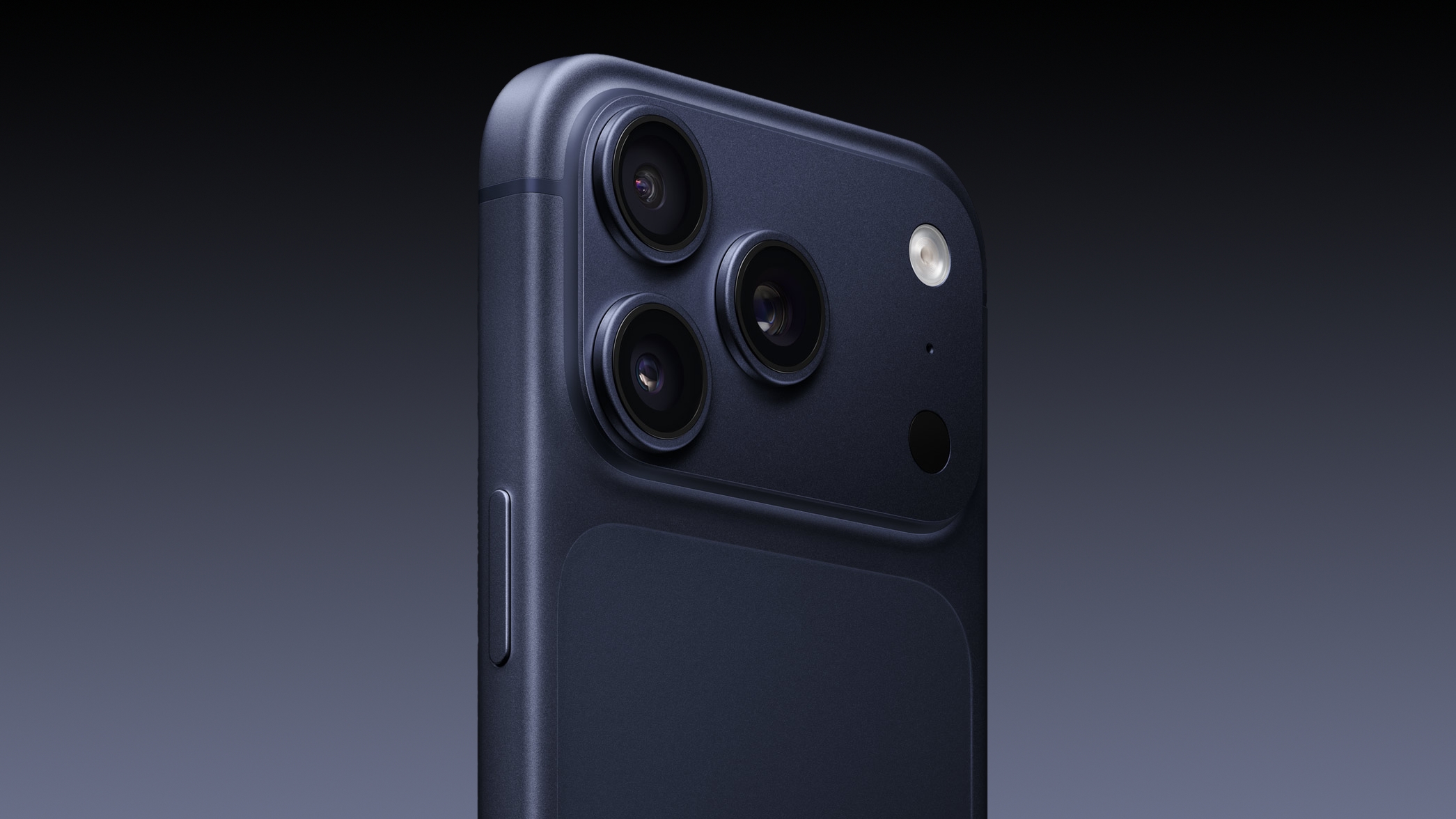
The Latest Buzz: iPhone 18 Pro RAM Expectations
Leading the charge with these early predictions is Ming-Chi Kuo, a highly respected analyst known for his deep insights into Apple's supply chain. In a blog post last year, Kuo shared his expectations that all the new iPhone models scheduled for release later this year would come equipped with a significant 12GB of RAM. This forecast specifically includes the upcoming iPhone 18 Pro, iPhone 18 Pro Max, and even the much-rumored iPhone Fold. This would place the new Pro models on par with the current iPhone 17 Pro models, which also feature 12GB of RAM, indicating a consistent high-performance standard for Apple's top-tier devices.
Further solidifying these predictions, analyst Jeff Pu recently echoed Kuo's sentiments. In a research note acquired by MacRumors, Pu concurred that both the iPhone 18 Pro models and the anticipated iPhone Fold will indeed feature 12GB of LPDDR5 RAM. The "LPDDR5" designation is significant, as it refers to a type of low-power double data rate synchronous dynamic random-access memory, which is designed for high performance and energy efficiency, crucial for portable devices like iPhones.
What's particularly exciting for the broader iPhone lineup is the rumor that even the standard iPhone 18 will receive a substantial RAM upgrade to 12GB. This would mark a notable increase from the 8GB of RAM found in the current standard iPhone 17, suggesting that Apple is planning to boost the performance capabilities across its entire range, not just the premium Pro models. This could translate to a smoother user experience and better future-proofing for standard iPhone users.
Current vs. Expected iPhone RAM: A Clear Progression
To put these figures into perspective, let's look at the RAM specifications of the current iPhone lineup compared to what's being predicted for the next generation:
- iPhone 17: 8GB
- iPhone 17 Pro: 12GB
- iPhone 17 Pro Max: 12GB
- iPhone Air: 12GB
And here’s what’s expected for the upcoming models, showcasing a clear trend towards increased memory:
- iPhone 18: 12GB
- iPhone 18 Pro: 12GB
- iPhone 18 Pro Max: 12GB
- iPhone Fold: 12GB
This projected equalization of RAM across the board, especially the bump for the standard iPhone 18, signifies Apple's commitment to enhancing raw processing power and multitasking capabilities for all its users.
Why RAM Matters: Understanding Your iPhone's Memory
For many, RAM is just a number on a specification sheet, but it plays a vital role in the day-to-day performance of your iPhone. RAM, or Random Access Memory, is essentially your phone's short-term memory. It's where your iPhone temporarily stores data that it needs to access quickly, such as the apps you currently have open, the data those apps are using, and parts of the operating system that are actively running.
Think of RAM as your phone's workspace. The more RAM your phone has, the larger its workspace, allowing it to keep more apps and data readily available without having to constantly load them from slower storage. This translates directly to a smoother and more responsive user experience:
- Seamless Multitasking: With more RAM, you can switch between numerous apps without them needing to reload. For example, if you're browsing the web, then check an email, then reply to a message, and then switch back to your browser, a phone with ample RAM will keep all those apps exactly where you left them, saving you time and frustration.
- Enhanced Performance for Demanding Apps: Resource-intensive applications like complex games, video editing software, or professional productivity tools benefit immensely from more RAM. They can store more of their operational data in fast RAM, leading to quicker load times, smoother animations, and less lag during intensive operations.
- Faster App Launches: While the primary storage (like SSD) handles long-term storage, frequently used app components can be pre-loaded or cached in RAM, leading to quicker launch times when you tap an app icon.
- Future-Proofing: As apps and operating systems become more sophisticated and feature-rich, they tend to demand more memory. Devices with more RAM are better equipped to handle these increasing demands in the years to come, extending their usable lifespan before feeling sluggish.
- Advanced AI and Machine Learning: Many modern features, especially those related to Artificial Intelligence (AI) and Machine Learning (ML), require significant on-device processing and quick access to large datasets. More RAM facilitates these complex computations, enabling faster and more accurate AI capabilities.
For a "Pro" device like the iPhone 18 Pro and Pro Max, high RAM is not just a luxury but a necessity. These phones are designed for users who demand the absolute best performance for everything from professional photography and videography to high-end mobile gaming and intensive productivity tasks. The 12GB of LPDDR5 RAM ensures that these devices can handle whatever you throw at them, offering a truly pro-level experience.
A Leap Forward: Integrated RAM and Apple Intelligence
Beyond simply increasing the amount of RAM, Apple is reportedly innovating in how that memory is integrated into its powerful chips. For the iPhone 18 Pro's A20 Pro chip, rumors suggest that RAM will be integrated directly onto the chip's wafer. This is a significant architectural change compared to the traditional method, where RAM modules are typically adjacent to the main processor (CPU, GPU, and Neural Engine) and connected via a silicon interposer.
This direct integration, often referred to as "system-in-package" or "unified memory" in some contexts, brings several key advantages:
- Boosted Performance: By placing the RAM directly on the same wafer as the CPU, GPU, and Neural Engine, data can travel between these components at much higher speeds and with lower latency. This direct pathway minimizes the time it takes for the processor to access needed data, leading to overall faster application performance and a more responsive system.
- Increased Efficiency: The shorter distances and more direct connections reduce the amount of energy required for data transfer. This improved power efficiency is crucial for battery life, especially when dealing with demanding tasks that constantly access memory.
- Optimized for Apple Intelligence Tasks: This integrated design is expected to be particularly beneficial for "Apple Intelligence tasks." While Apple hasn't officially detailed what "Apple Intelligence" entails, it strongly points towards a suite of advanced on-device Artificial Intelligence and Machine Learning capabilities. These could include:
- Advanced Photo and Video Processing: Real-time enhancements, computational photography features, and intelligent video editing that run directly on the device without needing cloud processing.
- Sophisticated Siri and Voice Interactions: A more context-aware, proactive, and natural-sounding virtual assistant capable of understanding complex commands and performing multi-step actions.
- Generative AI Features: On-device capabilities for generating text, summarizing documents, creating images, or even composing music, all powered by local AI models that leverage the fast, integrated memory.
- Personalized Experiences: Smarter predictions, proactive suggestions, and personalized content curation based on individual usage patterns and preferences, all processed privately on your device.
- Enhanced Gaming and Augmented Reality (AR): Faster memory access is critical for rendering complex AR environments and high-fidelity game graphics with minimal lag, making experiences more immersive and realistic.
- Compact Design: Integrating components can also lead to a more compact overall chip package, potentially freeing up space within the device for other components or allowing for smaller device form factors, although the primary benefits here are performance and efficiency.
This architectural shift underscores Apple's strategic focus on pushing the boundaries of on-device AI and delivering unparalleled performance and efficiency for its flagship devices. It's a move that ensures the iPhone 18 Pro and Pro Max are not just faster, but fundamentally smarter and more capable of handling the computing demands of the future.
Apple's Shifting Launch Strategy: What It Means for You
In addition to the hardware rumors, there's also significant buzz about Apple potentially altering its traditional product launch cadence. Historically, Apple has tended to announce its new iPhone lineup, including standard and Pro models, at a single major event, usually in September. However, the latest reports suggest that Apple is contemplating a new two-phase launch strategy.
According to these rumors, while the iPhone 18 Pro and iPhone 18 Pro Max are still expected to debut in September, the standard iPhone 18 is not expected to be announced until around March 2027. This would mean a staggered release, with the Pro models arriving several months before the standard variants.
Potential Reasons for a Two-Phase Launch:
- Technological Differentiation: This strategy could allow Apple to highlight the advanced features and technologies exclusive to the Pro models, giving them their own spotlight before the standard models arrive. The A20 Pro chip with integrated RAM and advanced AI capabilities might be ready sooner or require more focused marketing.
- Supply Chain Management: Staggering releases could help Apple better manage its complex global supply chain. It allows for a more focused production ramp-up for the premium, high-demand Pro models first, followed by the high-volume standard models, potentially smoothing out manufacturing bottlenecks.
- Market Strategy and Consumer Demand: A split launch could also be a strategic move to maintain consumer interest over a longer period. Announcing Pro models in the fall and standard models in the spring could generate two distinct waves of excitement and sales cycles throughout the year. It might also address different consumer segments at different times, with early adopters flocking to the Pro models first.
- Evolution of the iPhone Lineup: With the potential introduction of an iPhone Fold and other form factors, Apple might be looking to redefine its product launches to better accommodate a more diverse and complex portfolio of devices.
Implications for Consumers:
For consumers, this new strategy would mean a change in how they anticipate and purchase new iPhones. Those eyeing the latest standard model might have to wait an additional six months or so after the Pro models are available. This could lead to a tougher decision between waiting for the standard model or opting for the more expensive, earlier-released Pro model. It also means that the "newness" of the iPhone lineup would be spread across two major announcements rather than one concentrated event.
Ultimately, this rumored shift points to Apple's adaptability in a rapidly evolving tech landscape, balancing innovation, manufacturing capabilities, and market dynamics to best serve its strategic goals.
The Role of Analysts and Rumors
In the fast-paced world of consumer electronics, pre-release rumors play a significant role in building anticipation and shaping expectations. Analysts like Ming-Chi Kuo and Jeff Pu are pivotal figures in this ecosystem. They don't just guess; their predictions are often based on extensive research, contacts within the supply chain, and careful analysis of manufacturing trends and patent filings.
- Ming-Chi Kuo: Often referred to as "the most accurate Apple analyst," Kuo has a remarkable track record for correctly predicting Apple's product plans and specifications. His insights typically come from deep dives into Apple's Asian supply chain, where components are sourced and devices are assembled. When Kuo speaks, the industry listens.
- Jeff Pu: Another respected analyst, Pu also provides valuable insights, often corroborating or adding detail to the broader rumor mill. His research notes, like the one obtained by MacRumors, contribute to the collective understanding of what Apple might be planning.
While these analysts provide highly informed predictions, it's important to remember that they are still rumors until Apple officially confirms them. Plans can change, specifications can be adjusted, and unexpected developments can always arise. However, the consistent agreement between multiple reputable sources, as seen with the 12GB RAM prediction for the iPhone 18 Pro, lends significant credibility to these early reports.
These rumors serve not only to excite consumers but also to give the market a glimpse into Apple's strategic direction, particularly regarding its commitment to performance, AI capabilities, and potential new product categories like the iPhone Fold.
Looking Ahead: The Broader Impact of Increased RAM
The consistent increase in RAM across the iPhone lineup, especially the jump to 12GB for the standard iPhone 18 and the high-performance integration in the A20 Pro chip, signals a clear vision for the future of Apple's mobile devices. This isn't just about making phones "faster" in a superficial sense; it's about enabling a new generation of computational capabilities and user experiences.
- Future-Proofing Devices: With more RAM, iPhones will be better equipped to handle future software updates, more complex apps, and the inevitable increase in data processing demands. This extends the lifespan of the devices, providing more value to consumers over time.
- Enabling New Software Features: Higher RAM facilitates the development of innovative software. Features that might currently require cloud processing could potentially move on-device, enhancing privacy, speed, and reliability. This is particularly true for advanced AI features that need immediate access to large amounts of data.
- Keeping Pace with Competition: While Apple has historically optimized its iOS ecosystem to run efficiently on less RAM than some Android counterparts, the mobile industry as a whole is pushing boundaries. Matching or exceeding competitors in core specifications like RAM ensures Apple remains at the forefront of mobile technology.
- Foundation for Innovation: More memory provides a robust foundation for Apple to introduce entirely new device categories or revolutionary features that are currently unfathomable. Whether it's more sophisticated augmented reality, entirely new types of on-device AI agents, or seamless integration with other Apple devices, increased RAM is a critical enabler.
The iPhone 18 series, with its rumored RAM upgrades and innovative chip architecture, is poised to be more than just an incremental update. It represents a significant step forward in mobile computing, promising users a more powerful, intelligent, and future-ready smartphone experience. As we get closer to the official announcements, the excitement will only grow, eager to see how these advancements translate into real-world benefits.
This article, "How Much RAM Will the iPhone 18 Pro Have? Here's What Rumors Say" first appeared on MacRumors.com
Discuss this article in our forums
from MacRumors
-via DynaSage

Post a Comment