Apple Ends iPhone Upgrade Program in the UK
Apple has recently made a significant change to how customers in the United Kingdom can acquire their latest iPhones, announcing the discontinuation of its popular iPhone Upgrade Program. This move signals a shift from a structured, annual upgrade plan to a more traditional, yet flexible, financing system. For many loyal Apple users in the UK, this change marks the end of an era, but also the beginning of a new chapter in device ownership and financing options.
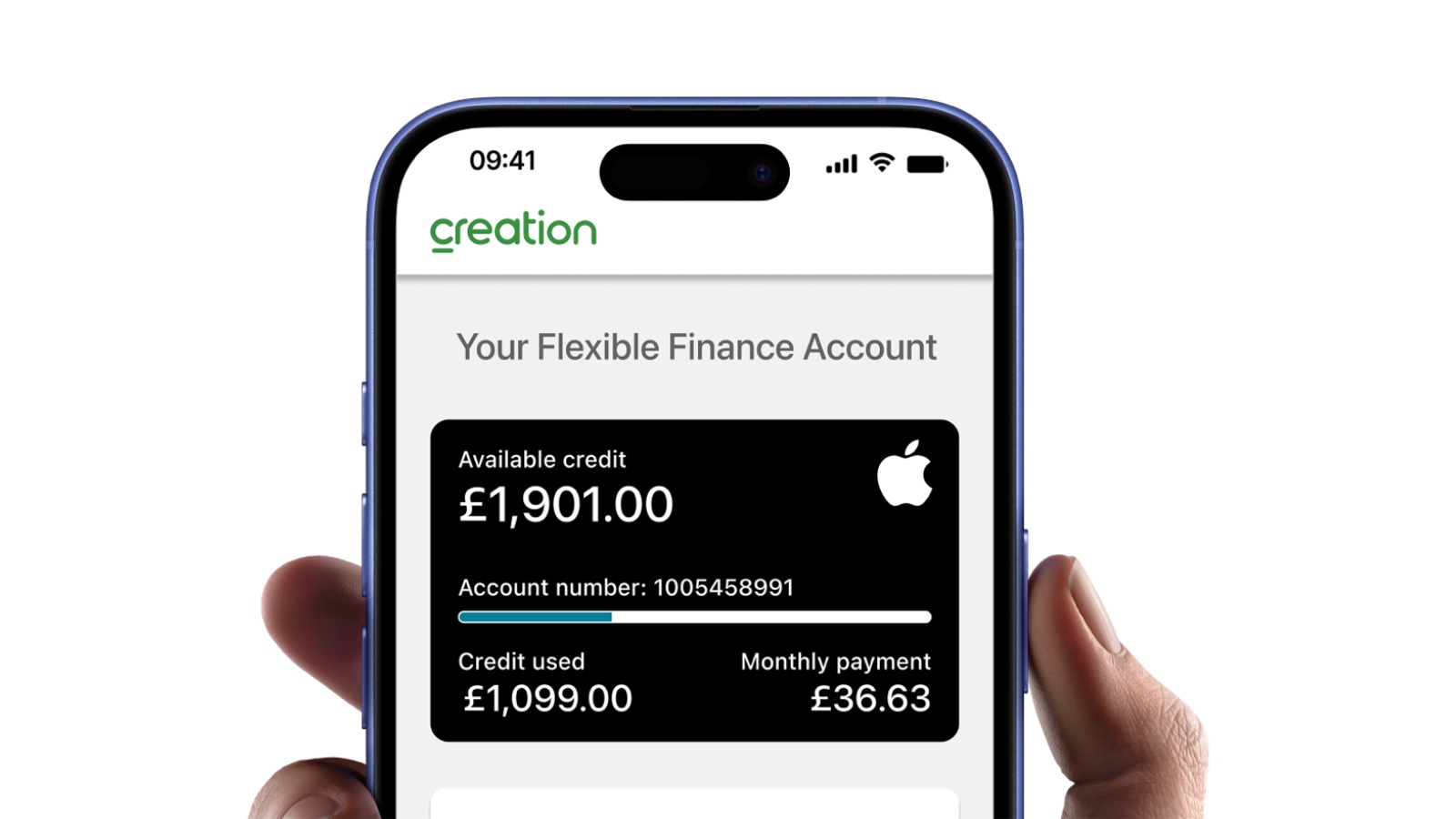
The End of an Era: Apple's iPhone Upgrade Program in the UK Comes to a Close
For years, the iPhone Upgrade Program (IUP) offered a straightforward path for UK customers to stay on the cutting edge of Apple's technology. It was a beloved scheme that combined device ownership with comprehensive insurance and a guaranteed upgrade path. Now, with its discontinuation, Apple is ushering in a new approach to financing its coveted devices in the British market. This decision appears to stem from the conclusion of Apple's partnership with Barclays bank, which was the backbone of the IUP in the UK.
The official word from Apple’s iPhone Upgrade Program webpage in the country clearly states:
The iPhone Upgrade Program is coming to an end, but we think you'll love what's next.
You don't need to do anything right now, just keep making your remaining payments. When it's time for your next iPhone, the Flexible Finance Account will offer you a new, more flexible way to upgrade.
This statement offers reassurance to current participants while hinting at a future that promises even greater flexibility. But what exactly does this mean for consumers, and how will the new system compare to the program many have come to rely on?
Understanding the iPhone Upgrade Program: A Look Back at What Was
To truly grasp the significance of this change, it's important to understand what the iPhone Upgrade Program offered. Launched as a revolutionary way to own an iPhone, it was more than just a payment plan; it was an all-encompassing service designed for the discerning Apple customer. The program allowed users to get a new iPhone annually, ensuring they always had access to the latest model with the newest features and improvements. This was a huge draw for tech enthusiasts and anyone who wanted to avoid being left behind as technology advanced.
Key Features of the iPhone Upgrade Program:
- Annual Upgrades: The core appeal was the ability to upgrade to the latest iPhone model every year. After making 11 or 12 monthly payments, customers could trade in their current device for the newest iteration, provided the old device was in good condition. This cycle of continuous upgrades fostered a sense of always being up-to-date with Apple's innovations.
- AppleCare+ Included: A major benefit of the program was the automatic inclusion of AppleCare+. This comprehensive insurance package covered accidental damage, technical support, and battery service, offering invaluable peace of mind. For many, the cost of AppleCare+ alone made the IUP a compelling offer, as it was seamlessly integrated into the monthly payment.
- 0% APR Financing: The program typically offered a 0% Annual Percentage Rate (APR) on a 20 or 24-month loan. This meant customers weren't paying extra interest on their device, making it a financially attractive option compared to many other financing methods. The clarity of a fixed monthly payment, often with an upfront contribution, made budgeting straightforward.
- Direct from Apple: Customers enrolled in the program purchased their iPhones directly from Apple, often unlocked. This gave them the freedom to choose any network carrier they preferred, unlike many traditional carrier contracts that tie users to specific networks for the duration of their agreement.
The IUP was perfect for early adopters, those who valued predictable costs, and anyone who simply wanted the latest iPhone without the hassle of selling their old device or managing separate insurance policies. It created a loyal base of customers who appreciated the convenience and comprehensive nature of the program. The partnership with Barclays bank provided the underlying financial framework, allowing Apple to offer these attractive terms to its UK clientele.
The Shift Away from Barclays: Why the Change?
The discontinuation of the iPhone Upgrade Program in the UK is directly linked to the termination of Apple's partnership with Barclays bank. While the exact reasons for this parting of ways are not publicly detailed, such decisions in large-scale financial partnerships can stem from a variety of factors:
- Strategic Realignment: Both Apple and Barclays are massive global entities with evolving strategic priorities. It's possible that the terms of the partnership no longer aligned with the long-term goals of one or both companies. Apple might be looking for more flexible or broader financing solutions, while Barclays might be shifting its focus in consumer lending.
- Financial Terms and Conditions: The underlying economics of the program might have changed. With market interest rates fluctuating, the cost of capital for a 0% APR program could become less attractive for the lending partner, or Apple might have sought better terms.
- Operational Efficiencies: Over time, operational complexities or desired improvements in customer experience could necessitate a change in partners. Integrating new technologies or streamlining processes might have been a driver.
- Regulatory Landscape: The financial regulatory environment in the United Kingdom is dynamic. Changes in consumer credit regulations or compliance requirements might have influenced the viability or structure of the existing program.
Regardless of the specific catalyst, the end of the Barclays partnership has paved the way for Apple to redefine its financing offerings in the UK. This means that existing IUP customers don't need to worry about immediate disruption to their current agreements; they simply continue making their remaining payments under the original terms. However, for future upgrades, a new system will be in place.
Introducing the Flexible Finance Account with Creation
To fill the void left by the iPhone Upgrade Program, Apple has introduced the "Flexible Finance Account" in partnership with Creation. This new offering represents a distinct evolution in Apple's approach to financing, aiming to provide customers with greater choice and adaptability.
The Flexible Finance Account provided by Creation is a line of credit that lets you spread the cost of your next Apple device, and it's available exclusively at the Apple Store. The good news is, it gives you even more options when it's time for the latest iPhone. Whether applying in-store or online, choose a plan that works for you and get ready to upgrade.
What is the Flexible Finance Account?
- Line of Credit: Unlike the IUP, which was a specific loan for a specific device, the Flexible Finance Account operates as a line of credit. This means that once approved for a certain credit limit, customers can use that credit to purchase various Apple devices over time, as long as they stay within their approved limit and manage their repayments. This offers a level of ongoing flexibility that a single device loan does not.
- Partnership with Creation: Creation is a well-established financial services provider in the UK, specializing in consumer credit products. Their expertise in managing lines of credit and consumer finance allows Apple to offer a robust and reliable financing solution. This new partnership diversifies Apple's financial backing in the UK.
- Spread the Cost: The primary benefit remains the ability to spread the cost of an expensive Apple device into manageable monthly payments. This makes premium technology more accessible to a wider range of customers by alleviating the burden of a large upfront payment.
- Exclusively at Apple Store: The account is highlighted as being available exclusively at the Apple Store, suggesting a direct relationship between the customer, Apple, and Creation. This could mean a streamlined application and purchase process designed for the Apple retail and online experience.
- More Options for Upgrade: The promise of "even more options when it's time for the latest iPhone" is key. While the IUP dictated a specific annual upgrade cycle, a line of credit could theoretically allow customers more control over when they upgrade, perhaps not being strictly tied to a 12-month cycle, or allowing them to finance accessories alongside their main device.
- Trade-In Integration: When a new iPhone is released, users can still trade in their old device. The value of this trade-in can then be used to reduce the outstanding balance on their Flexible Finance Account or serve as a down payment for their next purchase, making the upgrade process financially smoother.
This new program reflects a broader trend towards flexible, ongoing credit solutions rather than single-purpose loans. It could empower customers to manage their Apple ecosystem purchases more holistically, from an iPhone to an iPad, Mac, or even accessories, all under one financing umbrella.
iPhone Upgrade Program vs. Flexible Finance Account: A Detailed Comparison
While both programs aim to make owning the latest Apple technology more accessible, their underlying structures and customer benefits differ significantly. Understanding these distinctions is crucial for UK consumers deciding on their next iPhone purchase.
Structure and Core Offering:
- iPhone Upgrade Program: This was essentially a 0% APR installment loan specifically tied to a single iPhone. It was designed with a clear, annual upgrade path in mind, bundling the device cost with AppleCare+. It was a product-specific financing solution.
- Flexible Finance Account: This is a line of credit. Think of it like a credit card, but specifically for Apple purchases. Once you're approved for a certain credit limit, you can use that credit for various Apple products over time. It's a more general financing tool, offering ongoing access to funds rather than a one-time loan.
Upgrade Cycle and Flexibility:
- iPhone Upgrade Program: The program was very prescriptive. After 11 or 12 payments, you were eligible to upgrade by trading in your old device. This annual cycle was a major draw for those who wanted a predictable upgrade path.
- Flexible Finance Account: This is where the "flexible" aspect comes in. While you can still trade in your old device to help pay off your balance and get a new one, the timing of your upgrade isn't strictly dictated by the financing program itself. You might choose to upgrade every year, every two years, or whenever suits you, as long as you manage your credit line. This gives you more control over your upgrade frequency and budget.
AppleCare+ and Insurance:
- iPhone Upgrade Program: AppleCare+ was an integral part of the IUP, automatically included in the monthly payment. This was a significant value proposition, as it provided comprehensive insurance and extended warranty for the device.
- Flexible Finance Account: AppleCare+ is not automatically bundled with the Flexible Finance Account. Customers will need to purchase AppleCare+ separately if they desire this coverage. This adds an extra decision point and potentially a separate cost for those who value device protection.
Financial Terms:
- iPhone Upgrade Program: Famously offered 0% APR, making it a highly attractive option from a cost perspective. Customers knew exactly how much they were paying without hidden interest.
- Flexible Finance Account: As a line of credit, the Flexible Finance Account will likely have an associated APR, similar to other credit products. While Apple often offers promotional 0% interest periods for specific purchases (e.g., 24 months interest-free on new iPhones), the standard APR of the line of credit would apply after any promotional period. Customers will need to carefully review the terms and conditions, including the interest rate, to understand the true cost of their financing.
Application Process:
- Both: Customers could apply (and still can for the Flexible Finance Account) either in-store or online, providing convenience and accessibility.
In essence, the iPhone Upgrade Program was a structured, all-inclusive subscription-like service for iPhones. The Flexible Finance Account, on the other hand, is a more versatile financial tool that provides credit for Apple purchases, offering greater personal control but requiring customers to manage aspects like insurance and upgrade timing themselves. For customers who appreciated the simplicity and bundled nature of the IUP, the Flexible Finance Account will require a slightly different approach to planning their Apple purchases.
The Broader Shift: Apple's UK Financing Landscape
The changes extend beyond just the iPhone Upgrade Program. The partnerships with Creation and PayPal Credit now fully replace Barclays Bank for general Apple device financing across the United Kingdom. This is a significant restructuring of Apple's financial services backbone in the region.
Creation and PayPal Credit are now the go-to options for customers looking to spread the cost of any Apple product, not just iPhones. This means whether you're buying a new MacBook, an iPad, an Apple Watch, or even a pair of AirPods, these financial partners will facilitate the payment plans.
Implications of this Broader Shift:
- Diversification of Partners: Apple is moving away from relying on a single major bank for all its consumer financing. By partnering with Creation (for the Flexible Finance Account) and PayPal Credit (for broader financing), Apple diversifies its options, potentially increasing resilience and offering different types of financial products to cater to a wider range of customer needs.
- Accessibility and Choice: PayPal Credit is a widely recognized and used online payment solution, offering flexible credit options to millions of users. Integrating PayPal Credit alongside Creation provides customers with established and familiar financing avenues, potentially simplifying the application process for those already with PayPal accounts.
- Streamlined Experience: By consolidating financing options, Apple aims to provide a more consistent and streamlined experience for all device purchases. Whether a customer is looking for a line of credit for frequent upgrades or a one-off payment plan for a larger purchase like a Mac, the new partners will support these needs.
This strategic move suggests Apple's commitment to offering robust financing solutions to its UK customer base, ensuring that the affordability of its premium products remains a key focus, even as the specific mechanisms evolve.
The Enduring Value of Trade-Ins
One aspect that remains consistent across both the discontinued iPhone Upgrade Program and the new Flexible Finance Account is the crucial role of the trade-in option. Apple's trade-in program is a cornerstone of its upgrade strategy, offering multifaceted benefits for both the company and the consumer.
Why Trade-Ins are Important:
- Environmental Responsibility: Apple emphasizes sustainability. Trade-ins allow the company to refurbish devices for resale, harvest components for recycling, or responsibly dispose of materials. This reduces electronic waste and supports a circular economy model.
- Customer Affordability: For consumers, trading in an old device significantly reduces the cost of a new one. The trade-in value acts as a credit or down payment, making annual or biennial upgrades more financially viable and psychologically appealing. It effectively lowers the barrier to entry for the latest technology.
- Customer Retention and Loyalty: By offering a clear path to upgrade through trade-ins, Apple encourages customers to stay within its ecosystem. It makes the decision to upgrade to another iPhone easier than switching to a competitor, fostering brand loyalty.
- Market Penetration: Refurbished devices from trade-ins can be sold at lower price points in developing markets or to budget-conscious consumers, expanding Apple's overall market reach.
Under the new Flexible Finance Account, the trade-in process remains a vital part of the upgrade path. When it's time for a new iPhone, customers can still bring in their old device. The value determined by Apple for the trade-in can then be applied directly to their Flexible Finance Account. This credit can reduce their outstanding balance, effectively lowering their future monthly payments, or it can be used as a significant contribution towards the purchase of their next device, making that upgrade feel more attainable.
This continuity of the trade-in program ensures that despite the changes in financing structures, the core mechanism for making regular upgrades affordable for loyal customers remains firmly in place.
A Global Perspective: The iPhone Upgrade Program Elsewhere
It's important to note that the discontinuation of the iPhone Upgrade Program is specific to the United Kingdom. The program continues to be available in other countries, most notably the United States, where it remains a popular choice for iPhone enthusiasts.
Why the UK Might Be Different:
- Market Dynamics: The UK smartphone market might have different characteristics compared to, say, the US. This could include varying consumer preferences for financing, competitive pressures from network carriers, or the maturity of the contract market.
- Regulatory Environment: Financial regulations can differ significantly between countries. The UK's financial services authority (FCA) has specific rules governing consumer credit, which might have influenced the feasibility or attractiveness of the IUP's specific structure for Apple and its banking partners.
- Banking Relationships: As highlighted, the change in the UK is tied to the end of the Barclays partnership. Other countries where the IUP exists likely have different banking partners, and those relationships may still be robust and mutually beneficial.
- Strategic Pilot: It's also possible that the UK serves as a testbed for new financing models. If the Flexible Finance Account proves successful and offers advantages for both Apple and its customers, a similar model could potentially be rolled out in other regions in the future.
For customers outside the UK, the status quo remains, and they can continue to enjoy the benefits of the iPhone Upgrade Program. However, the UK's shift provides an interesting case study for how Apple adapts its retail and financial strategies to different global markets.
What This Means for You: Guidance for UK Customers
This change impacts different segments of Apple's UK customer base in various ways. Here’s what you need to know:
For Existing iPhone Upgrade Program Customers:
- No Immediate Action Required: As Apple's statement confirms, you don't need to do anything right now. Your existing agreement with Barclays Bank (or the new servicer if it has transferred) will continue as planned. Keep making your scheduled payments.
- Future Upgrades: When your current IUP term concludes and you're eligible for an upgrade, you will then transition to using the new Flexible Finance Account provided by Creation for your next iPhone. It's advisable to familiarize yourself with the terms of the Flexible Finance Account before your upgrade window opens.
- Trade-In Process: The trade-in process for your existing IUP device will likely remain the same at the point of upgrade, with the value being applied to your new financing through the Flexible Finance Account.
For New or Prospective iPhone Buyers in the UK:
- Flexible Finance Account is the New Standard: If you were planning to join an annual upgrade program directly from Apple, the Flexible Finance Account through Creation is now the primary option.
- Understand the Terms: As a line of credit, it's crucial to understand the APR, minimum payment requirements, and any promotional interest-free periods that might apply. Always read the fine print.
- Consider AppleCare+ Separately: Remember that AppleCare+ is not automatically bundled. Factor in the cost of separate insurance if you want comprehensive protection for your new device.
- Explore Alternatives: While Apple's own financing is attractive, always compare it with other options:
- Carrier Contracts: Mobile network operators in the UK offer various contracts that bundle the device cost with airtime, sometimes with enticing upgrade options.
- Third-Party Retailers: Other electronics retailers often have their own financing schemes or partnerships.
- SIM-Free + Separate Loan: You can purchase a SIM-free iPhone directly from Apple or another retailer and arrange a personal loan from your bank or a credit union. This gives you full ownership from day one and choice over your network.
- PayPal Credit: For general Apple purchases, PayPal Credit is another significant partner that offers flexible payment solutions.
The key takeaway is that financing options are still abundant, but the specifics have changed. Informed decision-making and careful comparison will ensure you choose the best path for your next iPhone.
Looking Ahead: The Future of Apple Device Financing
The changes in the United Kingdom reflect a broader trend in how consumers acquire and pay for technology. Apple, like many tech giants, is increasingly moving towards models that prioritize flexibility, recurring revenue, and deeper integration into its ecosystem. The Flexible Finance Account with Creation aligns with several strategic directions:
- Subscription-like Services: While not a direct subscription to a device, the line of credit model allows customers to continuously access new products with regular payments, mimicking a subscription experience. Apple is increasingly investing in services revenue, and predictable payment streams from financing contribute to that.
- Customer Lifetime Value: By offering versatile financing, Apple aims to keep customers within its ecosystem for longer, encouraging upgrades and additional purchases across its product lines. A flexible credit line makes it easier for a customer to upgrade their iPhone, then perhaps finance a new iPad or Apple Watch, all through the same account.
- Data and Personalization: Financial partnerships allow Apple to gain insights into customer purchasing habits (in aggregate, respecting privacy), which can inform future product development and service offerings.
- Global Adaptability: As seen with the UK example, Apple needs to be adaptable to local market conditions, regulatory frameworks, and banking landscapes. Having diversified financial partners and flexible product offerings allows for easier customization across different regions.
This shift could potentially pave the way for even more innovative financing solutions from Apple in the future. We might see further integration of services, perhaps new bundled offerings that combine hardware, software, and financing in novel ways. The goal, ultimately, is to make the latest technology as accessible and appealing as possible to maintain Apple's strong market position and cultivate enduring customer loyalty.
Conclusion: A New Chapter for Apple Financing in the UK
The discontinuation of the iPhone Upgrade Program in the United Kingdom marks a significant pivot in Apple’s financing strategy. While many will miss the straightforward, all-inclusive nature of the IUP, the introduction of the Flexible Finance Account with Creation signals a move towards greater flexibility and broader financial options for UK consumers. This change, spurred by the conclusion of the partnership with Barclays Bank, reflects the dynamic nature of both the tech industry and the financial services sector.
For existing IUP customers, their current agreements remain intact, offering a smooth transition. For new customers, the Flexible Finance Account provides a robust line of credit, allowing them to spread the cost of their Apple devices and offering more control over their upgrade cycles. Coupled with the continued importance of trade-ins and the expanded financing options through PayPal Credit, Apple remains committed to making its premium products accessible across the UK market.
As Apple continues to innovate not just in technology but also in how customers acquire that technology, the UK's new financing landscape sets the stage for a future where adaptability and customer choice are at the forefront. This evolution ensures that the path to owning the latest iPhone and other Apple devices remains clear, albeit through a slightly different, and perhaps more flexible, route.
This article, "Apple Ends iPhone Upgrade Program in the UK" first appeared on MacRumors.com
Discuss this article in our forums
from MacRumors
-via DynaSage

Post a Comment