Apple Developing Thinner Face ID for iPhone Air 2, Report Suggests
Apple's Next Big Move: Thinner Face ID and the Future of iPhone Air
Apple is constantly pushing the boundaries of technology, and a recent buzz from China's social media suggests they're working on something significant for their upcoming devices. The focus? Making Face ID, their advanced facial recognition system, much thinner. This isn't just a minor tweak; it's a strategic move that could pave the way for exciting new features, especially for the much-talked-about iPhone Air.
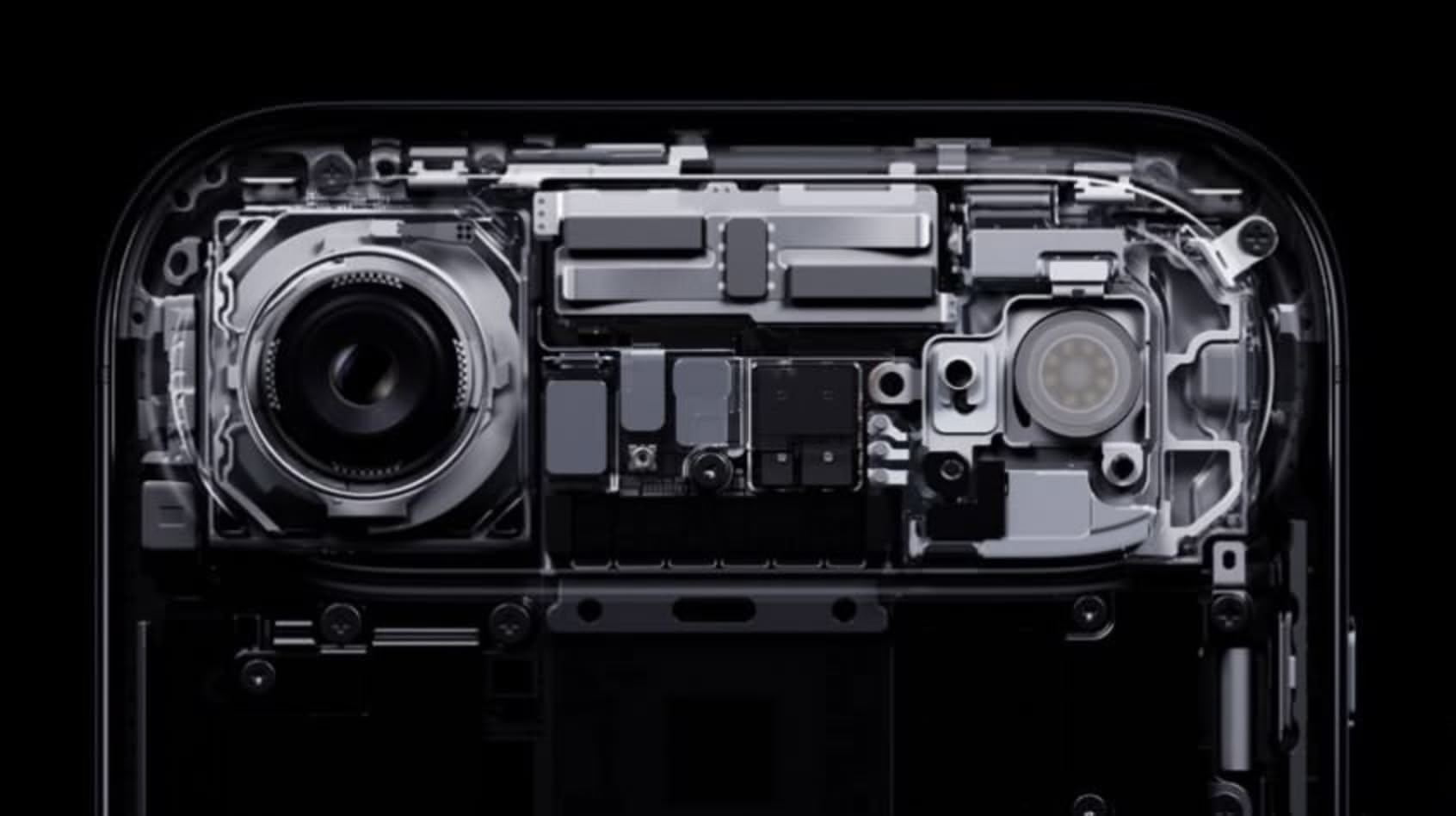
Unpacking the Rumor: A Thinner Face ID for iPhone Air
A prominent leaker known as Instant Digital on China's Weibo platform has revealed that Apple has asked its suppliers to create an "ultra-thin" Face ID component. This request isn't made in a vacuum; it's directly tied to the development of the iPhone Air. The primary goal of this miniaturization is to free up valuable internal space within the device. In the world of smartphones, every millimeter counts, and reducing the footprint of a key component like Face ID can unlock a host of new possibilities.
The Driving Force: Accommodating a Second Camera
So, why is Apple so keen on making Face ID slimmer? The answer lies in enhancing the iPhone Air's camera capabilities. The current plan, according to these leaks, is to integrate an ultra wide-angle lens alongside the existing main camera. This means the iPhone Air would move from a single main lens setup to a dual-lens system, offering users more versatility and improved photography options. For Apple, this is a direct response to feedback from its user base.
Addressing User Concerns: The iPhone Air's Design Compromises
The iPhone Air, while praised for its sleek and innovative design, has faced criticism regarding certain hardware compromises, especially considering its premium $999 price tag. Users have voiced concerns that the pursuit of an ultra-thin and lightweight design might have come at the expense of functionality or features typically expected in a high-end iPhone. Adding a second camera, particularly an ultra wide-angle lens, is seen as a crucial step to address these complaints and provide a more comprehensive user experience.
The Delicate Balance: Space, Battery, and Features
The internal design of the iPhone Air is a testament to Apple's engineering prowess, with multiple technologies packed into its distinctive "plateau" – the area typically housing the TrueDepth camera system and other sensors. This design choice was made to maximize space for the battery, ensuring the device could maintain its slim profile without sacrificing battery life. Introducing another camera, however, means Apple would need to significantly redesign the internal layout. This is where the ultra-thin Face ID module becomes critical. By shrinking Face ID, Apple can create the necessary room for the additional camera without compromising battery size or the device's overall thinness.
Chinese leaker Digital Chat Station, in November, corroborated these insights, stating that Apple's focus for the 2026 iPhone Air (likely the second generation) is on making the device incredibly thin and lightweight while still managing to integrate new features like a dual-lens camera system. This claim was further supported by a report from The Information, which confirmed that a second camera for the device was indeed in development.
The Evolution of Biometric Security: Face ID vs. Touch ID
Apple has been a leader in biometric security, offering both Touch ID (fingerprint scanning) and Face ID (facial recognition). Both systems provide robust security, but they cater to different design philosophies and user preferences. The decision to use one over the other often comes down to engineering constraints and the specific form factor of the device.
Foldable iPhone: A Case for Touch ID
Interestingly, for its rumored upcoming foldable iPhone, expected later this year, Apple has reportedly opted to integrate Touch ID into the side button. This decision, much like the Face ID miniaturization for the iPhone Air, is driven by the desire to make the foldable device as slim as possible. Foldable phones present unique engineering challenges, and integrating a full TrueDepth camera system for Face ID in a hinge-based design can be complex and add unwanted bulk. By using Touch ID, Apple can maintain a sleek design, demonstrating that the choice of biometric authentication is often a strategic one, tailored to the specific product's design goals.
However, if Apple successfully develops an "ultra-thin" TrueDepth camera system, it could potentially find its way into future foldable iPhone models, allowing them to switch over to facial authentication while maintaining their slimness. This highlights Apple's continuous effort to innovate and overcome design limitations.
Beyond the iPhone: Face ID for Mac?
The idea of an ultra-thin Face ID module naturally leads to speculation about its potential application beyond the iPhone. Today's leaker, Instant Digital, muses that such a compact Face ID system could eventually make its way into a MacBook. While intriguing, it's important to note that there are currently no active rumors or concrete evidence to suggest Apple is actively working on bringing Face ID to the Mac lineup in the immediate future.
Past Attempts and Technical Hurdles
This isn't the first time the idea of Face ID on a Mac has been floated. In 2022, Bloomberg's Mark Gurman reported that Apple had tested Face ID for the iMac. However, the technology required to embed the complex authentication hardware into the incredibly thin display of a notebook simply wasn't available at the time. MacBook displays are designed for extreme thinness, and the existing TrueDepth camera system for Face ID, even in its current iPhone form, is too bulky to integrate seamlessly without significantly increasing the display's thickness or creating a noticeable notch.
Around the same period, a marketing employee for Apple weighed in on the discussion, arguing that Touch ID (which is integrated into the power button of many MacBooks) is often more convenient for Mac users because their hands are typically already near the keyboard and trackpad. This perspective suggests that while Face ID is a powerful technology, its implementation needs to consider user experience within a different ecosystem. Of course, this doesn't rule out the possibility of Apple adding Face ID to a Mac in the future, especially if the technology can be miniaturized to an unprecedented degree and integrated without compromising the sleek design language of the Mac.
The Significance of Miniaturization in Tech
The pursuit of a thinner Face ID module underscores a fundamental trend in consumer electronics: miniaturization. In an increasingly mobile world, smaller, lighter, and more powerful devices are always in demand. For Apple, a company renowned for its industrial design and meticulous engineering, reducing the size of components like Face ID is paramount to achieving its ambitious design goals. Each reduction in component size frees up precious internal volume, which can then be allocated to other critical components like larger batteries, advanced camera sensors, or improved cooling systems, all while maintaining or even reducing the device's overall thickness and weight.
The TrueDepth Camera System: A Marvel of Engineering
Face ID isn't just a simple camera; it's powered by Apple's TrueDepth camera system, a sophisticated array of sensors that work together to create a detailed 3D map of the user's face. This system includes an infrared camera, a flood illuminator (to shine infrared light onto the face), a dot projector (to project thousands of invisible infrared dots), and a proximity sensor. Each of these components needs to be precisely aligned and calibrated to ensure accuracy and security. Shrinking this entire complex system without compromising its performance is a significant engineering challenge, requiring advancements in sensor technology, optical components, and integrated circuit design.
What This Means for the Future of iPhone Air (and Beyond)
The latest claim about a thinner Face ID module doesn't point to any imminent product changes for existing iPhone models. The second-generation iPhone Air, the primary beneficiary of this development, is not expected until next year. However, this report is incredibly telling. It strongly suggests that Apple is actively and intensely reassessing how its Face ID hardware is designed, manufactured, and integrated into its devices. This isn't just about making a single component smaller; it's about re-imagining the possibilities that open up when a core technology becomes less demanding of physical space.
Potential Benefits for Users
For users, the implications of these developments are exciting:
- Enhanced Photography: The immediate benefit for the iPhone Air will be a more versatile camera system with the addition of an ultra wide-angle lens, allowing for more creative and comprehensive photo and video capture.
- Improved Aesthetics: If Face ID can be made significantly thinner, it could potentially lead to even smaller notches or more discreet TrueDepth sensor arrays in future devices, further refining the full-screen experience.
- Thinner, Lighter Devices: While the iPhone Air is already focused on thinness, miniaturization of internal components can enable even thinner or lighter designs for other future Apple products without sacrificing battery life or performance.
- New Form Factors: An ultra-thin Face ID could unlock possibilities for entirely new device form factors, such as slimer foldable iPhones or even Macs with integrated facial recognition without compromising display thickness.
- Increased Battery Life: If space is saved by shrinking Face ID, that space could theoretically be used for a slightly larger battery, leading to improved endurance.
Conclusion: Watching the Space
Apple's dedication to innovation, even in seemingly minor component adjustments, highlights its long-term vision for its product ecosystem. The development of an ultra-thin Face ID module for the second-generation iPhone Air is more than just a specification bump; it represents a significant step in overcoming engineering hurdles to deliver a more feature-rich and user-friendly experience. As these rumors continue to unfold, the tech world will be keenly watching this space to see how Apple integrates these advancements into its future devices, further shaping the landscape of personal technology.
This article, "Apple Developing Thinner Face ID for iPhone Air 2, Report Suggests" first appeared on MacRumors.com
Discuss this article in our forums
from MacRumors
-via DynaSage

Post a Comment