200MP iPhone Camera Not Yet in Active Prototype Testing, Says Leaker
The 200-Megapixel iPhone Camera: Fact or Far-Off Future? Unpacking the Latest Rumors
The world of smartphone photography is constantly evolving, with manufacturers pushing the boundaries of what these pocket-sized devices can achieve. One of the hottest topics that often sparks debate and speculation is the megapixel count of a camera sensor. For years, Apple has taken a distinct path, often opting for fewer megapixels compared to some competitors, focusing instead on overall image quality, software optimization, and user experience.
However, recent whispers from the tech supply chain have ignited excitement among iPhone enthusiasts: could Apple be preparing to embrace a massive 200-megapixel camera for a future iPhone? This would be a significant leap from the current 48-megapixel sensors found in the latest Pro models. Such a move would undoubtedly send shockwaves through the industry and potentially redefine what we expect from iPhone photography.
But before we get too carried away with visions of hyper-detailed iPhone photos, a prominent and generally reliable supply chain leaker suggests that while the idea of a 200-megapixel sensor is certainly being discussed, it's not currently part of Apple's active prototype testing for an upcoming iPhone. This means that if it happens, it's likely still quite a ways off.
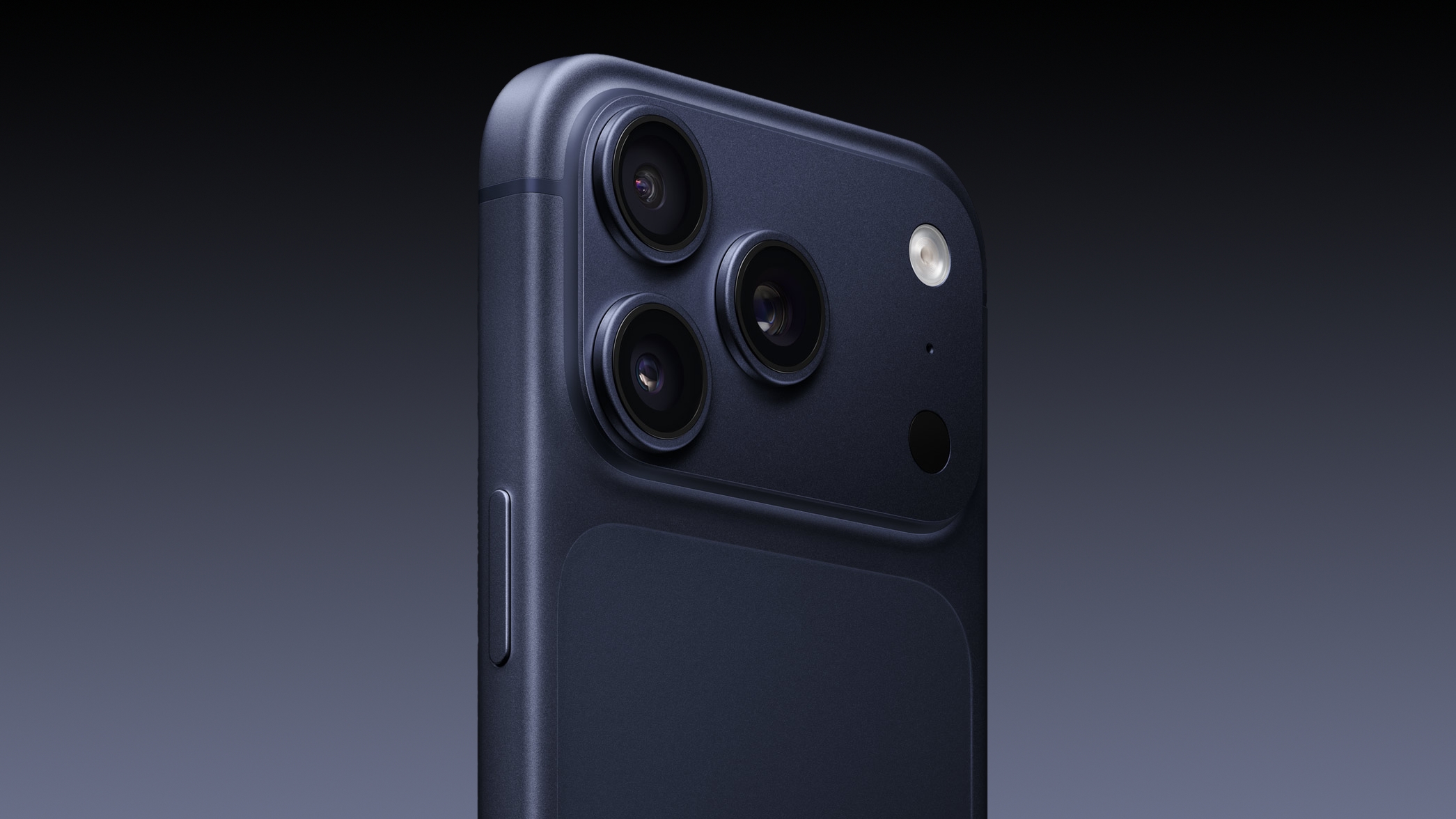
What the Leaker Says: Not Yet in Active Testing
The information comes from a well-known Chinese leaker, Digital Chat Station, who shared insights in a post on Weibo. According to Digital Chat Station, discussions about 200-megapixel camera sensors are indeed happening within the various companies that supply components to smartphone makers. This isn't surprising, as component manufacturers are always looking ahead and developing new technologies that they can offer to major clients like Apple.
However, the crucial detail from Digital Chat Station is that these advanced sensors have not yet appeared in actual iPhone engineering prototypes. What does "engineering prototypes" mean in this context? It refers to early versions of a device where new hardware components are integrated and tested in real-world scenarios. This stage involves rigorous trials to evaluate performance, compatibility, power consumption, and overall user experience. If a component isn't in this stage, it means it's still very much on the drawing board or in preliminary evaluation, far from being a confirmed feature for an upcoming product.
Instead, the leaker indicates that Apple's current camera development efforts are primarily focused on refining its existing 48-megapixel systems. This aligns with previous reports and Apple's historical approach of perfecting current technologies before making dramatic, headline-grabbing jumps in specifications. It suggests an iterative improvement strategy rather than a revolutionary overhaul in the immediate future.
Reconciling the Rumors: A Glimpse into the Future, Not the Present
Digital Chat Station's comments follow a research note published earlier this week by Morgan Stanley, a prominent financial services firm. Morgan Stanley's analysis had suggested that Apple could be working towards incorporating a 200-megapixel camera into the iPhone as early as 2028. This seemingly contradictory information might cause some confusion, but it's important to understand the different stages of product development and rumor cycles.
Digital Chat Station's remarks don't necessarily rule out Morgan Stanley's projection. In fact, the leaker himself mentioned last May that Apple was exploring the future adoption of such high-resolution sensors. The key difference lies in the timeline and the stage of development. Morgan Stanley's prediction looks several years into the future, a timeframe where concept discussions and early evaluations could indeed lead to active prototyping later on. Digital Chat Station, on the other hand, is reporting on the *current* state of active engineering development.
What this means for us as consumers and tech enthusiasts is that while a 200-megapixel iPhone camera might be a long-term goal for Apple, the engineering-stage development – where the rubber meets the road and actual hardware is tested – has yet to begin. This implies that we shouldn't expect such a sensor in the iPhone 16, 17, or even potentially the iPhone 18 series.
The Megapixel Race: What Does 200MP Really Mean?
To truly understand the significance of a 200-megapixel camera, it's helpful to first grasp what megapixels represent. A megapixel is simply a million pixels. So, a 200-megapixel camera can capture an image composed of 200 million individual pixels. More pixels generally mean more detail and the ability to capture finer textures and subtle nuances in a scene.
Manufacturers like Samsung have already taken the leap into the 200-megapixel territory. The Samsung Galaxy S23 Ultra, released in 2023, and its successor models prominently feature a 200-megapixel rear camera. This provides a tangible example of what such a sensor can deliver. With a 200-megapixel camera, an iPhone would theoretically be capable of shooting photos with significantly greater detail, allowing users to zoom in extensively on captured images without them quickly becoming blurry or pixelated.
The increased megapixel count would also result in higher-resolution photos. This has several practical benefits. For instance, high-resolution photos can be cropped much further than lower-resolution ones without a noticeable loss of image quality. This flexibility gives photographers more creative control in post-processing, allowing them to extract different compositions from a single shot. Furthermore, these high-resolution images can be printed at much larger sizes, such as posters or wall art, while maintaining sharpness and clarity, a crucial advantage for those who enjoy physical prints of their photography.
However, it's also important to remember that megapixel count is just one factor in overall image quality. A camera's sensor size, lens quality, image processing software, and pixel size (how much light each individual pixel can gather) all play equally, if not more, critical roles. A small sensor with a huge megapixel count might struggle in low-light conditions because its individual pixels are too tiny to gather enough light, leading to noisy images despite the high resolution.
Apple's Current Focus: Refining 48MP and Optical Flexibility
Instead of jumping to a higher megapixel count for its main sensor in the near term, Digital Chat Station indicates that current iPhone Pro-series prototypes are focused on refining and enhancing the existing 48-megapixel main camera system. This refinement isn't just about software tweaks; it involves significant hardware innovations.
One of the most exciting potential additions mentioned is a variable aperture for the main 48-megapixel camera. In traditional photography, aperture refers to the opening in the lens that controls the amount of light reaching the sensor and also influences the depth of field (how much of the image is in focus). Most smartphone cameras have a fixed aperture, meaning it can't be adjusted. A variable aperture would allow the iPhone camera to change its opening size, offering several advantages:
- Improved Low-Light Performance: A wider aperture (smaller f-number) can let in more light, which is crucial for capturing brighter and clearer photos in dim conditions.
- Greater Depth of Field Control: A narrower aperture (larger f-number) can keep more of the scene in focus, which is ideal for landscapes, while a wider aperture can create a shallow depth of field, blurring the background for stunning portrait-style shots with subject isolation.
- Better Exposure Control: The ability to adjust the aperture provides more flexibility in managing exposure, helping to prevent overexposed highlights in bright conditions or underexposed shadows in darker scenes.
This would be a significant hardware engineering feat for a smartphone, bringing a level of photographic control traditionally found only in dedicated cameras.
Beyond the main sensor, the leaker also mentions an upgraded 48-megapixel telephoto camera. This improved telephoto lens would feature a longer focal length, meaning it could achieve higher optical zoom levels without relying on digital cropping, which often degrades image quality. Coupled with a larger aperture, this telephoto lens would also perform better in low-light situations, making zoomed-in shots clearer and less noisy even when light is scarce.
These anticipated changes underscore Apple's continued emphasis on "optical flexibility and low-light performance," rather than a simple increase in "raw resolution." This strategy aligns with Apple's philosophy of delivering a holistic camera experience where the quality of the image in various conditions, the creative possibilities, and the overall user experience take precedence. Instead of just adding more pixels, Apple seems to be focusing on making the existing pixels work smarter and allowing for greater creative control, which can often have a more profound impact on image quality than a higher megapixel count alone.
Digital Chat Station suggests these enhancements to the 48-megapixel main camera and telephoto lens will be introduced in the upcoming iPhone 18 Pro models. While specific model names and timelines from leakers are always subject to change, the direction of these improvements paints a clear picture of Apple's immediate camera strategy.
The Supply Chain Reality: From Concept to Consumer
The leaker further clarifies the current status of the 200-megapixel sensors: they are reportedly supplied by Samsung and are currently only at a "material or component evaluation stage." This detail is crucial for understanding the product development lifecycle of a complex device like an iPhone.
Product development typically involves several distinct stages:
- Concept & Feasibility (Material/Component Evaluation): This is the very beginning, where new technologies, materials, and components are identified and assessed for their potential. Engineers and product managers evaluate whether a component is technically feasible, meets quality standards, and fits within cost targets. This is where the 200MP sensors seem to be currently.
- Engineering Prototype (EP): If a component passes the initial feasibility checks, it moves into the EP stage. Here, initial hardware designs are created, and the new components are integrated into early prototypes of the device. This is where real-world imaging tests and basic functionality checks begin. This is the stage Digital Chat Station says the 200MP sensor is *not* in for iPhones.
- Design Validation Test (DVT): Following successful EP, DVT focuses on refining the design and functionality. More sophisticated prototypes are built, and extensive testing is conducted to ensure the device meets all design specifications and performance benchmarks.
- Production Validation Test (PVT): This final stage involves building pre-production units on the actual manufacturing lines. The goal is to ensure that the mass production process is robust and that the final product consistently meets quality standards.
- Mass Production & Shipping: Only after passing PVT does a device go into full-scale production and eventually ship to consumers.
The fact that 200-megapixel sensors are still in the "material or component evaluation stage" implies they are in the very early "feasibility checks" phase within the supply chain. This is a long way from being integrated into complete iPhone prototypes and undergoing real-world imaging tests, which typically happen much later in the EP stage. It reinforces the idea that while Apple is aware of and perhaps interested in this technology, it's not on the immediate roadmap for deployment.
Beyond Megapixels: The Promise of Multispectral Imaging
In addition to discussing megapixel counts and aperture systems, Digital Chat Station also shared an intriguing tidbit about Apple's broader interest in advanced imaging technologies. The leaker noted that Apple has shown interest in "multispectral imaging technology," although testing for this feature has reportedly not yet begun either.
Multispectral imaging is a fascinating field that goes beyond capturing what the human eye can see. Traditional cameras capture light in three primary colors (red, green, and blue), which combine to form the visible spectrum. Multispectral imaging, however, captures data from multiple, discrete wavelength bands across the electromagnetic spectrum, including parts of the infrared and ultraviolet spectrum that are invisible to us.
The potential applications of multispectral imaging in a consumer device like an iPhone are vast and exciting, though still largely theoretical for this context:
- Improved Material and Object Detection: By analyzing how different materials reflect and absorb light across various wavelengths, an iPhone could potentially identify substances more accurately. Imagine scanning an object and having the phone tell you its exact composition or even detect imperfections not visible to the naked eye.
- Enhanced Image Processing: This technology could provide richer data for image processing, allowing for more accurate color reproduction, better scene analysis, and potentially even the ability to "see through" certain obscured elements.
- Health and Wellness Monitoring: In a more advanced future, multispectral sensors could potentially be used for non-invasive health monitoring, detecting changes in skin composition or other bio-indicators.
- Augmented Reality (AR): Better understanding of real-world materials and surfaces could significantly enhance AR experiences, allowing virtual objects to interact more realistically with their environment.
However, the leaker explicitly states that there is "no suggestion that such features are anywhere close to shipping." This reinforces that while Apple is exploring cutting-edge technologies for the distant future, they are still very much in the research and development phase, far from being integrated into consumer products.
What This Means for Consumers and Future iPhone Cameras
For iPhone users eagerly anticipating the next big camera innovation, these latest leaks offer a balanced perspective. It's clear that Apple is not chasing the highest megapixel count for the sake of it, at least not in the immediate future. While 200-megapixel sensors are on their radar for potential long-term adoption, the focus for the next few iPhone generations appears to be on more tangible, user-centric improvements to the existing 48-megapixel system.
Instead of a raw resolution leap, consumers can likely look forward to:
- More Versatile Photography: The introduction of a variable aperture would grant users unprecedented creative control over depth of field and exposure in a smartphone camera, bringing the iPhone closer to the flexibility of a dedicated camera.
- Superior Zoom Capabilities: A more powerful 48-megapixel telephoto lens with a longer focal length and larger aperture means clearer, brighter, and more detailed zoomed-in photos, especially in challenging lighting conditions.
- Enhanced Low-Light Performance: Improvements across the board – from refined 48MP main sensors to larger apertures on telephoto lenses – will undoubtedly lead to even better low-light photography, an area where iPhones already excel but always have room for improvement.
- Continued Computational Photography Leadership: Apple's strength has always been the seamless integration of hardware and software. As the hardware gets more sophisticated with features like variable aperture, Apple's computational photography (Deep Fusion, Photonic Engine, Smart HDR) will likely evolve to leverage these new capabilities, delivering even more impressive results without requiring users to be expert photographers.
This strategic approach highlights Apple's commitment to a holistic camera experience. Rather than simply boosting a number that might look good on a spec sheet, they appear to be concentrating on innovations that offer genuine, noticeable benefits to users in their everyday photography. The goal is to make the iPhone camera more capable, more flexible, and easier to use, ensuring that every shot taken is of the highest possible quality under various conditions.
The "Pro" experience, in particular, will continue to be differentiated by these advanced hardware features. Users who opt for the Pro models often seek the best possible tools for photography and videography, and features like variable aperture and enhanced telephoto lenses directly cater to those demands, empowering more creative and professional-grade mobile imaging.
Conclusion: Patience is a Virtue for Pixel Enthusiasts
In summary, the prospect of a 200-megapixel iPhone camera is certainly exciting and a topic of discussion within the supply chain. Companies like Morgan Stanley envision it as a real possibility in the medium to long term, perhaps by 2028. However, according to reliable leakers like Digital Chat Station, this high-resolution sensor is not yet in Apple's active prototype testing for near-future iPhone releases.
Instead, Apple's immediate camera development appears to be centered on refining its current 48-megapixel systems, with potential game-changing hardware additions like a variable aperture and a significantly improved telephoto lens. These innovations point towards an iPhone camera that prioritizes optical flexibility, superior low-light performance, and advanced computational photography, rather than just a simple boost in raw megapixel count.
For those dreaming of an iPhone with unprecedented pixel density, it seems patience will be a virtue. Apple's journey with its iPhone camera has always been about a blend of thoughtful hardware innovation and intelligent software integration. While a 200-megapixel sensor may eventually find its way into an iPhone, the path forward for the next few years seems paved with more nuanced, yet equally impactful, advancements that will continue to cement the iPhone's reputation as a leader in mobile photography.
The future of iPhone cameras will undoubtedly be a fascinating blend of these hardware breakthroughs and the ever-evolving intelligence of computational photography, ensuring that each new generation offers something truly remarkable to capture the moments that matter.
This article, "200MP iPhone Camera Not Yet in Active Prototype Testing, Says Leaker" first appeared on MacRumors.com
Discuss this article in our forums
from MacRumors
-via DynaSage

Post a Comment