iPhone Fold: Launch, Pricing, and What to Expect From Apple's Foldable
Apple's Foldable iPhone: Your Ultimate Guide to the Rumored "iPhone Fold"
For years, the tech world has been buzzing with whispers and rumors of a revolutionary new device from Apple. Now, after a long and patient wait, it seems the curtain is finally about to rise. Multiple credible sources and a growing mountain of evidence suggest that Apple is poised to launch its very first foldable iPhone, with many insiders pointing to 2026 as the year it will finally land in our hands.
This long-awaited device, which the media has already nicknamed the "iPhone Fold," represents a monumental step for Apple, potentially reshaping the smartphone landscape just as the original iPhone did nearly two decades ago. It promises to blend the portability of an iPhone with the expansive screen real estate of an iPad, creating a powerful new category of personal technology. But what will it look like? How will it work? And how much will it cost? We've gathered all the latest leaks, expert analyses, and supply chain whispers to bring you a comprehensive look at what to expect from Apple's foldable future.
A Revolutionary Design: The Best of Both Worlds
Apple isn't just making a phone that bends; it's rethinking the very form factor of a mobile device. The design choices being rumored suggest a focus on creating a seamless, premium experience that feels both familiar and futuristic.
The Book-Style Fold: An iPhone and an iPad in One
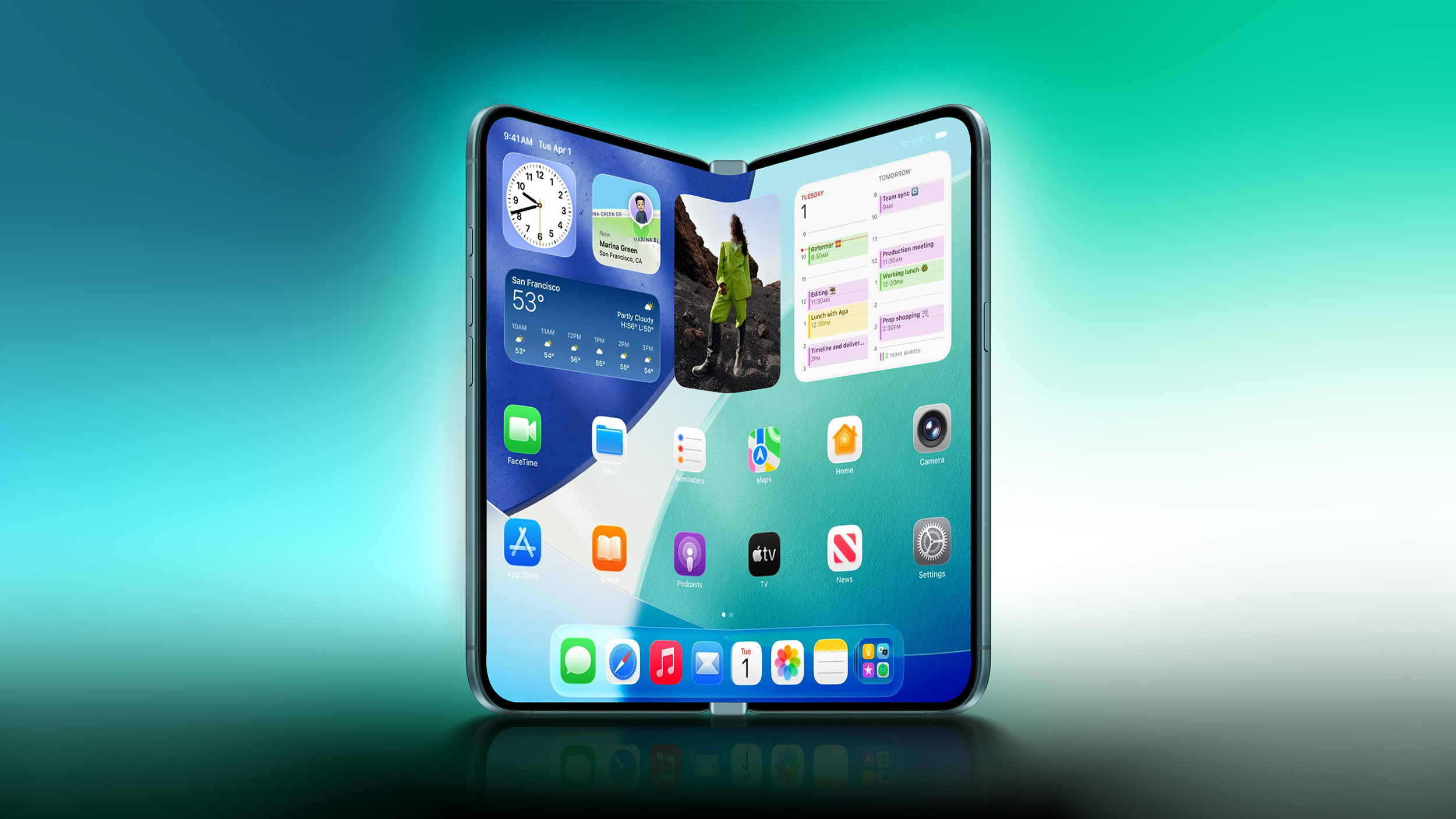
According to top sources like Bloomberg's Mark Gurman, Apple is opting for a "book-style" design. Imagine a device that looks like a sleek, modern iPhone when closed but opens horizontally, like a book, to reveal a much larger, tablet-like internal screen. This is the same approach used by Samsung's popular Galaxy Z Fold series, and it prioritizes productivity and immersive content consumption. This is different from the "clamshell" design of devices like the Samsung Galaxy Z Flip, which fold vertically into a small, compact square.
Apple is also reportedly obsessed with thinness. Esteemed industry analyst Ming-Chi Kuo suggests the foldable iPhone could measure between a remarkable 9 and 9.5 millimeters when folded shut, and an incredibly slim 4.5 to 4.8 millimeters when opened up. More recent leaks from Weibo leaker Instant Digital have also pointed to a thickness of at least 4.8mm when unfolded, reinforcing the idea that Apple is aiming to create one of the thinnest, most elegant foldables on the market. This focus on a slender profile is crucial for ensuring the device feels comfortable to hold and carry, avoiding the bulkiness that has plagued some earlier foldable models from competitors.
Dual Screens for Ultimate Versatility
The iPhone Fold is expected to feature two distinct displays. When it's closed, you'll interact with a 5.5-inch outer display. This screen is designed to function just like a standard iPhone, perfect for quickly checking notifications, making calls, or sending a text. When you need more space, you'll unfold the device to reveal a massive 7.8-inch internal screen, transforming it into a mini-tablet perfect for watching movies, browsing the web, multitasking with multiple apps, or getting serious work done.
These specific screen dimensions have been backed by two separate, reputable sources, adding significant weight to the rumors. One report even dives into the technical specifications, suggesting the inner folding display will be roughly the size of an A6 piece of paper with a crisp 2,713 x 1,920 resolution. The outer display is rumored to feature a 2,088 x 1,422 resolution, ensuring that both screens deliver the sharp, vibrant image quality Apple users have come to expect.
Engineering Marvel: The Quest for a Perfect, Crease-Free Fold
One of the biggest challenges for any foldable device is the screen itself, specifically the crease that inevitably forms where the display bends. For a company as detail-oriented as Apple, a visible crease is a significant aesthetic and functional flaw. Unsurprisingly, reports indicate Apple is pouring immense resources into creating a truly seamless display.
A 'Virtually Crease-Free' Experience
The holy grail for foldable phones is a display that looks perfectly flat when opened, and Apple may be the first to achieve it. According to Ming-Chi Kuo, the inner screen is engineered to be virtually crease-free. The secret lies in a sophisticated hinge mechanism. Apple is reportedly using a specialized metal plate underneath the flexible screen panel. This plate is designed to control and disperse the stress created during the bending motion, preventing a permanent crease from forming over time.
To further enhance durability and eliminate the crease, Apple is said to be incorporating "liquid metal" into the hinge components. As explained by the analyst, liquid metal (an amorphous metal alloy known for its high strength and elasticity) is being used to create incredibly precise and durable hinge parts. Supply chain sources cited by the Chinese site UDN are so confident in Apple's solution that they claim the company has solved "the crease problem" entirely, positioning the iPhone Fold to be the first truly crease-free foldable smartphone to hit the market. This would be a massive competitive advantage and a testament to Apple's legendary engineering prowess.
Premium and Durable Materials
A device this complex and innovative requires a chassis that is both lightweight and incredibly strong. According to Ming-Chi Kuo, the iPhone Fold will feature a titanium chassis, similar to the premium finish on the latest iPhone Pro models. The hinge itself is expected to be a marvel of engineering, constructed from a robust combination of titanium and stainless steel to ensure it can withstand hundreds of thousands of folds without issue.
The frame will likely use a special titanium alloy to prevent any bending or warping, a lesson learned and perfected with Apple's new ultra-thin iPhone Air. While Kuo points to a titanium and stainless steel mix, other analysts like Jeff Pu believe Apple might use a combination of aluminum and titanium. Whatever the final composition, the goal is clear: create a device that feels incredibly premium, is surprisingly light, and is built to last.
A Versatile Camera System for Every Scenario
Apple's iPhones are renowned for their camera quality, and the iPhone Fold is expected to continue this legacy with a flexible and powerful setup designed to adapt to its unique form factor.
Four Cameras for Unprecedented Flexibility
The foldable iPhone is expected to have a total of four cameras. This includes a dual-lens rear camera system, a front-facing camera on the outer display for when the device is closed, and another camera on the inner display for when it's open. This multi-camera setup, as reported by Kuo and later corroborated by Bloomberg's Mark Gurman, ensures you can take great photos and make video calls no matter how you're using the device.
The well-known leaker Digital Chat Station has claimed that the two rear cameras will both be powerful 48-megapixel sensors, promising stunningly detailed photos and high-resolution video. One of the most exciting rumors suggests the inner display will feature an under-screen camera (USC). This technology places the camera lens directly beneath the pixels of the display, making it completely invisible when not in use. This would allow for a truly immersive, uninterrupted, full-screen experience on the large inner display—a feature that would set it apart from many competitors. Meanwhile, the outer display is expected to have a more conventional punch-hole camera for selfies and video calls.
Performance, Connectivity, and User Experience
Beyond its innovative design, the iPhone Fold is expected to be packed with Apple's latest technology to deliver a smooth, powerful, and intuitive user experience.
The Return of Touch ID
In a surprising but practical move, Apple is expected to forgo Face ID authentication on the foldable iPhone. Instead, it will likely feature Touch ID integrated into the side button. This rumor, supported by both Kuo and Gurman, makes a lot of sense. Building Face ID's complex sensor array into such a thin device with two screens would be a major engineering challenge. A side-mounted Touch ID sensor, which Apple has already perfected on the iPad, iPad Air, and iPad mini, is a space-saving solution that provides fast and secure authentication without requiring a notch or cutout on either display.
Next-Generation Cellular Power
According to Bloomberg's Mark Gurman, the foldable iPhone will be powered by Apple's second-generation custom cellular modem, known as the C2. This continues Apple's strategic shift away from Qualcomm modems, giving the company greater control over performance, power efficiency, and integration with its hardware and software. Following the debut of the C1 modem in the iPhone 16e and the C1X in the iPhone Air, the C2 modem is expected to deliver faster 5G speeds, improved reliability, and enhanced power efficiency. Gurman also notes that the device will not have a physical SIM card slot, moving entirely to eSIM technology for a cleaner design and improved water resistance.
A Focus on All-Day Battery Life
Powering two large, high-resolution screens is a demanding task, and Apple is reportedly placing a heavy emphasis on battery life. A Korean blog with a strong track record claims that Apple is innovating on multiple fronts, slimming down internal components like the display driver to create more physical space for battery cells. The phone is also expected to use new high-density battery cells, which can store more energy in the same amount of space. Combined with the power efficiency gains from the custom C2 modem, the iPhone Fold aims to deliver the robust, all-day battery life that users expect from an Apple product.
Colors, Price, and Launch Date
With all the exciting technology packed inside, two major questions remain: What will it look like, and how much will it cost?
Classic and Elegant Color Options
For its initial launch, Apple appears to be playing it safe with colors. Mark Gurman of Bloomberg reports that the company is currently testing prototypes in classic variations of black and white. While this might seem limited, Apple often starts with neutral tones for its brand-new product categories. Gurman wisely adds that these plans could easily evolve before the device's official launch, so we may yet see more vibrant color options.
The Premium Price of Innovation
Prepare your wallet, because the iPhone Fold is expected to be the most expensive iPhone ever released. Multiple reports have placed its price tag somewhere between $2,000 and $2,500 in the United States. Other analysts from firms like UBS and Fubon Research have narrowed this down, suggesting a price between $1,800 and $2,000 or around $2,399.
Interestingly, Ming-Chi Kuo recently claimed that the cost of the complex hinge component might be lower than anticipated—around $70 to $80 per unit instead of the expected $100 to $120. This cost reduction is due to "assembly design optimization" and the manufacturing scale of Foxconn. However, it's unclear if this saving will be passed on to the consumer or simply increase Apple's profit margins. Regardless of the final price, this device will sit firmly in the ultra-premium segment. For Apple's massive and loyal fanbase, however, a groundbreaking foldable iPhone could be seen as a "must-have device," justifying the high cost.
Launch Timeline: When Can We Expect It?
All signs point to a launch in the latter half of 2026. According to analyst Jeff Pu, the device entered the New Product Introduction (NPI) phase in March 2025. This is a critical stage where Apple finalizes the design and prepares for manufacturing. A more recent report from November stated that the device has now entered the engineering validation stage, another key milestone on the road to mass production.
Manufacturing giant Foxconn is expected to begin mass production in the fourth quarter of 2026 (starting in October), and Apple is reportedly already stockpiling components to ensure a smooth production ramp-up. Both Kuo and Pu agree that mass production is slated for the second half of 2026, and Mark Gurman has specifically said he expects the device to be launched next year during the traditional fall season. However, it's wise to maintain a degree of caution. Japan's Mizuho Securities banking firm has suggested a postponement to 2027 is still possible if Apple requires more time to perfect key design elements like the all-important hinge.
This article, "iPhone Fold: Launch, Pricing, and What to Expect From Apple's Foldable" first appeared on MacRumors.com
Discuss this article in our forums
from MacRumors
-via DynaSage

Post a Comment