Report: Tim Cook to Step Down as Apple CEO 'as Soon as Next Year'
Is Tim Cook's Time at Apple Coming to an End? A Deep Dive into the CEO Succession Rumors
In the fast-paced world of technology, few figures stand as tall as Tim Cook. For over a decade, he has been at the helm of Apple, steering the company through unprecedented growth and solidifying its position as a global titan. But a recent bombshell report has sent ripples through the industry, suggesting that the Tim Cook era might be drawing to a close. According to a story from the esteemed Financial Times, Apple is actively preparing for Cook to step down from his role as Chief Executive Officer, with a potential transition happening "as soon as next year."
This news, while not entirely unexpected given Cook's tenure and age, has ignited a firestorm of speculation. Who could possibly fill the shoes of the man who followed Steve Jobs? What would a new leader mean for the future of the iPhone, the Mac, and Apple's next big innovations? The report points to a likely successor and outlines a potential timeline, but as with all things Apple, the full picture remains shrouded in a calculated veil of secrecy. This article will unpack everything we know about this potential leadership change, explore Tim Cook's incredible legacy, introduce the man tipped to be his successor, and analyze what this transition could mean for the most valuable company in the world.

The Report That Sparked It All: What We Know
The catalyst for this global conversation is the report from the Financial Times, which claims that Apple's board of directors and its most senior executives have "recently intensified preparations for Cook to hand over the reins." This isn't just idle chatter; the language suggests that a formal, structured succession plan is moving into a more active phase. For a company as meticulous and forward-thinking as Apple, planning for a CEO transition is a continuous process, but the word "intensified" signals a new level of urgency.
The report delves into the potential timing of such a monumental announcement. While it clarifies that Apple is unlikely to name a new CEO before its next quarterly earnings report in late January, it suggests that an announcement early in the year would be strategically advantageous. This timing would allow for a seamless and orderly leadership transition well ahead of two of Apple's most critical annual events: the Worldwide Developers Conference (WWDC) in June and the flagship iPhone launch event in September. WWDC is where Apple unveils its software future to millions of developers, setting the stage for the next year of iOS, macOS, and more. The September event is the company's Super Bowl, where the latest iPhone—its primary revenue driver—is revealed to the world. A stable leadership team in place long before these events would project confidence and control to developers, investors, and consumers alike.
However, it is crucial to temper expectations. The report itself notes that "no final decisions have been made, and the timing could change." This is a fluid situation, and Apple is known for operating on its own schedule, immune to outside pressure. Tim Cook has not made any public statements about his plans to retire, though he did turn 65 this year, a common age for corporate leaders in the United States to consider stepping back.
A Legacy of Unprecedented Growth: Tim Cook's Era at Apple
To understand the magnitude of a potential CEO change, one must first appreciate the legacy Tim Cook has built. When he took over from the iconic and irreplaceable Steve Jobs in August 2011, the world was skeptical. Cook was known as an operations genius, the architect of Apple’s incredibly efficient supply chain, but he wasn't seen as a "product visionary" in the same vein as Jobs. Many questioned if he could maintain Apple's innovative spirit. The pressure was immense.
Over the next thirteen years, Tim Cook didn't just meet expectations; he shattered them. While Jobs was the revolutionary who created markets, Cook was the master strategist who scaled them to unimaginable heights. Under his leadership, Apple transformed from a giant tech company into a global economic superpower. He oversaw its journey to becoming the first company to reach a $1 trillion market capitalization, then $2 trillion, and eventually an astonishing $3 trillion. The company’s revenue and profits have soared, making its stock one of the most successful investments of the century.
His tenure saw the introduction of entirely new, market-defining product categories. The Apple Watch, launched in 2015, has become the world's best-selling watch, dominating the wearables market and establishing a new frontier in personal health and fitness technology. AirPods, released in 2016, single-handedly created the wireless earbud craze and became a cultural phenomenon. More recently, Cook has overseen the launch of the Apple Vision Pro, the company's bold and ambitious entry into spatial computing, which he clearly sees as the next major computing platform.
Perhaps Cook's most significant strategic achievement was the monumental expansion of Apple's Services division. He understood that a hardware-centric business needed diversification. Under his watch, services like the App Store, Apple Music, iCloud, Apple Pay, and Apple TV+ have grown into a massive, high-margin business, generating tens of billions of dollars each quarter. This has created a powerful and sticky ecosystem, ensuring that once customers enter the world of Apple, they have little reason to leave.
Beyond products and profits, Cook has imprinted his own values onto the company. He has been a vocal champion for user privacy, making it a core tenet of the Apple brand. He has committed Apple to ambitious environmental goals, including making its entire supply chain and product lifecycle carbon neutral. He has navigated complex geopolitical challenges and pushed for greater social responsibility. In every sense, Tim Cook has not only preserved Steve Jobs' legacy but has built a towering one of his own.
The Heir Apparent: Who Is John Ternus?
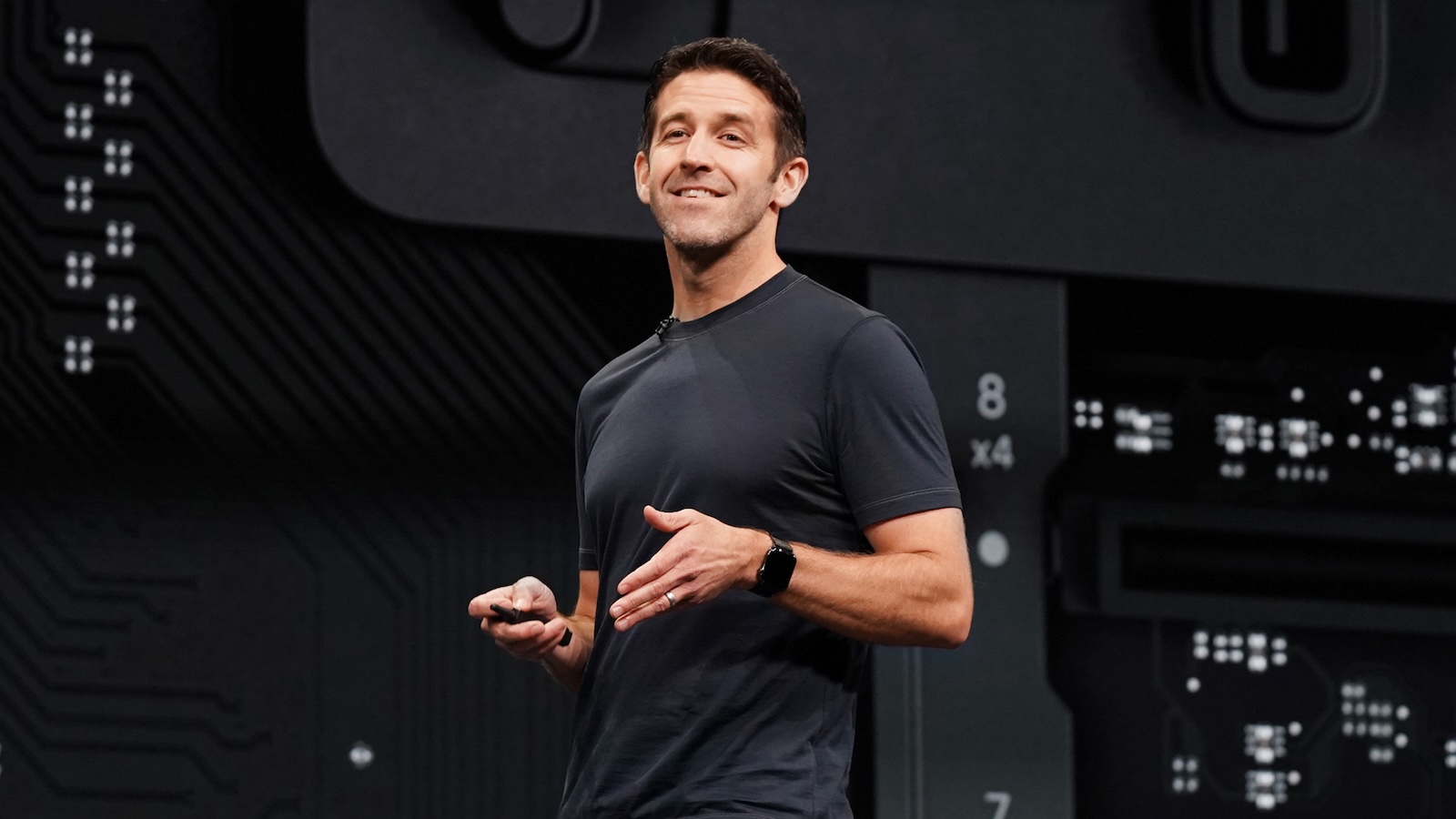
With Cook's potential departure on the horizon, all eyes are turning to his likely successor. For years, Apple-watchers have analyzed the company's executive team, and a clear frontrunner has emerged: John Ternus, Apple's Senior Vice President of Hardware Engineering. The consensus is strong that he is the most likely successor when the time comes.
Ternus is an Apple veteran, having joined the company back in 2001. Over the past two decades, he has quietly risen through the ranks, building a reputation as a brilliant, hands-on, and highly respected engineering leader. He has been instrumental in the development of some of Apple's most iconic products. His fingerprints are on every generation of the iPad, the phenomenal success of AirPods, and he played a pivotal role in one of Apple’s most challenging and successful transitions: the switch from Intel processors to its own custom Apple Silicon in the Mac lineup.
In 2021, Ternus was promoted to lead all hardware engineering, a massive role that puts him in charge of the design and development of every physical product Apple makes, from the iPhone and Apple Watch to the Mac and Vision Pro. This promotion was widely seen as the final step in grooming him for the top job. He has also become an increasingly familiar face at Apple events, confidently presenting new products with a deep technical understanding that resonates with both the public and the engineering-focused culture within Apple.
At 50 years old, Ternus is one of the younger members of Apple's senior executive team. This is a significant factor. Appointing him as CEO would signal stability and a long-term vision, potentially allowing him to lead the company for a decade or more, much like Cook himself. He is seen as a "product guy" with deep engineering roots, which could satisfy those who miss the product-focused leadership of the Jobs era, while his long tenure at the company ensures a deep understanding of Apple's unique culture and operational processes.
A Note of Caution: Not Everyone Is Convinced
While the Financial Times report has provided a compelling narrative, it's important to consider other perspectives. One of the most respected voices in the Apple community, Mark Gurman of Bloomberg, has pushed back on the idea of an imminent departure. In a post on X (formerly Twitter), Gurman stated, "I don't get the sense anything is imminent as the [Financial Times] is claiming."
Gurman's perspective carries significant weight. He has an unparalleled track record of breaking news and providing accurate insights into Apple's inner workings. His skepticism suggests that while a succession plan is undoubtedly in place, the timeline might not be as accelerated as the initial report implies. This highlights the uncertainty that still surrounds the situation. Both reports could be true in their own way: Apple could be "intensifying preparations" for a transition that is still two, three, or even more years away. The planning is active, but the execution may not be immediate.
Succession, Not Crisis: Apple's Strong Performance
It is crucial to understand that any discussion about Tim Cook's departure is about long-term planning, not a reaction to a crisis. In fact, the company's current performance is nothing short of stellar. The report makes it clear that the succession plans are entirely unrelated to Apple's business health.
Apple recently reported record revenue for its September quarter, defying broader economic headwinds. Furthermore, the company expects the current holiday quarter, which ends in December, to be the best financial quarter in its entire history. This success is reflected in its market value, with Apple's stock price currently trading near its all-time high. This is a company operating at the peak of its powers. A leadership transition now would be a move made from a position of incredible strength, designed to ensure that this momentum continues for the next generation.
What a New CEO Could Mean for Apple's Future
A change in leadership at a company like Apple is about more than just a new name on the door. It signals a new chapter. While John Ternus would likely ensure a high degree of continuity, his leadership would inevitably bring a different style and focus. As a hardware engineer at his core, he might steer the company towards a renewed focus on groundbreaking product innovation, perhaps accelerating ambitious projects like the long-rumored Apple Car or the next evolution of augmented reality.
Investors, employees, and customers will be watching closely. How would a new CEO navigate the complex landscape of global regulation, artificial intelligence, and the ever-present competition? How would they continue to foster the unique culture that makes Apple what it is? The transition from one legendary CEO to another is one of the most difficult challenges in business. Apple managed it flawlessly once, from Jobs to Cook. The question on everyone's mind is: can they do it again?
For now, Tim Cook remains the CEO of Apple, and the company continues to fire on all cylinders. But the seeds of change have been sown. Whether the transition happens next year or in the years to come, one thing is certain: the preparation for Apple's future without Tim Cook at the helm is well underway. The world will be watching to see how the world's most influential company plans its next act.
This article, "Report: Tim Cook to Step Down as Apple CEO 'as Soon as Next Year'" first appeared on MacRumors.com
Discuss this article in our forums
from MacRumors
-via DynaSage

Post a Comment