Report: Low-Cost iPhone, iPad, MacBook Coming Early 2026
Apple's Big 2026 Plan: A Super-Affordable MacBook, Smarter iPad, and New iPhones on the Horizon
Get ready for a massive shake-up in the world of Apple. New reports suggest that the tech giant is gearing up to launch a wave of new, budget-friendly devices in early 2026. If you've ever wished for Apple's famous quality and design without the premium price tag, your wish might be about to come true. The lineup is rumored to include a refreshed entry-level iPad, a new affordable iPhone, and the most exciting product of all: an all-new, low-cost MacBook designed to bring the Mac experience to a whole new audience.
This exciting glimpse into Apple's future comes from a research report by Jeff Pu of GF Securities, a respected analyst with a track record of covering Apple's supply chain. His report, seen by MacRumors, outlines a strategic shift towards more accessible products, signaling that Apple is serious about capturing a wider market. Let's dive deep into what these potential new devices could mean for you and the tech landscape as a whole.
The Game-Changer: A Truly Affordable MacBook for Everyone
For years, the MacBook has been the gold standard for laptops, celebrated for its sleek design, powerful performance, and intuitive operating system. However, that premium experience has always come with a premium price, putting it out of reach for many students, families, and budget-conscious buyers. That could all change in early 2026 with the introduction of a new, previously rumored low-cost MacBook.
This isn't just a minor price drop on an existing model; it's a completely new product line designed from the ground up to be affordable. The rumored price point is particularly compelling, expected to fall somewhere between $699 and $899. A MacBook at this price would be a direct competitor to high-end Chromebooks and mid-range Windows laptops, offering Apple's ecosystem and powerful silicon as a major selling point.
What's Under the Hood of this Budget MacBook?
So, how is Apple planning to hit such an aggressive price point without sacrificing the core Mac experience? The report suggests a clever strategy: leveraging the power of their custom-built A-series chips, the same processors that power the iPhone.
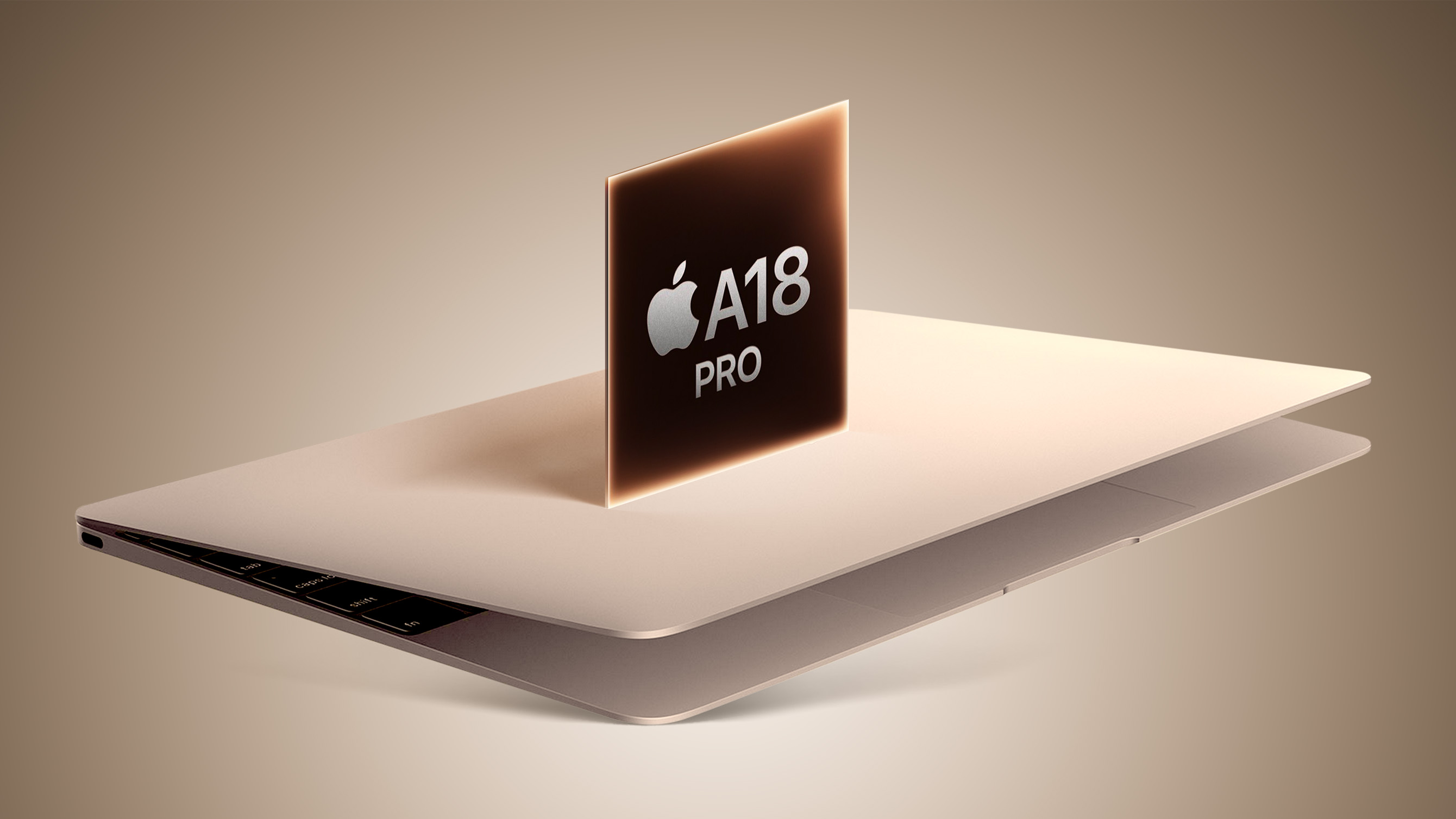
The new MacBook is said to feature the A18 Pro chip. This is the very same high-performance chip expected to debut in the top-tier iPhone 16 Pro models in late 2024. This is a fascinating move. By using a slightly older (by 2026 standards) but still incredibly powerful mobile chip, Apple can drastically reduce manufacturing costs while still delivering performance that will likely blow away most competing laptops in the same price bracket. Apple Silicon has already proven to be incredibly efficient and powerful in the MacBook Air and MacBook Pro, so an A18 Pro-powered machine would be more than capable for everyday tasks like web browsing, document editing, video streaming, and even some light photo and video editing.
In terms of design, the affordable MacBook is expected to feature a 13-inch display, a classic and popular size for portability and productivity. To appeal to a broader, more consumer-focused audience, Apple may also be taking a cue from its colorful iMac and iPad lines. The report indicates it could be available in several fun color options, including silver, blue, pink, and yellow.
The Necessary Compromises for a Lower Price
Of course, a sub-$900 MacBook will require some trade-offs to make the economics work. Apple is a master at segmenting its product lines, and this new MacBook will likely follow that pattern. The report suggests several areas where compromises might be made:
- Older Design: Don't expect the razor-thin bezels and cutting-edge chassis of the latest MacBook Pro. Apple might reuse an older, slightly thicker design to save on manufacturing costs. While it will still undoubtedly feel like a premium Apple product, it may not be on the absolute cutting edge of industrial design.
- Display Technology: The 13-inch screen will likely be a standard LCD panel. Features found on more expensive MacBooks, such as ProMotion technology (for a super-smooth 120Hz refresh rate) and mini-LED backlighting (for deeper blacks and higher contrast), will almost certainly be reserved for the pricier models.
- Memory and Storage: The base model is expected to come with 8GB of memory. While Apple's unified memory architecture is very efficient, this amount is geared towards everyday multitasking rather than heavy professional workloads. Base storage will also likely start at a modest level, encouraging upgrades or reliance on iCloud.
- Limited Ports: To simplify the design and cut costs, the new MacBook could feature just a single USB-C port. This would be a significant limitation for users who need to connect multiple accessories at once, likely making a dongle or hub a necessary purchase for many.
Despite these compromises, the core proposition remains incredibly strong: a genuine MacBook, powered by fast Apple Silicon and running macOS, at a price that could make it the default choice for millions of new users.
An Upgraded and More Modern Entry-Level iPhone: The iPhone 17e
Alongside the new MacBook, Apple is also expected to launch the iPhone 17e in the spring of 2026. This would be the second generation of Apple's "e" lineup, a new category seemingly designed to offer modern features at a more accessible price point than the standard numbered iPhone.
According to Jeff Pu's report, the iPhone 17e will see some significant internal upgrades. It's expected to be powered by a brand-new A19 chip, ensuring it will be fast, fluid, and capable of handling the latest apps and iOS features for years to come. It's also slated to receive an upgraded 18-megapixel Center Stage camera. Center Stage is Apple's clever feature that uses an ultrawide lens and AI to automatically keep you centered in the frame during video calls, making it perfect for FaceTime and other video conferencing apps.
Internally, the device is also rumored to feature Apple's own C1 modem, continuing the company's long-term strategy of replacing third-party components with its own custom-designed silicon for better performance and integration.
Perhaps the most noticeable upgrade, however, will be on the outside. Other rumors suggest the iPhone 17e could finally transition to the Dynamic Island. The Dynamic Island is the pill-shaped cutout at the top of the screen that replaced the old notch on the iPhone 14 Pro and subsequent models. It's more than just a housing for the camera; it's an interactive area that displays live activities, alerts, and notifications in a fluid and intuitive way. Bringing this signature feature to the more affordable "e" model would be a huge step in modernizing the entire iPhone lineup and unifying its design language.
The 12th-Generation iPad: Now with Apple Intelligence
The standard iPad has long been Apple's most popular and affordable tablet, a favorite in classrooms and living rooms around the world. In early 2026, the 12th-generation iPad is set to get a crucial upgrade that will make it smarter than ever before.
While the report suggests that no major design changes are expected—meaning it will likely retain its familiar look and feel—the big story is on the inside. Apple plans to equip it with the A18 chip. This is a significant leap in processing power, but its most important function will be to unlock a powerful new set of features: Apple Intelligence.
Apple Intelligence is the company's recently announced suite of artificial intelligence tools that are deeply integrated into iOS, iPadOS, and macOS. It can do incredible things like summarize long articles and emails, generate custom images and emojis on the fly, and supercharge Siri to be a more capable and context-aware personal assistant. Until now, these advanced AI features have required the processing power of newer, more expensive chips. By putting the A18 chip into its most affordable iPad, Apple is bringing its cutting-edge AI capabilities to the masses for the first time on a tablet. This single upgrade could transform the base iPad from a simple content consumption device into a powerful tool for creativity and productivity.
A New Rhythm for iPhone Launches: Apple's Split-Cycle Strategy
Beyond the specific new products, the report from Jeff Pu corroborates a wider strategic shift in how Apple plans to release its iPhones. For over a decade, the world has become accustomed to a single, massive iPhone launch event every September. That might be changing. Apple appears to be moving towards a split-launch cycle, with major product releases in both the first and second half of the year.
This new cadence would allow Apple to maintain momentum throughout the year, spread out media attention, and potentially better manage its complex global supply chain. The new schedule, according to the report, could look something like this:
- Fall 2026 (Second Half): This window will be reserved for the absolute top-of-the-line products. The report points to the launch of the iPhone 18 Pro models and, most excitingly, Apple's very first foldable iPhone.
- Spring 2027 (First Half): The first half of the year will see the launch of the more mainstream models. This wave would include the standard iPhone 18, the next-generation iPhone 18e, and the second-generation iPhone Air.
The Future of the iPhone Air and the Foldable Dream
The report also sheds light on two other highly anticipated iPhone models. The iPhone Air 2 was apparently supposed to launch in late 2026 alongside the Pro models. However, reportedly due to disappointing sales of the first-generation iPhone Air, Apple has decided to delay its successor to early 2027. This delay gives the company time to re-evaluate the product's place in the lineup and make it more compelling. One rumored redesign could be the addition of a second camera lens. A report suggests the updated model could be featuring dual rear cameras, which would enable popular features like optical zoom and enhanced Portrait Mode, making it a more attractive option for users who want better photography without paying the full "Pro" price.
And then there's the big one: the foldable iPhone. Rumored for years, Pu's report suggests it could finally become a reality in late 2026. A foldable device would represent Apple's entry into a new and exciting product category, competing directly with devices like the Samsung Galaxy Z Fold and Google Pixel Fold. While details are nonexistent, Apple is known for waiting until it can perfect a new technology, so its take on the foldable form factor is sure to be one of the most anticipated tech product launches in history.
Final Thoughts: Apple's Future is Accessible
Looking at the big picture, this collection of rumors paints a clear and exciting vision of Apple's strategy for the coming years. The core theme is accessibility. With a truly low-cost MacBook, a modern and powerful iPhone 17e, and an AI-supercharged base iPad, Apple is making a concerted effort to bring its ecosystem to more people than ever before. This is fantastic news for consumers, as it promises more choice, more competition, and more opportunities to get your hands on a great piece of technology without breaking the bank.
It's also worth noting a final detail from the report: Jeff Pu believes Apple's immense scale and strong procurement power will largely shield it from the recent rises in DDR memory prices through 2026. This behind-the-scenes business strength is what enables Apple to plan these ambitious product roadmaps and deliver them at competitive prices.
Of course, these are still just reports and rumors from supply chain analysts. Apple's plans are famously secret and can always change. But if even half of this comes true, the first half of 2026 is shaping up to be one of the most exciting periods for Apple fans and budget-conscious tech buyers in a very long time.
This article, "Report: Low-Cost iPhone, iPad, MacBook Coming Early 2026" first appeared on MacRumors.com
Discuss this article in our forums
from MacRumors
-via DynaSage

Post a Comment