Report: Apple Considers Adding Second Camera to Delayed iPhone Air 2
Apple's iPhone Air 2 Delayed: A Second Camera Could Fix Its Biggest Flaws
Apple's ambitious and incredibly thin iPhone Air made waves for its design, but it hasn't been the sales success the company may have hoped for. Now, new reports suggest that its successor, the iPhone Air 2, has been delayed. However, this delay isn't a sign of trouble; instead, Apple is reportedly using the extra time to completely redesign the device. The most significant change on the table? The addition of a second rear camera, a move aimed at fixing the biggest complaints that plagued the first generation.
According to a recent news brief from the reputable publication The Information, Apple is actively exploring a dual-camera system for the next iPhone Air. This strategic pivot could transform the device from a niche, style-focused product into a mainstream contender, finally justifying its premium price tag and winning over the customers it failed to capture the first time around. Let's dive into why the original iPhone Air struggled and how this potential redesign could be the key to its future success.
Why the First iPhone Air Didn't Take Off
When the first iPhone Air was unveiled, it was hailed as an incredible feat of engineering. Its ultra-slim profile was something to behold, a testament to Apple's mastery of hardware design. However, once the initial excitement wore off, customers began to notice the significant trade-offs that were made to achieve that thinness. The compromises, especially when viewed against its high price, created a value proposition that many found difficult to accept.
The Price Was Too High for the Features Offered
One of the most significant barriers for the iPhone Air was its starting price of $999. While a premium price is expected from Apple, the features didn't quite match the cost. This became especially apparent when customers compared it to the iPhone 17 Pro, which started at just $100 more, at $1,099. For that small price difference, the Pro model offered a vastly superior experience, including a powerful triple-lens camera system and significantly better battery life. This made the iPhone Air a tough sell. Why pay so much for a device with fewer features when a much more capable phone was just a small step up in price? This pricing strategy seems to have backfired, leading to widespread reports of disappointing sales and cuts in manufacturing orders as Apple adjusted to lower-than-expected demand.
Critical Hardware Compromises
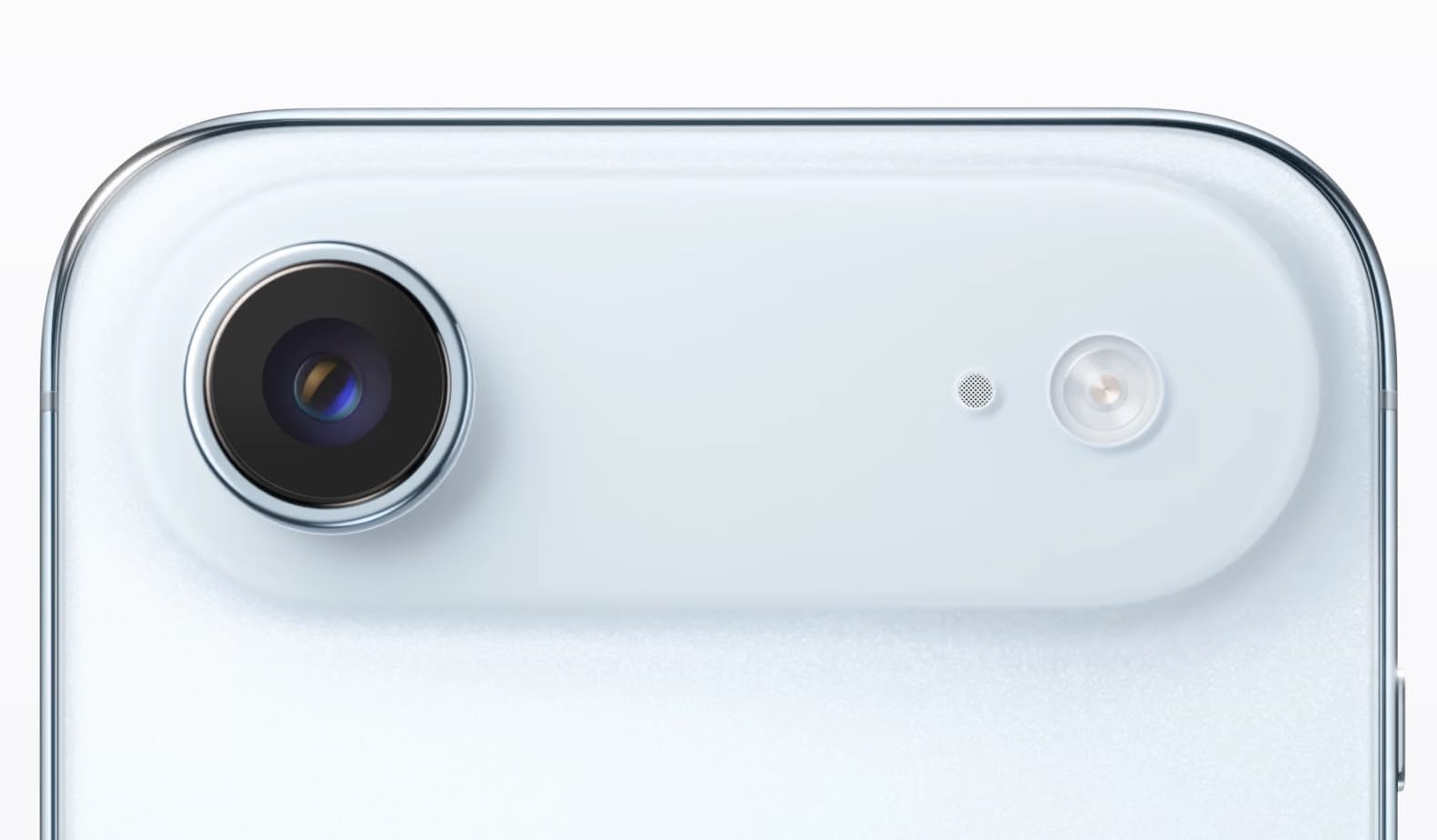
To achieve its remarkable thinness, Apple had to make some tough decisions about what to include. The most noticeable compromise was the camera system. The iPhone Air shipped with only a single rear camera. In an age where even mid-range smartphones feature multiple lenses for versatility, a single camera on a $999 device felt like a major step backward. Users missed the flexibility of an Ultra Wide lens for expansive landscapes or a Telephoto lens for detailed zoom shots. Battery life was another area where the slim design took its toll. A thinner chassis means less space for a large battery, and many users found the iPhone Air's endurance to be lacking compared to other models in the iPhone lineup. These compromises made the phone feel less practical for everyday power users, who expect a certain level of performance and functionality from a premium device.
A Second Camera: Apple's Plan to Boost the iPhone Air's Appeal
Apple appears to have listened to the feedback loud and clear. The decision to delay the iPhone Air 2 and focus on a redesign centered around a second camera is a direct response to customer complaints. This single upgrade could fundamentally change the perception of the device and make it a much more attractive option for a wider audience.
Making It a True Competitor
Adding a second camera would instantly make the iPhone Air 2 look and feel more feature-equivalent to the standard iPhone models. Most consumers expect a dual-camera system as a baseline for a modern premium smartphone. By adding this feature, Apple would bridge a major gap, making the iPhone Air 2 a more logical choice for someone who wants a slim and light design without sacrificing core photographic capabilities. It would no longer feel like a "compromised" iPhone but rather a distinct and appealing alternative within the lineup.
This report from The Information also supports a recent leak from China, which claimed the second-generation iPhone Air was in development with a dual-camera setup. The leak specifically suggested that the new model would feature a 48-megapixel Fusion Ultra Wide camera to complement the existing 48-megapixel Fusion Main camera. This would give users the ability to capture sweeping landscapes, large group photos, and creative architectural shots—all things that were impossible with the first-generation's single lens. The "Fusion" technology, which combines pixels to capture more light, would ensure that both cameras deliver stunning image quality, even in challenging lighting conditions.
The Engineering Challenge: Fitting More into an Ultra-Slim Phone
While adding a second camera sounds like a straightforward solution, the engineering reality is incredibly complex, especially for a device defined by its thinness. The original iPhone Air's internal layout is a masterclass in space optimization. As the initial report notes, many different technologies are packed into the camera plateau area specifically to maximize every last millimeter of space for the battery. Squeezing in an entire second camera module, with its lens, sensor, and associated electronics, isn't just a matter of finding a spot for it. It would require a substantial redesign of the phone's internal architecture, from the logic board to the battery placement. This difficult engineering task is likely a primary reason for the extended development timeline and the reported delay.
Furthermore, Apple isn't just looking to add a camera. Previous reports have indicated that the work on the second-generation iPhone Air is also focused on other key improvements. These include making the device even lighter, introducing a vapor chamber cooling system to manage heat more effectively and sustain peak performance, and, crucially, improving the battery capacity. A vapor chamber would be a significant upgrade, allowing the processor to run faster for longer without throttling, which would be a huge benefit for gaming and other intensive tasks. Juggling all these ambitious goals—a second camera, better cooling, and a bigger battery—within an even lighter, ultra-slim frame is a monumental challenge for Apple's engineers.
A Shake-Up in Apple's Launch Schedule
The delay of the iPhone Air 2 also appears to be part of a larger, strategic shift in how Apple plans to release its iPhones in the coming years. According to sources cited by The Information, Apple may be moving towards a new "split launch cycle," with major iPhone releases happening in both the spring and the fall.
A New Timeline for Future iPhones
Traditionally, Apple unveils its flagship iPhones at a major event in September. However, this new strategy would break that long-standing tradition. Here’s how the new schedule is expected to unfold:
- Fall 2026: This launch window is now expected to be reserved for the highest-end models. This would include the iPhone 18 Pro, the iPhone 18 Pro Max, and an all-new, highly anticipated foldable iPhone. The iPhone Air 2 was originally planned for this timeframe before its delay.
- Spring 2027: Apple engineers are reportedly targeting this new spring window to launch the redesigned iPhone Air 2. It would likely debut alongside the standard iPhone 18 and iPhone 18e models.
This split cycle could have several benefits for Apple. It would give the company two major marketing beats per year instead of one, helping it maintain consumer interest and compete more effectively against Android manufacturers who release flagship devices throughout the year. It would also allow Apple to give each set of products its own moment in the spotlight, preventing a more specialized device like the iPhone Air from being overshadowed by the top-tier Pro models.
What This Means for the Future of the iPhone Air
The reported delay and redesign of the iPhone Air 2 signal that Apple is taking the product line's initial shortcomings seriously. Instead of quietly discontinuing a device that underperformed, the company is choosing to double down, investing significant engineering resources to fix its core problems. By adding a second camera, improving battery life, and potentially enhancing performance with better cooling, Apple could transform the iPhone Air from a beautiful but flawed device into a truly compelling option for a large segment of the market.
This strategic pivot shows a willingness to learn from customer feedback and adapt. If Apple successfully pulls off this redesign, the iPhone Air 2 could finally live up to its potential, offering a perfect blend of stunning, lightweight design and the powerful, versatile features that users expect from a modern iPhone. The delay may be disappointing for those eagerly awaiting the next version, but the result could be a much better product that is well worth the wait.
This article, "Report: Apple Considers Adding Second Camera to Delayed iPhone Air 2" first appeared on MacRumors.com
Discuss this article in our forums
from MacRumors
-via DynaSage

Post a Comment