OLED iPad Mini Expected to Arrive No Earlier Than Q3 2026
The Future is Bright: A Deep Dive into the Rumored OLED iPad mini 8
For years, the iPad mini has held a special place in the hearts of Apple fans. It’s the perfect blend of portability and power, a device that’s small enough to fit in a large pocket or small bag but capable enough to handle serious work and play. After a significant redesign with the 6th generation model, fans have been eagerly awaiting the next chapter. Now, the rumor mill is buzzing with exciting new details about the upcoming iPad mini 8, and the headline feature is a game-changer: a stunning OLED display.
According to recent leaks, Apple is planning a major overhaul for its smallest tablet, and the upgrades go far beyond just the screen. We're hearing about a powerful new processor, a more durable and water-resistant design, and a completely new speaker system. However, these advancements may come with a later release date and a higher price tag. So, let's unpack everything we know so far about the iPad mini 8 and explore what these changes could mean for you.
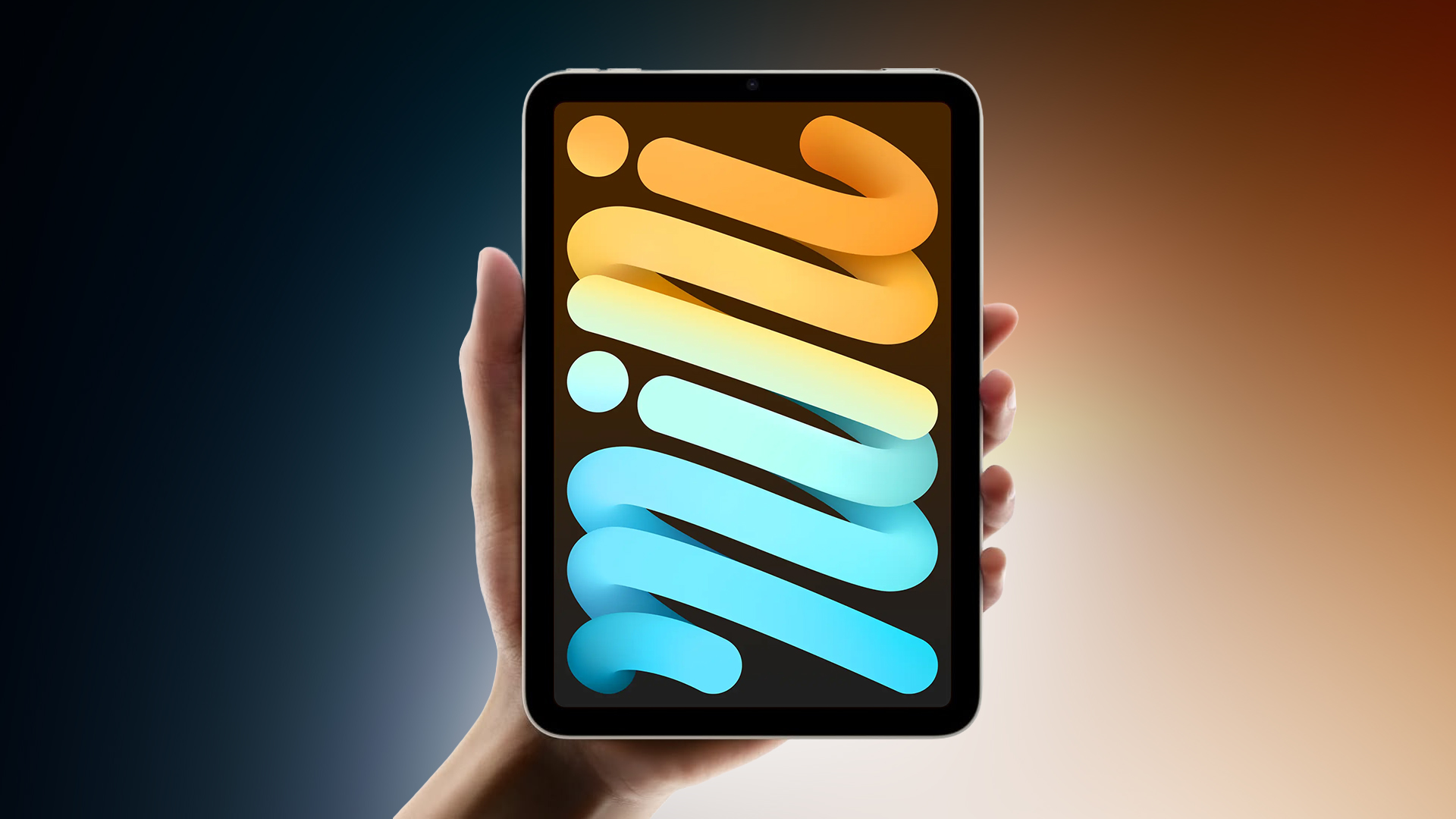
A Stunning New Display: The OLED Revolution Comes to iPad mini
The most significant and anticipated upgrade for the iPad mini 8 is the rumored switch to an OLED display. This isn't just a minor tweak; it's a fundamental change in screen technology that promises to elevate the viewing experience to a whole new level. A Weibo-based leaker known as Instant Digital suggests this upgrade is on the horizon, a claim that aligns with broader reports from established sources like Bloomberg and Korean media.
Currently, Apple reserves its best OLED panels for the premium iPad Pro models. The rumor is that the iPad mini will be the next in line to receive this technology, even leapfrogging the larger iPad Air. But what exactly is OLED, and why is it such a big deal?
OLED stands for Organic Light Emitting Diode. Unlike traditional LCD screens (like the "Liquid Retina" display in the current iPad mini 6), which use a single backlight to illuminate all the pixels at once, OLED displays are self-emissive. This means that each individual pixel can generate its own light. This simple difference has profound implications for image quality. Because each pixel can be turned on or off independently, an OLED screen can achieve true, perfect blacks. When a pixel needs to be black, it simply turns off completely, consuming no power and emitting no light. This creates an infinite contrast ratio, making colors pop and giving images an incredible sense of depth and realism that LCDs simply can't match.
The benefits of OLED technology are numerous and impactful:
- Superior Contrast and Deeper Blacks: As mentioned, the ability to turn off individual pixels results in the deepest, most authentic blacks. This makes everything from watching a movie in a dark scene to viewing high-contrast photos a more immersive experience.
- Vibrant and Accurate Colors: OLED panels are known for their ability to reproduce a wider range of colors with exceptional accuracy. This means photos and videos will look more true-to-life, and creative professionals will appreciate the precision when editing content.
- Faster Response Times: The pixels in an OLED screen can change state much faster than those in an LCD. This translates to less motion blur, making it a fantastic upgrade for fast-paced gaming and watching action-packed sports.
- Better Viewing Angles: Have you ever noticed how the colors on a screen can shift or look washed out when you view it from the side? OLED displays suffer far less from this issue, maintaining color and contrast integrity even at extreme angles. This is perfect for sharing the screen with a friend or colleague.
- Greater Design Flexibility: Because OLED panels don't require a separate backlight layer, they can be thinner and more flexible. While we don't expect a foldable iPad mini just yet, this could allow Apple to create an even sleeker and lighter device.
Bringing this pro-level display technology to the compact form factor of the iPad mini would be a transformative upgrade. It would make the device an even better portable cinema, a more capable photo editing tool, and a more immersive gaming machine. This move would solidify the iPad mini's position as a premium, "pro-sumer" device in a small package.
When Can We Expect the iPad mini 8? A Lesson in Patience
While the prospect of an OLED iPad mini is thrilling, you might need to temper your excitement with a dose of patience. The initial report from Instant Digital points to a launch in the third quarter of 2026 at the earliest. This timeline is a significant wait, especially considering the iPad mini 6 was released back in September 2021. If this prediction holds true, it would mark a nearly five-year gap between generations—the longest in the product's history.
This 2026 timeline is not an isolated claim. It's supported by previous rumors and reports from major outlets that have also pointed to 2026 as the target year for Apple to expand OLED technology to its smaller tablets. This suggests that Apple is taking a phased approach to its OLED rollout. The company first introduced the technology to the iPad Pro in 2024, and it needs time to scale up production and secure the supply chain for the millions of panels required for the more mainstream iPad mini and, eventually, the iPad Air (which rumors suggest will follow in 2027).
So, why the long wait? Manufacturing high-quality, small-form-factor OLED displays at the scale Apple requires is incredibly complex and expensive. Apple is known for its stringent quality standards, and ensuring that every panel meets those specifications for brightness, color accuracy, and longevity is a massive undertaking. The company is likely working with its suppliers, such as Samsung Display and LG Display, to perfect the manufacturing process and bring costs down before a mass-market launch.
For potential buyers, this means that if you're in need of a small tablet now, the current iPad mini 6 is still a fantastic device. However, if you can hold out, the iPad mini 8 is shaping up to be a monumental upgrade that will be well worth the wait.
Powering the Pocket Rocket: A Glimpse at the A19 Pro Chip
A beautiful new display needs a powerful engine to drive it, and the iPad mini 8 is expected to deliver a significant performance boost. Rumors suggest that Apple will equip its next-generation mini tablet with a mid-tier A19 Pro chip, potentially the same one found in a future "iPhone Air" model. While the "iPhone Air" name is speculative, the core information points to a very powerful processor at the heart of the new iPad mini.
The A19 Pro is expected to be built on an upgraded third-generation 3-nanometer (N3P) manufacturing process. In simple terms, this means the transistors on the chip are even smaller and packed more densely together. This technological advancement typically leads to two key benefits:
1. Increased Performance: More transistors allow the chip to perform more calculations simultaneously, resulting in faster app launch times, smoother multitasking, and better performance in demanding applications like video editing, 3D modeling, and high-end gaming.
2. Improved Efficiency: A more advanced manufacturing process allows the chip to perform its tasks while consuming less power. This is crucial for a portable device like the iPad mini, as it directly translates to longer battery life. You could get more done on a single charge, even with a more power-hungry OLED display.
To put this in perspective, the current iPad mini 6 uses the A15 Bionic chip—the same processor found in the iPhone 13 lineup. While the A15 is still a very capable chip, the A19 Pro would represent a multi-generational leap in performance. This would not only make the iPad mini 8 feel incredibly snappy and responsive for everyday tasks but also future-proof it for years to come, ensuring it can handle new software features and more complex apps that will be released down the line. This level of power in such a small device would be truly remarkable, making the iPad mini 8 a veritable "pocket rocket."
More Than Just a Pretty Screen: Durability and Design Upgrades
Apple's plans for the iPad mini 8 reportedly extend beyond internal components. According to *Bloomberg*'s respected tech journalist Mark Gurman, the company is working to give the device a more water-resistant design. While iPhones have been water-resistant for years, iPads have lagged behind in this area. Bringing improved durability against splashes and accidental spills would be a welcome and practical upgrade for a device designed to be used everywhere.
Achieving this enhanced water resistance may involve a clever engineering solution. Gurman reports that Apple has designed a new vibration-based speaker system. This innovative technology could eliminate the need for traditional speaker holes or grilles in the device's chassis. These grilles are common points of entry for water and dust. By using a system where the sound is generated by vibrating components within the sealed enclosure (perhaps even the display itself), Apple could create a more robust and seamless design.
This wouldn't be the first time such technology has been used. Some smartphones have experimented with under-display speakers or piezoelectric systems to produce sound without cutouts. If Apple implements this in the iPad mini 8, it would not only improve durability but could also contribute to a cleaner, more minimalist aesthetic. It’s a classic Apple move: using advanced engineering to solve a practical problem while simultaneously enhancing the product's design.
The Price of Progress: What Will the OLED iPad mini 8 Cost?
All of these cutting-edge upgrades—a brand-new OLED display, a next-generation processor, and a more durable, water-resistant design—are unlikely to come for free. Mark Gurman suggests that the improved technology will lead to a higher price point for the iPad mini 8. Apple could charge up to $100 more for the device, which would push its starting price from the current $499 to a potential $599 in the United States.
While a price hike is never welcome news for consumers, it's justifiable given the scale of the rumored improvements. OLED panels are significantly more expensive to produce than LCDs, especially at the quality Apple demands. The investment in a new chip and the research and development required for a new chassis and speaker system also contribute to the overall cost.
A $599 starting price would position the iPad mini 8 more firmly in the premium category, sitting comfortably above the entry-level iPad but below the iPad Air and iPad Pro. It would be a device for users who want the best possible technology in the most compact form factor and are willing to pay a premium for that combination. This price point reflects a shift in the iPad mini's identity—from a smaller, cheaper iPad to a small, professional-grade tablet.
Weighing the Rumors: How Reliable Are These Sources?
It's important to remember that, for now, all of this information is based on leaks and rumors, not official announcements from Apple. The source of the most recent timeline, Instant Digital, has a mixed but occasionally reliable track record. The account has been credited with accurate predictions in the past, such as the Yellow iPhone 14 and 14 Plus finishes and the unique Titanium Milanese Loop for the Apple Watch Ultra 2. However, like many leakers, not all of their claims have proven to be correct.
What gives these rumors more weight is the corroboration from other, more established sources. Reports from giants like *Bloomberg* and supply chain analysts in Korean media align with the general direction of these leaks, particularly regarding the 2026 timeline for an OLED iPad mini. While specific details like the "A19 Pro" name or the exact price increase could change, the broad strokes—an OLED display, a powerful new chip, and a 2026 release—seem increasingly likely. As always, we'll have to wait for Apple's official word to know for sure.
Conclusion: Is the iPad mini 8 Worth the Wait?
The iPad mini 8 is shaping up to be one of the most significant upgrades in the product's history. The jump to an OLED display alone would be a revolutionary change, offering a visual experience that will make everything from reading and browsing to gaming and watching movies more vibrant and immersive. When you combine that with a substantial performance boost from a next-generation A-series chip and practical improvements like better water resistance, the result is a truly compelling package.
The trade-offs, however, are a long wait and a higher price. A release in late 2026 means potential buyers will need to be patient, and the rumored $100 price increase asks them to invest more in Apple's smallest tablet. But for dedicated fans of the mini form factor, these trade-offs will likely be a small price to pay for what promises to be a no-compromise, premium-tier device. The iPad mini 8 isn't just an update; it's a statement that big power can indeed come in a small package.
This article, "OLED iPad Mini Expected to Arrive No Earlier Than Q3 2026" first appeared on MacRumors.com
Discuss this article in our forums
from MacRumors
-via DynaSage

Post a Comment