iPhone Air Flop Sparks Industry Retreat From Ultra-Thin Phones
The Great Thinning Fails: Why Apple's iPhone Air Flop Is Killing the Ultra-Slim Smartphone Dream
For years, the smartphone industry has been on a relentless quest for thinness. Each new generation of devices aimed to be sleeker, lighter, and more impossibly slim than the last. It was a race to the bottom of the millimeter scale, a design philosophy that equated "thin" with "premium" and "futuristic." Apple, a long-time champion of this philosophy, recently made its boldest move yet with the iPhone Air. However, the market's reaction has been a resounding thud, and the shockwaves are now causing a major industry-wide retreat from the ultra-thin phone concept. Reports emerging from Asia suggest that the disappointing sales of the iPhone Air have sent a powerful message to competitors, forcing them to scrap their own plans for similar devices.
This isn't just a story about one unsuccessful product; it's a potential turning point for smartphone design. It reveals a critical disconnect between what manufacturers thought consumers wanted and what they actually value. As it turns out, users may have finally decided that they prefer substance—like longer battery life and better cameras—over style that comes at a high cost. Let's dive deep into why the iPhone Air failed to take flight and how its failure is reshaping the future of the entire mobile industry.
A Cold Reception: The iPhone Air's Troubled Launch
From the moment the iPhone Air hit the shelves in September, the signs were not promising. Instead of the usual fanfare and record-breaking sales figures that accompany a new iPhone launch, the narrative was quickly dominated by reports of poor sales and significant manufacturing cuts. This wasn't just idle speculation; the data coming from Apple's own supply chain painted a bleak picture. Key partners, who are the lifeblood of iPhone production, began scaling back their operations drastically, a clear indicator that demand was far below Apple's initial projections.
The situation became so severe that Foxconn, Apple's largest and most famous assembly partner, reportedly took the dramatic step of dismantling all of its dedicated production lines for the iPhone Air. This is not a decision a company like Foxconn takes lightly; it signifies a complete collapse in orders and a lack of confidence in the product's future. Similarly, Luxshare, another crucial supplier for Apple, is said to have ceased all production of the device at the end of October. When the very companies responsible for building the iPhone are shutting down their lines, it’s the clearest signal possible that a product has failed to connect with consumers.
The core problem seems to be a fundamental miscalculation by Apple. The company banked on the iPhone Air's novel, ultra-thin design to generate excitement and drive sales. After all, this was the first major redesign of the iPhone's core look since the iPhone X introduced the world to Face ID and the all-screen display back in 2017. Apple likely believed that a radical new form factor would be enough to entice buyers. But the pursuit of that thinness came with heavy compromises, and consumers were quick to notice.
The Ripple Effect: How One Flop Halted an Industry Trend
Apple's influence on the smartphone market is immense. For over a decade, competitors have watched Apple's every move, often emulating its design choices and feature introductions. When Apple removed the headphone jack, others followed. When Apple introduced the "notch," it soon appeared on countless Android devices. The industry was poised to do the same with the ultra-thin trend, with major Chinese mobile vendors readying their own "Air-style" competitors.
However, the iPhone Air's public failure has acted as a cold shower for these companies. As a direct result of the device's poor reception, major players like Xiaomi, Oppo, and Vivo have reportedly either completely canceled or indefinitely frozen their development plans for similar models. They saw that consumers weren't willing to pay a premium for a super-slim phone with compromised features, and they wisely decided not to make the same mistake. These companies have even begun reallocating specialized components, such as eSIM solutions that were originally intended for their thin devices, to other, more conventional product lines. This is a swift and decisive pivot away from a trend that is now seen as toxic.
Inside sources reveal just how close these competitors were to launching their own versions. Xiaomi was reportedly deep in development of a "true Air model" designed to go head-to-head with Apple's offering. Meanwhile, Vivo was planning to make extreme thinness a key selling point for its popular mid-range S series. Both of these ambitious projects are now said to be halted. While neither company has made an official public statement, their actions speak volumes. The industry has watched Apple, one of the most powerful consumer electronics companies in the world, stumble with this concept, and no one else is eager to follow them off that cliff.
What Went Wrong? The High Price of Style Over Substance
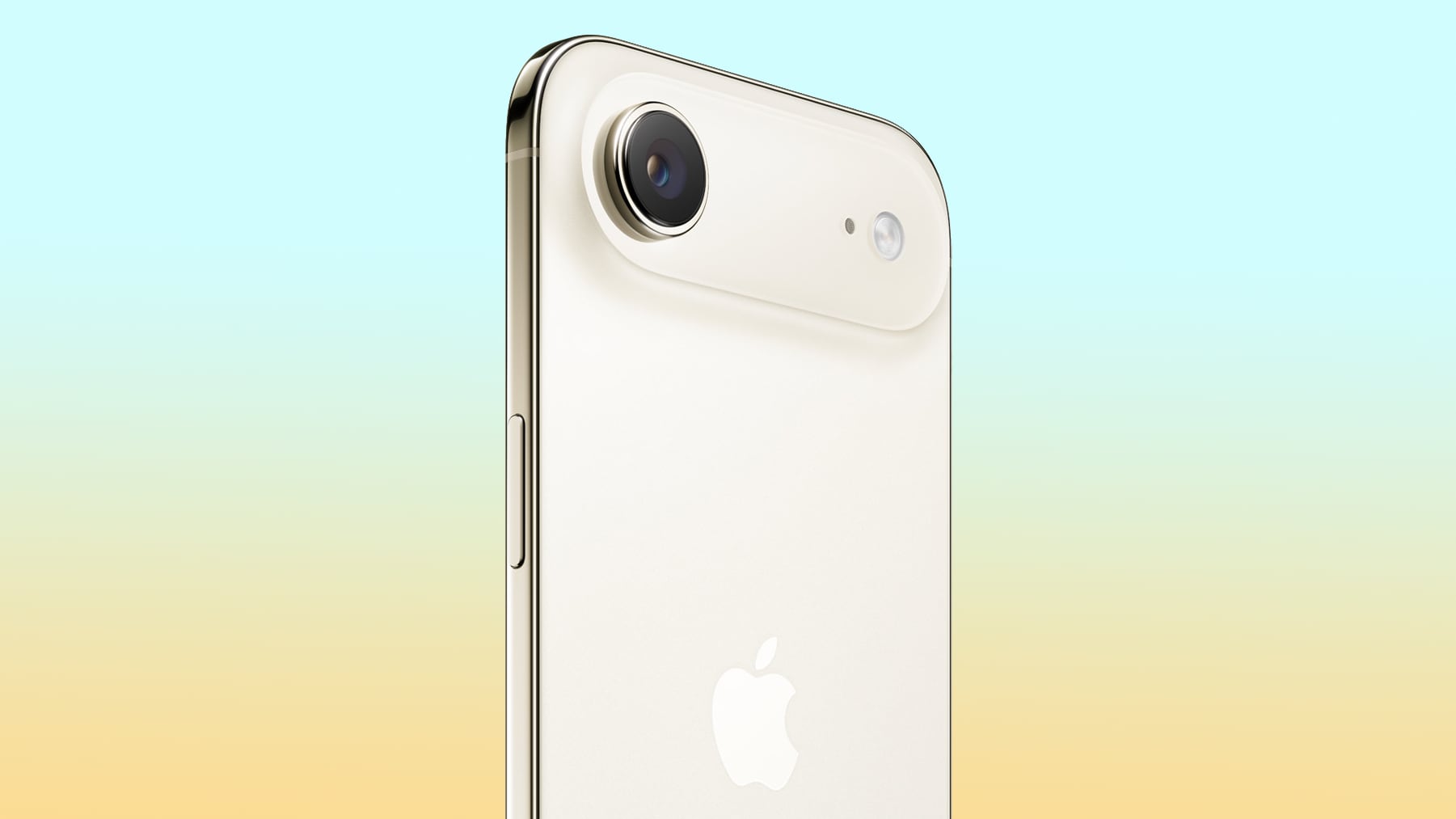
To understand why the iPhone Air failed so spectacularly, we need to look at the trade-offs Apple made to achieve its jaw-dropping 5.6 mm profile. Creating a device that thin is an engineering marvel, but it forces sacrifices in areas that consumers care about deeply. The two most significant compromises were battery life and camera capability.
First, the battery. To fit within the slim chassis, the iPhone Air required a significantly smaller battery than its thicker counterparts. In an age where users rely on their phones for everything from work and communication to entertainment and navigation, all-day battery life isn't just a feature—it's a necessity. A phone that might not make it through a busy day without needing a charge is a major inconvenience, and for many, it's a deal-breaker. The "battery anxiety" is real, and the iPhone Air seemed destined to provoke it.
Second, the camera system was a major step back. The iPhone Air features only a single rear camera. While Apple's camera technology is excellent, a single lens is simply not competitive in the premium smartphone market of today. Competing phones in the same price bracket, including Apple's own Pro models, offer versatile multi-lens systems with telephoto, ultra-wide, and macro capabilities. For a device marketed as a premium product, a single camera feels inadequate and outdated, something one might expect on a budget phone, not a flagship.
These compromises might have been acceptable if the price reflected them. But it didn't. The iPhone Air starts at a steep $999. This pricing places it in a precarious position within Apple's own lineup. For just $100 more, a customer could buy the $1,099 iPhone 17 Pro. The Pro model offers a far superior triple-lens camera system, significantly better battery life, a more powerful processor, and other professional-grade features. For the vast majority of buyers, the choice is obvious. Why pay a premium for a phone that is functionally inferior in almost every important way, just for the sake of being a few millimeters thinner? The iPhone Air was ultimately perceived as a classic case of style over substance, with a price tag that demanded both.
Back to the Drawing Board for Apple
The overwhelmingly negative response from consumers has reportedly forced Apple into a rare and humbling position: admitting a product strategy isn't working and heading back to the drawing board. A recent report from the highly respected publication The Information claims that Apple has already delayed the development of a second-generation iPhone Air. The company is allegedly using this time to fundamentally redesign the device to address its biggest shortcomings.
The primary goals of this redesign are said to be incorporating a second camera lens and finding a way to improve battery life. This presents a significant engineering challenge. How can Apple add a larger battery and a more complex camera module while still retaining the "Air" identity, which is built entirely around thinness and lightness? It may require a slight increase in thickness, which would be an implicit admission that the original design was too extreme. This internal rethink shows that Apple has heard the feedback loud and clear: customers are no longer willing to sacrifice core functionality for aesthetics alone.
An Industry-Wide Problem: Samsung's Similar Struggle
To confirm that this is a broader market trend and not just an isolated Apple misstep, one only needs to look at its biggest rival, Samsung. The Korean tech giant has apparently been facing a similar challenge with its own ultra-thin offering, the Galaxy S25 Edge. This device was Samsung's equivalent to the iPhone Air, designed to appeal to users who prioritize a sleek and minimalist form factor.
However, just like the iPhone Air, the Galaxy S25 Edge has been met with poor sales. The market has spoken, and the message is consistent across brands. In response, Samsung has reportedly made the decisive move to cancel the planned Galaxy S26 Edge and has also halted production of the current S25 Edge model. This parallel failure demonstrates that the issue isn't brand loyalty; it's a fundamental shift in consumer priorities. The dream of the paper-thin phone, it seems, has lost its appeal.
Conclusion: The End of the Thinness Arms Race?
The spectacular failure of the iPhone Air and the subsequent retreat by other major manufacturers marks a potential end to the years-long "thinness arms race" in the smartphone industry. It has served as a costly but valuable lesson for a market that was perhaps too focused on a single design metric. Consumers have voted with their wallets, and their verdict is clear: a phone's practical performance is more important than its profile.
Innovation in smartphone design will, of course, continue. But this moment suggests that the future of that innovation will likely focus more on tangible benefits. Instead of shaving off another fraction of a millimeter, engineering talent may be redirected toward developing next-generation batteries, more powerful and versatile camera systems, and durable, foldable screens. The demise of the ultra-thin trend is not a failure of imagination, but rather a victory for common sense. Users want a device that is a reliable and powerful tool for their daily lives, not just a beautiful object. The industry, it appears, is finally listening.
(Via DigiTimes.)
This article, "iPhone Air Flop Sparks Industry Retreat From Ultra-Thin Phones" first appeared on MacRumors.com
Discuss this article in our forums
from MacRumors
-via DynaSage

Post a Comment