iPhone 17 Lineup Drives Smartphone Growth in China
Apple's iPhone 17: How One Phone Ignited China's Sluggish Smartphone Market on Singles Day
In the world of e-commerce, there is no event more colossal than China's "Singles Day." What began as a quirky anti-Valentine's Day celebration has morphed into the planet's largest shopping festival, a month-long extravaganza of deals and consumer frenzy that makes Black Friday and Cyber Monday look like a quiet corner store sale. This year, as the digital dust settled, one brand didn't just participate in the event; it defined it. New industry data reveals that Apple, powered by the immense popularity of its iPhone 17 lineup, was the undisputed champion, single-handedly driving growth in a market that was otherwise teetering on the edge of a significant decline.
The numbers are staggering. According to a comprehensive report from the acclaimed market analysis firm Counterpoint Research, Apple didn't just lead the pack—it created a new race entirely. This victory is more than just a win for the Cupertino giant; it's a powerful statement about brand loyalty, technological desire, and strategic execution in one of the world's most competitive and crucial markets. Let's dive deep into how the iPhone 17 not only conquered Singles Day but also saved the Chinese smartphone industry from a disappointing year.
The Singles Day Phenomenon: A Battleground for Billions
To truly grasp the magnitude of Apple's achievement, one must first understand the scale of Singles Day. Held annually and peaking on November 11th (11/11), the event has become a barometer for consumer sentiment in China. This year was no exception. According to data provider Syntun, as reported by Reuters, total sales across China's major e-commerce platforms like Alibaba and JD.com reached an astronomical 1.70 trillion yuan. That's approximately $240 billion, a significant increase from last year's 1.44 trillion yuan, which itself was generated over a shorter promotional period.
Within this massive digital marketplace, the smartphone category is one of the most fiercely contested. It's a high-stakes arena where global giants and domestic powerhouses clash for the attention and wallets of hundreds of millions of tech-savvy consumers. For brands like Apple, Huawei, and Xiaomi, a strong performance during Singles Day can define an entire financial quarter, signaling market trends and shaping consumer perception for the year ahead. A weak showing can spell trouble, indicating a loss of momentum or a failure to connect with the market's evolving demands. This year, the message from consumers was loud and clear: the iPhone, specifically the new iPhone 17 series, was what they wanted most.
Apple's Unprecedented Victory: A Deep Dive into the Numbers
The report from Counterpoint Research paints a vivid picture of Apple's dominance. Throughout the entire month-long shopping festival, Apple emerged as the top-selling smartphone brand. It captured an incredible 26% of all smartphone sales—meaning more than one in every four phones sold during this massive event was an iPhone. This market share is a testament to the brand's enduring appeal and the powerful draw of its latest product lineup.
However, the most stunning statistic lies not just in Apple's own success, but in its impact on the entire market. Overall smartphone sales in China during the festival saw a modest rise of 3% compared to the previous year. While any growth is positive, Counterpoint's analysis revealed a startling truth: this growth was entirely thanks to Apple. The researchers calculated that if you were to remove iPhone sales from the equation, the Chinese smartphone market wouldn't have grown at all. Instead, it would have suffered a painful 5% year-over-year decline.
Think about that for a moment. Apple didn't just win the sales race; it single-handedly propped up the whole industry. It was the sole engine of growth, transforming a negative trend into a positive one. This remarkable feat underscores the immense demand for the iPhone 17 models, which clearly resonated with consumers far more than any other device on offer. The rebound continues a positive trend for Apple, which has been steadily outperforming the broader Chinese smartphone market in recent months, reversing a period of previously cooling demand.
Why Was the iPhone 17 Such a Resounding Success?
What was it about the iPhone 17 that created such a powerful wave of consumer demand? While official sales breakdowns are rarely detailed, the overwhelming success points to a combination of cutting-edge technology, powerful brand perception, and a seamless user experience that competitors are still struggling to match.
A Leap in Innovation and Design
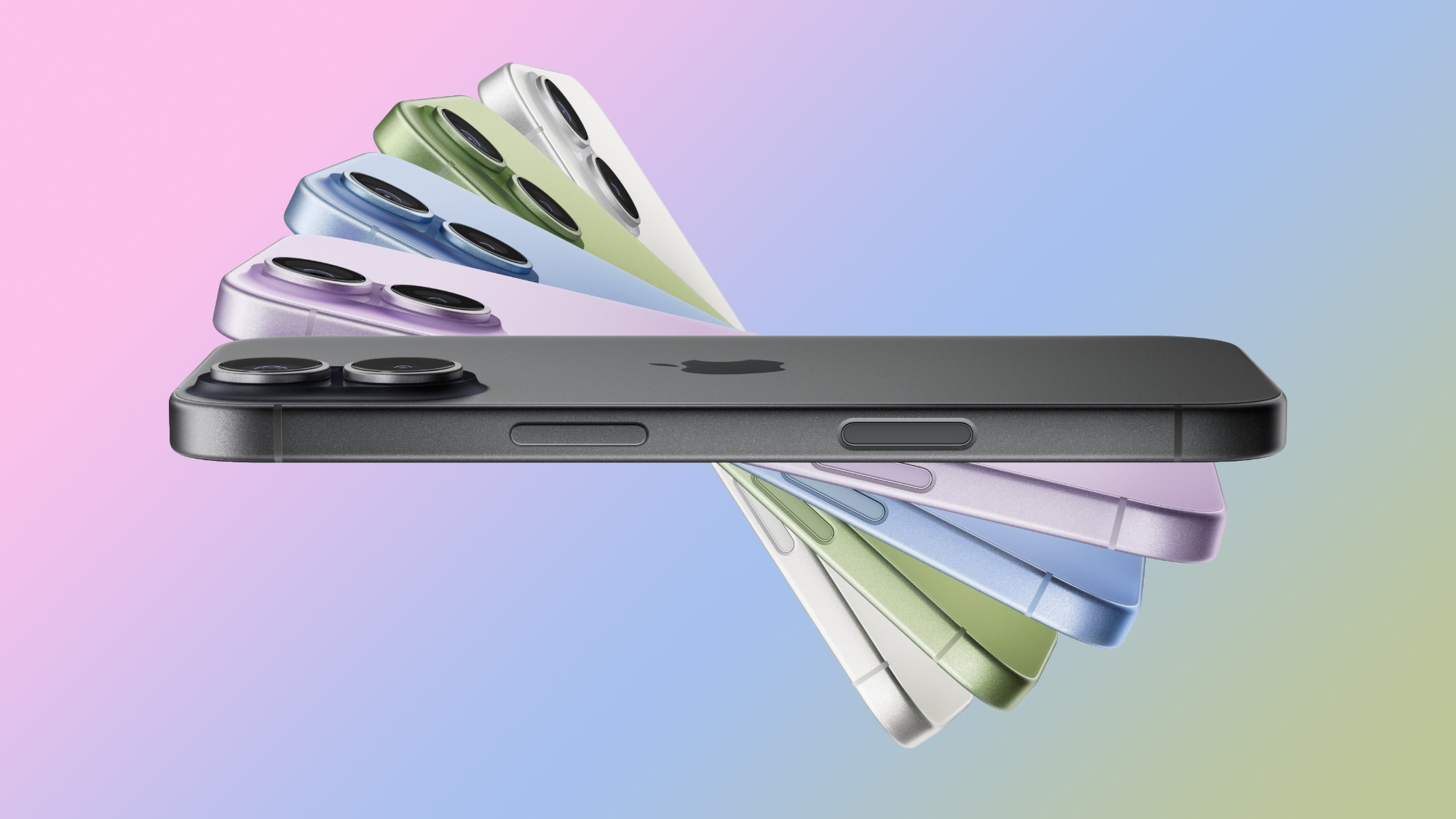
The iPhone 17 lineup was praised at launch for its significant upgrades. The redesigned chassis, featuring more durable materials and a sleeker profile, offered a fresh look that distinguished it from previous generations. Under the hood, the new A-series chip delivered unprecedented performance and efficiency, making everything from gaming to multitasking feel instantaneous. The camera system, a perennial strength for Apple, saw another major leap forward with enhanced low-light performance, advanced computational photography features, and new cinematic video modes that appealed to both casual users and professional content creators.
The Power of a Premium Brand
In China, as in many parts of the world, Apple is not just a tech company; it's a luxury brand. Owning the latest iPhone is often seen as a status symbol, a statement of taste and success. This aspirational quality drives a level of desire that goes beyond specs and features. Consumers are buying into a premium experience, and the iPhone 17, as the newest and most advanced model, became the ultimate object of desire during a shopping festival centered on treating oneself to the best products available.
The Unbeatable Apple Ecosystem
Another crucial factor is the "stickiness" of Apple's ecosystem. A person who owns an iPhone is also likely to own AirPods, an Apple Watch, or a MacBook. Services like iMessage, iCloud, and FaceTime are seamlessly integrated, creating an experience that is incredibly difficult for users to leave. When it's time to upgrade their phone, the path of least resistance and greatest convenience is to simply buy the new iPhone. This ecosystem lock-in creates a massive, loyal customer base that reliably upgrades, providing a stable foundation for blockbuster sales, especially during major promotional events.
Strategic Promotions and Accessibility
While the iPhone is a premium product, Singles Day is all about deals. Major e-commerce platforms offered aggressive discounts, attractive interest-free installment plans, and generous trade-in programs for older devices. These promotions helped to lower the barrier to entry, making the high-end iPhone 17 more accessible to a wider range of consumers. Apple and its retail partners clearly executed a well-planned promotional strategy that capitalized on the shopping fervor of the festival.
A Tough Festival for the Competition
Apple's monumental success story cast a long shadow over its rivals, who faced a much more challenging sales period. The data from Counterpoint reveals a shifting landscape where timing and product cycle are more critical than ever.
Huawei's Untimely Launch
Huawei, once a dominant force in the Chinese market, experienced the steepest decline among the major brands. Its market share fell to 13%, a sharp drop from 17% a year ago. A key reason for this downturn was unfortunate timing. The company's new flagship device, the highly anticipated Mate 80, was launched too late to be a significant factor in the Singles Day festival. By the time the device was available, the peak promotional window had already passed, leaving Huawei unable to capitalize on the shopping spree with its most exciting new product.
Xiaomi's Steady but Slowing Pace
Xiaomi, another domestic giant, managed to hold onto the second-largest market share with 17%. However, despite its strong position, the company's sales also saw a year-over-year decline. The reason, according to analysts, was the earlier release of its flagship Xiaomi 17 series. The phone had launched well before the festival, meaning much of the initial hype and early-adopter sales had already occurred. While still a popular choice, it lacked the "newness" factor that made the iPhone 17 so compelling during the event.
The Bigger Picture: What This Means for Apple's Global Ambitions
The triumph in China is more than just a regional victory; it's a hugely positive signal for Apple's global financial health. The company's performance during Singles Day strongly supports its optimistic forecast for the holiday season. During its most recent earnings call, Apple's leadership team announced that they were anticipating what could be the company's strongest December quarter on record. With China being one of its most important international markets, this blockbuster sales event provides a solid foundation for achieving that ambitious goal.
This success also serves as a powerful counter-narrative to previous concerns about Apple's slowing growth in the region. For years, analysts have debated whether Apple could maintain its momentum in the face of fierce local competition and economic headwinds. The Singles Day results prove that the allure of the iPhone is as strong as ever and that Apple's ability to capture the hearts and minds of Chinese consumers remains unmatched.
Conclusion: A Market Powered by a Single Icon
China's 2025 Singles Day shopping festival will be remembered for one thing: the absolute dominance of the iPhone 17. In a market crowded with innovative competitors, Apple proved that it still occupies a unique and powerful position. Its ability to not only lead sales but to single-handedly lift the entire smartphone market from decline into growth is a feat of commercial strength that few companies in any industry could ever hope to achieve.
As the year draws to a close, Apple is riding a wave of incredible momentum. The iPhone 17 wasn't just another successful product launch; it was a cultural and commercial phenomenon that reshaped the market landscape. For competitors, it's a stark reminder of the challenge ahead. For Apple, it's confirmation that its formula of premium design, powerful technology, and an unparalleled ecosystem continues to be the key to winning one of the world's most vital consumer battlegrounds.
This article, "iPhone 17 Lineup Drives Smartphone Growth in China" first appeared on MacRumors.com
Discuss this article in our forums
from MacRumors
-via DynaSage

Post a Comment