iPad Mini 8: Four Major New Features to Expect
The Future is Small: A Deep Dive into the Rumored 8th-Generation iPad Mini
For years, the iPad mini has carved out a special niche in Apple's lineup. It's not just a smaller iPad; it's the ultimate portable powerhouse, a perfect blend of convenience and capability that fits in one hand. It's the go-to device for pilots, doctors, avid readers, and anyone who values a compact screen that doesn't compromise on performance. But after a few years of incremental updates, the rumor mill is churning with whispers of a revolutionary change on the horizon. Apple's eighth-generation iPad mini is expected to launch next year, and it's not just a minor refresh. We're talking about a significant overhaul, packed with at least four groundbreaking features that could redefine what a small tablet can do.
Get ready to explore a device that could be more vibrant, more powerful, more durable, and more innovative than any iPad mini before it. From a stunning new display technology to a "Pro" level brain and a design that's ready for adventure, let's dive into everything we expect from the next big thing in small tablets.
A Display Revolution: The Arrival of OLED
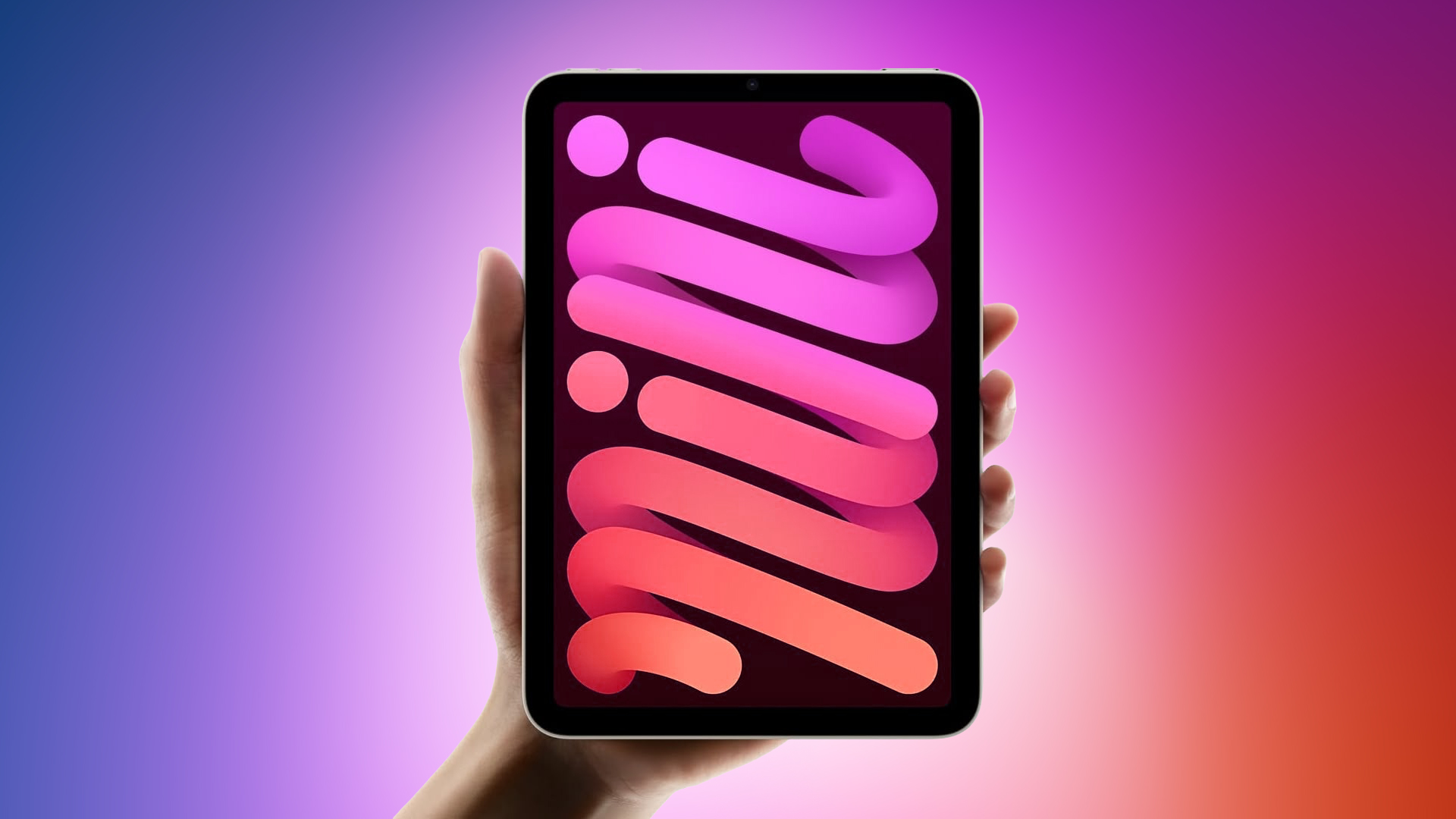
Perhaps the most visually stunning upgrade rumored for the next iPad mini is the leap to an OLED display. This isn't just a minor tweak; it's a fundamental change in how you'll see everything on your screen. The current iPad mini uses a high-quality Liquid Retina LCD display, which is excellent in its own right. However, OLED (Organic Light Emitting Diode) technology is in a different league, and its introduction would be a game-changer for the compact tablet.
So, what makes OLED so special? Unlike LCD screens that use a single backlight to illuminate all their pixels, each individual pixel in an OLED display is its own tiny light source. This allows each pixel to be controlled independently, or turned off completely. This simple difference unlocks a world of visual benefits:
- True Blacks and Infinite Contrast: When a pixel needs to be black, it simply turns off. It's not trying to block a backlight; it's emitting no light at all. This creates perfect, inky blacks, which in turn makes every other color on the screen pop with incredible vibrancy. Whether you're watching a space epic on Netflix or editing a nighttime photo, the level of depth and realism is something an LCD simply can't match.
- Richer, More Accurate Colors: OLED panels are known for their exceptional color reproduction, offering a wider color gamut that makes images look more true-to-life. For artists, photographers, and video editors using the iPad mini on the go, this means more confidence in their creative work.
- Faster Response Times: Because pixels can switch on and off almost instantly, OLED displays have incredibly fast response times. This translates to buttery-smooth scrolling, reduced motion blur in fast-paced videos, and a more responsive feel for gamers. Every tap, swipe, and action feels more immediate.
- Improved Energy Efficiency: Since black pixels are off and not consuming power, OLED screens can be more energy-efficient, especially when viewing dark content or using Dark Mode. This could lead to a welcome boost in the iPad mini's already solid battery life.
- Thinner and Lighter Design: The absence of a separate backlight layer means OLED panels are thinner than their LCD counterparts. This could allow Apple to either make the next iPad mini even slimmer and lighter or use the saved space for a larger battery or other components.
Apple's move to bring OLED to the iPad mini is part of a much larger strategy. The company first introduced the technology with the Apple Watch in 2015, followed by the iPhone in 2017, and most recently, the premium iPad Pro in 2024. The plan is to continue this rollout to other popular devices like the iPad Air and even the MacBook Pro line. Seeing the iPad mini join this elite group would elevate its status and make it a truly premium compact device.
A Powerhouse in Your Palm: The A19 Pro Chip
The iPad mini has always punched above its weight class in terms of performance, and the next generation looks to continue that legacy in a big way. The current model, released in 2024, received a significant boost with the A17 Pro chip, enabling powerful features like Apple Intelligence. But the next upgrade is poised to be even more impressive.
According to code that Apple mistakenly shared, the next-generation iPad mini (codenamed J510/J511) will be equipped with the A19 Pro chip. This is the same family of processors expected to power the flagship iPhone 17 Pro and iPhone Air models. Putting a "Pro" level chip into the smallest iPad is a clear statement: this is not a watered-down device. It’s a professional-grade tool in a portable form factor.
What does this mean for you, the user? A chip like the A19 Pro unlocks a new level of speed and capability. Expect to see:
- Blazing-Fast Performance: Apps will launch instantly, multitasking between demanding programs will be seamless, and the entire operating system will feel incredibly fluid and responsive.
- Console-Level Gaming: The A19 Pro's advanced GPU will handle the most graphically intensive games with ease. Imagine playing AAA titles with high frame rates and stunning visuals on a device you can hold in one hand. The iPad mini could become the ultimate portable gaming console.
- Pro Creative Workflows: Whether you're editing 4K video in LumaFusion, sketching in Procreate with complex layers, or producing music in Logic Pro, the A19 Pro will provide the raw power needed to handle these tasks without breaking a sweat.
- Enhanced AI and Machine Learning: As Apple Intelligence and other AI features become more sophisticated, they will require more powerful neural engines. The A19 Pro will ensure the iPad mini is not just capable of running these features, but excelling at them for years to come. It’s a future-proof investment.
Interestingly, the rumors suggest the iPad mini might use a "binned" version of the A19 Pro chip. The chip in the top-tier iPhone 17 Pro models is expected to feature a six-core GPU, while the version in the iPhone Air and, subsequently, the iPad mini, may have a five-core GPU. This process, known as "chip binning," is a smart and efficient manufacturing practice. Not every chip produced meets the absolute highest performance standards. Instead of discarding these perfectly functional chips, Apple uses them in devices where the slight performance difference is negligible to the user. You'll still be getting a phenomenally powerful A19 Pro chip that represents a massive leap over the current generation.
Adventure-Ready: A Water-Resistant Design
Here's a feature that could fundamentally change where and how you use your iPad mini. According to a report from Bloomberg, Apple is developing a version of the device with a more water-resistant design. If this comes to fruition, it would be the very first iPad of any kind to carry an official water resistance rating, marking a major milestone for the product line.
For years, iPhone users have enjoyed the peace of mind that comes with IP68 water resistance, which protects their device against accidental spills, rain, and even full submersion (up to six meters for 30 minutes). Bringing this level of durability to the iPad mini would unlock a host of new possibilities and remove a significant point of anxiety for users.
Imagine the freedom of using your iPad mini without fear in environments where you'd normally hesitate. You could:
- Read by the Pool or at the Beach: Relax and enjoy an e-book or magazine without worrying about an errant splash ruining your device.
- Follow a Recipe in the Kitchen: Browse recipes and watch cooking tutorials right on your countertop, knowing that spills and splashes are no longer a threat.
- Use it as a Navigation Tool on a Boat: The iPad mini is already a favorite among pilots and sailors, and adding water resistance would make it an even more reliable companion in the cockpit or on the deck.
- Entertain Kids in the Bath: Let your children watch a show or play a game during bath time without the risk of a costly accident.
While the exact IP rating for the new iPad mini is still unknown, it's expected to be similar to the robust protection found on the iPhone. This isn't about encouraging you to take your iPad swimming, but about making it resilient enough to withstand the rigors of everyday life. It’s a practical upgrade that adds immense value by making the device more versatile and durable.
A New Wave of Sound: Redesigned Speaker System
So, how would Apple achieve a water-resistant design in a device with speaker openings? The answer appears to lie in another innovative hardware upgrade: a completely new speaker system. To create a more sealed and durable chassis, Apple has reportedly engineered a system that eliminates the need for traditional speaker grilles—those tiny holes that are a prime entry point for water and dust.
This new system is said to use a vibration-based technology, likely leveraging piezoelectric actuators. In simple terms, instead of a traditional speaker cone pushing air through a hole, this technology could use vibrations transmitted through the device's screen or frame to generate sound. This would allow for a completely sealed enclosure, significantly boosting its resistance to the elements.
This is a clever and elegant engineering solution. While Apple currently uses sophisticated adhesives and gaskets to protect the speaker holes on the iPhone, removing the holes altogether is a more robust approach. A solid, uninterrupted frame is inherently stronger and less prone to ingress.
Beyond the primary benefit of water resistance, this new speaker technology could bring other advantages. A solid-state, vibration-based system could potentially offer a different audio profile, perhaps a fuller or more immersive sound. It would also contribute to a sleeker, more minimalist aesthetic, with an uninterrupted metal band around the device. This move is a perfect example of Apple's design philosophy: solving a practical problem (water resistance) with an innovative solution that also enhances the device's form and function.
Putting It All Together: Release Date and Price
With so many significant upgrades on the table, when can we expect to get our hands on this next-generation iPad mini, and what will it cost?
Currently, there are no concrete rumors pinpointing an exact release date. However, industry analysts suggest a launch in the first half of 2026 seems plausible. This timeline would align well with Apple's typical product refresh cycles, possibly seeing the new iPad mini debut alongside updated iPad Air models.
As for the price, a substantial upgrade usually comes with a corresponding price adjustment. The combination of a costly new OLED display, the cutting-edge A19 Pro chip, and the research and development required for water resistance and a new speaker system will almost certainly lead to a price increase. It's expected that Apple could charge up to $100 more for the new model. With the current iPad mini starting at $499, this could push the entry-level price of the new version to around $599.
While a price hike is never welcome news, the sheer scale of the improvements would likely justify the added cost for many users. The leap from the current model to this rumored eighth-generation device is not just an update; it's a transformation. You're not just paying for a faster chip, but for a fundamentally more premium, capable, and durable device.
The next iPad mini is shaping up to be the most exciting update in the product's history. It's poised to become an even more indispensable tool for a wide range of users, combining unparalleled portability with pro-level features. It will be the ultimate companion for reading, gaming, creating, and exploring, now with the durability to join you on any adventure.
This article, "iPad Mini 8: Four Major New Features to Expect" first appeared on MacRumors.com
Discuss this article in our forums
from MacRumors
-via DynaSage

Post a Comment