Happy 24th Anniversary, iPod
Happy 24th Birthday, iPod: Remembering the Device That Changed Music Forever
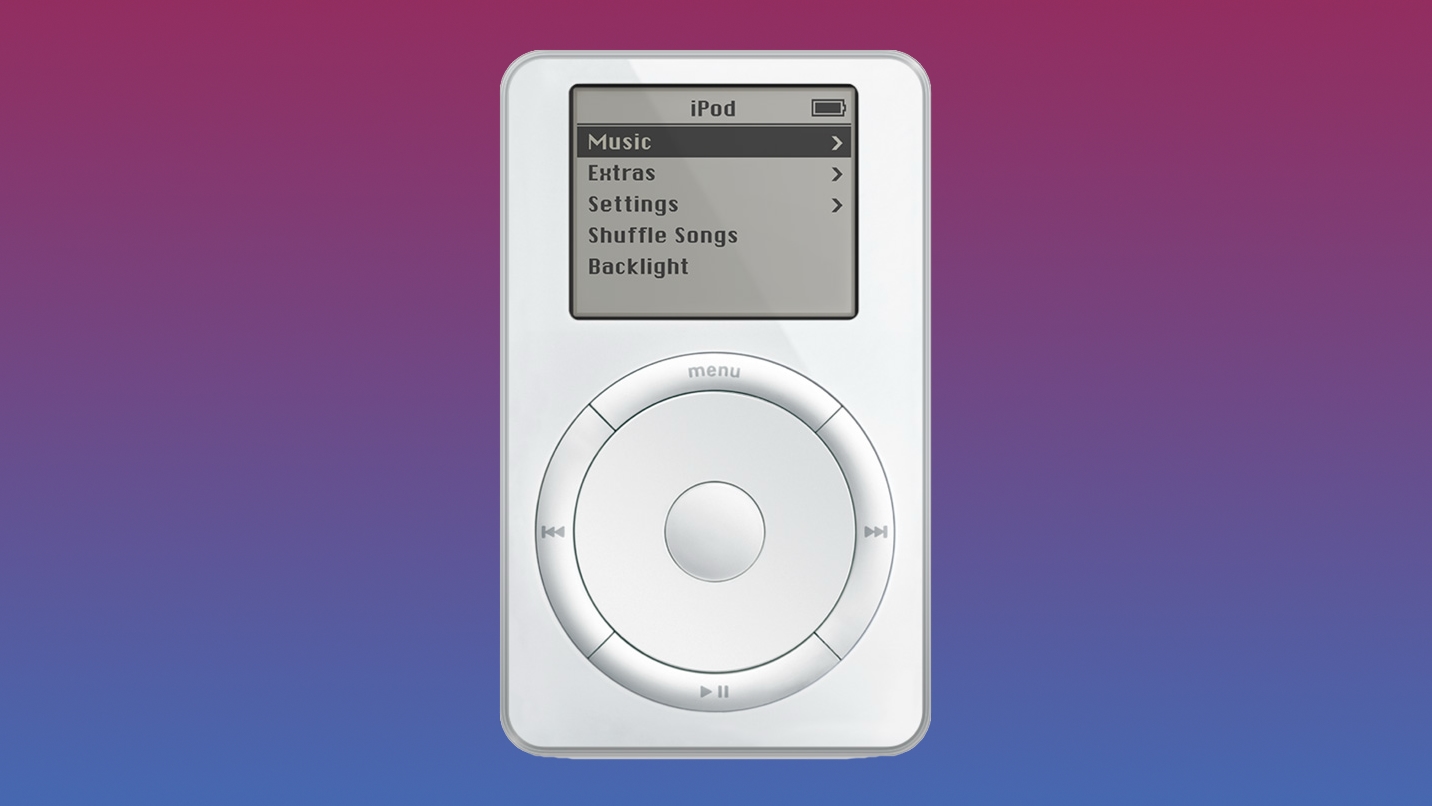
On November 10, 2001, the world of music changed forever. On that day, Apple released the very first iPod, a device that would not only redefine how we listen to music but also set the stage for the smartphone revolution. Today marks the 24th anniversary of that momentous launch, a perfect time to look back at the birth of a true icon, the wild rumors that preceded it, and the lasting legacy it left behind.
The Wild Rumors Before the Big Reveal
Long before every detail of a new Apple product was leaked weeks in advance, the tech world of 2001 was a place of mystery and speculation. When word got out that Apple was working on a new portable device, the rumor mill went into overdrive, but nobody seemed to know exactly what it was. The speculation was wild, and in hindsight, wonderfully imaginative.
One of the most prominent early rumors, found on tech forums, suggested Apple was creating a device nicknamed the "iWalk." This wasn't imagined as a simple music player. Instead, the speculation pointed toward a full-fledged Personal Digital Assistant (PDA). The "iWalk" was rumored to feature a high-color screen with handwriting recognition, positioning it as a competitor to the Palm Pilots of the era. The idea was that Apple was building a pocket computer, not just a music box.
Other major tech publications were just as stumped. An article from CNET confidently claimed that the device was far too advanced and sophisticated to be just an MP3 player. They theorized it was more likely a central component for a home digital stereo system. Similarly, a German website painted a picture of a device that functioned "like a standalone CD-writer" and was designed to look like a high-end "Hifi component." While they were wrong about the form factor, they did accurately predict one of its core functions: making it possible to "have all the music in the house stored on one place." They envisioned it as a kind of early, speaker-like device that could stream music, a concept that sounds more like a modern smart speaker than the portable gadget it turned out to be.
As the official announcement in late October 2001 drew closer, more reliable rumors began to surface. These whispers correctly identified it as a digital music device designed to sync with a computer. Just days before the launch, the now-iconic iPod name finally leaked. Still, even with these last-minute clues, the full picture remained a mystery. The leak culture of 2001 was nothing like the detailed, part-by-part reveals we see today. When Steve Jobs finally took the stage, the world was genuinely surprised by what he had to show.
Launch Day: Excitement, Complaints, and a Glimpse of the Future
When the iPod officially went on sale on November 10, 2001, it was met with a mix of awe and skepticism. True to form, dedicated Apple fans lined up to buy one on the very first day. This act of lining up for a new product would become a hallmark of Apple launches for years to come, reaching a fever pitch with future releases of the iPhone.
However, like any new product launch, especially one that challenges the status quo, the iPod faced its share of early criticism. A look back at the forums from that time reveals a familiar pattern of complaints that often accompany a first-generation Apple device:
- The Price Was Too High: At $399, many people felt the iPod was way too expensive. In a world of cheap portable CD players and small flash-based MP3 players that held a dozen songs, the price tag was a shock. It was a premium product demanding a premium price, and many initially balked at the cost.
- It Was a Fingerprint Magnet: The iPod's back was made of a beautiful, mirror-finish polished steel. While it looked stunning in photos, users quickly discovered that it attracted too many fingerprints and was easily scratched. This critique of beautiful but delicate design would become a recurring theme for many Apple products.
- The Sound Wasn't "Good Enough": For audio purists accustomed to the quality of CDs, the compressed MP3 files on the iPod felt like a step down. Some early adopters complained that the sound quality isn't good enough, igniting a long-standing debate between the convenience of digital music and the fidelity of physical media.
- It Got Warm: Some of the first users noted that the device would get warm when charging. While not a major functional issue, it was an early quirk of cramming a hard drive and battery into such a small space.
- It Was Only for Mac Users: Perhaps the biggest initial barrier to the iPod's success was that it was Mac only. This decision completely cut out the massive market of Windows PC users, limiting its initial audience and leading many to dismiss it as a niche gadget for Apple fans.
Despite these early complaints, there were also plenty of users who were absolutely thrilled with the iPod. The ability to carry a 5GB hard drive in your pocket—enough for 1,000 songs—was simply mind-blowing at the time. Before the iPod, the best MP3 players held only a handful of songs. The iPod wasn't just a music player; its fast FireWire connection also allowed it to be used as a portable hard drive for transferring files, a major bonus for professionals and students.
While other MP3 players existed, none combined the iPod's massive storage capacity, elegant design, and intuitive user interface. The mechanical scroll wheel was a stroke of genius, making it effortless to browse through hundreds of songs. It was this combination of features that made the iPod a truly revolutionary device, setting it on a path to becoming one of the most successful consumer electronics products of all time.
The End of an Era and the Spirit That Lives On
The iPod's reign was long and transformative, but its incredible success ultimately paved the way for its own replacement. The launch of the iPhone in 2007, a device that did everything an iPod could do and so much more, marked the beginning of the end for dedicated music players. Why carry two devices when one could do it all?
Over the years, Apple slowly phased out the iPod line. The iPod classic, nano, and shuffle were all retired, leaving only the iPod touch. The touch was essentially an iPhone without the phone capabilities, and Apple updated it sporadically. After its last update in 2019, the writing was on the wall. In 2022, Apple officially discontinued the last iPod, formally ending the product line that had saved the company two decades earlier.
Apple rarely announces when it stops making a product, but the iPod was different. Given its monumental impact, the company made a rare exception. In a statement, Apple's marketing chief Greg Joswiak said that the "Spirit of the iPod lives on" across all of its current products, from the iPhone and Apple Watch to the HomePod. That spirit—a relentless focus on simplicity, ease of use, and the seamless integration of hardware and software—is the iPod's true legacy.
Next year, the iPod will celebrate its 25th anniversary. While it's unlikely Apple will revive a music-only device in an age of streaming, the company is reportedly working on a new home hub designed to play music, run apps, and control smart home devices. It's described as a small device with a screen, and it’s possible that when Apple unveils it, the company could reference the iPod's iconic design or even borrow part of its legendary name, just as it did with the HomePod. For now, we celebrate the 24 years since the original iPod first appeared and changed our world, one song at a time.
This article, "Happy 24th Anniversary, iPod" first appeared on MacRumors.com
Discuss this article in our forums
from MacRumors
-via DynaSage

Post a Comment