Gurman: Tim Cook Likely to Remain Apple CEO Until at Least Mid-2026
Is Tim Cook Stepping Down? Decoding the Rumors About Apple's Next Leader
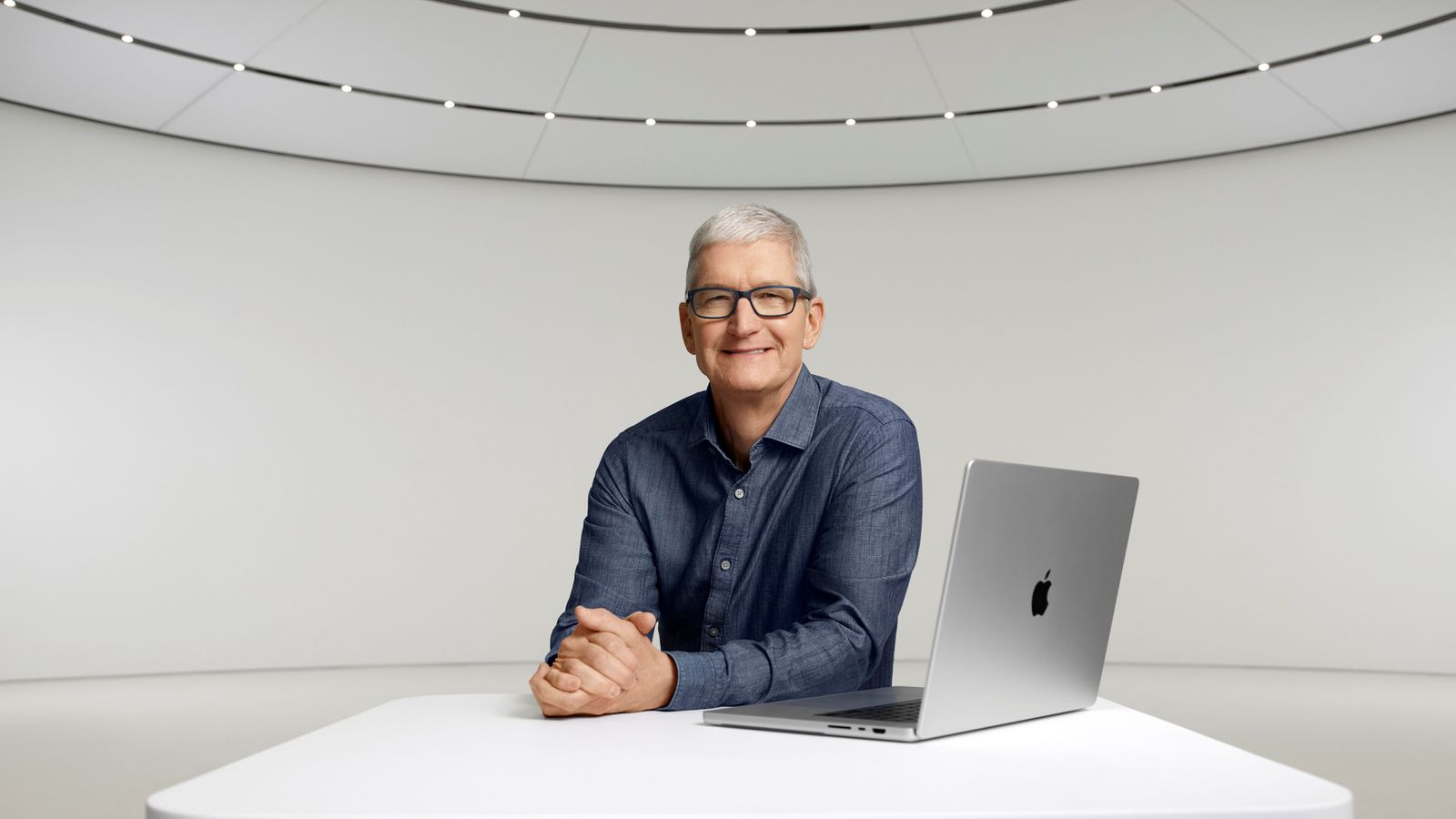
The tech world was recently set abuzz by a significant report concerning the future of one of the most powerful companies on the planet. Earlier this month, the Financial Times published a story suggesting that Apple is actively preparing for its iconic CEO, Tim Cook, to step down "as soon as next year." This news sent ripples through the industry, sparking intense speculation about who could possibly fill the shoes of the man who took the reins from Steve Jobs and steered Apple to unprecedented financial success.
The idea of a new leader at Apple is monumental. It’s a transition that could define the company's direction for the next decade. However, just as the conversation began to gain momentum, a leading voice in the world of Apple reporting stepped in to pour cold water on the rumors. So, what’s really going on? Is Tim Cook preparing for his departure, or is this just premature speculation? Let's dive deep into the reports, the key players, and what this all means for the future of Apple.
The Initial Spark: The Financial Times Report
The report that ignited this entire discussion came from the Financial Times, a globally respected financial newspaper. According to their sources, Apple's board is not just thinking about a successor but actively preparing for a transition. The proposed timeline was surprisingly soon: "as soon as next year."
The report went on to suggest a strategic reason for this timing. An announcement made early in the year, perhaps after Apple's first-quarter earnings report in late January, would allow for a seamless and stable leadership handover. This structured transition would ensure the new CEO is firmly in place well before two of Apple’s most critical annual events: the Worldwide Developers Conference (WWDC) in June, where Apple unveils its latest software, and the flagship iPhone launch event in September.
This line of reasoning makes perfect sense. A sudden departure or a mid-year transition could create uncertainty and distract from these massive product showcases. By handling the change early, Apple would project an image of stability and control, reassuring investors, employees, and customers that the company is in capable hands. The report implied that the planning was not just a distant thought but an active process, signaling that the end of the Tim Cook era might be closer than anyone had imagined.
The Counterpoint: Mark Gurman Enters the Fray
Just as the speculation began to solidify, Mark Gurman of Bloomberg, arguably the most well-connected journalist covering Apple today, offered a starkly different perspective. In his popular Power On newsletter, Gurman directly addressed the Financial Times report, stating unequivocally that he would be "shocked" if Cook were to step down within the timeframe suggested.
Gurman’s reporting is highly regarded because his sources are often deep within Apple, giving him unique insight into the company's internal workings. He wrote, "Based on everything I've learned in recent weeks, I don't believe a departure by the middle of next year is likely." He didn't stop there, describing the earlier report as "premature" and "simply false."
According to Gurman, there have been "few signs internally" that Tim Cook is preparing for an imminent departure. This is a crucial detail. A CEO transition at a company like Apple would involve a cascade of internal preparations, from board meetings to executive shuffles. The fact that Gurman’s sources see no such activity strongly suggests that a 2025 exit is not on the cards. His rebuttal effectively calmed the storm, shifting the consensus from "it's happening soon" to "it will happen eventually, but not yet."
A Look Back at the Tim Cook Era
To understand why this news is so significant, it's important to appreciate the monumental impact Tim Cook has had on Apple. When he took over as CEO in August 2011, following the resignation of the legendary Steve Jobs, the world was skeptical. Many wondered if the operational expert could fill the shoes of the visionary product genius. The answer turned out to be a resounding yes, though in his own distinct way.
Cook, who turned 65 this year, has overseen a period of almost unimaginable growth. While Jobs was the architect of the iPhone, Cook was the master builder who turned it into a global empire. Under his leadership, Apple’s market capitalization soared from around $350 billion to, at its peak, over $3 trillion, making it the most valuable company in the world.
His tenure has been marked by several key achievements:
- New Product Categories: While some critics claimed Apple lost its innovative spark after Jobs, Cook successfully launched entirely new, market-defining products, including the Apple Watch and AirPods. Both have become dominant forces in their respective categories.
- The Services Juggernaut: Cook brilliantly diversified Apple's revenue streams. He grew the services division—which includes the App Store, Apple Music, iCloud, and Apple TV+—into a business that generates more revenue than many Fortune 500 companies.
- Operational Excellence: As a former Chief Operating Officer, Cook's mastery of supply chain and logistics is legendary. He has navigated global manufacturing challenges, trade wars, and a pandemic while keeping Apple's massive product engine running smoothly.
- Championing Values: Cook has also defined his era by placing a strong emphasis on corporate values. He has been a vocal advocate for user privacy, environmental sustainability, and human rights, embedding these principles into Apple's brand identity.
His leadership style is vastly different from Jobs'. Where Jobs was famously mercurial and product-obsessed, Cook is calm, methodical, and collaborative. He has built a stable executive team and fostered a culture of operational precision. Any successor will not only inherit a financial powerhouse but also a company deeply shaped by Cook's steady hand and principled leadership.
The Heir Apparent: Who is John Ternus?
Whenever the time for a transition does come, one name consistently rises to the top of the list of likely successors: John Ternus, Apple's Senior Vice President of Hardware Engineering.
While not a household name outside of Apple-enthusiast circles, Ternus has become increasingly visible in recent years, often taking the stage during Apple's keynote events to present new products. He is widely viewed internally and externally as the most probable candidate to become Apple's next CEO.
Ternus joined Apple in 2001 and has steadily risen through the ranks of the product design and engineering teams. His career is a highlight reel of Apple's most successful products. He has played a key role in the development of AirPods, led the engineering of multiple generations of the iPad, and, most significantly, oversaw the monumental transition of the Mac lineup from Intel processors to Apple's own powerful M-series chips.
This last achievement is particularly noteworthy. The move to Apple silicon was a massive, risky undertaking that has been executed flawlessly, resulting in Mac products that are more powerful and efficient than ever before. Ternus’s leadership on that project earned him immense respect within the company and a promotion to his current role, where he oversees all hardware engineering for iPhone, iPad, Mac, AirPods, and more.
Colleagues reportedly describe him as well-liked, calm under pressure, and someone who, like Cook, makes decisions based on deep knowledge and analysis rather than gut instinct. His engineering background means he has a profound understanding of the products that are the lifeblood of Apple. In many ways, he represents a "best of both worlds" candidate—an engineer with a deep product sensibility, much like Steve Jobs, but with a composed and steady demeanor more akin to Tim Cook.
Why a CEO Change at Apple is Such a Big Deal
The transition of power at Apple is more than just a corporate shuffle; it’s a cultural event. The last time this happened, it was under the sad circumstances of Steve Jobs' failing health. The shift from a founder-visionary to an operational leader was a defining moment for the company. The next transition will be equally critical.
The new CEO will inherit a company at the peak of its power but also one facing a new set of challenges:
- The Next Big Thing: Apple's growth has been fueled by the iPhone for over a decade. While the Apple Watch and AirPods were successful, the company is still searching for its next revolutionary product category. The pressure will be on the next leader to deliver on new frontiers, such as the recently launched Vision Pro and the burgeoning field of artificial intelligence.
- Regulatory Headwinds: Big Tech is under a microscope. Apple is facing antitrust lawsuits and regulatory scrutiny around the world, particularly concerning its App Store policies. Navigating this complex legal and political landscape will require immense diplomatic skill.
- Maintaining the Magic: Perhaps the biggest challenge is preserving Apple's unique culture. The company is built on a foundation of innovation, secrecy, and an obsessive focus on user experience. The next CEO must be a steward of this culture while also guiding the company to evolve and adapt.
Conclusion: The Watch Continues, But Cook Remains at the Helm
So, where does this leave us? Based on the most reliable reporting from Mark Gurman, Tim Cook is not packing his bags just yet. The Financial Times story may reflect long-term succession planning discussions happening at the board level, which is a normal and responsible part of governing any major corporation. However, the day-to-day reality inside Apple seems to be business as usual, with Cook firmly in command.
The conversation, however, has been irrevocably started. For the first time in over a decade, the public is seriously contemplating an Apple without Tim Cook as its CEO. The focus will now intensify on potential successors like John Ternus, whose every public appearance will be scrutinized for clues about his readiness to lead.
Tim Cook has defined an era of incredible success for Apple, transforming it into a global behemoth and a cultural force. His legacy is secure. Whenever he decides to step down, he will leave behind an incredibly powerful, complex, and iconic company. The challenge for his successor will be not just to maintain that success, but to define the next chapter for Apple in a rapidly changing world. For now, though, the Cook era continues.

This article, "Gurman: Tim Cook Likely to Remain Apple CEO Until at Least Mid-2026" first appeared on MacRumors.com
Discuss this article in our forums
from MacRumors
-via DynaSage

Post a Comment