Future of Apple Fitness+ 'Under Review'
Is Apple Fitness+ on the Ropes? A Deep Dive Into Its Uncertain Future
For years, Apple has been on a mission to integrate itself seamlessly into every part of our daily lives, and a significant frontier in that quest has been health and wellness. The Apple Watch is a testament to this, evolving from a simple smartwatch into a powerful health-monitoring device. In 2020, Apple took the next logical step with the launch of Apple Fitness+, a premium, on-demand workout service designed to leverage its hardware and create the ultimate home gym experience. It promised studio-quality workouts, charismatic trainers, and perfect integration with the Apple ecosystem. Yet, despite its polished presentation and the power of the Apple brand, recent reports suggest that all is not well in the virtual fitness studio.
According to a report from the highly respected Mark Gurman of Bloomberg, the entire future of Apple Fitness+ is currently "under review." This revelation has sent ripples through the tech and fitness communities, raising questions about the service's performance, its place in Apple's sprawling services empire, and what might come next. Is this a sign of an impending shutdown, a major overhaul, or simply a course correction? In this deep dive, we'll unpack what's going on with Apple Fitness+, explore the reasons behind this high-level review, and speculate on what the future might hold for Apple's ambitious foray into fitness.
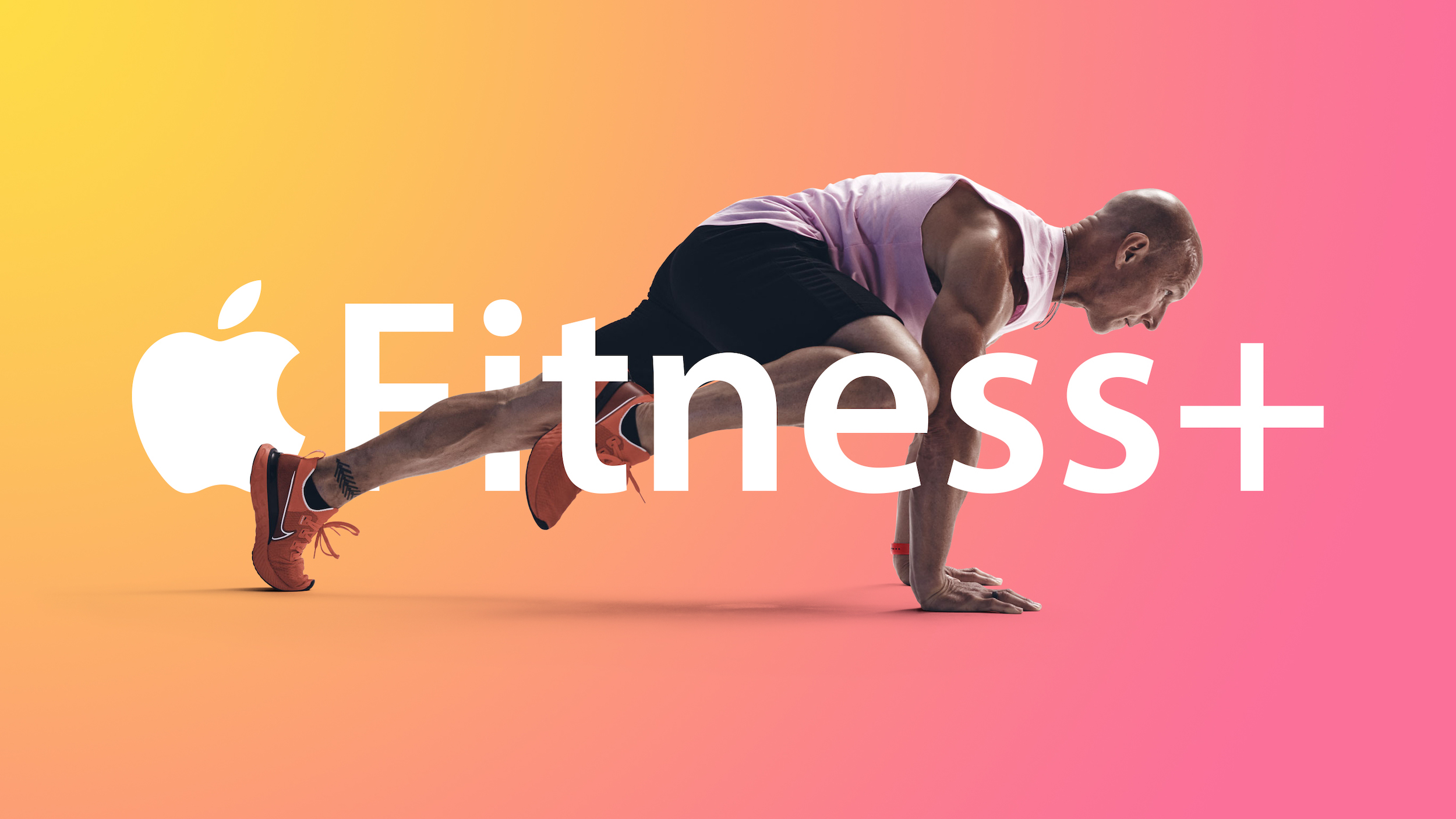
What Exactly is Apple Fitness+? A Refresher
Before we dissect the challenges, it's important to understand what Apple Fitness+ is and what it aimed to achieve. Launched in December 2020, Fitness+ is an ad-free, video-on-demand guided workout streaming service. Think of it as the Netflix of fitness, but with a unique Apple twist. The core premise is its deep integration with the Apple Watch. When you start a workout on your iPhone, iPad, or Apple TV, your Apple Watch automatically syncs, displaying your real-time heart rate, calories burned, and Activity Rings directly on the screen. This creates a more immersive and data-driven experience than simply following a generic workout video.
The service offers a wide variety of workout types, including High-Intensity Interval Training (HIIT), Yoga, Core, Strength, Treadmill (for both walking and running), Cycling, Rowing, Dance, and Mindful Cooldown. Apple has consistently added new categories like Pilates, guided Meditation, and "Time to Walk," an audio-based experience featuring inspiring stories from celebrities and influential figures to accompany your walks. The workouts are led by a diverse and energetic team of trainers, filmed in beautifully designed, state-of-the-art studios. The production quality is, as you'd expect from Apple, second to none.
Priced at $9.99 per month or $79.99 per year, it's competitively positioned against other digital fitness apps. Crucially, it's also included in the top-tier Apple One Premier bundle, which packages it with Apple Music, Apple TV+, Apple Arcade, Apple News+, and 2TB of iCloud+ storage. This bundling strategy is key to understanding both its potential reach and its reported financial struggles.
Cracks in the Armor: Why is Fitness+ Facing a Review?
On the surface, Fitness+ looks like a solid product. So, why is it reportedly considered one of Apple's "weakest digital offerings"? In his "Power On" newsletter, Gurman points to two primary culprits: high churn and low revenue. Let's break those down.
The High Churn Problem
"Churn" is a business term for the rate at which customers stop doing business with a company. In the context of a subscription service, it means the percentage of subscribers who cancel their membership in a given period. A high churn rate for Fitness+ suggests that while people may be intrigued enough to sign up—perhaps through a free trial with a new Apple Watch—they aren't sticking around for the long haul.
There could be several reasons for this. The fitness market is incredibly crowded and competitive. Giants like Peloton have built a fanatical community around their hardware and live classes. Services like Nike Training Club offer a vast library of workouts for free. Countless fitness influencers provide endless content on YouTube and Instagram at no cost. In this environment, Apple Fitness+ needs to offer a compelling, can't-live-without-it experience to justify its monthly fee, and for many, it may not be clearing that bar. While the Apple Watch integration is clever, it might not be a strong enough hook to maintain long-term engagement once the novelty wears off.
The Low Revenue Dilemma
The issue of low revenue is directly tied to the churn rate and the service's place within the Apple One bundle. For a company the size of Apple, a service needs to generate significant income to be considered a major success. While millions of users have access to Fitness+ through the Premier bundle, Apple doesn't see a direct $9.99 from each of those users. The revenue is allocated across the six services in the bundle, meaning the portion credited to Fitness+ is relatively small.
This creates a difficult situation. The service isn't a standalone financial powerhouse like the App Store or Apple Music. Its primary financial role may be to make the Apple One Premier bundle more attractive and to sell more Apple Watches. However, if the service itself isn't a strong enough draw, it fails to effectively perform even that secondary role. This likely leads to executives looking at the balance sheet and seeing a service that costs money to produce (trainer salaries, studio costs, content production) but doesn't contribute much to the bottom line.
The Saving Grace: A Loyal Fanbase and Low Operating Costs
If the service is underperforming, why not just shut it down? Apple has discontinued products and services before (remember the HomePod?). According to Gurman, two factors make this a complicated decision.
First, Fitness+ has cultivated a "small, loyal fanbase." These are likely users who are deeply embedded in the Apple ecosystem, love the trainers, and have integrated the service into their daily routines. For these customers, Fitness+ is a key part of their Apple experience. Abruptly discontinuing the service would alienate these dedicated users and result in a significant "backlash." For a company that trades on customer loyalty and satisfaction, this kind of negative PR is something it actively seeks to avoid.
Second, the service is "sufficiently inexpensive to operate." While not free, the cost of running a video production studio and paying a team of trainers is a drop in the ocean for a trillion-dollar company like Apple. The potential savings from shutting it down might not be worth the negative headlines and customer outrage it would inevitably generate. This puts Apple in a bind: the service isn't a runaway success, but it's not a costly failure either. It's simply... underperforming.
A Shake-Up at the Top: New Leadership Signals Change
Perhaps the most concrete sign that Apple is serious about changing the trajectory of Fitness+ is the reported reorganization. Gurman reveals that the service is set to get new management. Apple's vice president of health, Sumbul Desai, is slated to take direct control of the Fitness+ team.
This is a significant move. Dr. Desai has been the face of Apple's health initiatives for years, overseeing projects like the Apple Heart Study and the development of health features like ECG and blood oxygen monitoring on the Apple Watch. Placing Fitness+ directly under her leadership suggests a strategic shift. Instead of viewing it primarily as a media or content service (like Apple TV+), Apple may be looking to integrate it more deeply into its broader health and wellness ecosystem. The focus could shift from just "working out" to a more holistic view of "wellbeing," where Fitness+ becomes a proactive tool within the Apple Health app.
Furthermore, the entire health division, which now includes Fitness+, will reportedly report directly to Eddy Cue, Apple's senior vice president of Internet Software and Services. Cue is one of Apple's most powerful executives, overseeing all of the company's content stores and services, including Apple Music, Apple TV+, and iCloud. Bringing Fitness+ under his direct purview means it will be scrutinized with the same lens as Apple's other major service offerings. The pressure to improve results, demonstrate growth, and prove its value within the services portfolio is about to be dialed up significantly.
What Could the Future of Apple Fitness+ Look Like?
With a high-level review underway and new leadership at the helm, change is almost certain. The question is, what form will it take? Here are a few potential scenarios for the future of Apple Fitness+.
Scenario 1: The Major Revamp
In this scenario, Apple decides to double down on Fitness+. Acknowledging its shortcomings, the company could invest heavily in new features to make it more competitive. This could include adding a much-requested social component, allowing friends to compete or work out together virtually. Another possibility is the introduction of live classes, a key feature that drives engagement for competitors like Peloton. We could also see more advanced personalization, with the service using data from the Health app to generate custom workout plans tailored to a user's specific goals and fitness level. A deeper push into health-adjacent content, like nutrition and mental wellness, could also be on the table under Dr. Desai's leadership.
Scenario 2: The Strategic Repositioning
Instead of trying to compete head-on with Peloton as a standalone fitness giant, Apple could reposition Fitness+ as a core feature of its hardware and ecosystem. It might stop emphasizing the $9.99 standalone price and instead market it almost exclusively as a value-add for the Apple One bundle and, most importantly, as a reason to buy an Apple Watch. Its success would no longer be measured by direct subscriptions but by its "attach rate"—how effectively it drives sales of more profitable hardware. It would become less of a product and more of a powerful marketing tool, similar to how iMessage helps sell iPhones.
Scenario 3: The Status Quo Niche
Apple could also choose a less dramatic path. It might accept that Fitness+ is a niche service that appeals to its most loyal customers and decide to simply maintain it. This would involve continuing to produce new content to keep the existing library fresh but without making major new investments in game-changing features. The service would continue to exist, serving its dedicated community and adding a little extra value to the Apple One bundle, but without any grand ambitions of taking over the fitness world. This seems like a stable, low-risk option, but it might not satisfy the pressure for growth from the top.
Scenario 4: The Unlikely Shutdown
While Gurman suggests this is unlikely due to the user backlash and low operating costs, it can't be ruled out entirely. If the new leadership fails to turn things around and the service continues to stagnate, Apple might eventually decide to cut its losses. This would likely be a slow phasing-out rather than an abrupt shutdown, perhaps by no longer producing new content and eventually retiring the service, giving users ample warning to transition to other platforms.
What This Means for You
If you're a current Apple Fitness+ subscriber, especially one who loves the service, this news might be unsettling. However, the immediate future is likely bright. The increased scrutiny and new leadership mean that the service is more likely to see improvements and new features in the short term than it is to be shut down. Apple is putting its A-team on the case, which is a sign of commitment, not abandonment. Your feedback and continued use are now more valuable than ever as the team looks to understand what works and what doesn't.
If you've been considering trying Fitness+, it might be a good time to keep an eye on it. Any upcoming changes will likely be designed to attract and retain new users like you. A potential revamp could make the service a much more compelling offer than it is today.
Conclusion: A Service at a Crossroads
Apple Fitness+ is at a critical juncture. It's a beautifully produced, technically impressive service that has nonetheless struggled to find its footing in a fiercely competitive market. The reports of it being "under review" are not a death sentence but a clear signal that the status quo is no longer acceptable. The new leadership under Sumbul Desai and the direct oversight from Eddy Cue show that Apple is taking the situation seriously.
The coming months will be crucial. We will likely see Apple attempt to redefine what Fitness+ is and who it's for. Will it evolve into a more deeply integrated health tool, a more social and community-driven platform, or simply a stronger perk for Apple's ecosystem? Whatever path it takes, the journey of Apple Fitness+ from a "weak" offering to a potential powerhouse will be a fascinating case study in the challenges of building a successful service, even for a company as powerful as Apple.

This article, "Future of Apple Fitness+ 'Under Review'" first appeared on MacRumors.com
Discuss this article in our forums
from MacRumors
-via DynaSage

Post a Comment