Apple to Remove iPhone-Apple Watch Wi-Fi Sync in EU With iOS 26.2
iPhone and Apple Watch to Lose Key Wi-Fi Feature in Europe: Here's Everything You Need to Know
If you live in the European Union and own both an iPhone and an Apple Watch, you're probably familiar with the seamless, almost magical way they work together. One of the most convenient, "it just works" features is how your Apple Watch automatically learns and connects to Wi-Fi networks your iPhone has used. Unfortunately, this handy piece of integration is set to disappear for users in the EU with the release of a future software update, reportedly iOS 26.2.
Apple has decided to disable the automatic Wi-Fi network syncing feature between the iPhone and Apple Watch, a move that stems directly from a major regulatory push by the European Commission. While it might seem like a small technical change, it represents a significant development in the ongoing tug-of-war between big tech companies and regulators over how our digital world should operate. Let's dive deep into what's changing, why it's happening, and what it means for you.
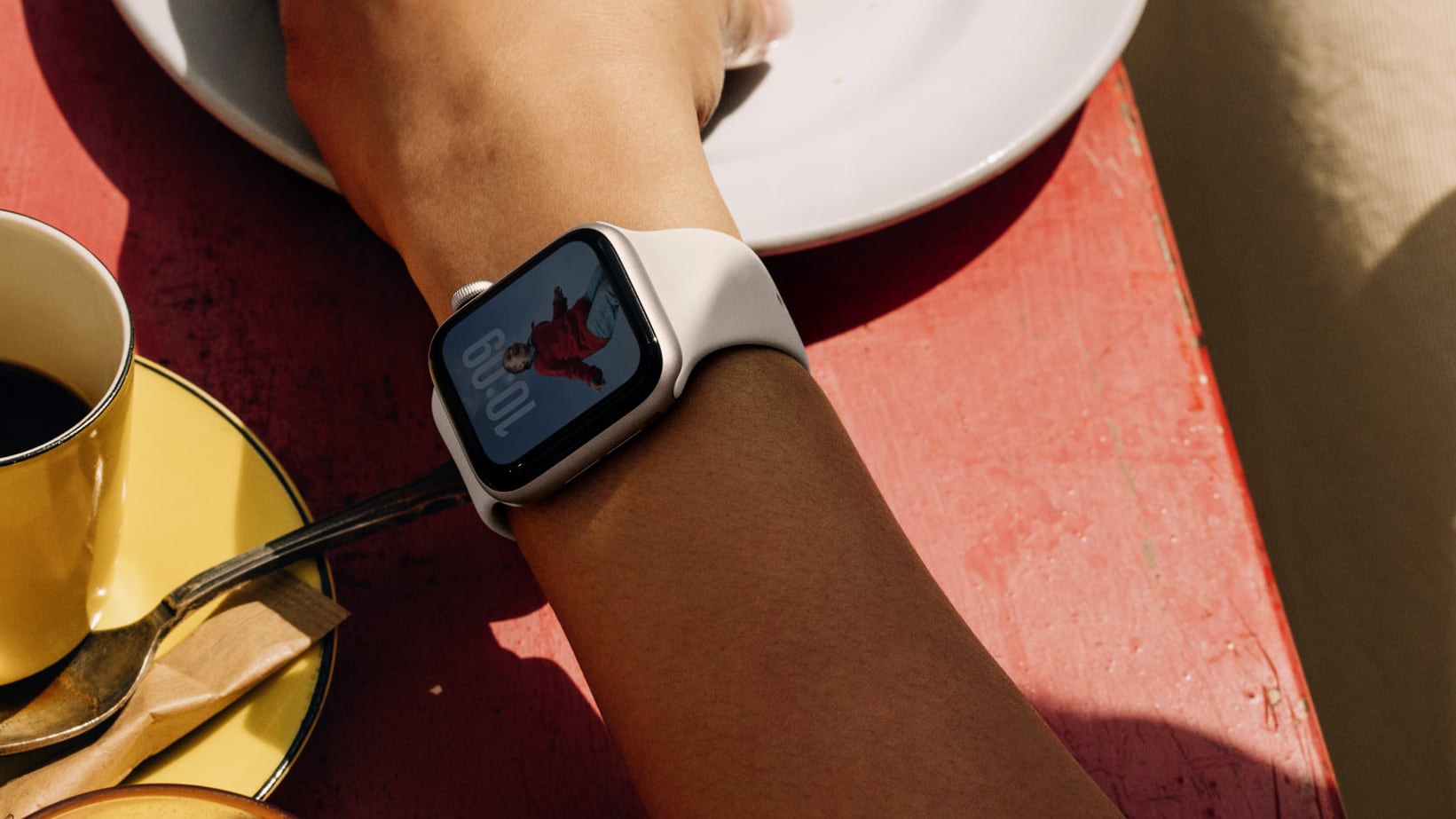
What is Wi-Fi Syncing and How Does It Work Now?
Before we explore what's being removed, let's appreciate the convenience of the feature as it currently exists. Normally, the process is completely invisible to the user. When you connect your iPhone to a new Wi-Fi network—whether at a friend's house, a coffee shop, or a new office—your phone securely stores the network name (SSID) and password. It then automatically and securely shares these credentials with your paired Apple Watch.
This simple act of sharing is incredibly powerful. It allows your Apple Watch to connect to that same Wi-Fi network independently, even when your iPhone is turned off, out of Bluetooth range, or left at home. For users with a GPS-only Apple Watch, this means you can still receive iMessages, and notifications from apps, or use Siri when you wander away from your phone but are still within a known Wi-Fi zone. For cellular model owners, it saves battery life and data by prioritizing a Wi-Fi connection over a cellular one whenever possible.
Essentially, you only ever have to enter a Wi-Fi password once on your iPhone, and your watch is instantly part of that network. You don't need to fiddle with the tiny screen on your watch to type in a complicated password. This seamless integration is a core part of the Apple ecosystem's appeal.
The Big Change: What Happens After the iOS 26.2 Update in the EU?
According to a new report, which Apple has reportedly confirmed to the French publication Numerama, this automatic syncing will be completely disabled for users within the European Union.
So, what does this mean in practice? The impact will likely be felt most when your iPhone is not nearby. Your Apple Watch will, of course, still connect to the internet through your iPhone when they are paired and within range. However, if you leave your phone behind and want your watch to connect to a new Wi-Fi network on its own, you will have to do it manually.
This will involve going into the Settings app on your Apple Watch, tapping on Wi-Fi, finding the correct network, and then painstakingly typing the password using the small on-screen keyboard. Once you've done this, the watch will presumably store the credentials and be able to reconnect to that specific network in the future. But the effortless, automatic sharing from the iPhone will be gone. Every new network will require this manual setup process on the watch itself if you want it to connect independently.
Why is Apple Removing a Popular Feature? The EU's Digital Markets Act (DMA)
This change isn't a bug or a random decision by Apple. It's a direct and strategic response to the European Commission's groundbreaking legislation known as the Digital Markets Act (DMA). The DMA is a set of rules designed to make the digital economy fairer and more competitive. It targets large technology companies, which it labels "gatekeepers," and imposes a list of "dos and don'ts" to prevent them from using their dominant market position to stifle competition.
One of the core principles of the DMA is "interoperability." This is a technical term that simply means making different devices, platforms, and services work together, even if they are made by competing companies. In this specific case, the DMA includes a requirement that Apple must open up access to its iPhone Wi-Fi hardware to third-party accessories. The deadline for Apple to comply with this particular rule is the end of 2025.
The EU's goal is to create a more level playing field. Regulators want a future where a smartwatch from another brand (like Samsung, Google, or Garmin) could potentially have the same level of integration with an iPhone as an Apple Watch does. This includes the ability to seamlessly sync Wi-Fi credentials. Rather than build a system that would allow this for competitors, Apple has apparently chosen to disable the feature for its own products instead, effectively leveling the playing field by removing the feature altogether for users in the EU.
Apple's Stance: A Battle for User Privacy and Security
Apple has not been quiet about its opposition to many of the DMA's requirements. The company has publicly criticized the interoperability rules on more than one occasion, arguing that they force the company to compromise on its core values of user privacy and security.
The company's main argument is that its tightly controlled "walled garden" ecosystem is designed from the ground up to protect user data. By forcing it to open up sensitive hardware and software access to third parties, Apple claims the DMA could create new vulnerabilities that bad actors or "data-hungry companies" could exploit.
In documentation related to the DMA, Apple has warned that complying with these specific requests could expose highly sensitive information. This includes not just the password for a single Wi-Fi network, but potentially a user's entire Wi-Fi network history. This history can reveal an incredible amount about a person's life: where they live, where they work, the places they frequent, and their travel patterns. Apple argues that handing over access to this data could have serious privacy implications.
Apple has even gone so far as to explicitly call out Meta (the parent company of Facebook, Instagram, and WhatsApp), accusing them of making multiple "unreasonable" interoperability requests under the DMA. Apple contends that if it were to grant these requests, it could fundamentally compromise the security and privacy promises it makes to its users.
The Bigger Picture: Apple's Ongoing Fight with the EU
This decision over Wi-Fi syncing is not an isolated event. It is just the latest chapter in a much larger story of the clash between Apple's business model and the EU's regulatory ambitions. We have already seen several major changes to the iPhone experience in Europe due to the DMA, including the introduction of third-party app marketplaces, the ability for users to choose a default web browser other than Safari, and more open access to NFC technology for alternative payment systems.
Unsurprisingly, Apple is not taking these mandates lying down. The company has filed a formal appeal against the interoperability rules at the EU's General Court in Luxembourg. The appeal, filed on May 30, specifically targets the Commission's March decision, which requires Apple to make iOS more compatible not just with rival smartwatches, but also with competing headphones and VR headsets.
This legal battle highlights a fundamental philosophical divide. The EU is championing a vision of the digital world based on openness, choice, and competition. Apple, on the other hand, argues that its integrated approach provides a superior, more secure, and more private user experience. The removal of the Wi-Fi sync feature can be seen as a direct consequence of this clash—a feature sacrificed in the name of a much larger principle, at least from Apple's perspective.
Conclusion: A Loss of Convenience for European Users
For the average iPhone and Apple Watch user in the European Union, this change will translate to a tangible loss of convenience. While it may not be a deal-breaker for most, it is a clear step backward from the seamless, integrated experience that defines the Apple ecosystem. Having to manually enter Wi-Fi passwords on your watch is a small but definite inconvenience that will erode some of the product's "magic."
This move is a clear signal that the friction between tech giants and regulators is having a real-world impact on the features and products we use every day. As the EU continues to enforce the Digital Markets Act, we can likely expect to see more changes like this. The future of technology in Europe will be shaped by this ongoing negotiation between the ideals of open competition and the promise of a secure, private, and simple user experience. The question for consumers is which one they value more.
This article, "Apple to Remove iPhone-Apple Watch Wi-Fi Sync in EU With iOS 26.2" first appeared on MacRumors.com
Discuss this article in our forums
from MacRumors
-via DynaSage

Post a Comment