2026 iPhone Air Could Feature Two Rear Cameras, Says Leaker
The Next iPhone Air: Apple Reportedly Planning a Major Dual-Camera Upgrade for 2026
The world of Apple rumors is always buzzing, but every so often, a piece of information emerges that points toward a significant shift in the iPhone lineup. The latest whispers from the tech world suggest that Apple is not only continuing its new, ultra-thin iPhone Air line but is also planning a substantial camera upgrade for its second iteration. According to a reliable source within Apple's supply chain, the next-generation iPhone Air, potentially launching in 2026, could leap from a single rear camera to a powerful dual-lens system. This move would not only enhance its photographic capabilities but also further solidify the iPhone Air's place as a compelling middle-ground option for consumers who crave premium features without the full "Pro" price tag. Let's dive deep into what this rumor entails, the technology behind it, and what it could mean for the future of the iPhone.
The Core of the Rumor: A Second Camera for the iPhone Air
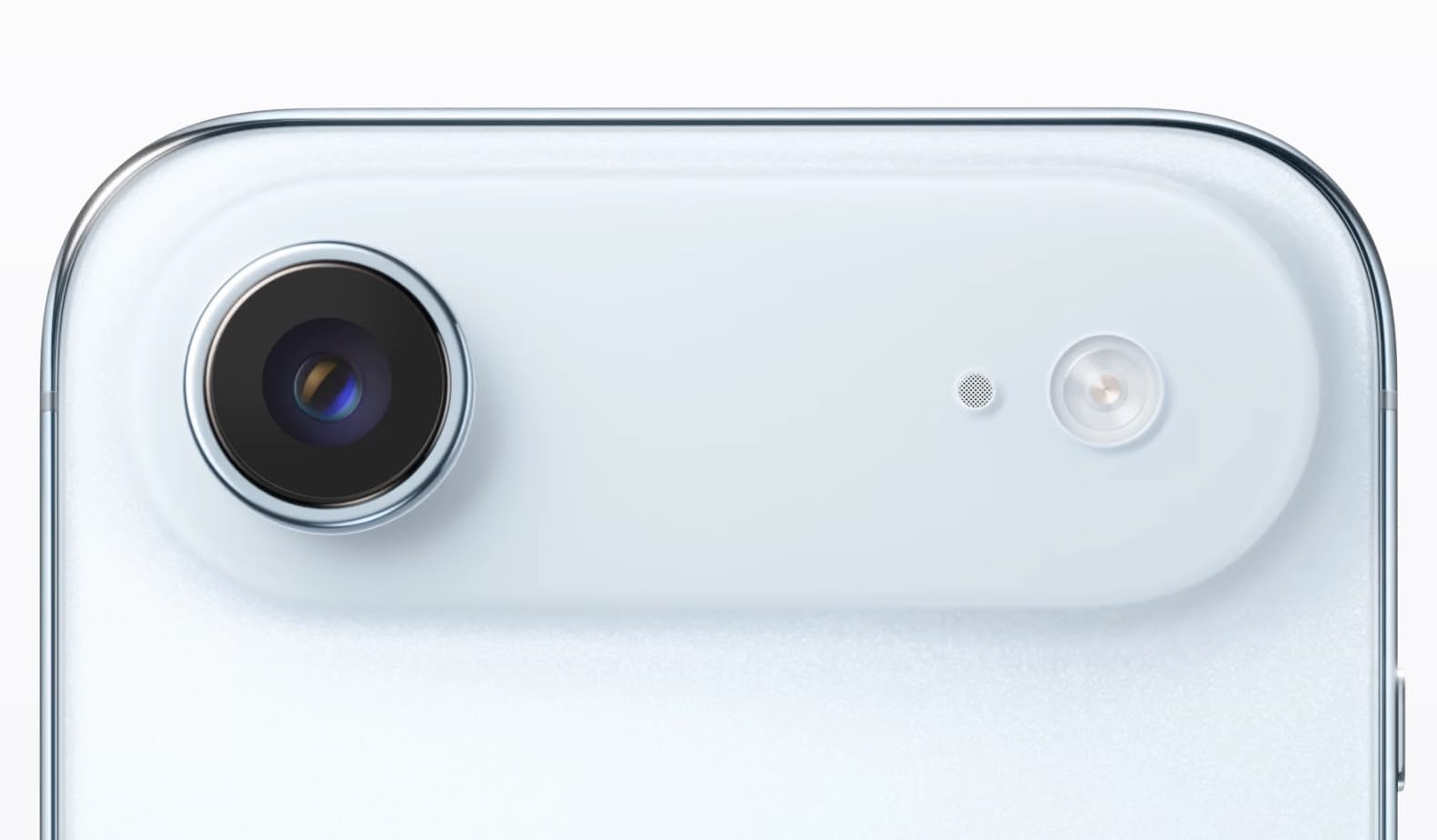
The primary source of this exciting new claim is the Weibo-based account known as "Digital Chat Station," a leaker with a notable history of accurate predictions regarding Apple's plans. According to their report, Apple is actively exploring a dual-lens camera setup for the successor to the original iPhone Air. This wouldn't be just any secondary camera; the rumor specifies that Apple plans to add a 48-megapixel Fusion Ultra Wide camera to complement the existing 48-megapixel Fusion Main camera. This would create a camera system strikingly similar to what is anticipated for the base model iPhone 17, bringing a new level of photographic versatility to the slim and light "Air" series.
However, one key design element is expected to remain. The leaker suggests that while the camera count will double, the distinctive horizontal "camera plateau" of the first-generation iPhone Air will be retained. This implies that the new Ultra Wide lens would be placed alongside the current Main lens, rather than adopting the vertical, pill-shaped camera bump seen on standard iPhone models. This design choice is significant, as it indicates Apple's commitment to the unique aesthetic of the iPhone Air while facing the considerable engineering challenge of fitting more technology into an already tightly packed and exceptionally thin chassis.
Understanding the Technology: What a Dual 48MP System Really Means
To truly appreciate the magnitude of this potential upgrade, it’s essential to understand the technology at play. Adding a second lens is about more than just having another camera; it's about unlocking a new dimension of creativity and quality for photographers. Let's break down the components mentioned in the leak.
The Power of the 48MP Fusion Camera
For years, the standard iPhone camera resolution was 12 megapixels. Apple's introduction of a 48-megapixel sensor in its Pro models, which later trickled down to other devices, was a game-changer. The "Fusion" aspect, also known as pixel binning, is the secret sauce. In well-lit conditions, the sensor can use all 48 million pixels to capture incredibly detailed, high-resolution images, perfect for cropping and large prints.
However, in low-light situations, the camera intelligently groups four adjacent pixels into one large "quad-pixel." This process effectively creates a 12-megapixel image, but each of these larger virtual pixels can capture significantly more light. The result is a brighter, clearer photo with dramatically less noise and better color accuracy than a standard 12-megapixel sensor could achieve in the same conditions. This technology gives users the best of both worlds: extreme detail when the light is good and superior low-light performance when it's not. The iPhone Air already features one such sensor, and doubling down on this technology would be a major statement.
Unlocking Creativity with an Ultra Wide Lens
The addition of a 48MP Fusion Ultra Wide camera would be the most significant part of the upgrade. A main camera is fantastic for everyday shots, portraits, and general-purpose photography. An Ultra Wide lens, however, opens up a completely different set of possibilities. Its wider field of view allows you to:
- Capture Epic Landscapes: Fit sprawling mountain ranges, vast cityscapes, or dramatic coastlines into a single, breathtaking shot without having to step back.
- Shoot in Tight Spaces: Photographing the interior of a room or a large group of people in a confined area becomes effortless. You can capture the entire scene without feeling cramped.
- Create Dramatic Perspectives: The inherent distortion of an ultra-wide lens can be used creatively to exaggerate depth and perspective, leading to powerful and artistic images of architecture, subjects, and scenes.
By making the second lens an Ultra Wide, Apple would be giving iPhone Air users the same fundamental creative toolkit that has been a staple of the standard and Pro iPhone models for years. It’s a feature that, once you have it, is hard to live without.
The Engineering Hurdle: Thinness vs. Technology
Perhaps the most fascinating aspect of this rumor is the engineering challenge it presents. The "Air" moniker, borrowed from the iconic MacBook Air, is synonymous with being ultra-thin and lightweight. The original iPhone Air reportedly achieved its slim profile through clever internal design, including the use of the camera plateau to house more than just camera components. As the original report notes, "multiple technologies are housed in the plateau of the iPhone Air to maximize space for the battery."
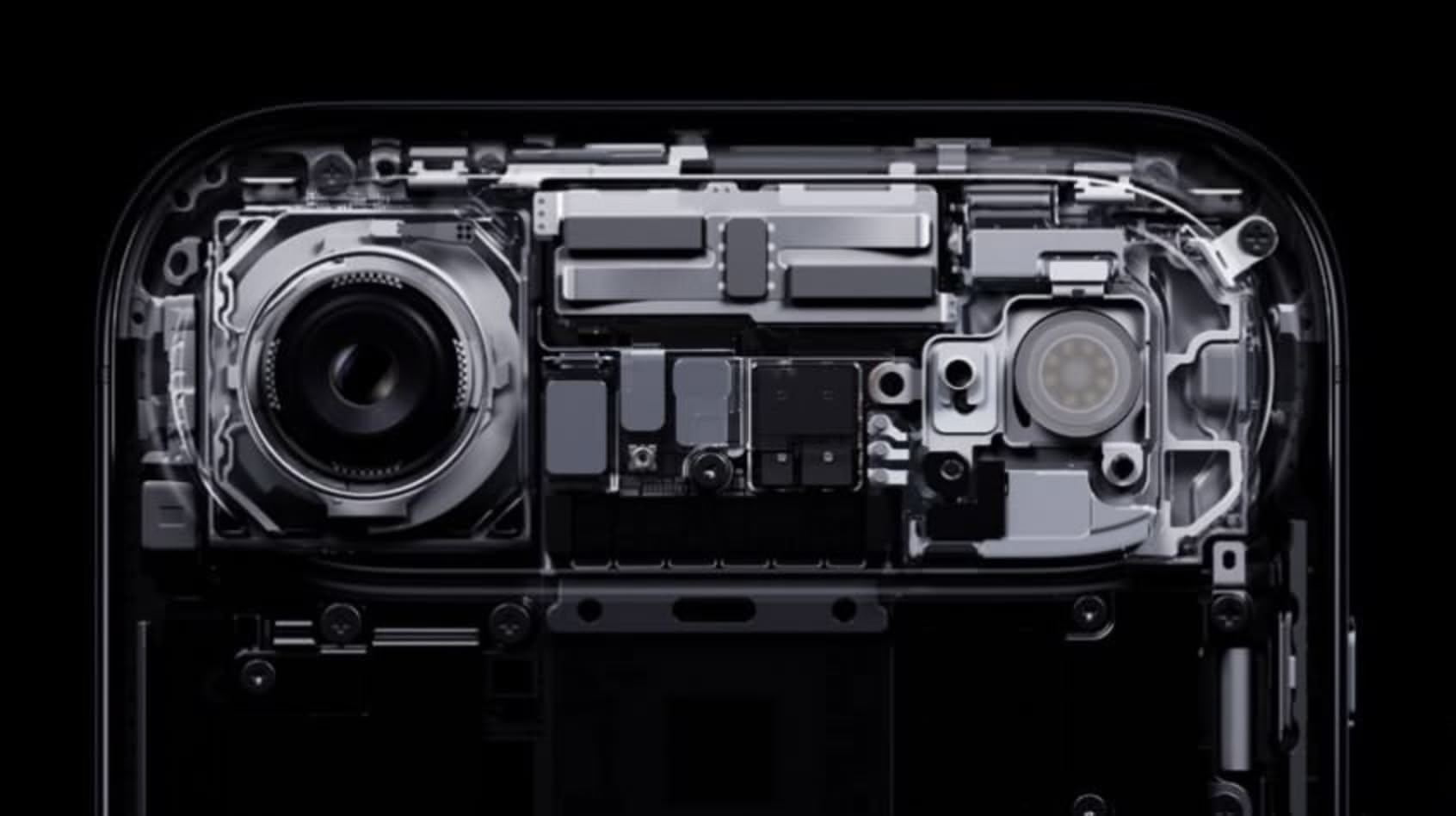
Adding a second complete camera module—which includes the lens, sensor, and associated electronics—into this already optimized space is a monumental task. Apple's engineers would likely need to completely redesign the device's internal architecture. This could involve further miniaturizing other components, developing a more compact logic board, or finding new ways to route internal connections. All of this must be accomplished without compromising the device's structural integrity or, crucially, its battery life. The goal would be to add a significant new feature while maintaining, or even enhancing, the signature thin and light feel of the iPhone Air. This dedication to pushing the boundaries of industrial design is a hallmark of Apple, and if this rumor proves true, the second-generation iPhone Air could be an engineering marvel.
The Bigger Picture: Where Does the iPhone Air Fit in Apple's Roadmap?
This rumor doesn't exist in a vacuum. It aligns with broader predictions from highly respected industry analyst Ming-Chi Kuo. According to Kuo's analysis, Apple is targeting the second half of 2026 for the release of this second-generation iPhone Air. This timeline would see it launch alongside the iPhone 18 Pro and iPhone 18 Pro Max, and potentially even Apple's very first foldable iPhone. Placing the iPhone Air in this launch window positions it as a key part of Apple's future strategy, not just a niche experiment.
Furthermore, Apple's plans for the "Air" line appear to extend even further. Kuo also suggests that a third iPhone Air model is slated for the second half of 2027, this time featuring a larger display. This indicates a long-term commitment to building out the iPhone Air as a distinct and permanent tier in the iPhone family, likely occupying the space between the standard base models and the high-end Pro models.
A Word of Caution: Market Realities and Shifting Plans
While the prospect of a dual-camera iPhone Air is exciting, it's important to temper expectations with a dose of reality. The first-generation iPhone Air has reportedly not been a runaway success in all markets. While it has seen strong demand in China, its sales performance elsewhere has been more modest. Apple is a data-driven company, and poor sales could certainly lead to a change in strategy. If the device doesn't find a global audience, Apple might reconsider the level of investment for its successor or alter its feature set.
That said, the credibility of the source lends significant weight to the rumor. Digital Chat Station has a proven track record. They accurately revealed that the iPhone 15 and 15 Plus would use a slightly different 48-megapixel sensor than their Pro counterparts. Going further back, they correctly leaked the display panel design of the iPhone 12 all the way back in 2020. This history of accuracy suggests that their information comes from reliable sources within the supply chain and should be taken seriously.
Conclusion: A Glimpse into a More Versatile Future
The rumor of a second-generation iPhone Air with a dual-camera system paints a compelling picture of Apple's future intentions. It suggests a device that continues to champion an ultra-slim and lightweight design ethos while simultaneously closing the feature gap with the more expensive models. Adding a high-resolution Ultra Wide camera would transform the iPhone Air from a stylish, single-purpose device into a truly versatile photographic tool, appealing to a much broader audience of creators and everyday users.
While the launch is still potentially two years away and plans can always change, this leak provides a tantalizing glimpse into what Apple is working on behind closed doors. It shows a commitment to innovation not just at the highest end of the market, but also in creating compelling, beautifully engineered products for every segment of its user base. For now, we will have to wait and see, but the future of the iPhone Air just got a whole lot more interesting.
This article, "2026 iPhone Air Could Feature Two Rear Cameras, Says Leaker" first appeared on MacRumors.com
Discuss this article in our forums
from MacRumors
-via DynaSage

Post a Comment