Vision Pro Future Uncertain as All Headset Development Is Seemingly Paused
The Vision Pro's Uncertain Future: Why Apple Is Hitting Pause on Headsets
Recent reports are painting a startling picture of Apple's ambitious journey into mixed reality. It appears that the company has halted active development on any redesigned Apple Vision headsets, pivoting its massive resources and strategic focus toward a different, perhaps more attainable goal: smart glasses. This represents a dramatic shift from the grand vision Apple presented just a short time ago and leaves the future of its flagship "spatial computing" device shrouded in uncertainty.
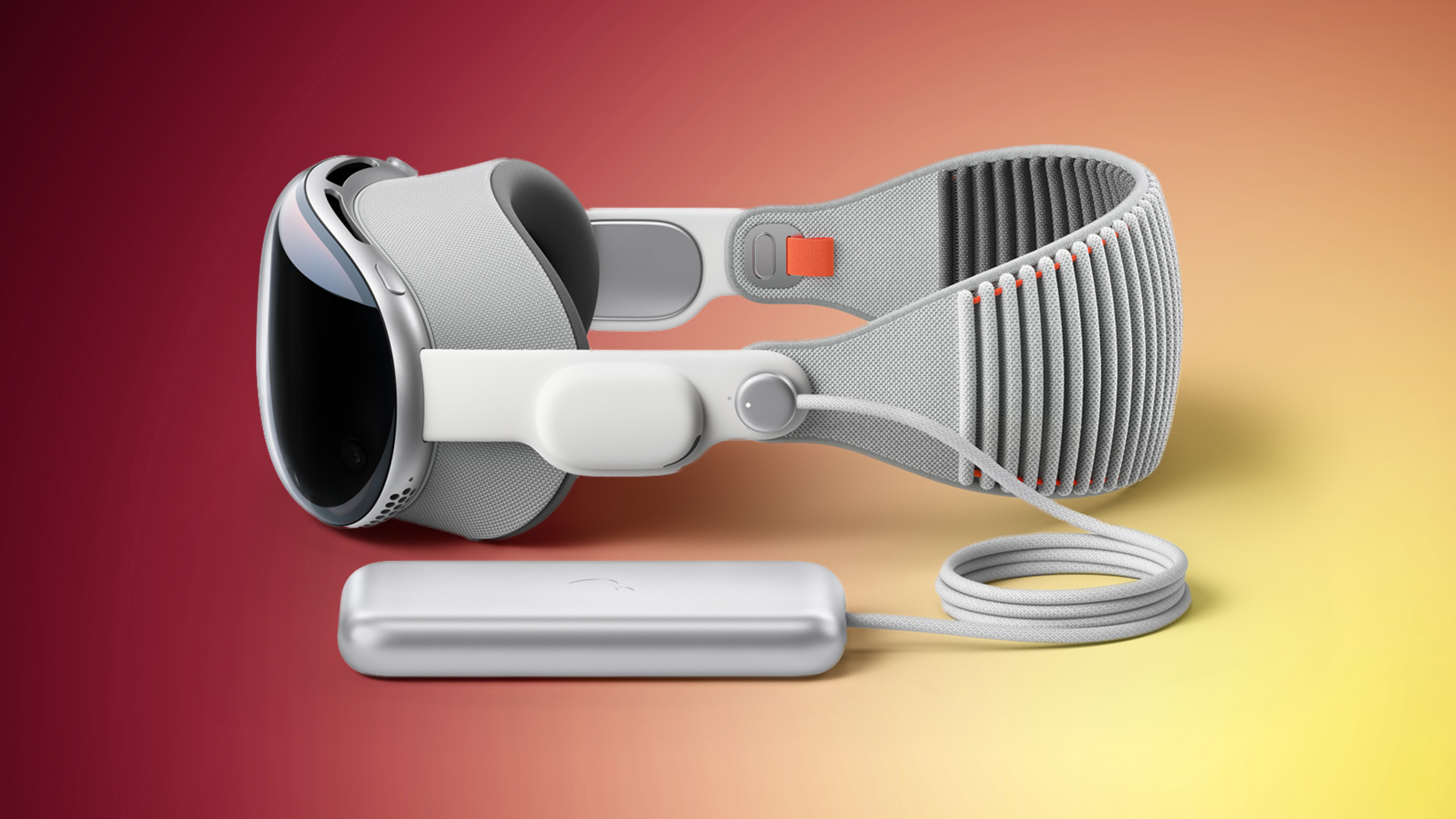
When Apple unveiled the Vision Pro in mid-2023, it wasn't just launching a new product; it was heralding the "dawn of spatial computing." This was pitched as a revolutionary new paradigm, a new way of interacting with technology that would blend the digital and physical worlds seamlessly. The company’s leadership suggested it could one day rival the importance of the iPhone. With its eye-watering $3,499 starting price, an incredibly intricate design packed with cutting-edge technology, a brand-new operating system (visionOS), and a clear appeal to premium early adopters and developers, the headset was never expected to be a mass-market hit from day one.
However, even by the patient standards of a company known for playing the long game, the initial enthusiasm for the Vision Pro seemed to cool much faster than anyone anticipated. The reality of its high cost, significant weight, and limited "killer apps" began to set in. As a result, Apple's once-ambitious, multi-year roadmap for the Vision product line has, according to a series of credible rumors, all but collapsed. Let's explore what the original plan was, how it fell apart, and what might come next for Apple's spatial computing ambitions.
The Grand Vision: Apple's Original Master Plan
Apple's initial strategy for its Vision product line was classic Apple: a two-tiered approach designed to first establish a high-end market and then bring the technology to the masses. Soon after the successful, albeit niche, launch of the first-generation Vision Pro, the company is believed to have shifted its primary focus to a second, more accessible device, unofficially dubbed the "Vision Air."
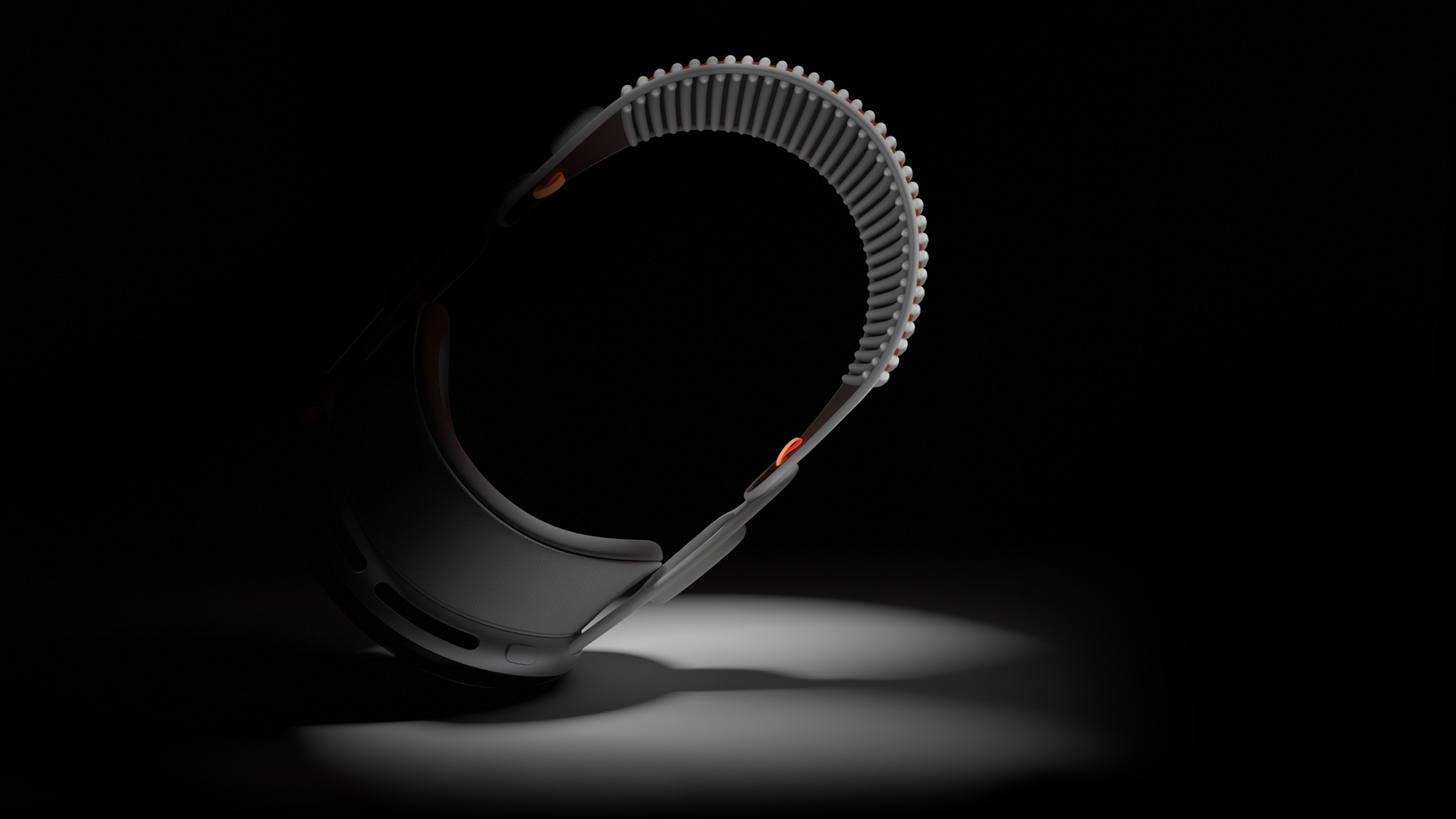
The "Vision Air" was intended to be the device that brought spatial computing to a much wider audience. The goals were aggressive and aimed at solving the biggest complaints about the original Pro model. The target was to slash the weight by over 40%, a crucial change to address the comfort issues and neck strain that many early users reported. Equally important was the price, with a goal of cutting it by around 50%, potentially bringing it into the $1,500 to $2,000 range. At that price, while still a premium product, it would move from an extravagant purchase to a high-end gadget within reach of many more consumers.
To achieve these ambitious targets, Apple was reportedly exploring several compromises. The "Vision Air" would likely use lower-cost display panels and a simplified optical system, which are two of the most expensive components in the original Vision Pro. It would also likely drop some non-essential features, such as the impressive but costly EyeSight display on the front of the device, which shows a digital representation of the user's eyes. The core focus was on improving ergonomics and making it a device people could comfortably wear for longer periods, finally making mixed reality a viable proposition for mainstream buyers.
Meanwhile, at the high end of the spectrum, Apple reportedly envisioned a redesigned Vision Pro 2. This second-generation flagship was planned to launch sometime after the "Vision Air" had successfully established a broader market, with a potential release date that eventually slipped to 2028. This device would have been a true successor, featuring a lighter and more comfortable design than the original, even more advanced and brighter micro-OLED displays, longer battery life, and hopefully, a slightly lower price point than the first generation. Together, the "Vision Air" and Vision Pro 2 would establish a clear two-tier product structure, perfectly mirroring the successful strategies Apple employs with its iPhone (standard vs. Pro), iPad (standard vs. Pro), MacBook (Air vs. Pro), and AirPods (standard vs. Pro) product lines.
Cracks in the Foundation: The Roadmap Begins to Crumble
By the middle of 2024, the narrative around the Vision Pro began to change. The initial launch hype had faded, and the harsh realities of the first-generation product were becoming clear. The momentum was slowing, and behind the scenes, Apple was allegedly reorganizing its future plans in response to the lukewarm reception.

A pivotal report from The Information claimed that Apple had made a difficult but necessary decision: it had suspended development of the high-end Vision Pro 2. The company reportedly redirected the engineering talent and resources from that project to the cheaper "Vision Air," hoping to accelerate its release and salvage the product category.
This move was a clear acknowledgment that the original Vision Pro's formula was not working as well as hoped. The combination of its extreme cost, significant bulk, persistent discomfort during extended use, and a lack of compelling, must-have applications had severely narrowed its appeal, even among the most enthusiastic early adopters and Apple loyalists. The logical next step, it seemed, was to double down on making the technology more affordable and accessible.
However, developing the "Vision Air" proved to be a major challenge. When Apple first began work on the device, it had an optimistic target of releasing it by the end of 2024. But by the middle of the year, the team reportedly still didn't have a firm prototype. Sources claimed that the company was struggling to find ways to reduce the model's costs without sacrificing too many of the core features that made the Vision experience magical. Every component removed or downgraded risked compromising the very "spatial computing" experience it was meant to popularize. Consequently, the target release date slipped to the end of 2025.
Adding to the sense of a faltering strategy, by October, supply-chain leaks suggested that Apple was winding down production of the original Vision Pro. The reports cited weak consumer demand and a growing stockpile of unsold components. It’s now believed that production of the first-generation Vision Pro officially ceased at the end of the year, a remarkably short lifespan for a flagship Apple product.
Hitting the Brakes: All Headset Development Comes to a Halt
Just as the industry was adjusting to the idea of a delayed "Vision Air" and a paused Vision Pro 2, a new bombshell report emerged. This month, a story from the highly reliable Mark Gurman at Bloomberg stated that Apple has also paused work on the lower-cost headset, the "Vision Air."
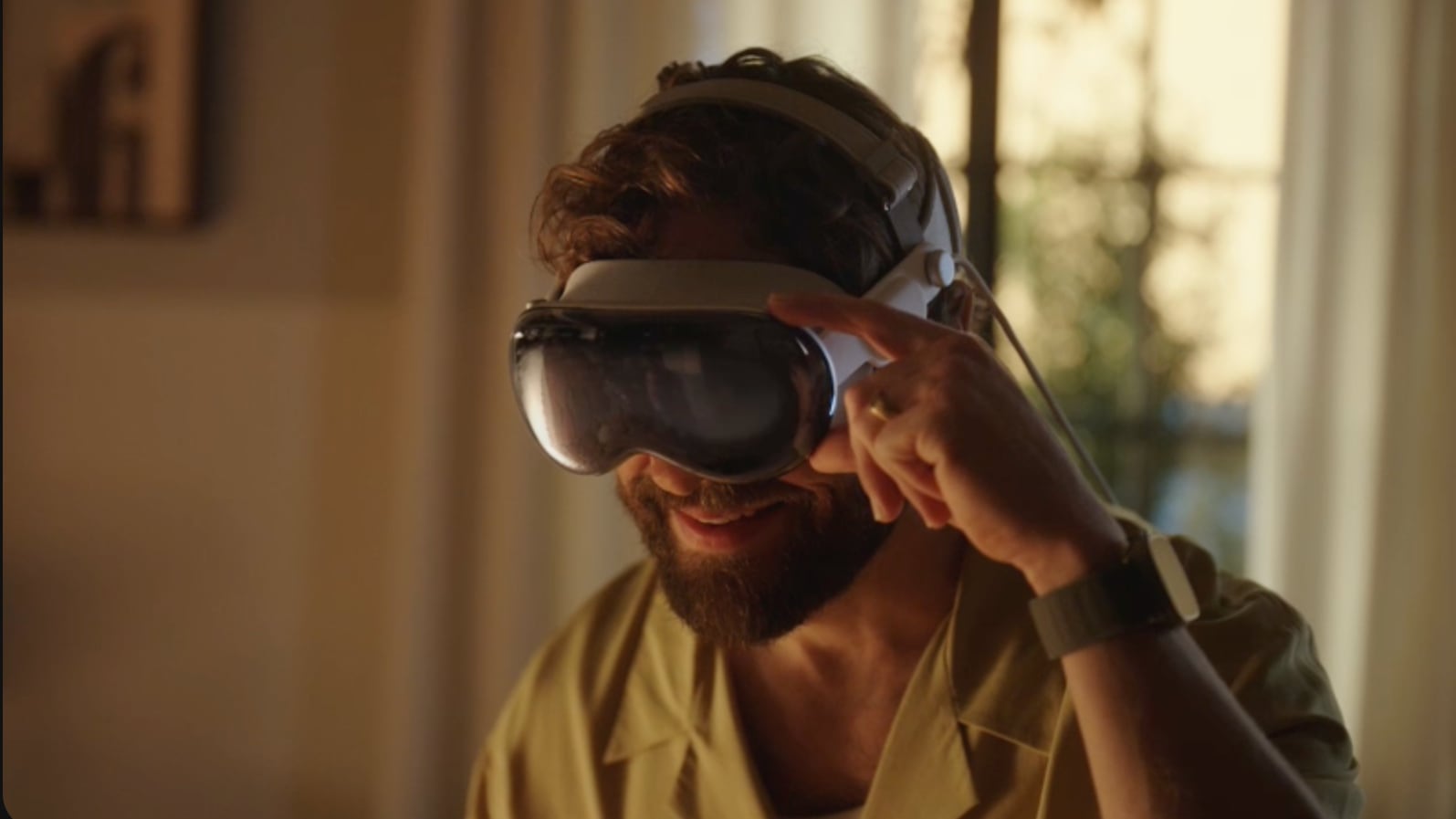
If the reports from both Bloomberg and The Information are accurate, the implication is staggering: development of both the next-generation Vision Pro and the more affordable "Vision Air" are now on hold. This means that Apple currently has no headset-class hardware in its active development pipeline. The reason for this dramatic pivot? Apple apparently wants to speed up development on an entirely different category of product—smart glasses—in an effort to better compete with rivals like Meta.
This marks a fundamental shift in strategy. While the company is highly unlikely to abandon the concept of spatial computing altogether, especially after investing billions in its development, its next steps will almost certainly look very different from the bulky, immersive headset it launched in 2024. The focus is now on a lighter, more socially acceptable form factor that prioritizes AI-powered assistance, notifications, and simple interactions over fully immersive mixed-reality experiences.
A Stopgap Solution: The M5 Vision Pro Refresh
So, if all new headset development is paused, what happens to the Vision Pro currently on the market? It seems Apple has a short-term plan to keep the product line from becoming completely obsolete. As the company prepares to debut its new M5 family of chips in its Macs and iPads, today's Vision Pro is still running on an M2 chip from 2022.

To bridge the gap, Apple is believed to have decided on a minor hardware refresh. Instead of a full redesign, the plan is to simply update the existing Vision Pro with the new M5 chip. This spec bump would likely be accompanied by a second-generation coprocessor, the "R2" chip, to handle real-time sensor processing more efficiently. To address one of the most persistent complaints, this refreshed model is also expected to include a new, more comfortable "Dual Knit" headband.
This strategy is both pragmatic and telling. It would enable Apple to keep the device technologically current for a few more years, ensuring it can run future versions of visionOS smoothly. It also provides a clever way to make use of the stockpile of expensive components, like the chassis and displays, that were left over from the halted production of the first-generation model. This refreshed device is expected to launch in the next few weeks, a timeline supported by recent FCC filings that typically precede a new product release.
What Does the Future Hold?
The upcoming M5-powered Vision Pro should offer a reasonable update for existing users who love the device or for potential customers who were waiting for a bit more power. However, it is still the same fundamental hardware. It doesn't solve the core issues of high price, heavy weight, and social awkwardness, so it is unlikely to enjoy mass appeal or offer a radically different experience. This device is a bridge, a way to support the headset product line for a period of time, but it will eventually become an outdated model if Apple offers no true successor.

Looking further down the road, Apple's headset is likely to enter a peculiar and uncertain place around 2027 or 2028. By then, the M5-refreshed hardware will be old, and with no new models in the pipeline, the product category could fade away. Meanwhile, Apple is expected to launch its first smart glasses product as soon as next year. It is possible that once the smart glasses initiative is established and successful, the company could resume work on the "Vision Air" or a future Vision Pro 2, positioning them as high-end, niche devices for professionals and enthusiasts, much like the Mac Pro.
For now, the development of visionOS 26 and the imminent M5 refresh show that Apple is still committed to mixed reality headsets in the short term. But where the product line goes further into the future, amid a sudden and decisive pivot to smart glasses and artificial intelligence, is truly anyone's guess. The grand dawn of spatial computing has encountered its first cloudy day, and we will all be watching to see if, and how, the sun breaks through again.
This article, "Vision Pro Future Uncertain as All Headset Development Is Seemingly Paused" first appeared on MacRumors.com
Discuss this article in our forums
```from MacRumors
-via DynaSage

Post a Comment