Top Stories: iPhone Air Flops?, New Liquid Glass Toggle, and More
Apple's Week in Review: iPhone Air Stumbles, A Glimpse into the Future, and Major Industry Shifts
It's been a whirlwind week in the world of Apple. Just a month after the launch of its latest flagship iPhones, troubling signs are emerging about the sales of the brand-new, ultra-slim iPhone Air. It appears the device isn't capturing the public's imagination as Apple had hoped, leading to massive cuts in production as the company scrambles to adjust its strategy. This major development comes alongside exciting software updates, with the latest iOS 26.1 beta introducing a welcome tweak to the new "Liquid Glass" design aesthetic.
But that's not all. The rumor mill is churning with incredible new details about Apple's ambitious plans for the future of the iPhone, including multiple foldable designs and a stunning all-screen anniversary edition. We'll also dive into a practical guide comparing the new M5 chip to its M4 predecessor, explore a controversial decision by General Motors to abandon CarPlay, and revisit the story of a former Apple employee whose name made him an internet sensation. Let's break down all the biggest stories from the past week.
Top Stories
Is Apple's iPhone Air Experiment Already Over? Production Slashed by 80%
When Apple introduces a new product, the world expects a blockbuster. However, the latest addition to the iPhone family, the super-thin iPhone Air, seems to be falling short of those lofty expectations. A flurry of recent reports from deep within Apple's supply chain—the complex network of companies that build components for the iPhone—paint a concerning picture. It seems the iPhone Air is not selling well, and in response, Apple has reportedly made the drastic decision to dramatically scale back its production to align with the weak consumer demand.
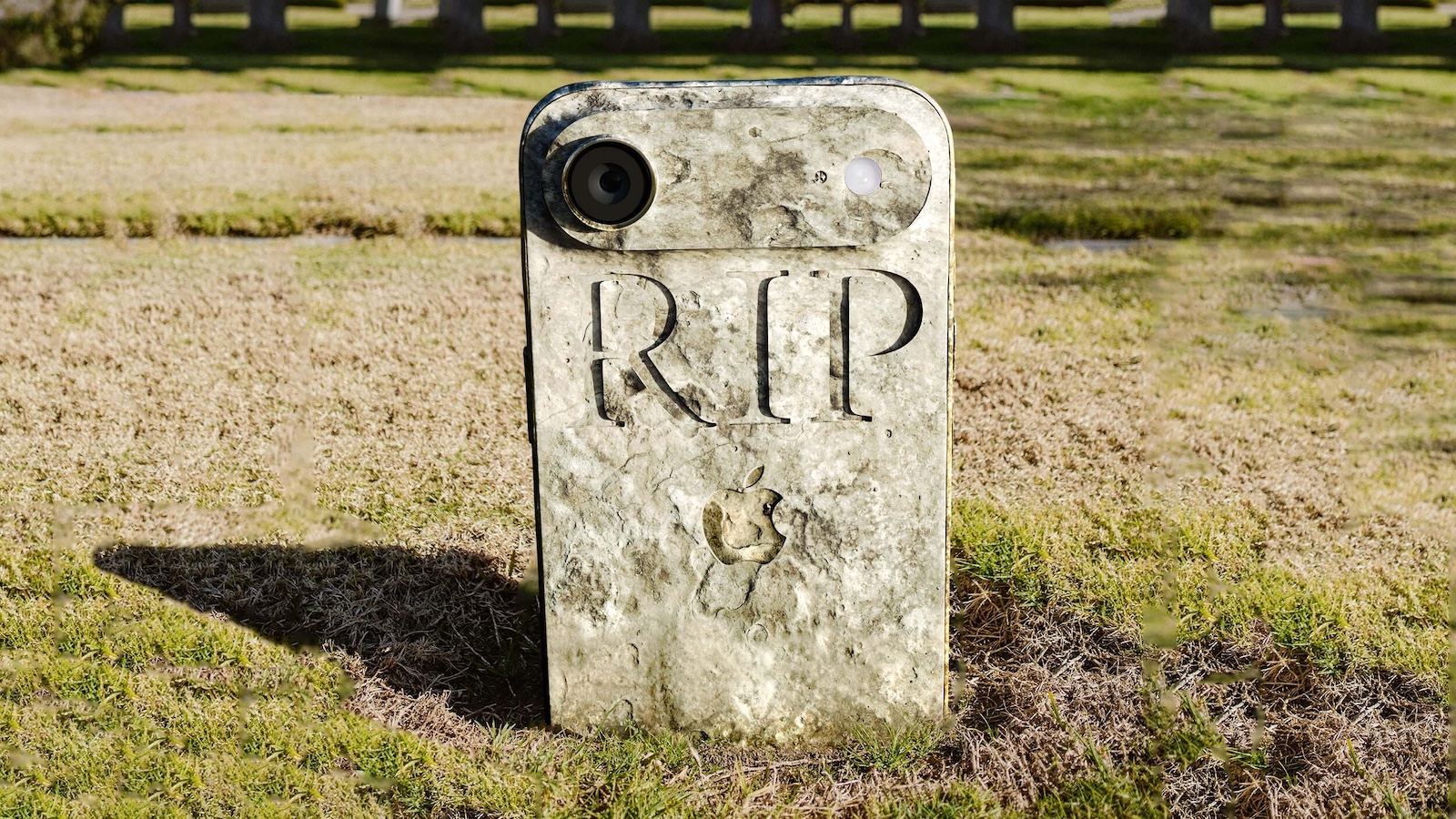
The first signs of trouble emerged last week when analysts at Mizuho Securities, a financial firm that closely tracks manufacturing, reported that Apple was planning to cut iPhone Air production due to underwhelming sales figures. The news got worse this week. Another analyst survey shockingly revealed there was "virtually no demand" for the new model in key markets. This was followed by a bombshell report from the highly respected analyst Ming-Chi Kuo, who claimed that suppliers for the iPhone Air are being told to reduce their manufacturing capacity by a staggering 80% or more. A cut of this magnitude is almost unheard of so soon after a major product launch and suggests a significant miscalculation by Apple regarding the device's appeal.
Curiously, these reports of a global sales flop come just as the iPhone Air sold out almost instantly upon its launch in China. However, initial sell-outs can often be misleading, as they may be due to limited initial stock rather than sustained, massive demand. The launch in China was also delayed because the iPhone Air uses eSIM-only technology, which required special government approval. This delay could have created pent-up demand that led to the initial rush. The real test will be whether sales remain strong in the coming weeks. For now, the future of the iPhone Air line looks uncertain, and this apparent misstep could force Apple to rethink its iPhone strategy for the years ahead.
You're in Control: iOS 26.1 Beta Lets You Customize the New Liquid Glass Look
Apple's software is constantly evolving, and a key part of that process is the beta testing program. Betas are early, pre-release versions of software that allow developers and tech enthusiasts to test new features and provide feedback before the official launch to the public. This week, Apple released the fourth beta versions of iOS 26.1, iPadOS 26.1, and macOS Tahoe 26.1, and they included a significant and welcome change to the new "Liquid Glass" design language.
The Liquid Glass aesthetic is Apple's latest design direction, meant to give the user interface a more fluid, translucent, and modern feel. However, some users found the initial implementation to be a case of style over substance, with the transparency effects sometimes making buttons and text difficult to read. In a clear response to this feedback, Apple has introduced a simple toggle that gives users control over this new look. The new setting lets you choose between two distinct appearances: a "Clear" look and a "Tinted" look.
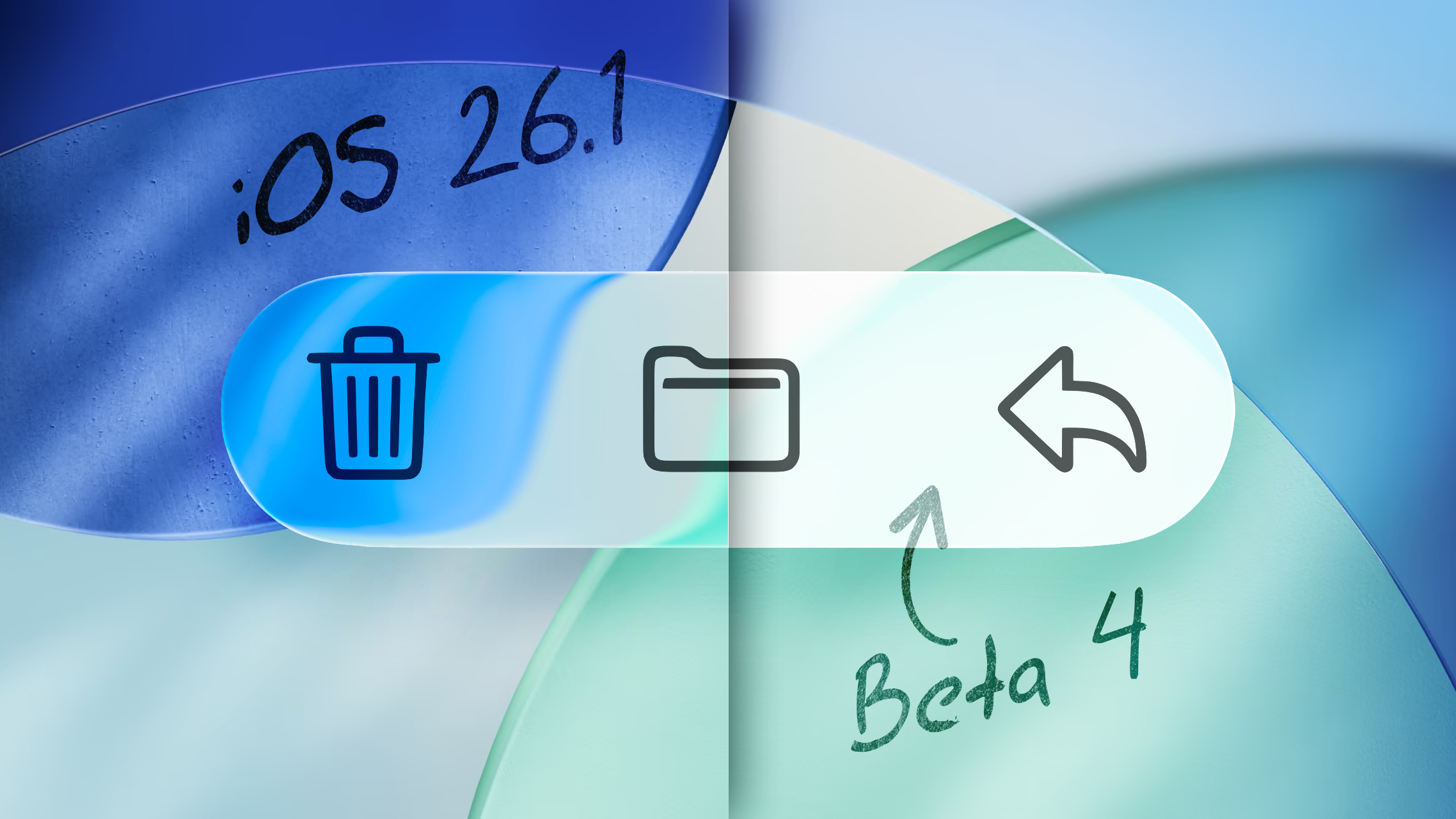
We spent some time exploring this new option, and the difference is quite noticeable. The "Clear" setting leans into the original vision, emphasizing the glassy, see-through elements of the design for a sleek, futuristic appearance. The "Tinted" setting, on the other hand, makes user interface elements like buttons and menus more opaque. This increases their contrast against the background, significantly improving readability and making the interface more accessible and user-friendly, especially for those with visual impairments or anyone using their device in bright sunlight.
Beyond this major design tweak, the fourth beta of iOS 26.1 also includes a few other thoughtful quality-of-life improvements. You can now disable the Lock Screen swipe gesture that opens the Camera app, preventing accidental photos. There's also a new option to turn off the haptic feedback (the small vibration you feel) when a phone call connects or disconnects. These small but meaningful changes show that Apple is listening to its users and is committed to refining the user experience down to the smallest detail.
The Future is Foldable: Apple's Secret Plans for Three Revolutionary New iPhones Allegedly Revealed
While Apple is dealing with the present-day challenges of the iPhone Air, it is also hard at work planning the distant future of its most important product. For years, rumors have swirled about Apple developing a foldable iPhone, and a new report this week adds exciting new details to those plans, suggesting not one, but three revolutionary new designs are in the pipeline.
The first groundbreaking device is slated for 2026: Apple's first-ever foldable iPhone. This device will reportedly feature a "book-style" design, similar to Samsung's popular Galaxy Z Fold. This means it will open up like a book to reveal a large, tablet-like interior screen, perfect for multitasking, watching videos, or getting serious work done. However, creating a durable and seamless folding screen is an immense engineering challenge. The report notes that some analysts are concerned that perfecting the crucial hinge mechanism could push the release date back to 2027.
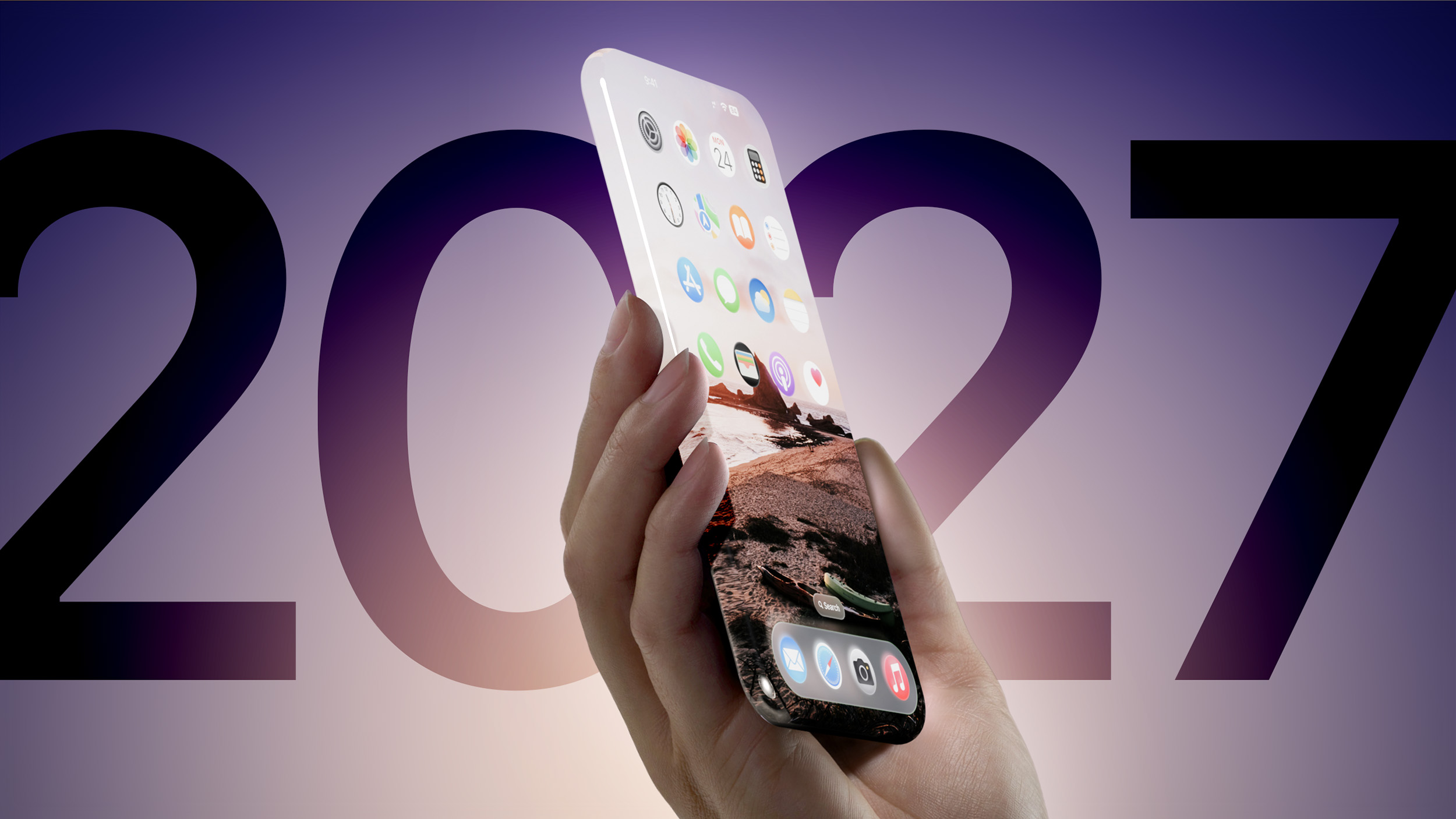
Following the first foldable, Apple is reportedly planning something truly special for 2027 to mark the 20th anniversary of the original iPhone. This model is rumored to be an "all-screen" device with "zero" bezels. The OLED display would supposedly wrap around all four edges of the phone, creating a stunning, uninterrupted sheet of glass. This would be a monumental leap in design, finally realizing the dream of a phone that is truly all screen.
Finally, in 2028, Apple is expected to release its second foldable model, this time a "clamshell-style" device. This design, similar to Samsung's Galaxy Z Flip, would fold in half vertically, making a standard-sized smartphone incredibly compact and pocketable. While these plans are still years away and should be treated as rumors, they provide a fascinating and exciting roadmap for where Apple intends to take the iPhone over the next decade.
M4 vs. M5: Is Apple's Newest Chip a Must-Have Upgrade?
Last week, Apple unveiled its latest and greatest piece of silicon, the M5 chip, which now powers the new MacBook Pro, iPad Pro, and Vision Pro. But for owners of devices with the still-powerful M4 chip, the big question is: just how much better is the M5, and is it worth the upgrade?
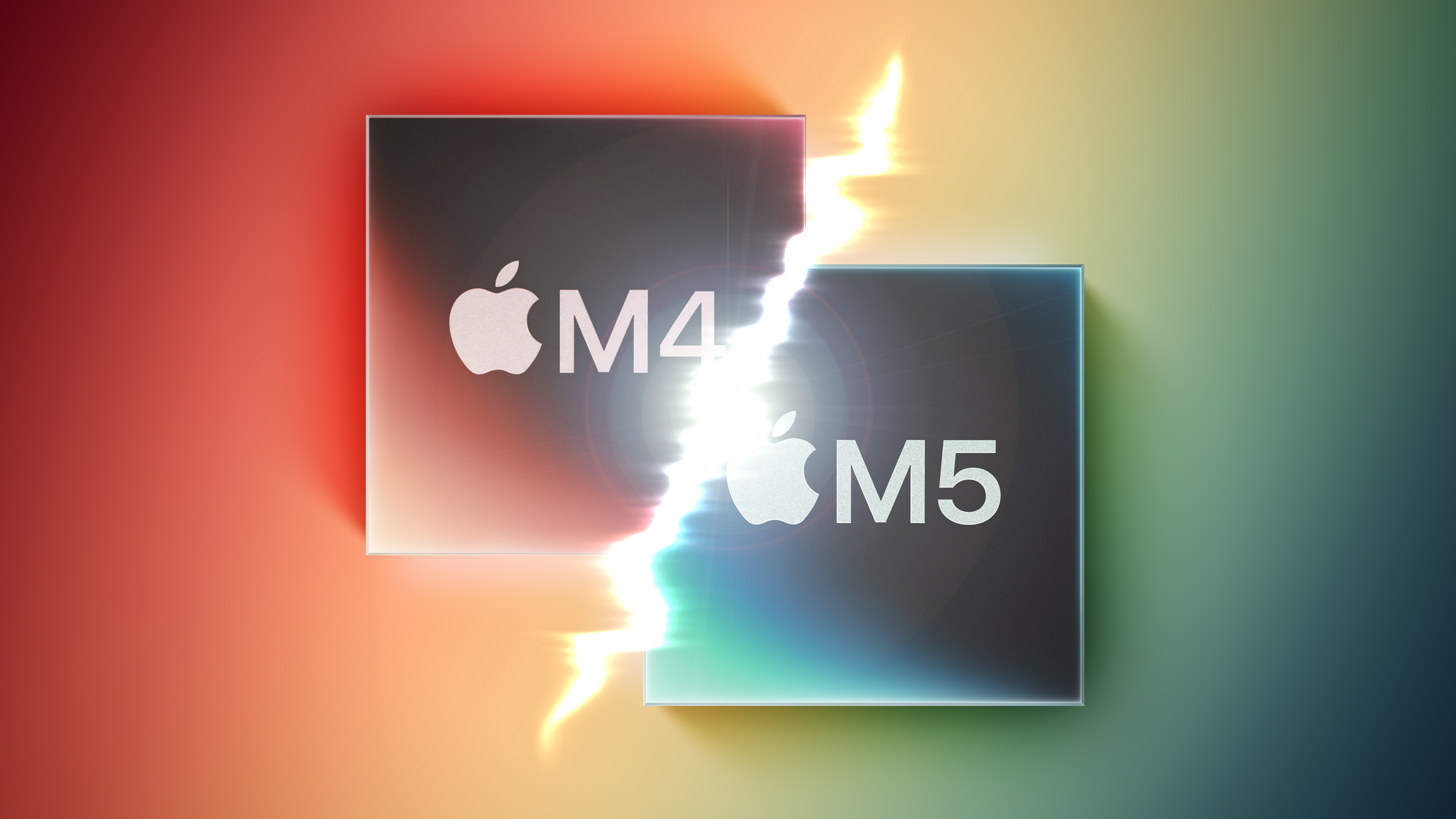
When looking at the performance data, a clear picture emerges. Apple is focusing its biggest improvements in two key areas: graphics and artificial intelligence (AI). The enhanced graphics capabilities mean that M5-powered devices will deliver smoother frame rates in demanding games, faster rendering times for video editors and 3D artists, and a more fluid visual experience overall. The boost to AI performance, handled by the chip's Neural Engine, will make on-device machine learning tasks faster and more efficient. This translates to smarter features in apps, quicker photo processing, and more responsive voice assistants like Siri.
When it comes to the Central Processing Unit (CPU)—the part of the chip that handles most general tasks—the gains are more modest. However, early benchmark tests show that the M5 has achieved the highest single-core CPU performance score ever recorded. Single-core performance is crucial for how fast and responsive a device feels during everyday activities like launching apps, browsing the web, and navigating the operating system. So, while heavy-duty, multi-core tasks might not see a massive leap, the M5 will make everything feel incredibly snappy.
So, who should upgrade? If you are a creative professional, a serious gamer, or a developer working with AI, the significant boosts in graphics and Neural Engine performance make the M5 a very compelling proposition. However, if you're a current M4 user who primarily uses your device for web browsing, email, and productivity tasks, the M4 remains an incredibly capable chip, and you may not notice a life-changing difference in day-to-day use.
General Motors Doubles Down, Will Remove CarPlay From All Future Gas-Powered Cars
Back in 2023, General Motors (GM) sparked a firestorm of controversy when it announced it would be removing Apple CarPlay and Android Auto from its future electric vehicles (EVs). The automaker argued that its own built-in infotainment system would offer a "more integrated" experience. Despite widespread criticism from drivers who love the familiar and convenient interface of CarPlay, GM is not backing down. In fact, it's doubling down on its strategy.
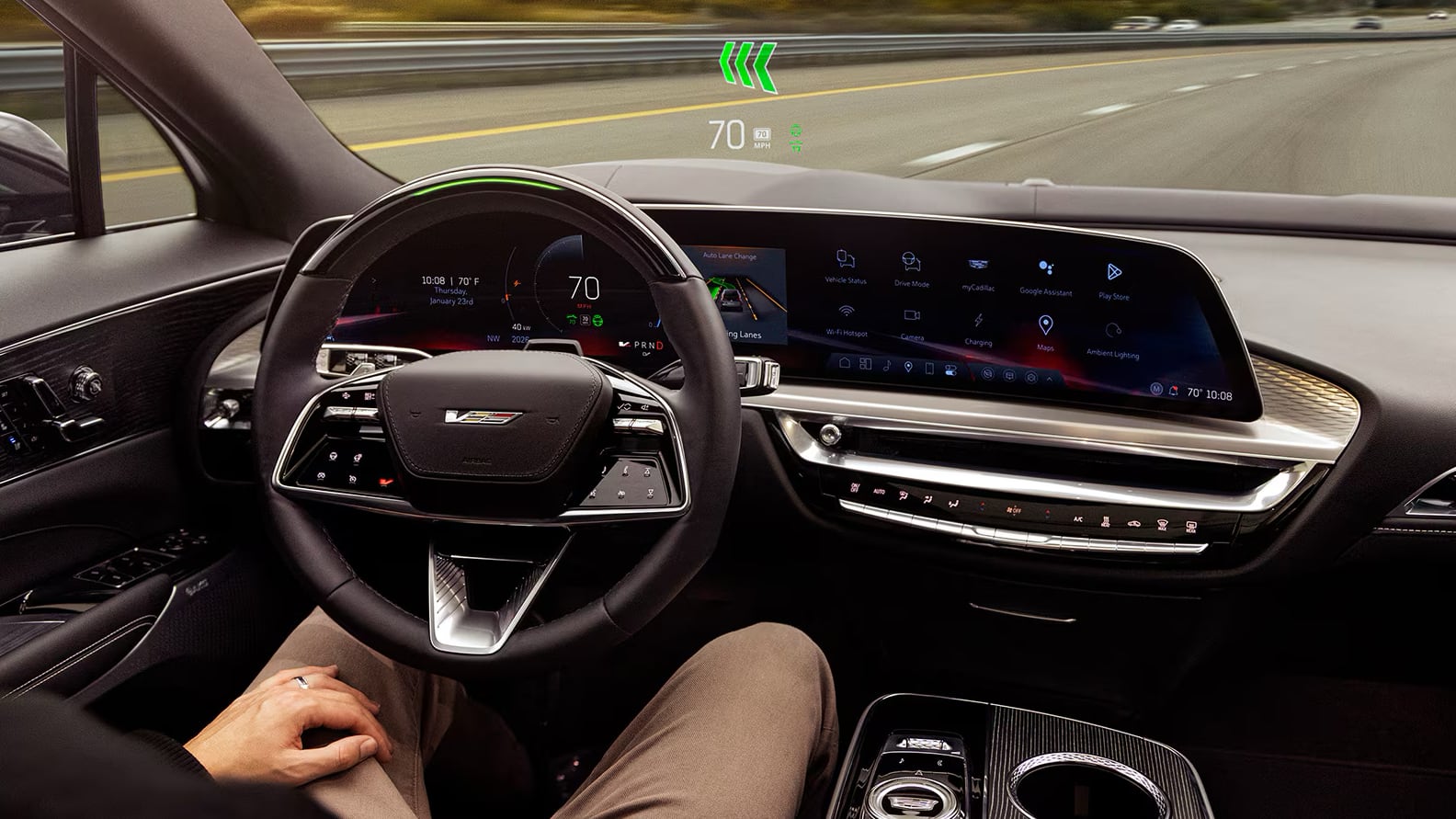
This week, GM revealed that it will be phasing out CarPlay and Android Auto from its gas-powered lineup as well. The change will happen gradually as existing models receive major redesigns. This move signals a firm commitment to forcing customers onto its proprietary software, regardless of vehicle type.
In a bold and perhaps eyebrow-raising statement, a GM executive described the decision as "a very Jobsian approach to things." The company likened its move to when Apple's co-founder Steve Jobs famously removed technologies like the floppy disk drive from Macs in favor of more modern solutions. However, many would argue this is a flawed comparison. Jobs replaced old technology with a new one that was clearly superior and more convenient for users. It remains to be seen whether GM's native system will be seen as an improvement over the seamless, popular, and constantly updated experience that CarPlay provides.
GM has not provided a specific timeline for the transition, telling MacRumors that existing gas vehicles will continue to offer CarPlay for the "foreseeable future" before they "gradually move to a better, more deeply integrated experience." This decision could have a significant impact on sales, as for many buyers, the availability of CarPlay is a non-negotiable feature when choosing a new car.
The Man Named Sam Sung: Former Apple Employee Changed His Name to Escape Internet Fame
For long-time Apple followers, the story of Sam Sung is a classic piece of internet lore. Back in the early 2010s, a man named Sam Sung worked as a Specialist at an Apple Store in Vancouver, Canada. The irony of his name—being identical to that of Apple's biggest rival—was not lost on the internet, and he quickly became a viral sensation.

This week, Business Insider caught up with him to see what he's been up to, and the story took a poignant turn. The once-amusing tale had a stressful downside. Sung revealed that the constant publicity and attention took a toll on him. He left Apple in 2013 to pursue a different career path away from retail, and he eventually made the decision to change his name to Sam Struan.
His reason was simple yet powerful: he "didn't want to be known for being an internet joke." His story serves as a powerful reminder of the human cost of viral fame and how a simple coincidence can unexpectedly and profoundly impact a person's life. Despite the stress, Sung was able to turn his unique situation into a positive. Years ago, he auctioned his last "Sam Sung" business card and raised thousands of dollars for charity. Now, he's moved on, hoping to be known for his work and character rather than just his former name.
MacRumors Newsletter
Each week, we compile the most important Apple news into an email newsletter just like this. It's the perfect way to get a concise, easy-to-read summary of the week's events, connecting the dots between different stories to give you a complete, big-picture view of what's happening in the world of Apple.
If you'd like to have top stories like the ones you've just read delivered directly to your email inbox every week, subscribe to our newsletter!
This article, "Top Stories: iPhone Air Flops?, New Liquid Glass Toggle, and More" first appeared on MacRumors.com
Discuss this article in our forums
from MacRumors
-via DynaSage

Post a Comment