iPhone 18 Said to Use Simpler Camera Control Button Design
Apple's Big Move for the iPhone 18: A Simpler, Smarter Camera Button on the Horizon
The world of Apple rumors is always buzzing, and the latest whispers point towards a significant, yet subtle, change for a future iPhone. According to a well-known leaker from China, Apple is planning to redesign the Camera Control button for the iPhone 18. The goal? To simplify the technology, reduce manufacturing costs, and potentially pave the way for an even more futuristic iPhone design. This isn't about removing features; it's about making the technology smarter, more efficient, and more robust. Let's dive deep into what this change means, the technology behind it, and how it might impact your future iPhone experience.
What is the Camera Control Button? A Quick Refresher
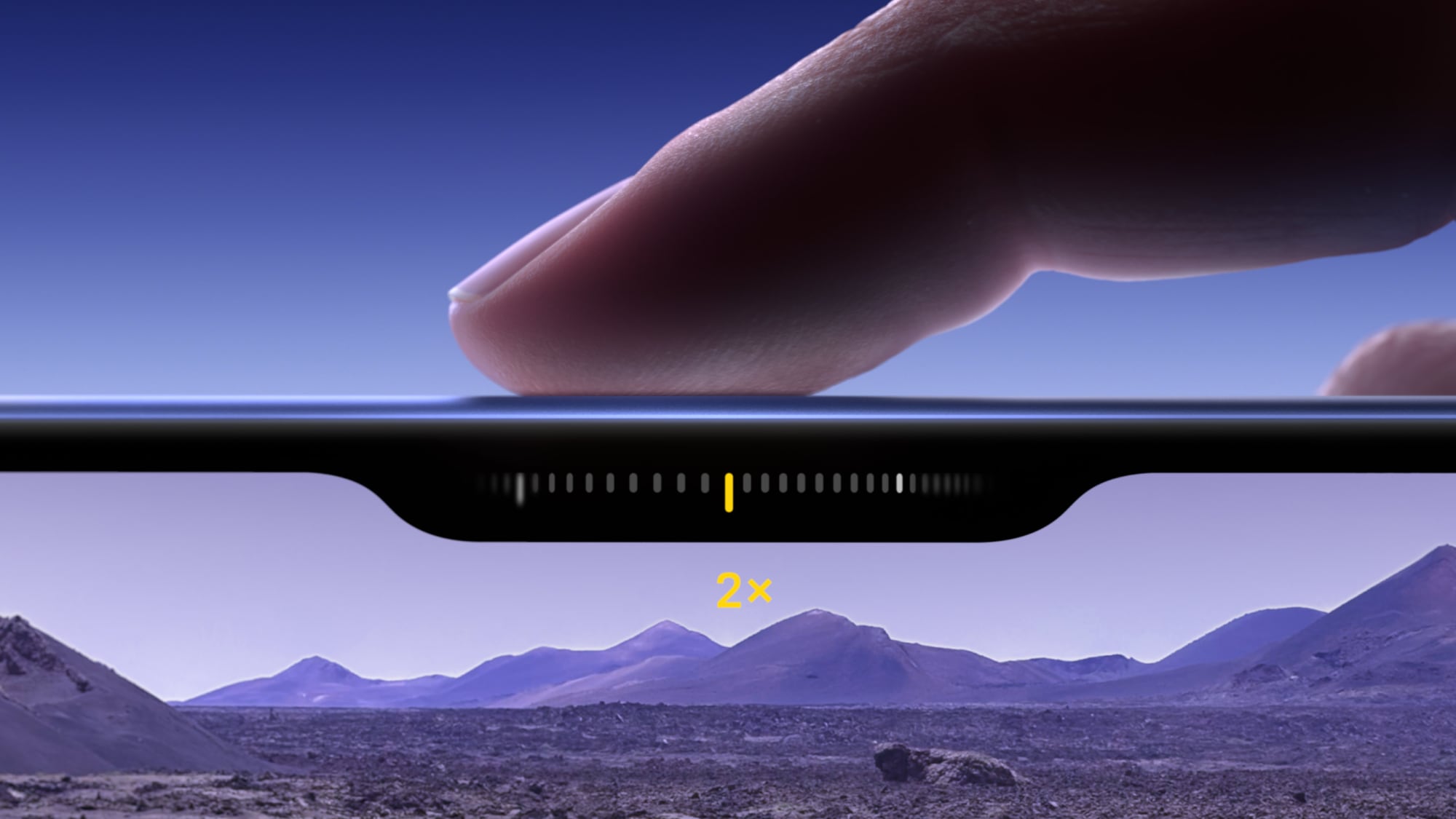
Before we look to the future, let's understand the present. The Camera Control button, as described in the leak, is a feature found on the iPhone 17 models. It's a dedicated button designed to make the iPhone's camera feel more like a traditional, professional camera. Instead of just tapping the screen, this physical button gives users a more tactile and intuitive way to capture photos and videos.
The current iteration of this button is a marvel of engineering, packing two different types of sensor technology into one small space. It uses a combination of:
- Capacitive Sensors: This is the same technology that powers your iPhone's main touchscreen. It detects the touch and movement of your finger by sensing the tiny electrical disturbances your body creates. On the Camera Control button, this layer is responsible for recognizing gestures like swiping to zoom in and out or sliding to switch between different camera modes.
- Pressure Sensors (Force Sensors): This technology measures how much force you're applying. It allows the button to distinguish between a light touch and a firm press. This is crucial for mimicking the two-stage shutter button found on DSLR cameras. A light press can lock focus and exposure on a subject, while a full, firm press takes the picture.
By combining these two technologies under a durable sapphire crystal surface, Apple created a button that is incredibly versatile. It offers the tactile feedback of a physical button while also providing the gesture-based controls we've come to expect from a modern smartphone. However, this complexity comes at a price—both in manufacturing and in potential repair costs.
The Big Rumor: A Streamlined Design for the iPhone 18
The new information comes from "Instant Digital," a source on the Chinese social media platform Weibo with a track record of accurate leaks. According to this source, Apple plans to evolve the Camera Control button in its second generation on the iPhone 18. The proposed change is to remove the capacitive sensing layer entirely.
So, how would the button work without the touch-sensitive layer? The plan is to rely solely on an advanced pressure-sensing system. Apple would retain the pressure sensors but upgrade them to be sophisticated enough to recognize the full range of interactions currently handled by the two separate systems. This means a single, unified sensor would be responsible for detecting:
- Light Taps: For actions like locking focus.
- Firm Presses: To capture a photo or start recording a video.
- Sliding Gestures: To control the zoom or navigate menus.
This single-sensor approach isn't science fiction; it's a technology that already exists in the smartphone market. The leaker points to devices like the OPPO X8 Ultra and the vivo X200 Ultra, which have successfully implemented similar pressure-sensitive buttons that can interpret a variety of inputs without a separate capacitive layer. By adopting this streamlined method, Apple can achieve the same rich functionality with a less complex, and therefore less expensive, hardware setup.
Why the Change? It’s All About Smart Engineering and Cost-Efficiency
At first glance, removing a layer of technology might seem like a step backward or a simple cost-cutting measure. However, the motivation behind this rumored change is more nuanced. It’s a strategic move driven by engineering efficiency and long-term product sustainability.
Reducing Manufacturing Complexity and Cost
The current dual-sensor system in the Camera Control button is reportedly very expensive for Apple to produce. Integrating two distinct sensor layers, ensuring they work together flawlessly, and sealing them under a sapphire crystal surface is a complex manufacturing process. Each step adds to the overall cost of the device. By moving to a single-sensor system, Apple can simplify the assembly line, reduce the number of components required, and lower the production cost per unit. While these savings may not be passed directly to the consumer in the form of a lower price tag, they help Apple manage its margins and invest in other areas of innovation.
Lowering After-Sales Repair Costs
Another significant factor is the cost of repairs. Any component with more complexity and more parts is statistically more likely to fail over time. The dual-sensor button is no exception. When a button like this needs to be fixed, the repair can be costly and difficult. This affects Apple's warranty expenses and the cost of out-of-warranty repairs for customers. A simpler, more integrated single-sensor button is inherently more durable and has fewer potential points of failure. This leads to a more reliable product for the user and lower long-term service costs for Apple.
It’s important to note that the leaker, Instant Digital, has previously pushed back against rumors that Apple would eliminate the Camera Control button from the iPhone 18 altogether. This latest information reinforces that stance, clarifying that the plan isn't to remove the feature but to refine and perfect it. The goal is to preserve all its functionality while making the underlying hardware more elegant and efficient.
A Deeper Look: The Technology Behind the Buttons
To fully appreciate the significance of this shift, it helps to understand the fundamental differences between the two sensor technologies and how Apple has used them over the years.
How Capacitive Sensing Works
Capacitive sensing is the unsung hero of the modern smartphone. The screen on your iPhone is coated with a material that holds an electrical charge. When your finger, which is conductive, gets close to the screen, it disrupts this electrical field. The phone's processor instantly calculates the location of this disruption and registers it as a touch. This technology is incredibly sensitive and perfect for detecting light taps, multi-touch gestures, and smooth swipes across a surface.
How Pressure Sensing Works
Pressure sensing, or force sensing, is about measuring the amount of physical force applied to a surface. Apple first introduced this to a mainstream audience with "Force Touch" on the Apple Watch and later as "3D Touch" on the iPhone 6s. Tiny sensors beneath the screen or button could detect how hard you were pressing, allowing for different actions based on pressure levels (e.g., "Peek and Pop"). While 3D Touch was eventually phased out in favor of a simpler Haptic Touch system, the underlying technology continues to be used in MacBook trackpads and other components. These sensors are excellent for adding a new dimension of control that goes beyond a simple tap.
The Future: A Unified Pressure-Sensing System
The rumored iPhone 18 button represents the convergence of these two ideas. The next generation of pressure sensors is so advanced that it can detect not only the direct, downward force of a press but also the subtle, lateral changes in pressure created when a finger slides across its surface. By analyzing these minute shifts in the pressure profile, the system can accurately interpret a swipe or a slide gesture, making the dedicated capacitive layer redundant. It’s a prime example of Apple’s philosophy: achieving maximum functionality with minimal hardware complexity.
The Bigger Picture: A Stepping Stone to Solid-State Buttons
This rumor doesn't exist in a vacuum. It ties directly into a larger, more ambitious goal Apple is reportedly working towards: a completely portless and button-less iPhone. More accurately, an iPhone with "solid-state" buttons.
What are solid-state buttons? They are buttons with no moving parts. Instead of a physical mechanism that clicks when you press it, a solid-state button is a fixed part of the phone's frame. When you press on that area, pressure sensors detect the input, and a haptic engine provides a tiny, precise vibration that simulates the feeling of a click. You've already experienced this technology if you've used a recent MacBook; the trackpad doesn't physically move, but the haptic feedback makes it feel like it does.
The leaker mentions that in later iterations, Apple plans to introduce "piezoelectric ceramics" to provide localized haptic feedback for the button. This is the key technology needed for creating convincing solid-state buttons. Piezoelectric materials have a unique property: they generate a small electric charge when pressure is applied, and conversely, they physically deform or vibrate when an electric current is passed through them. By embedding these materials into the frame of the iPhone, Apple can create incredibly realistic and localized clicking sensations without any moving parts.
This long-term project is rumored to culminate in the 20th-anniversary iPhone, which could feature a full suite of solid-state buttons for power and volume. The simplified, pressure-only Camera Control button on the iPhone 18 could be a crucial stepping stone. It would allow Apple to test and refine its advanced pressure-sensing and haptic feedback technologies on a single button before deploying them across the entire device.
What Does This Mean for You, the User?
Technical details and manufacturing costs are interesting, but what really matters is how this change will affect the user experience. If Apple proceeds with this plan, here’s what you might expect:
- A Seamless Experience: Apple's primary goal will be to make the new button feel just as responsive and intuitive as the old one. Ideally, the average user won't even notice the underlying technology has changed. The gestures and presses should work exactly as they did before.
- Enhanced Durability: With a simpler internal design and fewer complex layers, the button should be more resistant to wear and tear. This could also lead to slight improvements in water and dust resistance, as there are fewer seams or complex components to seal. -
- A Glimpse of the Future: Using the iPhone 18’s Camera Control button will be an early look at the direction Apple is heading. It will be the first taste of the advanced solid-state technology that could define the iPhone's design for the next decade.
Release Timeline and Affected Models
According to the leak, we can expect to see this new button technology debut with the iPhone 18 lineup. The release schedule appears to be staggered, with the premium models arriving first:
- The iPhone 18 Air, Pro, Pro Max, and a potential foldable model are expected to launch in September 2026.
- The standard iPhone 18 and a new iPhone 18e model are slated to follow in 2027.
This timeline gives Apple plenty of time to perfect the technology before it becomes a standard feature across its main lineup.
Conclusion: Evolution, Not Revolution
The rumored redesign of the iPhone 18's Camera Control button is a perfect example of Apple's iterative approach to innovation. It’s not a flashy, headline-grabbing feature, but it's a smart, practical evolution that promises to make the iPhone more reliable, more cost-effective to produce, and ready for the future. By simplifying the hardware while preserving functionality, Apple is refining a key feature and simultaneously field-testing the technology that will enable the solid-state, button-less iPhones of tomorrow. While we'll have to wait until 2026 to see it in action, this small change to a single button could signal a very big shift in the future of iPhone design.
This article, "iPhone 18 Said to Use Simpler Camera Control Button Design" first appeared on MacRumors.com
Discuss this article in our forums
from MacRumors
-via DynaSage

Post a Comment