iPhone 18 Pro's Major Camera Upgrade to Be Variable Aperture
iPhone 18 Pro Rumors: A Huge Camera Upgrade Could Change Your Photos Forever
For years, the iPhone has been more than just a phone; it's the camera in everyone's pocket. With each new release, users and tech enthusiasts eagerly await the next big leap in mobile photography. While incremental improvements are always welcome, once in a while, a rumor surfaces that hints at a true revolution. This is one of those times. According to a new report, Apple's upcoming iPhone 18 Pro models are set to receive a groundbreaking upgrade to their main camera: a variable aperture.
This isn't just another megapixel bump or a software tweak. A variable aperture is a fundamental change in the camera's hardware, offering a level of control and quality previously reserved for high-end, dedicated cameras. If this rumor holds true, the iPhone 18 Pro could represent one of the most significant advancements in iPhone photography history. Let's dive into what this means, why it’s such a big deal, and what you can expect from your photos in 2026.
What's the Big News? The Variable Aperture Rumor
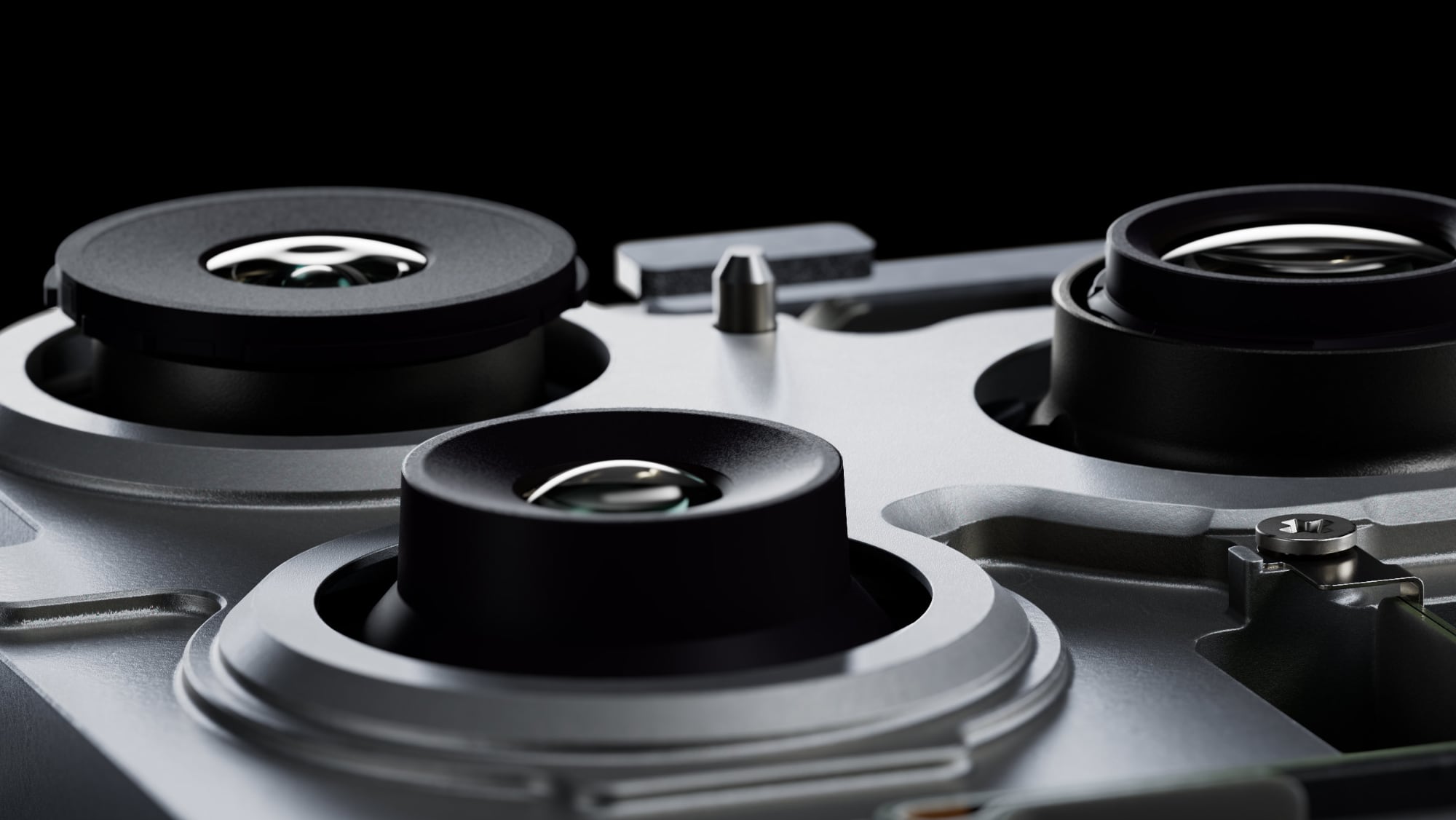
The latest buzz comes from a report by the Korean-language publication ETNews, which claims that Apple is planning a major camera overhaul for its 2026 flagship lineup. Specifically, the report states that the iPhone 18 Pro and iPhone 18 Pro Max will be the exclusive recipients of this new technology. The variable aperture system is slated to replace the main wide-angle camera, the workhorse lens for most everyday shots. It will work alongside the familiar ultra-wide and telephoto cameras, elevating the entire rear camera system to new heights.
The report suggests that Apple is moving beyond the conceptual stage and is actively discussing components with its supply chain partners. This indicates a serious commitment to the feature. Key players reportedly involved include LG Innotech and Foxconn for the camera module itself, with Chinese manufacturers Luxshare ICT and Sunny Optical tasked with producing the actuator—the tiny, precise motor that would control the aperture's movement. This level of detail about the supply chain adds significant credibility to the rumor, suggesting that the wheels are already in motion for a 2026 debut.
What is a Variable Aperture, and Why Should You Care?
To understand why this is such a game-changer, we first need to understand what an aperture is. Think of the aperture as the pupil of the camera's eye. Just like your pupil expands in the dark to let in more light and contracts in bright sunlight to let in less, a camera's aperture controls the amount of light that reaches the sensor. A "variable" aperture means the camera can physically change the size of this opening on the fly.
For years, iPhones—from the iPhone 14 Pro all the way through the rumored iPhone 17 Pro—have used a "fixed" aperture on their main camera. For these models, it’s fixed at ƒ/1.78. This means the opening is always the same size. Apple's engineers have performed miracles with software like Night Mode and Deep Fusion to overcome the limitations of a fixed hardware component, but software can only do so much. Introducing a physical, variable aperture unlocks two massive benefits for photographers of all skill levels.
1. Superior Photos in Every Lighting Condition
The most immediate and noticeable benefit of a variable aperture is its ability to adapt to different lighting environments. This leads to dramatically better photos at both ends of the light spectrum.
- In Low Light: When you're shooting indoors, at a concert, or at dusk, a variable aperture can open up to its widest setting. This allows the maximum amount of light to hit the camera sensor. The result? Brighter, cleaner, and clearer photos with significantly less digital "noise" (that grainy look you often see in dark pictures). It also means the camera can use a faster shutter speed, reducing the motion blur that often ruins shots of moving subjects in dim conditions. Your nighttime and indoor photos will look sharper and more natural than ever before.
- In Bright Light: Conversely, when you're shooting on a sunny day at the beach or in the snow, the intense light can overwhelm the camera sensor, leading to "over-exposed" or blown-out highlights where all detail is lost in a sea of white. With a variable aperture, the camera can narrow the opening (using a smaller aperture) to restrict the amount of light coming in. This preserves the rich details in the brightest parts of your image, giving you perfectly balanced, vibrant landscape and outdoor shots without washed-out skies.
2. Unprecedented Creative Control Over Depth of Field
Beyond light management, a variable aperture gives you artistic control over something called "depth of field." This refers to how much of your photo is in sharp focus, from the foreground to the background. You're probably already familiar with this effect through Portrait Mode, which uses software to artificially blur the background, making your subject pop. This is often called "bokeh."
A variable aperture gives you optical control over this effect, which is always superior to a software simulation. Here’s how it works:
- Shallow Depth of Field (Blurry Background): Using a wide aperture (a small f-stop number) creates a very shallow depth of field. This means only a very narrow plane of your scene will be in sharp focus. This is perfect for portraits, food photography, or any shot where you want to isolate your subject from a distracting background. The resulting background blur is natural and creamy, a hallmark of professional photography.
- Deep Depth of Field (Sharp Everywhere): Using a small aperture (a large f-stop number) creates a deep depth of field, keeping everything in the frame sharp and in focus, from the flowers at your feet to the mountains on the horizon. This is ideal for sweeping landscape shots, architectural photography, and group photos where you want every person's face to be clear.
With a variable aperture, you, the user, could potentially choose which effect you want, giving you the kind of creative flexibility that, until now, has required a dedicated DSLR or mirrorless camera.
Has This Been Done Before? A Look at the Past
While this would be a first for any iPhone, Apple isn't the first company to experiment with variable aperture technology in a smartphone. Back in 2018 and 2019, Samsung famously included a dual-aperture camera in its Galaxy S9 and Galaxy S10 flagships. The system allowed the camera to switch between two fixed settings (typically ƒ/1.5 for low light and ƒ/2.4 for bright light). It was a novel idea that demonstrated the potential of the technology in a mobile device.
However, Samsung ultimately abandoned the feature in 2020. The primary reasons were reportedly the increased thickness and complexity the mechanical parts added to the camera module, as well as the high manufacturing cost. These are significant engineering hurdles. The fact that Apple is now reportedly pursuing this technology suggests that its engineers believe they have found a way to overcome these challenges, perhaps by developing a more compact and cost-effective module that meets their famously high standards for design and reliability.
Building the Case: Why This Rumor Is Plausible
A single report, even from a reputable source, can sometimes be just smoke. But in this case, there's more to the story. The *ETNews* report powerfully corroborates a rumor from December of last year by none other than Ming-Chi Kuo, one of the most accurate and respected Apple analysts in the world. When Kuo speaks, the industry listens, and his earlier prediction gives this new report significant weight.
Furthermore, the detailed mention of specific supply chain partners—LG Innotech, Foxconn, Luxshare, and Sunny Optical—is a strong indicator that this is more than just an idea being floated in a lab. These are the companies that physically build the components that go into millions of iPhones. Discussions at this level usually mean a product is on a clear path to production.
The Bigger Picture: A Glimpse into Apple's 2026 Vision
If the timeline holds, we can expect the iPhone 18 Pro and iPhone 18 Pro Max to be unveiled in the fall of 2026. But this massive camera upgrade might not be the only thing Apple has in store for that year. Rumors suggest that this launch event could be one for the ages, potentially also featuring the launch of an iPhone Air 2 and, most excitingly, Apple's very first foldable iPhone.
Placing such a professional-grade camera system into this future lineup makes perfect sense. It would further differentiate the "Pro" models, giving serious photographers and content creators a compelling reason to upgrade. It solidifies the iPhone's position not just as a great smartphone camera, but as a legitimate tool for creative expression that continues to blur the line between mobile and professional photography.
Conclusion: The Dawn of a New Era for iPhone Photography
The potential arrival of a variable aperture in the iPhone 18 Pro is more than just an exciting new feature—it represents a fundamental shift in Apple's photographic philosophy. It signals a move from a software-first approach to a hybrid model where best-in-class hardware and intelligent software work in perfect harmony. For the average user, this means better, more reliable photos in any situation. For the enthusiast, it means unlocking a new level of creative freedom.
While 2026 is still a long way off, the evidence is mounting that Apple is preparing to deliver one of the most substantial camera upgrades in the iPhone's storied history. It's a development that could once again redefine what we expect from the camera in our pocket and empower millions of people to capture the world in stunning new ways.
This article, "iPhone 18 Pro's Major Camera Upgrade to Be Variable Aperture" first appeared on MacRumors.com
Discuss this article in our forums
from MacRumors
-via DynaSage

Post a Comment