iPhone 17e Could Feature Dynamic Island
iPhone 17e Rumor: The Dynamic Island May Finally Come to All Models
The world of Apple rumors is always buzzing, offering us exciting glimpses into the future of our favorite devices. The latest whisper from the tech grapevine suggests a significant design change for one of Apple’s future entry-level smartphones. According to a well-known online leaker, Apple's upcoming iPhone 17e is slated to feature the innovative Dynamic Island, a move that would finally eliminate the classic "notch" from all new iPhone models. This rumor, if true, marks a major step in unifying the design language and user experience across Apple's entire smartphone lineup.
Let's dive deep into what this rumor means for the future of the iPhone, explore the technology behind the Dynamic Island, and analyze the other details that have emerged about this potential new device.
The Source of the Rumor
This intriguing piece of information comes from a source known as "Digital Chat Station," a prominent leaker on the Chinese social media platform Weibo. The details were shared within the comments of a post that was originally discussing a different topic: Apple's potential plan to equip the 2026 iPhone 18 Pro models with an advanced variable aperture lens for its camera system. While the news about the iPhone 17e was a side note, it has captured the attention of Apple enthusiasts everywhere.
It's always important to approach leaks with a healthy dose of skepticism. Plans can change, and initial information from supply chains isn't always final. However, "Digital Chat Station" has a respectable track record, often providing accurate insights into the plans of major tech companies. This particular rumor aligns perfectly with Apple's established strategy of gradually introducing premium features to its more affordable models over time.
What is the Dynamic Island? A Revolution in a Pill-Shaped Cutout
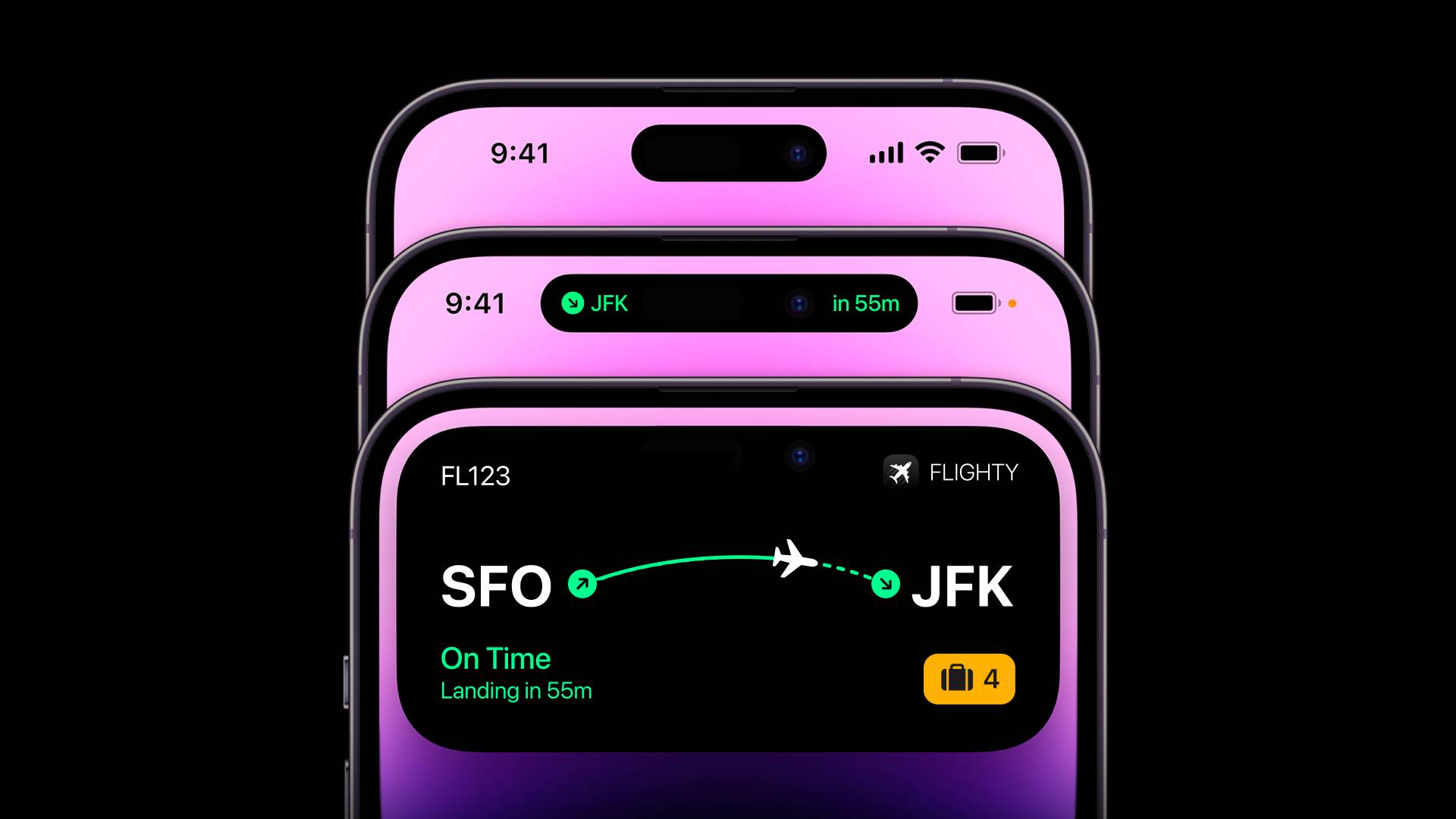
For those who may not be familiar, the Dynamic Island is more than just a replacement for the old screen notch. It is a cleverly designed, pill-shaped interactive area located at the top of the iPhone's display. This area houses the front-facing camera and the sensors necessary for Face ID, but its true magic lies in its software integration. The Dynamic Island can change its size and shape to display important alerts, notifications, and ongoing background activities in a fluid and intuitive way.
Think of it as a mini-dashboard that's always accessible. It can show you:
- The album art for the music you're currently playing.
- A timer counting down.
- Turn-by-turn directions from Maps.
- The status of your incoming phone call.
- Your food delivery progress.
- Sports scores in real-time.
You can interact with it, too. A simple tap can open the full app associated with the activity, while a long press often brings up a widget with more controls. This transforms a previously static area of the screen into a productive and delightful part of the user experience. It's a prime example of Apple's hardware and software synergy, turning a physical necessity (the camera cutout) into a celebrated feature.
The Journey from Notch to Island
The story of the Dynamic Island is really the story of Apple's quest for an all-screen iPhone. It began in 2017 with the iPhone X, which introduced the "notch." This cutout at the top of the display was necessary to house the sophisticated TrueDepth camera system for Face ID, but it was a design compromise that sparked considerable debate. Over the years, users grew accustomed to it, and Apple even refined it, making it slightly smaller on the iPhone 13 series.
The next major evolution came in 2022 with the iPhone 14 Pro and iPhone 14 Pro Max. These premium models were the first to ditch the notch in favor of the Dynamic Island. A year later, with the launch of the iPhone 15 lineup, Apple brought the feature down to its standard models, the iPhone 15 and iPhone 15 Plus. However, the budget-friendly iPhone SE has, to this day, retained the older design with thick top and bottom bezels and a Home button. The rumored iPhone "e" series is expected to replace the SE, and bringing the Dynamic Island to the iPhone 17e would complete this design transition, making it a standard feature across every new iPhone sold.
The Catch: A 60Hz Display Remains
While the addition of the Dynamic Island is exciting news for a potential budget model, the leak from "Digital Chat Station" comes with a significant caveat. The leaker added that despite this modern screen cutout, the iPhone 17e will likely retain a 60Hz OLED display. This detail is crucial because it highlights one of the key ways Apple differentiates its standard models from its high-end "Pro" lineup.
What does 60Hz mean? A display's refresh rate, measured in Hertz (Hz), refers to how many times per second the screen updates the image. A 60Hz display refreshes 60 times per second. While this is perfectly adequate for most tasks, it can feel less fluid than the higher refresh rates now common in the industry. Apple's Pro iPhones feature "ProMotion" technology, which allows for a variable refresh rate that can go up to 120Hz. This results in noticeably smoother scrolling, more responsive animations, and a more immersive gaming experience.
By keeping the iPhone 17e at 60Hz, Apple would essentially be using a panel similar to the one found in the 6.1-inch iPhone 15 and the upcoming iPhone 16. This strategy is believable and very much in line with Apple's typical approach. The company often re-uses slightly older, proven technology from its premium products in its more affordable devices to keep costs down and maintain clear product tiers. While many tech enthusiasts lament the continued use of 60Hz screens on devices that are not inexpensive, it remains a powerful tool for Apple to encourage customers to upgrade to the more expensive Pro models.
Other Rumored Details and Release Timeline
Beyond the screen, the leak provides a few more clues about the iPhone 17e's potential place in Apple's lineup.
A New Release Cycle
The leaker corroborated other reports suggesting that the device is on track for a launch in the first half of 2026. This is a departure from the typical September release for flagship iPhones but aligns with the spring release window of the iPhone SE. This timeline follows the rumored launch of an iPhone 16e, which is expected to arrive in early 2025. This suggests Apple may be establishing a new, more affordable "e" line with a consistent spring release schedule, filling the gap left by the aging iPhone SE.
Powerful Internals
Under the hood, the iPhone 17e is likely to be powered by the A19 chip. Apple's A-series processors are consistently years ahead of the competition, so even in an entry-level device, an A19 chip in 2026 would deliver incredible performance. This ensures that even the most affordable iPhone provides a fast, smooth, and secure experience, capable of running the latest apps and receiving iOS updates for many years. This commitment to performance is a cornerstone of the iPhone's value proposition.
An Iterative Upgrade
The leak also mentioned that the device would have "few other enhancements." This implies that the iPhone 17e will likely be an iterative update. The main selling points would be the introduction of the Dynamic Island to the entry-level tier and a significant performance boost from the new chip. We probably shouldn't expect major overhauls to the camera system, a brand-new chassis design, or other groundbreaking features. This is a common strategy for budget-focused models, where the goal is to deliver a great core experience by leveraging mature, cost-effective technologies.
The Big Picture: A Unified iPhone Family
The rumored iPhone 17e, with its Dynamic Island, represents the final step in a long-term strategic plan for Apple. By 2026, every single new iPhone model, from the budget-friendly "e" series to the top-of-the-line Pro Max, would share the same fundamental screen design. This creates a consistent and modern look across the entire product family, reinforcing the brand's identity.
This move would also simplify things for app developers, who would no longer need to design their user interfaces around both the notch and the Dynamic Island. A single, unified design target makes development easier and ensures a more consistent app experience for all users.
For consumers, it means that even if they choose the most affordable new iPhone, they won't be getting a device that looks dated. They will get to enjoy one of the iPhone's most celebrated modern features, making the entry-level model a more compelling proposition than ever before. While the 60Hz screen and other compromises will remain to protect the premium status of the Pro models, the overall value and appeal of the base iPhone will be significantly enhanced.
Conclusion: An Exciting Future for the Entry-Level iPhone
In summary, the rumor that the iPhone 17e will feature the Dynamic Island is a significant and highly plausible development. It signals the end of the notch era and the standardization of a more interactive and functional screen design across the entire iPhone lineup. While the device will likely make sensible compromises, such as retaining a 60Hz display, to maintain its accessible price point, the combination of a powerful A19 chip and the modern Dynamic Island would make it a formidable device in the smartphone market of 2026.
As with all early rumors, we must wait for more information to emerge. But for now, the prospect of a fully modernized, entry-level iPhone is an exciting one, promising to bring one of Apple's best innovations to a much wider audience.
This article, "iPhone 17e Could Feature Dynamic Island" first appeared on MacRumors.com
Discuss this article in our forums
from MacRumors
-via DynaSage

Post a Comment