Apple Expanding OLED Displays to iPad Mini, iPad Air, and MacBook Models
Apple's Big Screen Upgrade: OLED Displays Are Coming to More iPads and MacBooks
Get ready for a visual revolution across Apple's lineup. The stunning OLED display technology, currently a highlight of the high-end iPad Pro, is set to expand to a wider range of beloved devices. According to a recent report from Bloomberg, Apple is actively developing new versions of the iPad mini, iPad Air, MacBook Pro, and MacBook Air that will all feature vibrant OLED screens. This multi-year plan signals a significant commitment to elevating the visual experience for millions of users, bringing deeper blacks, richer colors, and incredible contrast to more of your favorite gadgets.
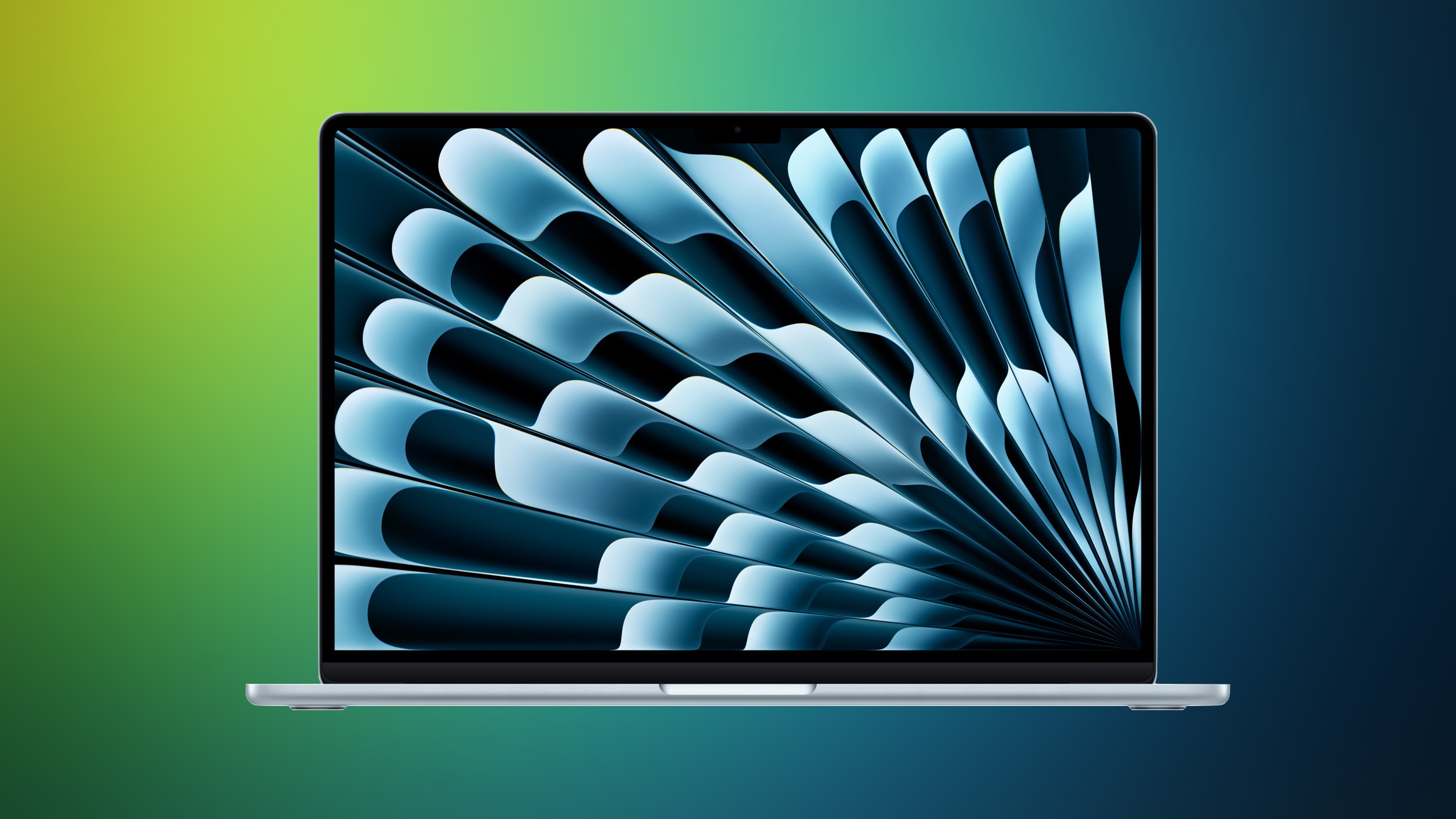
While this transition won't happen overnight, the roadmap is becoming clearer. Some devices are slated for an upgrade in the near future, while others will follow a few years down the line. Let's dive into what this means for each device, what makes OLED technology so special, and when you can expect to see these brilliant new displays in person.
What is OLED, and Why is it a Game-Changer?
Before we explore the timeline for each device, it's worth understanding why the move to OLED is such a significant upgrade. For years, most of Apple's devices have used Liquid Crystal Displays (LCDs). LCD screens are great, but they rely on a single backlight that shines through a layer of liquid crystals and color filters to create an image. This means that even when a part of the screen is supposed to be black, the backlight is still on, resulting in a dark gray rather than a true, deep black.
OLED, which stands for Organic Light-Emitting Diode, works fundamentally differently. In an OLED display, every single pixel is its own tiny, individual light source. This "per-pixel illumination" is the key to its superiority. Here’s what it means for you:
- Perfect Blacks and Infinite Contrast: To display black, an OLED pixel simply turns itself off completely. No light, no glow—just pure, inky blackness. This creates a stunning contrast between the darkest and brightest parts of the screen, making images pop with incredible depth and realism. Watching a space movie on an OLED screen feels like looking out a window into the actual night sky.
- Vibrant and Accurate Colors: Because each pixel generates its own colored light, OLEDs can produce a wider and more accurate range of colors. Photos look more true-to-life, videos are more immersive, and graphic design work is more precise. For content creators and consumers alike, it means a more beautiful and engaging visual experience.
- Faster Response Times: OLED pixels can switch on and off almost instantaneously. This translates to incredibly smooth motion with virtually no blurring. Whether you're gaming at high frame rates, scrolling quickly through a webpage, or watching a fast-paced action scene, the on-screen movement will feel more fluid and responsive.
- Thinner, Lighter, and More Efficient: Without the need for a separate backlight layer, OLED panels are significantly thinner and lighter than their LCD counterparts. This allows for sleeker device designs. They can also be more power-efficient; when displaying dark images or using Dark Mode, the turned-off pixels consume no power, which can contribute to longer battery life.
The Future of iPad Displays: An OLED for Everyone (Almost)
Apple's plan for its tablet lineup is to gradually infuse OLED technology across the mid-range and high-end models, creating a more consistent, premium viewing experience. However, each model is on a different schedule.
The iPad mini: Small Size, Massive Upgrade
The beloved iPad mini is set to receive one of the most exciting upgrades in its history. According to the report, an OLED version of the iPad mini could arrive as soon as 2026. This would be a game-changer for the compact tablet, making it an even better device for media consumption, reading, and gaming. The perfect blacks and vibrant colors of an OLED screen will make movies and photos look spectacular on its portable screen. Furthermore, the report hints at the possibility of improved water resistance for the mini, which would add a welcome layer of durability to its go-anywhere design.
The iPad Air: A Patient Wait for Perfection
For those hoping for an OLED iPad Air in the immediate future, a bit of patience will be required. Apple does not plan to bring OLED technology to the iPad Air in 2026. The model expected to launch in the spring of that year will continue to use a high-quality LCD panel. The transition to OLED for the Air is still part of the long-term plan, but it likely won't happen until 2027 at the earliest. This staggered approach allows Apple to manage its supply chain and maintain a clear distinction between the Air and the Pro models for a little longer.
The Standard iPad: Staying True to its Roots
Eventually, Apple's goal is to have the iPad Pro, iPad Air, and iPad mini all boasting beautiful OLED displays. However, there's one member of the family that will be sticking with its current technology. There are reportedly no plans to bring OLED to the entry-level iPad. This decision makes perfect sense from a product strategy standpoint, as it allows Apple to keep the standard iPad at its highly accessible and budget-friendly price point, ensuring there's an iPad for every user and every budget.
MacBooks Get the OLED Treatment: A New Era for Laptops
The move to OLED isn't just limited to iPads. Apple is also bringing this transformative display technology to its notebook lineup, starting with its most powerful models and eventually trickling down to its most popular one.
The MacBook Pro: The Professional's Choice Gets Even Better
Creative professionals, rejoice! The MacBook Pro is slated to be the first Apple laptop to feature an OLED display. This update could happen with its next major refresh, possibly as soon as 2026. For photographers, video editors, and graphic designers who rely on color accuracy and perfect contrast, an OLED MacBook Pro is a dream machine. The ability to see true blacks and an expanded color gamut directly on the laptop's screen will streamline workflows and provide a level of visual fidelity previously reserved for expensive external pro-grade monitors. This will solidify the MacBook Pro's position as the ultimate portable creative studio.
The MacBook Air: The World's Most Popular Laptop Awaits its Turn
Following the Pro, Apple plans to bring OLED technology to the immensely popular MacBook Air. While early development on an OLED MacBook Air has reportedly begun, its launch is still several years away. Don't expect to see it until 2028 at the earliest. In the meantime, the version of the MacBook Air planned for a spring 2026 release will continue to feature its current excellent LCD "Liquid Retina" display. When OLED finally arrives on the Air, it will represent a monumental upgrade for the mainstream laptop market, bringing premium display technology to millions of consumers and further blurring the lines between everyday convenience and professional-grade quality.
Timeline at a Glance: Your Guide to Apple's OLED Rollout
With different timelines for each device, it can be a little confusing. Here’s a simple breakdown of when to expect these new OLED displays:
- Already Available: iPad Pro
- Expected in 2026: iPad mini and MacBook Pro
- Expected in 2027 or Later: iPad Air
- Expected in 2028 or Later: MacBook Air
- Not in the Plans: Standard, entry-level iPad
Conclusion: A Brighter, Bolder Future for Apple Displays
Apple's strategic expansion of OLED technology across its iPad and MacBook lines is a clear signal of its future direction. By prioritizing a superior visual experience, the company is set to redefine what users expect from their personal devices. While this will be a gradual, multi-year transition, the path forward is clear: a future where our most-used screens are brighter, more colorful, and more immersive than ever before. Whether you’re a professional who demands pixel-perfect accuracy or a casual user who loves watching movies on the go, this upcoming wave of OLED-equipped devices promises a stunning new window into your digital world.
from MacRumors
-via DynaSage

Post a Comment