Apple's C1 Modem Put Through New Speed Test Ahead of iPhone 17 Air
Apple's C1 Modem: Speed Test Results and Implications for the iPhone 17 Air
Ookla, the renowned network intelligence company behind the popular Speedtest tool, recently released the results of their second cellular speed test focusing on the iPhone 16e. This model features Apple's newly designed C1 modem, a significant departure from the company's previous reliance on Qualcomm's chips. The results offer valuable insights into the C1's capabilities and shed light on what we might expect from the upcoming iPhone 17 Air, also rumored to utilize the C1 modem.
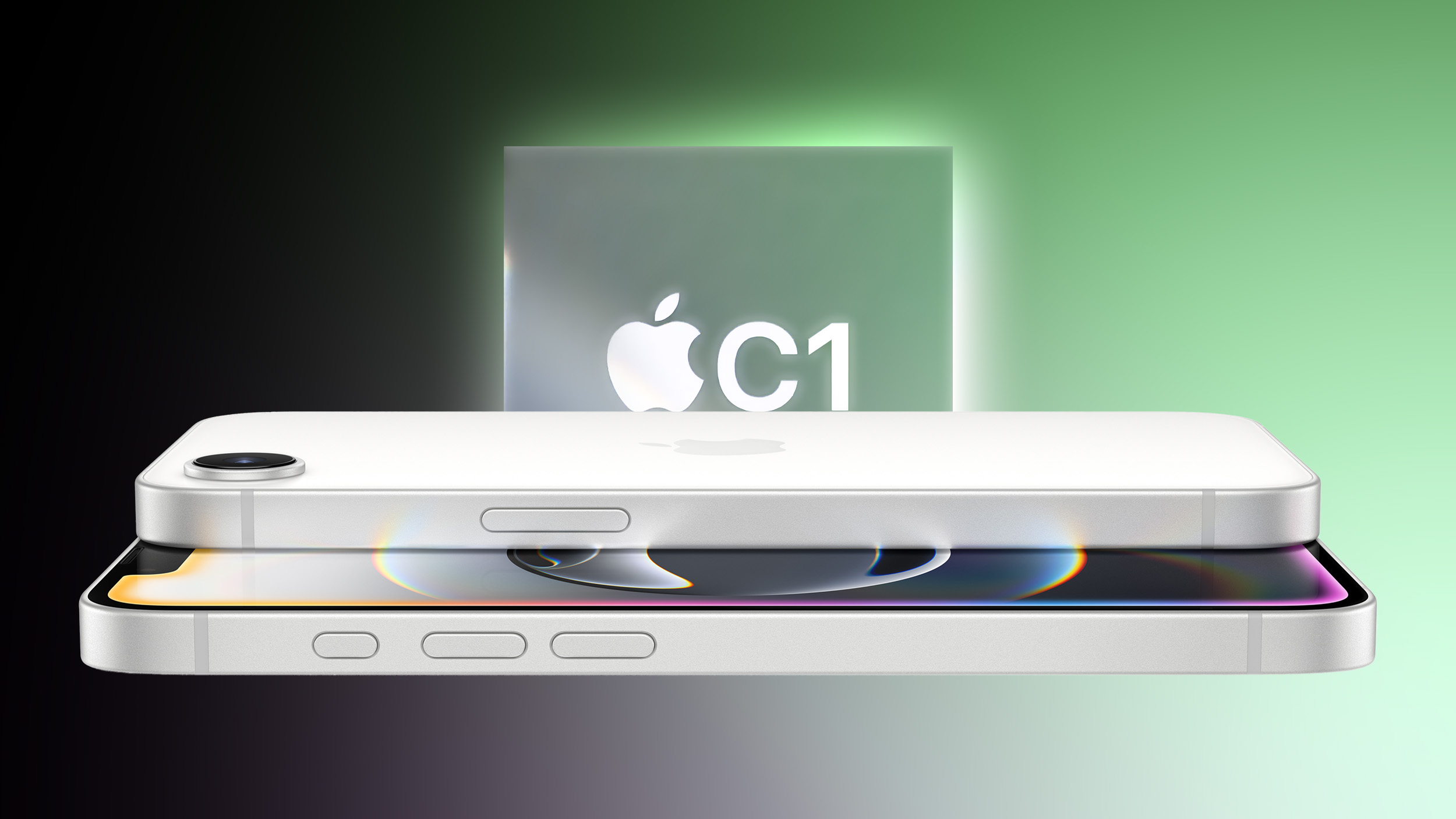
Overall Performance: A Close Race
Ookla's comprehensive testing across numerous markets revealed that the iPhone 16e, equipped with the C1 modem, delivers performance comparable to the standard iPhone 16, which uses Qualcomm's Snapdragon X71 modem. In the vast majority of test locations, the difference in speed was negligible, suggesting that Apple's first in-house 5G modem is a strong competitor.
This finding reinforces Ookla's earlier March report, which also highlighted the competitive performance of the C1 modem. This consistency in results across different testing periods increases confidence in the C1's capabilities.
Variability Across Carriers and Regions
While the overall performance is similar, the study revealed significant variations in speed depending on the carrier and geographical location. This is a common phenomenon in cellular network testing, as network infrastructure, spectrum allocation, and overall network congestion can drastically affect download speeds.
For example, Ookla's data showed that the standard iPhone 16 achieved a median 5G download speed of 317 Mbps on T-Mobile's US network, while the iPhone 16e reached 252 Mbps in the same conditions. This indicates a noticeable difference, favoring the Qualcomm modem in this specific instance. However, the picture is not uniformly consistent across all regions.
In contrast, on an unspecified Spanish network, the iPhone 16e outperformed the iPhone 16, achieving a median download speed of 139 Mbps compared to 110 Mbps for the iPhone 16. This highlights the influence of regional network infrastructure on the observed performance differences.
Implications for the iPhone 17 Air
The iPhone 16e's performance with the C1 modem is particularly relevant given the anticipated launch of the ultra-thin iPhone 17 Air, also expected to utilize Apple's custom-designed modem. This was previously reported by industry analysts and is considered a significant development. The C1's success in the iPhone 16e reassures consumers and suggests that the iPhone 17 Air won't compromise on 5G connectivity despite its slim profile.
The use of the C1 modem in the iPhone 17 Air is strategic for Apple. Integrating its own modem offers greater control over hardware and software integration, potentially leading to optimized performance and enhanced power efficiency. This level of control could be especially important for a device designed to be as thin as the iPhone 17 Air is expected to be.
Furthermore, having an in-house modem allows Apple to reduce its dependence on external suppliers like Qualcomm, potentially leading to cost savings and improved supply chain management. This move aligns with Apple's broader strategy of increased vertical integration across its product ecosystem.
Detailed Test Methodology
While this summary highlights the key findings, it's crucial to acknowledge the complexity of cellular network testing. Ookla’s detailed report offers a much more in-depth analysis, including specific test methodologies, geographic locations, and network carrier details. It is recommended to consult their complete study for a more comprehensive understanding of the results.
Factors beyond the modem's capabilities, such as signal strength, network congestion, and the specific cellular bands used, play a substantial role in influencing download and upload speeds. It’s important to remember that these test results represent real-world conditions and reflect the combined impact of various contributing factors.
Conclusion
Ookla's latest speed test provides strong evidence that Apple's C1 modem offers comparable performance to its Qualcomm counterpart in many scenarios. Although regional variations exist, the overall results demonstrate that Apple’s first in-house 5G modem is a viable and competitive technology. This bodes well for the upcoming iPhone 17 Air, suggesting that users can expect robust 5G connectivity without sacrificing the device's ultra-thin design. The ability for Apple to produce its own modem is a crucial step towards greater control over its hardware and software ecosystem, potentially leading to future innovations and improvements in cellular technology.
Further Resources
For a more detailed analysis of the test results, visit Ookla's website at https://www.ookla.com/articles/iphone-c1-modem-performance-q2-q3-2025.
Learn more about the iPhone 16e at https://www.macrumors.com/roundup/iphone-16e/
Explore information about the C1 modem: https://www.macrumors.com/guide/c1/
Read more from Ookla: https://www.macrumors.com/guide/ookla/
Consider purchasing the iPhone 16e: https://buyersguide.macrumors.com/#iPhone-16e
Join the discussion in our forums: https://forums.macrumors.com/forums/iphone.99
Discuss this article: https://forums.macrumors.com/threads/apples-c1-modem-put-through-new-speed-test-ahead-of-iphone-17-air.2464840/
Original article on MacRumors: https://www.macrumors.com/2025/09/08/ookla-iphone-16e-c1-modem-speed-test/
MacRumors homepage: https://www.macrumors.com
from MacRumors
-via DynaSage

Post a Comment