iOS 26 and watchOS 26 Beta 7 Include 'Redesigned' Blood Oxygen Feature in U.S.
Apple Watch Blood Oxygen Feature Returns with a Redesign
Apple has reintroduced the Blood Oxygen feature to certain Apple Watch models in the United States, but with a crucial update. The seventh beta releases of iOS 26 and watchOS 26 (iOS 26 Beta 7 and watchOS 26 Beta 7) include a redesigned version of this feature for Apple Watch Series 9, Series 10, and Ultra 2 models purchased in the U.S. after mid-January 2024.
This redesigned Blood Oxygen feature first appeared last week with the release of iOS 18.6.1 and watchOS 11.6.1 (details here and here). Now, it's also making its way to users testing the iOS 26 and watchOS 26 betas.
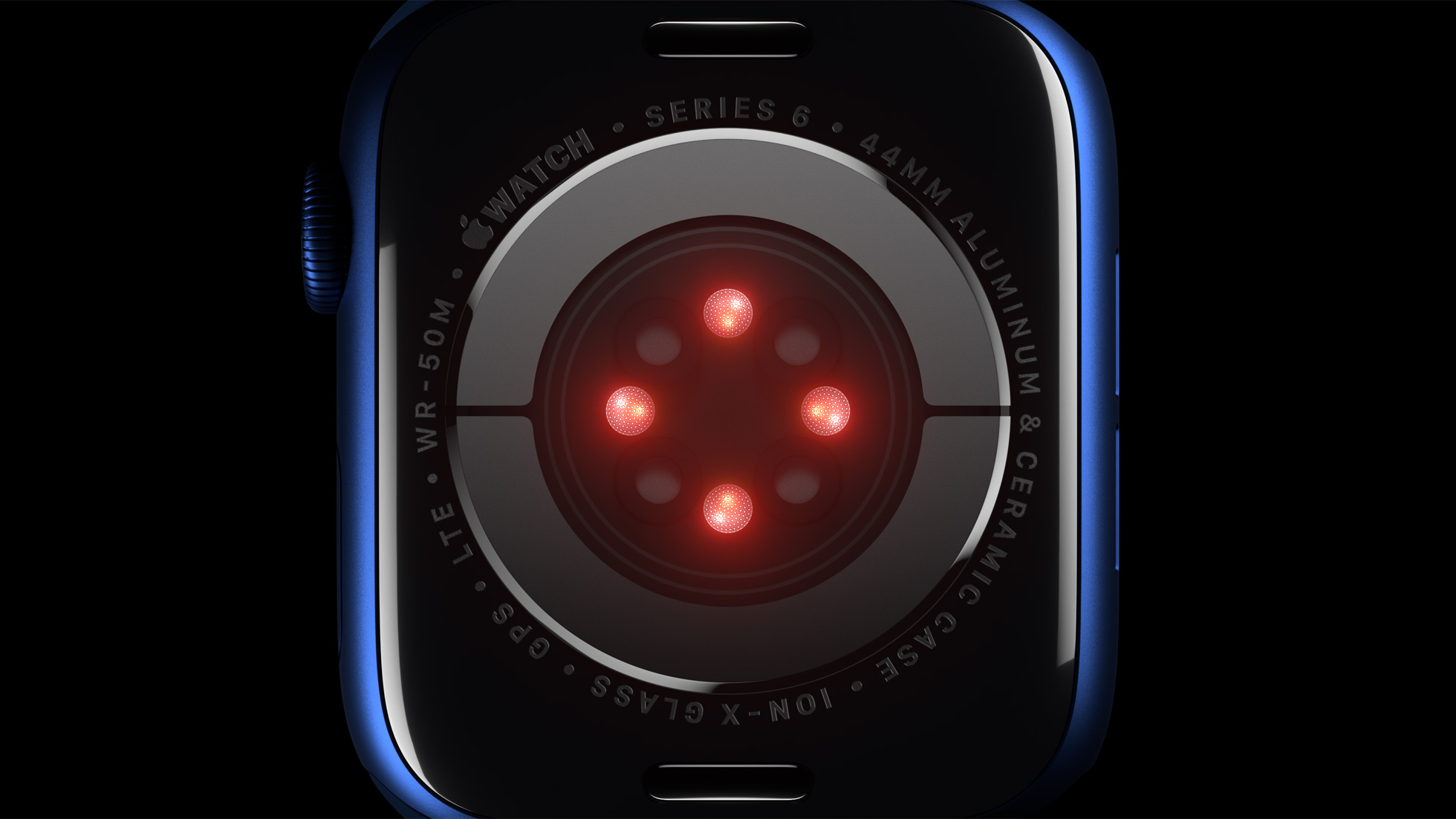
The Changes to the Blood Oxygen Feature
The key difference is in how the sensor data is processed. Instead of calculating blood oxygen levels directly on the Apple Watch, the redesigned feature now sends sensor data to the paired iPhone for processing. The results are then displayed in the Respiratory section of the iPhone's Health app. This change is a direct result of a recent U.S. Customs ruling.
Why the Redesign? The Masimo Lawsuit
The original Blood Oxygen app, where measurements were processed and displayed on the watch itself, became unavailable on Apple Watch Series 9, Series 10, and Ultra 2 models sold in the U.S. since early 2024 (learn more). This was due to an order from the U.S. International Trade Commission (ITC). The order stemmed from a patent infringement lawsuit filed by Masimo, a medical technology company.
This lawsuit and the resulting ITC order affected only Apple Watch models sold in the U.S. after mid-January 2024. Apple Watch models sold before that date, or those sold outside of the U.S., were not subject to the ITC's ruling and retained the original, on-watch blood oxygen measurement functionality.
Understanding the Impact
For users of affected Apple Watch models in the U.S., the change means a shift in how the data is processed. While the functionality remains, the user experience is altered. Instead of seeing the results immediately on their watch, they now need to consult their paired iPhone. This introduces an extra step but restores the functionality lost due to the legal dispute.
For users with older Apple Watch models or those living outside the U.S., the Blood Oxygen feature continues to function as before. There are no changes to their experience.
The Future of Blood Oxygen on Apple Watch
The long-term implications of this redesign remain to be seen. It is a temporary workaround implemented due to the legal battle with Masimo. Future software updates might bring the processing back to the Apple Watch, depending on the resolution of the lawsuit. For now, however, the redesigned feature provides a solution for affected users in the United States.
Frequently Asked Questions (FAQs)
Q: Does this affect my Apple Watch if I live outside the U.S.?
A: No, this redesign only impacts Apple Watch Series 9, Series 10, and Ultra 2 models sold in the U.S. after mid-January 2024. Your Blood Oxygen feature should continue to function as before if you are outside the U.S.
Q: What if I bought my Apple Watch before mid-January 2024?
A: If your Apple Watch Series 9, Series 10, or Ultra 2 was purchased in the U.S. before mid-January 2024, you should not experience any changes to the Blood Oxygen feature.
Q: How do I access the redesigned Blood Oxygen data?
A: The data is accessible in the Respiratory section of the Health app on your paired iPhone.
Q: Is this a permanent change?
A: This is currently a workaround due to the legal issues. Apple may implement changes in the future, depending on the resolution of the lawsuit with Masimo.
Related Resources
For more information, you might find these resources helpful:
- Apple Watch 10
- Apple Watch Ultra 2
- iOS 26
- iPadOS 26
- Apple Watch Buyer's Guide (Don't Buy)
- Apple Watch Ultra Buyer's Guide (Don't Buy)
- Apple Watch Forums
- iOS 26 Forums
- Discuss this article in our forums
This article, "iOS 26 and watchOS 26 Beta 7 Include 'Redesigned' Blood Oxygen Feature in U.S." first appeared on MacRumors.com
from MacRumors
-via DynaSage

Post a Comment