Apple Reportedly Developing Its Own Custom Image Sensor for iPhone
Apple's Revolutionary Image Sensor: A Leap Towards Human-Eye Vision in iPhones
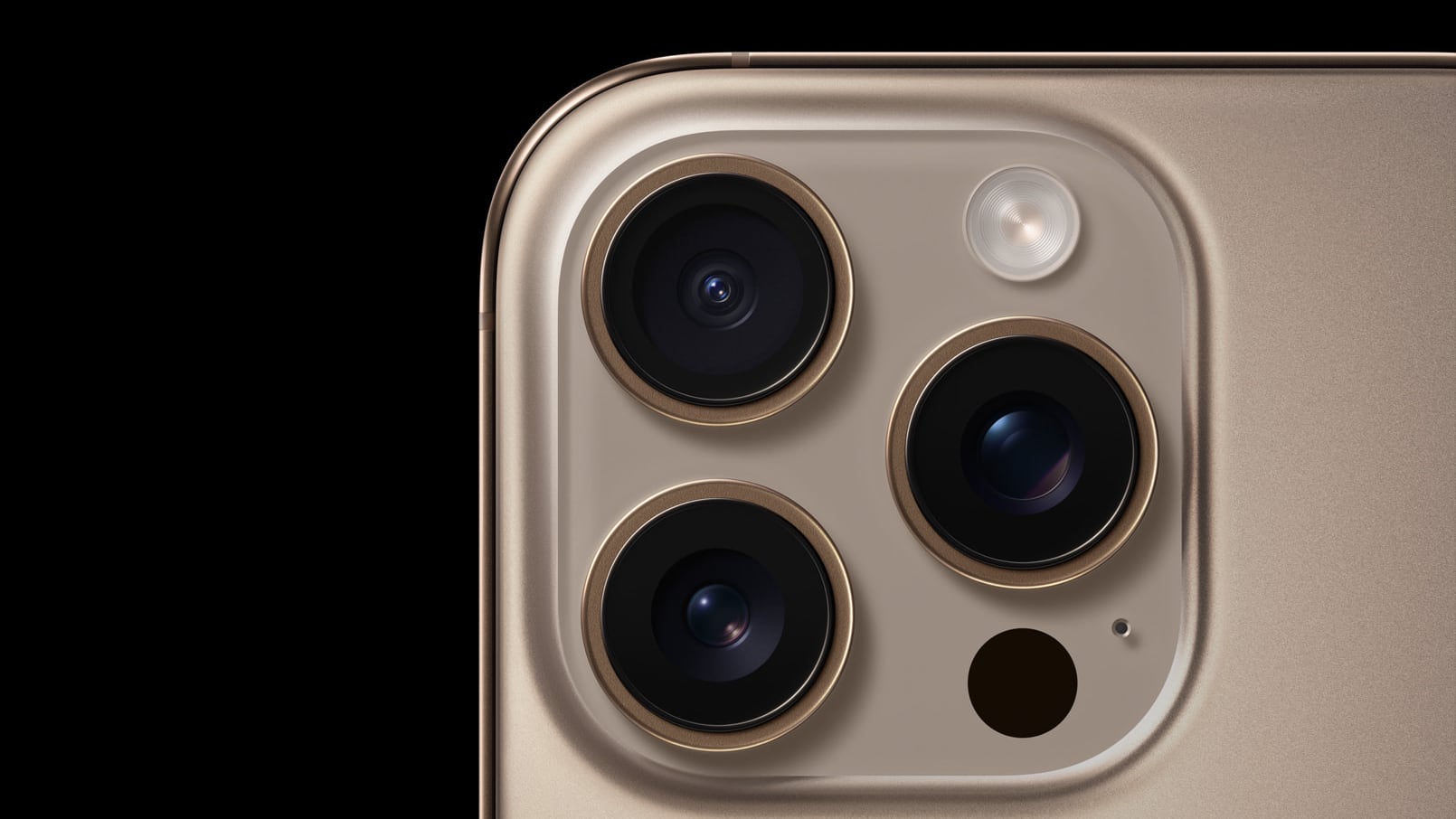
Rumors are swirling that Apple is on the verge of a significant camera upgrade for future iPhones. A Weibo leaker, known as "Fixed Focus Digital" (https://weibo.com/u/5821279480), claims Apple is developing a new image sensor with a dynamic range approaching that of the human eye. This isn't just idle speculation; it's backed up by a recently filed patent.
A Patent Reveals Stunning Technological Advancements
Last month, Apple filed a patent titled "Image Sensor With Stacked Pixels Having High Dynamic Range And Low Noise" (https://ppubs.uspto.gov/api/pdf/downloadPdf/12342091?requestToken=eyJzdWIiOiJmZmIyNTM4Mi1kZDcyLTQyODktODdkZS0xMDAzMzczNTdjYzUiLCJ2ZXIiOiI1MTJhNzIwOC04ZWZmLTQ3MzMtYjgyMS02NjcxYzUwY2FmNDUiLCJleHAiOjB9). This patent details a revolutionary sensor architecture that promises unparalleled image quality.
The patent describes a system capable of achieving up to 20 stops of dynamic range. To put this in perspective, the human eye boasts a dynamic range estimated between 20 and 30 stops. This impressive range allows our eyes to see detail in both incredibly bright and incredibly dark areas simultaneously. Most modern smartphones only achieve between 10 and 13 stops of dynamic range. If Apple's sensor performs as promised, it wouldn't just surpass current iPhone capabilities; it would rival, and potentially exceed, many professional-grade cinema cameras like the ARRI ALEXA 35.
Understanding the Sensor's Innovative Design
The patented sensor employs a clever two-layer design. The top layer, the "sensor die," captures light. The bottom layer, the "logic die," handles the complex processing tasks, including noise reduction and exposure control. This separation allows for faster and more efficient image processing.
Lateral Overflow Integration Capacitor (LOFIC): The Key to Exceptional Dynamic Range
A critical component of this sensor is the Lateral Overflow Integration Capacitor (LOFIC). This innovative system enables each pixel to store varying amounts of light, depending on the scene's brightness. This means the sensor can gracefully handle extreme lighting differences – for instance, a person standing in front of a brightly lit window – without losing detail in the shadows or overexposing the bright areas. This is a significant breakthrough in image sensor technology.
Real-Time Noise Reduction: On-Chip Perfection
The sensor's design also incorporates sophisticated noise reduction. Each pixel has its own built-in memory circuit that actively measures and cancels out heat-related electronic noise in real time. This on-chip noise reduction occurs before the image is even saved, leading to cleaner, more detailed images.
Beyond the Patent: Real-World Implications
The Weibo leak suggests that Apple’s project is far more advanced than just a patent. "Fixed Focus Digital" claims that Apple has already developed a prototype sensor and is currently testing it in developmental hardware. This strongly indicates that the company is seriously considering incorporating this technology into a future consumer product, most likely an iPhone.
Apple's Move Towards Independent Hardware
Currently, Apple relies on Sony to supply image sensors for its iPhones. While Sony's sensors are high-quality, they utilize a two-layer design similar to Apple's proposed sensor. However, Apple's design incorporates original features and a more compact size. More importantly, this transition to creating its own sensors gives Apple complete control over the image pipeline. This aligns with Apple's broader strategy of moving away from reliance on third-party hardware components from companies like Intel and Qualcomm, favoring its custom-designed silicon.
This shift toward self-sufficiency provides Apple with greater flexibility to innovate and optimize its products for peak performance. The potential for future advancements in camera technology becomes significantly larger when Apple has complete control over the hardware and software integration.
The Future of iPhone Photography
The implications of Apple's advanced image sensor are profound. If successfully implemented, it would represent a giant leap forward in mobile photography. The improved dynamic range, approaching that of the human eye, could drastically enhance image quality, allowing for more detailed and realistic representations of scenes across a wider range of lighting conditions. This could revolutionize how we capture and experience images on our iPhones.
The development of this technology underscores Apple's unwavering commitment to innovation in mobile photography. It signals a future where our iPhones can capture images that are remarkably true to life, capturing details we’ve never been able to see before.
While the exact timeline for the integration of this revolutionary sensor into consumer iPhones remains unclear, the sheer potential of this technology is undeniable. It promises a future of breathtaking images, captured with the unparalleled quality and ease of use expected from Apple products.
This article, "Apple Reportedly Developing Its Own Custom Image Sensor for iPhone" first appeared on MacRumors.com
Discuss this article in our forums
from MacRumors
-via DynaSage

Post a Comment