AOL Dial-Up Internet Service to End After 34 Years
The End of an Era: AOL Dial-Up Internet Service Retires
On September 30th, 2025, a significant chapter in internet history closed. AOL, the once-dominant internet provider, officially discontinued its dial-up internet service. This marks the end of an era that defined how millions of Americans first accessed the World Wide Web.
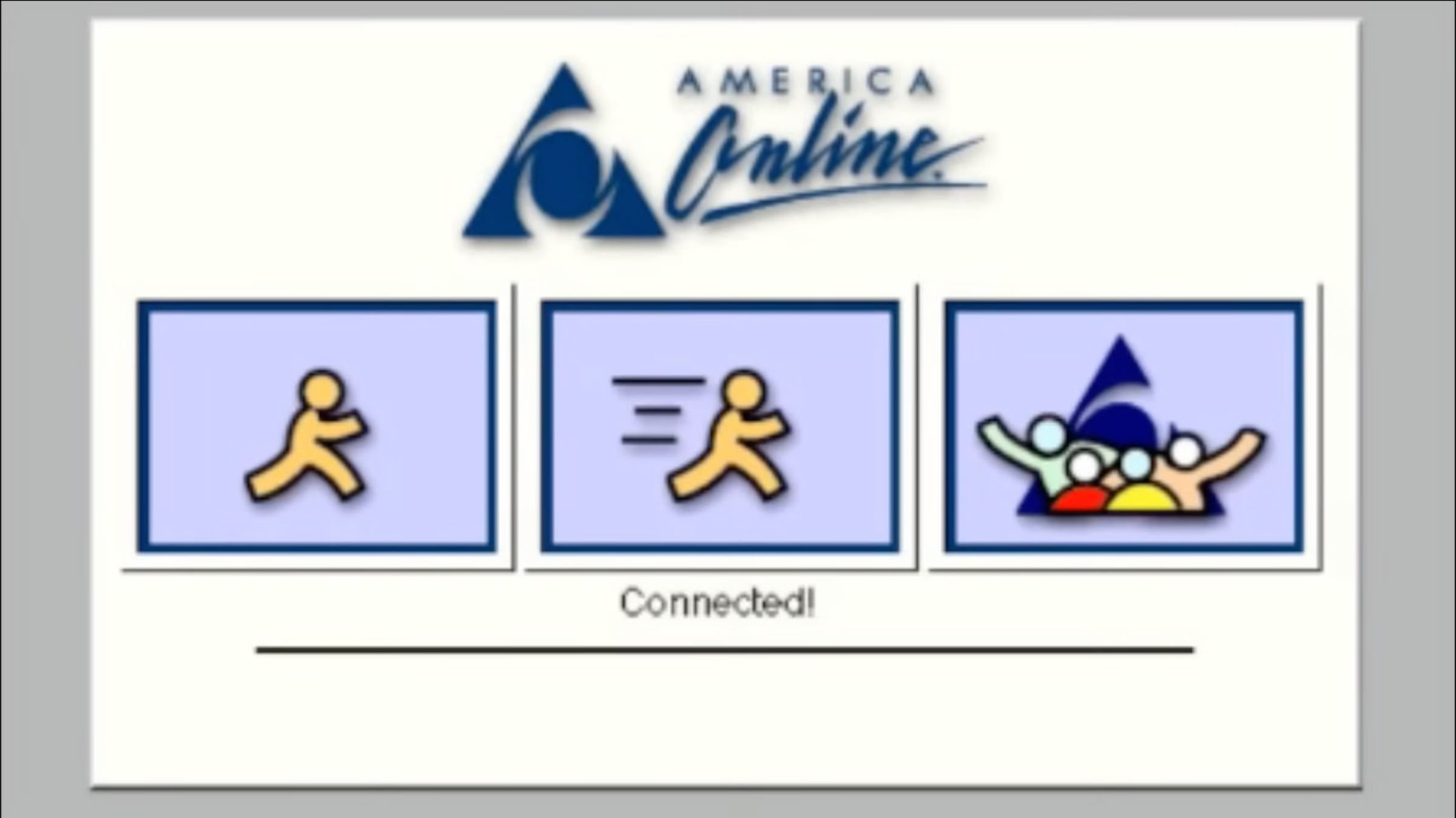
The announcement, made on AOL's support website, simply stated that the company had decided to discontinue its dial-up service after a routine product evaluation. This also included the termination of supporting software like the AOL Dialer and AOL Shield browser, both designed for older operating systems. These tools were quintessential for using AOL dial-up during its heyday.
A Surprisingly Persistent Legacy
While dial-up internet might seem like a relic of the past, its surprisingly persistent user base is a testament to its enduring presence, particularly in underserved areas. According to a 2019 US census, as reported by The Verge, a considerable number of Americans – an estimated 265,000 – were still relying on dial-up connections. This suggests that many, likely residing in rural areas lacking robust broadband infrastructure, continued to depend on this older technology due to its affordability and accessibility in their locations.
The Rise and Fall (and Rise and Fall Again) of AOL Dial-Up
AOL's dial-up service launched in 1991, ushering in a new era of internet access for the masses. Throughout the 1990s, AOL became practically synonymous with the internet itself. The distinctive "You've got mail!" notification sound became a cultural touchstone, instantly recognizable to millions. The iconic dial-up modem's distinctive screeching and connecting sounds are as memorable as the phrase itself; triggering immediate nostalgia for many. You can hear the sound again on this YouTube video.
AOL’s success was largely due to its ease of use and accessibility. Before the widespread availability of high-speed internet, dial-up offered a relatively simple way for people to connect to the internet, despite its painfully slow speeds by today's standards. The included software made navigation and email relatively straightforward, even for those unfamiliar with the complexities of the internet.
However, the advent of broadband internet technologies like DSL and cable gradually eroded AOL's dominance. High-speed internet offered significantly faster download and upload speeds, making dial-up seem incredibly slow and outdated. While AOL transitioned to offering broadband services, its dial-up service stubbornly persisted, primarily serving those who lacked access to more modern options.
The decision to finally shut down the dial-up service reflects a broader shift in the technological landscape. The near-universal adoption of broadband and mobile internet has rendered dial-up largely obsolete. Maintaining outdated infrastructure like this becomes costly and impractical, as technology progresses. The decision represents a complete severing of a vital link to the past.
The End of an Era and Its Impact
The shutdown of AOL's dial-up service isn't just about the end of a specific technology; it represents the closing of a chapter in the history of the internet. It's a poignant reminder of the evolution of technology and the speed at which it continues to advance. For many, it's a nostalgic moment recalling those early days of internet exploration.
The impact on remaining dial-up users is, of course, significant. These users, many of whom are likely in rural or underserved areas, will need to find alternative internet access solutions. This transition might present challenges, including the cost of upgrading to broadband or finding suitable alternative options in areas with limited infrastructure. This transition underlines the digital divide that still exists within many communities.
Furthermore, the shutdown emphasizes the importance of bridging the digital divide. While dial-up has been largely phased out, the existence of a significant user base until very recently underscores the ongoing need for universal access to high-speed internet. This highlights the responsibility of governments, internet providers, and technology companies to ensure that everyone, regardless of location, has access to reliable internet service.
Looking Ahead: The Future of Internet Access
The end of AOL's dial-up service serves as a reminder of the rapid pace of technological change and the need for ongoing adaptation. While dial-up was once the gateway to the internet for millions, its legacy will now be confined to the history books and the memories of those who experienced its distinctive sounds and slow connections. The internet landscape is rapidly evolving, with emerging technologies and increased demands for speed and bandwidth driving the need for constant improvements in infrastructure and accessibility.
The future of internet access will likely be defined by continued advancements in broadband technologies like fiber optics and the expansion of 5G and beyond. These technologies promise even faster speeds and greater bandwidth, paving the way for new applications and opportunities. However, ensuring equitable access to these advancements remains a critical challenge. Bridging the digital divide and ensuring everyone has access to high-speed internet is not only a technological challenge but a social and economic imperative. It's something that must be continuously addressed to ensure that everyone can participate fully in the digital world.
In conclusion, while the end of AOL dial-up marks the end of an era, it also opens up opportunities for continued improvement in internet access and infrastructure. The legacy of AOL dial-up is not just one of slow connections and screeching modems, but also one of providing access to the internet for millions who otherwise might have been excluded. The challenge now is to build on that legacy by ensuring that everyone has access to fast, reliable internet, regardless of their location or socioeconomic circumstances.
This article, "AOL Dial-Up Internet Service to End After 34 Years" first appeared on MacRumors.com
Discuss this article in our forums
from MacRumors
-via DynaSage

Post a Comment