The Lego Game Boy Looks Pretty Much Perfect
Nintendo's Nostalgic Marketing Masterclass: LEGO Game Boy and Beyond
Nintendo has recently been enjoying a surge of positive attention, largely thanks to its clever marketing strategy. Instead of relying on solely modern advertising techniques, they've tapped into a powerful wellspring of nostalgia, recreating classic television commercials for their new products. This approach resonates deeply with gamers of all ages, fostering a sense of connection to gaming's rich history and generating considerable excitement around new releases.
The Power of Retro: Reimagining Classic Ads
This isn't a new strategy for Nintendo, but its recent successes highlight its effectiveness. A few months ago, they cleverly brought back actor Paul Rudd for a modern remake of an old SNES commercial. Rudd, before his rise to fame, actually starred in a classic Super Nintendo Entertainment System commercial, and his reappearance in a new advertisement for the upcoming Nintendo Switch 2 generated significant buzz online. This clever use of a familiar face combined with a beloved piece of gaming history proved to be a winning formula.
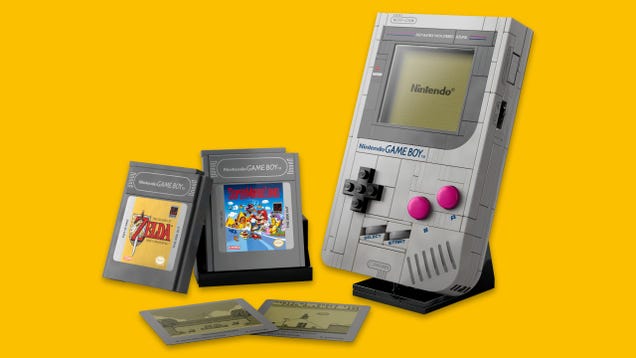
Now, Nintendo is once again leveraging the power of nostalgia with a fresh take on a 1989 Game Boy advertisement, this time to promote the highly anticipated LEGO Game Boy. This isn't just any LEGO set; it's a meticulously detailed replica of the iconic handheld console, capturing its original aesthetic and functionality with impressive accuracy.
The LEGO Game Boy: A Collector's Dream
The LEGO Game Boy isn't simply a plastic toy; it's a tribute to a pivotal moment in gaming history. The set itself is remarkably accurate, capturing the look and feel of the original Game Boy. LEGO designers have painstakingly recreated every detail, from the textured casing to the iconic buttons and directional pad. It even features a working, albeit miniature, LCD screen, allowing for a functional display, albeit a very small one. This level of detail is what sets the LEGO Game Boy apart and makes it so appealing to both nostalgic gamers and LEGO enthusiasts.
The commercial accompanying the LEGO Game Boy's launch is a masterful recreation of its 1989 counterpart. While updated to fit modern sensibilities, it retains the charm and simple effectiveness of the original. The ad cleverly utilizes similar visual cues and scenarios, instantly triggering recognition and warm feelings among those familiar with the original Game Boy ads. This nostalgic touch is what makes the campaign so successful.
Why Nostalgia Marketing Works
Nintendo's success with these retro-inspired ads isn't accidental. Nostalgia marketing taps into a powerful emotional connection with consumers. It triggers positive memories and feelings associated with a specific time period or product. This emotional response is far more powerful than a purely rational appeal, making it highly effective in driving sales and building brand loyalty.
In the context of gaming, nostalgia is particularly potent. Many gamers hold a deep fondness for the classic consoles and games of their youth. These memories are often associated with important life stages, friendships, and personal achievements. By rekindling these feelings, Nintendo connects with its audience on a deeply personal level, creating a bond that extends beyond a simple transaction.
More Than Just a Product Launch
These ad campaigns aren't just about selling products; they're about creating a shared cultural experience. By revisiting iconic moments in gaming history, Nintendo fosters a sense of community among its fans. This is evident in the overwhelmingly positive response to both the Paul Rudd commercial and the LEGO Game Boy advertisement. People are sharing their memories, discussing the ads online, and celebrating the enduring legacy of Nintendo's products.
This sense of shared nostalgia transcends generations. While older gamers appreciate the callbacks to their past, younger players are introduced to the history of gaming in a fun and engaging way. This creates a bridge between generations, fostering a wider appreciation for Nintendo's history and its continued relevance in the modern gaming landscape.
The Future of Nostalgic Marketing
The success of Nintendo's retro-inspired advertising campaign points to a broader trend in marketing: the increasing importance of emotional connection. In a world saturated with advertising messages, brands are increasingly looking for ways to stand out by tapping into the emotions of their consumers. Nostalgia marketing provides a powerful tool for achieving this, fostering loyalty and driving sales through an appeal to shared memories and sentiments.
It remains to be seen whether other companies will follow suit and adopt similar strategies. However, Nintendo's success with its recent campaigns suggests that there is a significant appetite for nostalgic marketing, especially in the gaming industry. The emotional resonance of these campaigns is undeniable, and they serve as a testament to the power of harnessing the past to connect with the present.
For Nintendo, the strategy is clearly paying off. Beyond the direct sales generated by the LEGO Game Boy and the anticipation surrounding the Nintendo Switch 2, these ads also contribute to strengthening the brand's image and reinforcing its position as a leader in the gaming industry. The clever use of nostalgia not only sells products but also cultivates a deep and lasting connection with its audience.
Further Reading
For more information on the LEGO Game Boy and Nintendo's marketing strategies, you can check out this article:
Kotaku Article on LEGO Game Boy and Nintendo's Commercial
from Kotaku
-via DynaSage

Post a Comment