Esports Player Changes Name From ‘Hitler’ To ‘Henry’ And Apologizes
Why Esports Pros Use Handles Instead of Real Names
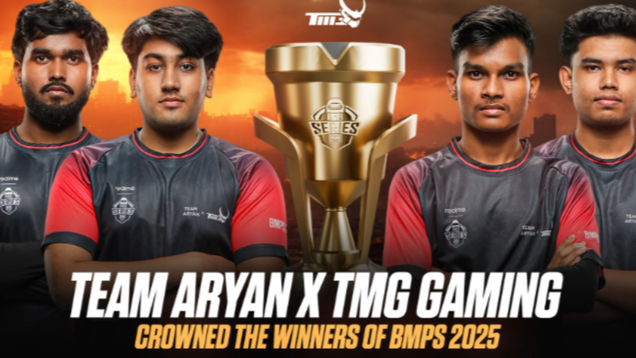
In the electrifying world of esports, where millions watch top players compete for glory and prize money, you'll rarely hear a pro athlete using their real name. Instead, they adopt handles—memorable, often stylized nicknames that become synonymous with their skill and persona. Think of "SonicFox," a name instantly recognizable to fighting game fans, but perhaps less so than their real name, Dominique McLean. This widespread practice raises questions: why do almost all esports players use handles? What are the advantages, and are there any drawbacks?
Branding and Memorability
One primary reason for using a handle is branding. A catchy, memorable handle is significantly easier to market and promote than a commonplace real name. Think about it: "SonicFox" is far more striking and memorable than "Dominique McLean." This strong brand is crucial in the competitive landscape of esports. Sponsors, teams, and fans need a clear, concise way to identify and remember players. A unique handle significantly improves brand recognition and recall, helping players build a strong personal brand within the community.
Furthermore, a well-chosen handle can reflect a player's personality, playing style, or even a specific character they play. This allows for a deeper connection with fans, who can quickly associate the handle with a particular image or archetype. It’s a form of self-branding, meticulously curated to attract a dedicated fanbase.
Protecting Personal Identity and Privacy
Esports, like many public professions, exposes individuals to intense scrutiny. Using a handle offers a layer of separation between their professional and personal lives. This separation protects their privacy and shields their family and friends from the potential downsides of public fame, including online harassment, doxxing, and unwanted attention.
The anonymity offered by a handle helps safeguard against potential threats. While not a foolproof solution, it reduces the ease with which malicious actors can target individuals based on their real-world information. It creates a boundary, preventing the blurring of lines between the professional persona and the personal life.
Building a Separate Online Identity
A handle allows esports players to cultivate a distinct online identity that’s separate from their everyday selves. This is especially important in a digital world where online interactions often feel more immediate and less filtered than real-life encounters. The handle can be a curated representation of their competitive persona, free from the baggage or expectations associated with their real name.
This distinct identity allows players to experiment with self-expression, projecting a certain image that resonates with their fanbase and aligns with their brand. It's a crucial aspect of self-presentation in the highly visual and personality-driven world of esports.
Consistency and Professionalism
Using a consistent handle across all platforms—streaming, social media, tournament registration—ensures professional consistency. This creates a unified brand image and makes it easier for fans and organizations to connect with them. A single, recognizable handle streamlines communication and simplifies fan engagement, fostering a more cohesive and professional image.
This consistency is vital in a field where sponsorships and endorsements are crucial income streams. A consistently presented brand, represented by the handle, offers a degree of predictability and reliability that appeals to potential sponsors.
Potential Downsides
While the advantages of using a handle are numerous, there are potential drawbacks to consider. Building personal relationships with fans can be more challenging when operating under a pseudonym. It can be harder to foster a sense of genuine connection when the personality presented is, to some degree, a curated online persona.
Additionally, managing multiple identities—the online persona represented by the handle and the real-world identity—can be time-consuming and potentially stressful. Maintaining a consistent narrative across platforms while ensuring privacy requires careful planning and management.
Finally, there's the risk of a disconnect between the online persona and the person behind the handle. If the online persona becomes too different from the player's real personality, it could lead to a sense of inauthenticity or even alienate fans who prefer a more genuine connection.
Examples and Case Studies
Many esports stars exemplify the effectiveness of using handles. "Ninja" (Tyler Blevins), a prominent Fortnite streamer, built a global following based on his memorable handle and engaging personality. Similarly, "Faker" (Lee Sang-hyeok) in League of Legends, is known as much for his impressive skill as for his iconic handle.
Conversely, some players have faced negative consequences related to their online identity. Controversies around gamertags and online behavior illustrate the need for careful consideration of online presence. The case of a PUBG Mobile player using the name "Hitler Henry" highlights the potential repercussions of poorly chosen handles.
Conclusion
The overwhelming majority of esports players choose to use handles rather than their real names for a multitude of compelling reasons. From building a strong brand and protecting personal privacy to cultivating a distinct online identity and maintaining professional consistency, the benefits often outweigh the potential downsides. While challenges exist in navigating the complexities of maintaining both a public online persona and a private personal life, the practice remains central to the unique culture and dynamics of the professional esports landscape.
The careful selection and management of a handle are crucial aspects of professional success in the esports world. A well-chosen handle can be the foundation for a successful brand, a loyal fanbase, and a long-lasting career in the competitive gaming arena.
```from Kotaku
-via DynaSage

Post a Comment