YouTube's Latest Move Against Ad Blockers: Video Delays
YouTube Slows Videos for Users with Ad Blockers
YouTube is employing a new tactic in its ongoing battle against ad blockers: intentionally slowing down video loading speeds for users who have ad-blocking extensions enabled. This move represents a significant escalation in Google's efforts to combat the widespread use of ad blockers and protect its substantial ad revenue.

The Slowdown Strategy: Artificial Delays Mimicking Ads
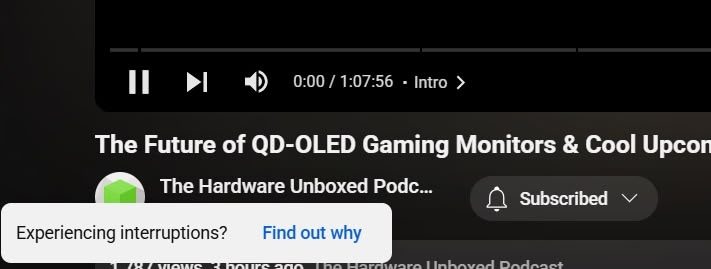
Numerous users across various online platforms, including Reddit and the Brave browser forum, are reporting experiencing significant video playback delays. Instead of immediate playback, videos show a black screen for a period equivalent to the typical duration of pre-roll advertisements. Simultaneously, a pop-up message appears, reading "Experiencing interruptions? Find out why," and links to a Google support page advising users to disable their ad blockers.
This tactic is a departure from YouTube's previous methods. Before, YouTube primarily used warning messages or outright video playback blocks to deter ad-blocking. This new strategy, however, introduces deliberate delays that precisely mirror the time users would spend watching advertisements, effectively forcing the same time commitment regardless of whether ads are actually viewed. It's a clear attempt to make ad-blocking less appealing by directly impacting the user experience.
Targeted Approach and Bypassing Detection
It appears that YouTube's slowdown tactic is not universally applied. Instead, it seems to target specific user accounts previously identified as using ad blockers. This suggests YouTube is refining its methods to bypass the detection techniques employed by ad-blocker developers. PCWorld independently verified this behavior using uBlock Origin Lite, while users of the Brave browser, which includes built-in ad-blocking features, are also reporting similar experiences, demonstrating that the targeting extends beyond specific extensions.
The Implications for Users and YouTube's Revenue Model
This latest move by YouTube strongly suggests that the platform is willing to significantly degrade the user experience for those who don't pay for the service or view advertisements. By intentionally slowing down video playback, YouTube is effectively punishing users for not contributing to its revenue stream through ads or a paid subscription. This creates a direct financial incentive for users to either disable ad blockers, endure the slowdowns, or subscribe to YouTube Premium.
YouTube Premium, priced at $13.99 per month, offers an ad-free experience along with other benefits such as offline downloads and background playback. For those seeking a more budget-friendly option, YouTube recently introduced a Premium Lite plan for $7.99/month. However, even this cheaper tier still includes ads for certain content types, including music, Shorts, and during searches and browsing.
The Ethical and Practical Considerations
The ethical implications of YouTube's actions are significant. Many users employ ad blockers due to concerns about privacy, intrusive advertising, or simply a desire for a cleaner viewing experience. By directly penalizing these users with degraded performance, YouTube is arguably engaging in a form of digital coercion. While the company has a right to protect its revenue model, this approach raises questions about fair use and user autonomy.
From a practical standpoint, the effectiveness of YouTube's strategy remains to be seen. While it might deter some users from employing ad blockers, it's likely to also frustrate many others. This could potentially lead to users switching to alternative video platforms or finding creative workarounds to bypass the slowdowns. The long-term impact on user engagement and YouTube's own reputation could be negative if the tactic is widely perceived as unfair or overly aggressive.
The Ongoing Battle Between YouTube and Ad Blockers
This latest development represents only the latest chapter in the ongoing conflict between YouTube and ad blockers. Both sides are constantly evolving their strategies, with ad-blocker developers seeking ways to counter YouTube's measures and YouTube refining its techniques to circumvent ad blockers. This arms race is likely to continue for the foreseeable future, as both sides strive to gain the upper hand.
The future will likely see more sophisticated methods employed by both sides. Ad-blocker developers might develop more advanced techniques to detect and counteract YouTube’s slowdown tactics, while YouTube might invest in even more sophisticated methods to identify and penalize users who employ ad blockers. The end result will likely be an ongoing cycle of innovation and counter-innovation, reflecting the persistent tension between platforms aiming to monetize their content and users seeking to control their online experience.
This article, "YouTube's Latest Move Against Ad Blockers: Video Delays" first appeared on MacRumors.com
Discuss this article in our forums
from MacRumors
-via DynaSage

Post a Comment