Why Apple TV Beats Roku and Fire TV for Privacy Protection
Apple TV: Your Privacy Haven in the Streaming World?
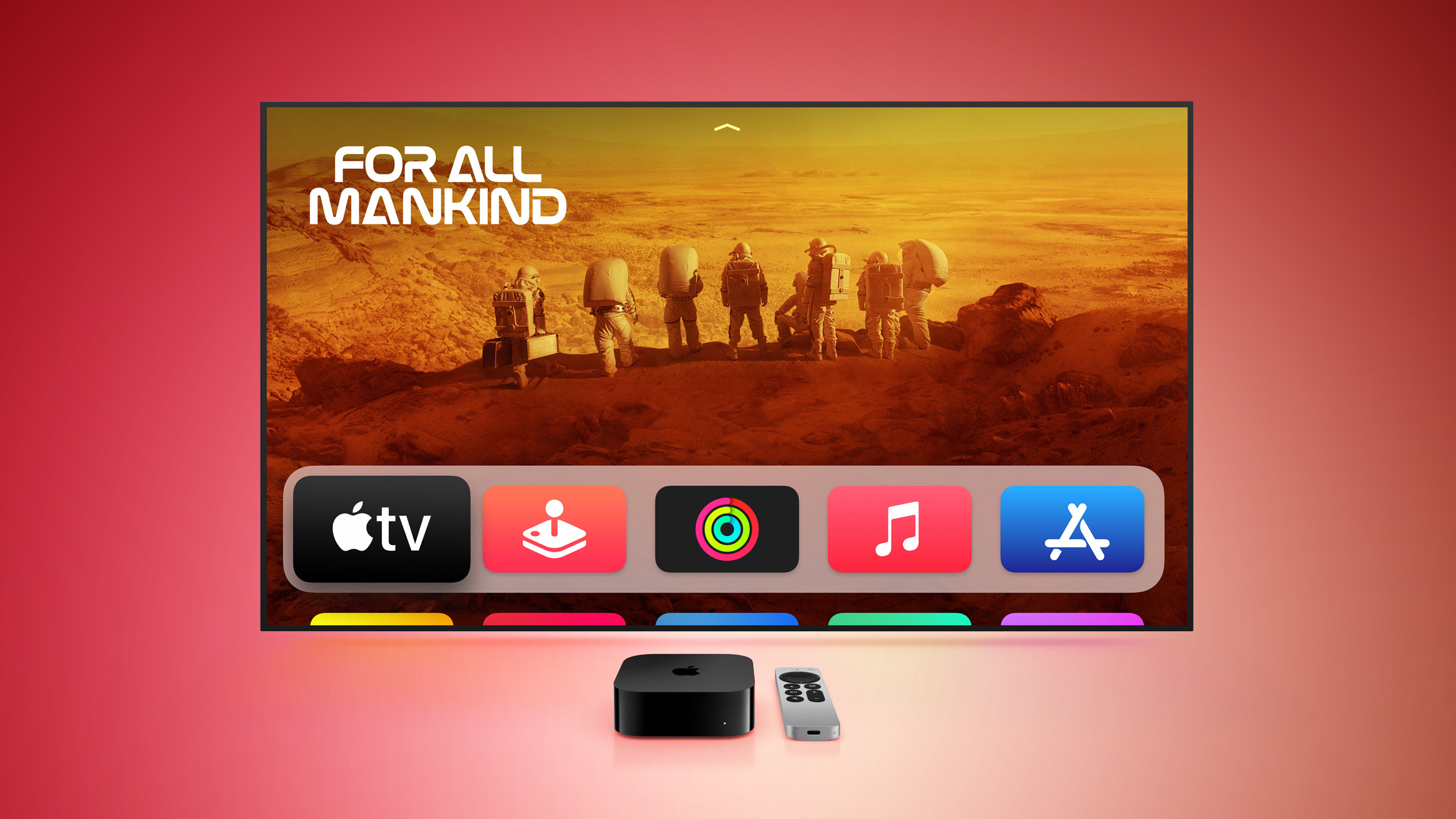
In a world where smart TVs and streaming devices constantly track your viewing habits, Apple TV stands out as a relative haven for privacy-conscious users. A recent in-depth analysis by Ars Technica reveals why.
The Key Difference: No Automatic Content Recognition (ACR)
The biggest privacy advantage of Apple TV lies in its absence of Automatic Content Recognition (ACR) software. Unlike Roku, Amazon Fire TV, and many built-in smart TV platforms, Apple TV doesn't secretly monitor what you're watching. ACR is a pervasive tracking technology that harvests your viewing data, often without your explicit knowledge or consent. By omitting ACR, Apple TV takes a significant step towards protecting user privacy.
Easy-to-Access Privacy Controls
Apple TV also excels in its upfront and accessible privacy settings. During the initial setup process, you can easily disable features like Siri, location tracking, and data sharing with Apple. This contrasts sharply with competitors, whose privacy controls are often buried deep within complex menus, making them difficult for average users to find and manage. This user-friendly approach empowers users to take control of their data.
Apple's Business Model: A Privacy Plus
Apple's business model also contributes to a more privacy-respecting experience. Unlike Roku OS and LG's webOS, which display ads on their home screens and screensavers to generate revenue, tvOS, Apple's operating system for Apple TV, doesn't contain integrated advertising. Apple's primary revenue streams don't rely on selling your viewing data to advertisers. Furthermore, on Apple TVs running tvOS 14.5 and later, third-party apps require your permission before tracking your activity. While this permission isn't automatically enabled, it provides another layer of user control.
Apple's Ecosystem: A Necessary Caveat
While Apple TV shines in its avoidance of intrusive third-party tracking, it's essential to acknowledge some data collection within Apple's own ecosystem. The Apple TV app gathers data on your viewing preferences, purchases, and search queries. This information helps improve recommendations and personalize Apple's services. While this data can be used for personalized ads within other Apple apps like News and the App Store, users retain the ability to disable these features through their device settings.
Siri and Data Collection: A Complex Issue
Siri voice requests are automatically sent to Apple's servers for processing. Apple assures users that this data isn't used for creating marketing profiles. However, a class-action lawsuit settlement of $95 million in January 2025 highlights the complexities and potential vulnerabilities surrounding Siri's data handling. This settlement underscores the ongoing debate about the balance between convenience and privacy in voice-activated assistants.
The Verdict: Apple TV Remains a Top Choice for Privacy
Despite the pressure on Apple to increase monetization of its streaming services, Ars Technica's analysis suggests that Apple TV remains the best option for privacy-conscious users. While no device offers perfect privacy, Apple TV provides a more robust level of protection compared to its competitors by minimizing data collection and making privacy settings easily accessible. The streamlined approach minimizes the extent to which your viewing habits are tracked and shared.
Maximizing Privacy on Apple TV
For those seeking the utmost privacy, the Ars Technica report recommends using Apple TV without an Apple account. This step limits the amount of data Apple can collect about your viewing habits and activities. Furthermore, disabling all tracking features and avoiding the use of Siri or the Apple TV app will further enhance your privacy. This comprehensive approach, though demanding, offers the highest degree of protection against data collection.
In conclusion, while no streaming device is completely free of data collection, Apple TV offers a noticeably more privacy-respecting experience than many of its competitors. By strategically choosing settings and minimizing reliance on Apple services, users can significantly enhance their privacy and take control of their personal data within the streaming environment.
This article, "Why Apple TV Beats Roku and Fire TV for Privacy Protection" first appeared on MacRumors.com
Discuss this article in our forums
from MacRumors
-via DynaSage

Post a Comment