Disney+ Removes Sci-Fi Film Because Of Controversial Rat-Drowning Scene
The Abyss: The Rat Scene That Shocked the World
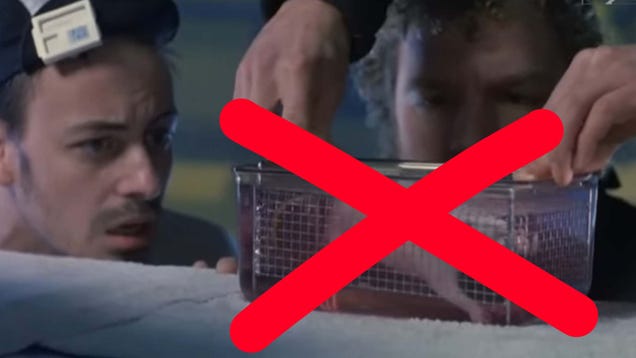
James Cameron's 1989 masterpiece, The Abyss, a thrilling underwater science fiction film, is renowned for its groundbreaking special effects and suspenseful narrative. However, one particular scene, involving a rat submerged in oxygen-rich liquid, became surprisingly controversial and led to a significant alteration of the film for its UK release. This incident, which took place over three decades ago, recently resurfaced due to a remastered edition restoring the original, uncut footage.
The Infamous Rat Scene: A Closer Look
The scene in question depicts a rat, seemingly panicked and struggling, being submerged in a liquid rich in oxygen. While the exact details of the rat's fate are debated and depend on individual interpretation of the scene, its inclusion sparked outrage amongst certain viewers and prompted significant concern from the British Board of Film Classification (BBFC). The BBFC, responsible for rating films in the United Kingdom, deemed the scene unsuitable for general audiences and issued an order for its removal.
At the time, the reasons for the scene's censorship were not explicitly detailed, but speculation points to the scene's perceived cruelty to animals and the potential distress it could cause to viewers. The visual depiction of the rat's struggle, however ambiguous its ultimate outcome, was deemed too graphic and emotionally unsettling for a wide release.
The Censorship Debate: Ethical Concerns and Artistic Expression
The decision to censor the scene ignited a broader discussion about ethical considerations in filmmaking, particularly concerning the portrayal of animals. While some argued that the scene was unnecessarily cruel and exploitative, others defended it as a crucial component of the film's overall narrative and artistic vision. They maintained that the scene's unsettling nature served a thematic purpose, contributing to the film's exploration of environmental concerns and the potential consequences of human intervention in the natural world.
The argument often revolved around the balance between artistic expression and the potential for causing harm or offense to viewers. Many argued that the film's director, James Cameron, had a creative right to include the scene, irrespective of its potential to be viewed as disturbing. However, the counter-argument underscored the responsibilities of filmmakers and distributors to consider the potential impact of their work on audiences and to prioritize the well-being of all involved, including animals.
The debate highlights the complex relationship between film censorship and freedom of expression. Film censors face the challenging task of balancing public morality and the artist's creative vision. Cases like The Abyss' rat scene demonstrate the inherent subjectivity in judging what is considered acceptable or inappropriate in cinema.
The Restoration and its Significance
The recent restoration of the uncensored version on a remastered release has re-ignited the discussion surrounding this controversial scene. The availability of the original cut provides viewers with the opportunity to form their own opinions and assess the scene's artistic merit and potential impact. The act of restoring the scene signifies a renewed focus on presenting films in their original, intended form, albeit with ongoing debate about the scene's ethical implications.
This restoration reflects a broader trend in film preservation and the accessibility of alternative versions of films. It empowers audiences to experience films as the filmmakers intended, facilitating a richer and more nuanced understanding of the cinematic work. However, it also emphasizes the need for continued dialogue surrounding ethical considerations in filmmaking and the responsibilities involved in presenting potentially sensitive content.
The Lasting Impact
The controversy surrounding The Abyss' rat scene remains a significant event in film history, serving as a case study in the challenges of film censorship and the ongoing tension between artistic freedom and public sensibilities. It underscores the complexities of evaluating the impact of specific scenes in a broader cinematic context. The discussion surrounding this scene will continue to inform the ongoing dialogue regarding ethical practices in filmmaking and the responsibilities of creators, distributors, and viewers.
The restoration of the scene not only sheds light on the creative choices made by James Cameron but also invites viewers to critically examine their own reactions and interpretations. It serves as a powerful reminder of the ever-evolving nature of cinematic representation and its impact on society.
The scene's controversial nature ultimately contributes to The Abyss' enduring legacy. It's a testament to the power of cinema to spark conversation, challenge assumptions, and provoke debate. This single moment, however brief, continues to resonate, prompting discussion and analysis long after the film's release.
Ultimately, the debate surrounding this scene transcends mere technical details and raises crucial questions about animal welfare in film production, artistic freedom versus censorship, and the responsibilities of content creators and distributors. The ongoing dialogue underlines the complexities of evaluating cinematic art and its potential effects on viewers.
For more information on this topic, you can read more at: Kotaku's article on the restored scene.
```from Kotaku
-via DynaSage

Post a Comment