Canceled Black Panther Game Reportedly Used A Nemesis-Like System For A Showdown With The Skrull
EA's Canceled Black Panther Game: A Lost Opportunity
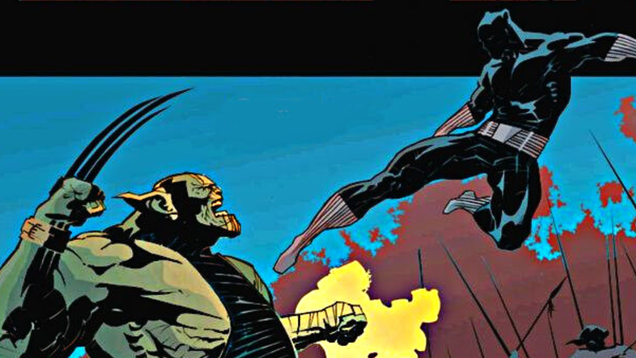
The gaming world was recently shocked by the news that Electronic Arts (EA) had canceled its highly anticipated Black Panther game. This wasn't just any cancellation; it was the end of a project that had already reached a significant stage of development, a "vertical slice" – a playable segment showcasing core gameplay and visuals – according to a recent Bloomberg report. This report provides crucial insights into what could have been a groundbreaking title.
A Storyline Inspired by the Skrulls and Shadow of Mordor
The canceled Black Panther game was being developed by Monolith Productions, the studio behind the critically acclaimed Middle-earth: Shadow of Mordor and Shadow of War games. This immediately hints at the potential gameplay mechanics and narrative structure the Black Panther game was poised to inherit. While details remain scarce, the Bloomberg report suggests the game would have incorporated elements inspired by the popular Marvel Comics storyline featuring the shapeshifting Skrulls, a formidable alien race known for infiltration and deception.
Imagine a game where players, as Black Panther, navigate a world rife with Skrull infiltrators, uncovering their plots and thwarting their plans. This isn't merely a case of identifying and eliminating enemies; it speaks to a potentially rich narrative where trust is shattered and alliances are constantly tested. This core concept held the potential for intense gameplay, requiring strategic thinking and careful investigation to determine friend from foe.
The influence of the Shadow of Mordor games is also notable. The Nemesis System, a key feature of those titles that created dynamic and personalized enemy encounters, could have been adapted to create a unique and engaging experience within the Black Panther universe. Imagine facing not just generic Skrull soldiers, but also unique, memorable Skrull commanders with individual strengths, weaknesses, and backstories. The dynamic nature of this system would have ensured high replayability, with each playthrough presenting different challenges and opportunities.
Gameplay Speculation: A Blend of Action and Strategy
While concrete gameplay details remain limited, we can speculate on how Monolith Productions might have blended its established strengths with the unique aspects of the Black Panther universe. The possibility of a stealth-focused approach, similar to the Shadow games, but amplified with Black Panther’s agility and Wakandan technology, seems likely. Stealth takedowns, strategic use of gadgets, and environmental manipulation could have been key gameplay mechanics.
Additionally, the game could have incorporated elements of open-world exploration. The vastness and diverse environments of Wakanda, from the technologically advanced capital city to the lush jungles and hidden villages, provide a rich setting for exploration and discovery. This exploration could have been interwoven with the main storyline, revealing secrets, uncovering hidden threats, and offering players a chance to experience the breadth and beauty of Wakanda.
Combating the Skrulls, however, wouldn't solely rely on stealth. The report suggests a strong emphasis on action sequences, utilizing Black Panther's signature fighting style and advanced technology. Players could expect visceral combat encounters that would take full advantage of the character's unique abilities and Wakandan weaponry.
Why Was It Canceled? The Business of Game Development
The cancellation of a game of this scale isn't a light decision. While the specifics surrounding EA's reasoning haven't been fully disclosed, several factors likely contributed to the project's demise. The business side of game development is often complex and unpredictable. Market analysis, projected sales figures, and internal resource allocation are all crucial considerations.
One potential reason could be a perceived lack of market viability. Perhaps internal assessments suggested the game's potential audience might not be large enough to justify the significant investment required for full development and marketing. This is a cold, hard reality of the industry. Even with a beloved character like Black Panther, the financial projections might not have been optimistic enough to proceed.
Another factor could be internal restructuring or shifting priorities within EA. Game development is a time-consuming and expensive process; projects are often re-evaluated and, sometimes, shelved to make room for other titles deemed to have higher potential returns. Perhaps EA decided to prioritize other projects, reallocating resources to those with a more promising outlook.
Finally, development difficulties cannot be ruled out. Even with a skilled team like Monolith Productions, unforeseen challenges can arise during the development process. Technical issues, creative differences, or simply the sheer complexity of creating a high-quality open-world game with a rich narrative can lead to delays and ultimately, cancellation.
The Ripple Effect: A Loss for Gamers and the Industry
The cancellation of the Black Panther game is a significant loss for several reasons. Firstly, it represents a missed opportunity to experience a unique and potentially groundbreaking title. The combination of Monolith's expertise, the compelling Black Panther character, and the innovative Skrull storyline held the promise of a truly exceptional gaming experience.
Secondly, the cancellation highlights the inherent risks and uncertainties in the video game industry. The immense financial investment required, the unpredictable nature of consumer preferences, and the constant pressure to deliver high-quality products create a challenging environment for developers. It serves as a reminder that even the most promising projects can be cut short.
Finally, the cancellation contributes to a sense of missed potential within the larger gaming landscape. Representation in video games remains a significant issue, and a high-profile Black Panther game could have been instrumental in showcasing diverse narratives and characters. Its loss diminishes the progress towards a more inclusive and representative gaming world.
Looking Ahead: Hope for the Future
While the cancellation of EA's Black Panther game is disappointing, it doesn't necessarily mean the end of the character's journey in the gaming world. Other studios might see the potential for a Black Panther game and take up the mantle. Perhaps future titles will learn from this project's initial successes and incorporate similar innovative gameplay ideas while addressing any challenges that might have led to the game's cancellation.
The passion for the Black Panther character remains strong, and the demand for high-quality, narrative-driven games continues to grow. It's likely that another developer will eventually rise to the challenge, creating a Black Panther game that lives up to the character's legacy and the potential glimpsed in the project's initial vertical slice.
This cancellation serves as a reminder of the unpredictable nature of game development, but also underscores the enduring appeal of the Black Panther character and the potential for innovative and compelling storytelling in the gaming world.
from Kotaku
-via DynaSage

Post a Comment