35 Years Ago Today, Garfield's Owner Didn't Drink Dog Semen
The Day Garfield Stirred Controversy: A Look Back at May 30, 1990
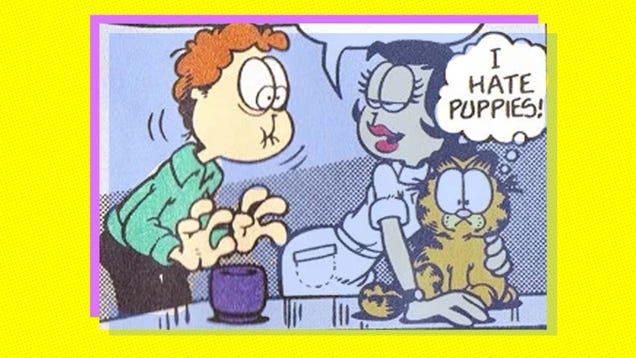
Daily Garfield comic strips are a familiar sight for many. Since 1978, Jim Davis' iconic orange cat has graced newspaper pages worldwide, offering a daily dose of humor (or, depending on your perspective, a daily dose of…well, Garfield). So, the appearance of a new Garfield strip on May 30, 1990, shouldn't have been particularly noteworthy. After all, we get a new one every day.
However, this particular strip from May 30th, 1990 stands out. It achieved infamy within the Garfield fanbase, sparking considerable debate and discussion that continues to this day. The reason? Many readers interpreted the strip as...well, let's just say it was far from the typical lazy-cat antics we expect from Garfield.
The Strip's Content and the Subsequent Backlash
Without reproducing the exact imagery here (you can easily find it online if you’re curious), the comic depicted Garfield engaging in an activity that many found deeply unsettling and inappropriate. The scene, seemingly innocuous at first glance, quickly became the subject of intense scrutiny and sparked numerous online discussions about its intended meaning and its suitability for a comic strip aimed at a general audience, including children.
The core of the controversy stems from the interpretation of Garfield’s actions within the context of the larger comic strip. Many readers felt that the strip's imagery and its implied actions were not just inappropriate, but potentially harmful, given the widespread readership of the Garfield comic. The juxtaposition of Garfield’s normally playful and mischievous behavior with the events depicted in the comic created a jarring effect that many found deeply disturbing.
The reaction wasn't simply a matter of a few disgruntled readers. The controversy spread rapidly through various channels, generating a significant online discussion and even making its way into mainstream media outlets. Newspapers and online forums were flooded with opinions, ranging from shocked disapproval to those who defended the strip as satire or simply a humorous misunderstanding.
Analyzing the Controversy: Interpretations and Perspectives
The controversy surrounding the May 30th, 1990, Garfield strip highlights the subjective nature of humor and artistic interpretation. What one person might find humorous, another might find offensive or disturbing. The lack of explicit clarification from Jim Davis, the creator of Garfield, further fueled the debate, leaving readers to grapple with their individual interpretations of the strip's meaning and intent.
Some argued that the strip was a deliberate attempt at dark humor or satire, pushing the boundaries of what’s acceptable in a family-friendly comic. Others posited that it was simply a poorly conceived joke that fell flat, resulting in an unintentionally disturbing image. Still others believed the controversy was overblown, arguing that readers were reading too much into a simple cartoon.
The varying interpretations demonstrate the power of ambiguity in art. The lack of explicit detail allowed readers to project their own anxieties and interpretations onto the comic, leading to a wide range of responses. This ambiguity, while possibly unintentional on the part of the creator, made the strip more memorable, albeit for the wrong reasons.
The Lasting Impact: A Legacy of Debate
Thirty-five years later, the May 30th, 1990, Garfield strip remains a significant point of discussion among fans and critics alike. It serves as a potent example of how even seemingly innocuous forms of media can spark controversy and inspire intense debate. The incident highlights the importance of considering the potential impact of artistic choices and the need for sensitivity when creating content aimed at a broad audience.
The controversy also sheds light on the ever-evolving nature of social norms and acceptability. What might have been considered acceptable humor in 1990 might be viewed very differently today. This change in perspective underscores the importance of critical engagement with media and the ongoing dialogue surrounding appropriate content in various forms of entertainment.
The story of this Garfield comic strip transcends a simple misunderstanding. It's a reminder that even long-running, seemingly harmless franchises can face unexpected controversies, prompting reflection on the complexities of humor, interpretation, and audience engagement. The lasting impact of this seemingly insignificant comic strip continues to fuel discussions and underscores the multifaceted nature of artistic expression and its reception by the public.
For a more in-depth look at the controversy and its aftermath, you can read more detailed accounts and analyses online. While we’ve explored the core issues surrounding the incident, numerous perspectives and interpretations exist, making it a topic worth further exploration.
Read more detailed analysis here.
from Kotaku
-via DynaSage

Post a Comment