Microsoft Says 'We're Faster Than a Mac' in Latest Windows PC Ad
Microsoft Claims Windows PCs are Faster Than Macs: Fact or Fiction?
Microsoft recently launched a YouTube advertisement boldly declaring, "We're faster than a Mac." This statement, while attention-grabbing, warrants a closer examination. The ad centers around the performance of high-end Windows PCs equipped with Copilot+ technology, comparing them to previous-generation MacBook Airs powered by the M3 chip.
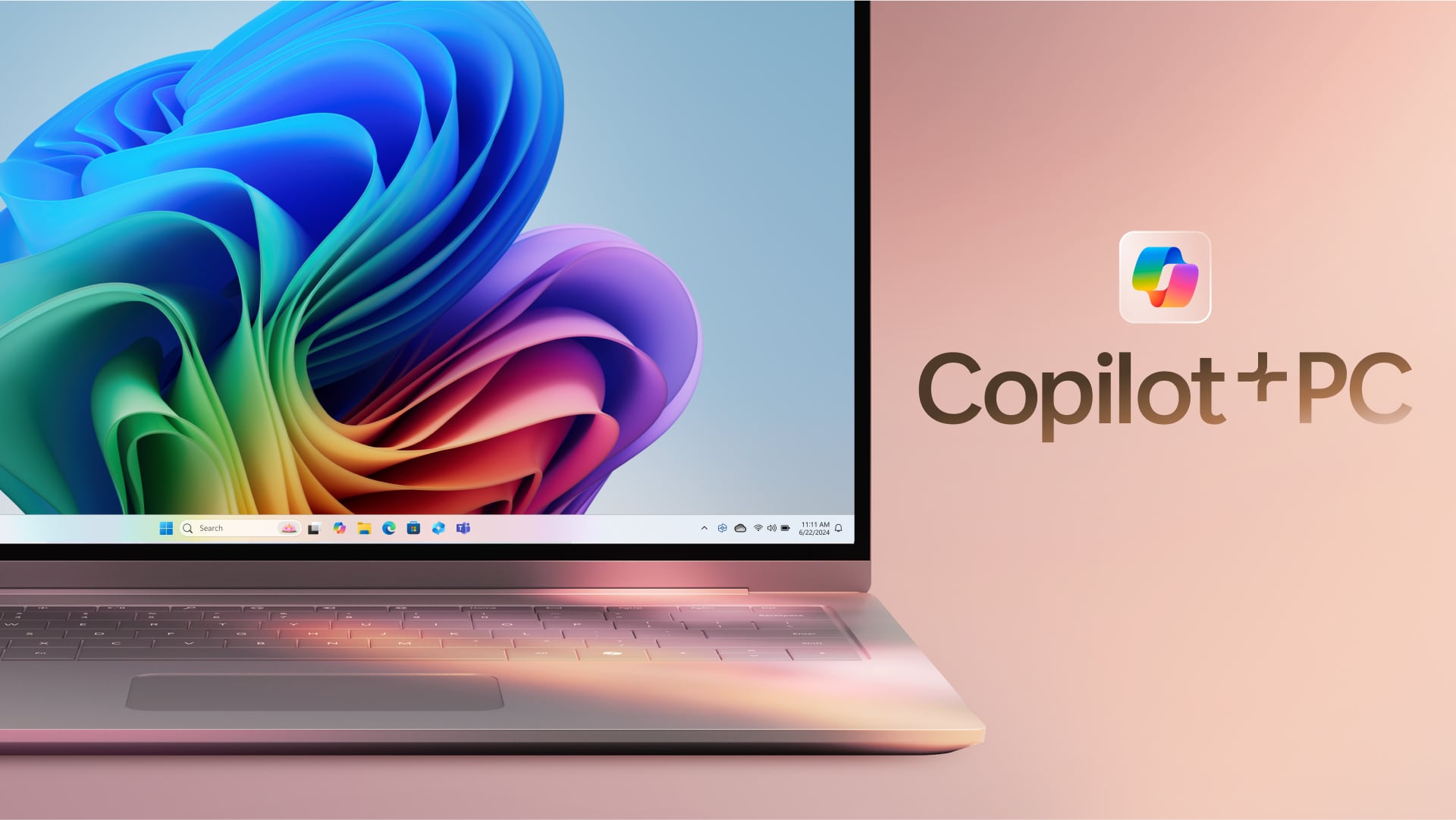
The advertisement uses benchmark results from Cinebench 2024's multi-core CPU test to support its claim, highlighting a purported speed advantage of up to 58%. However, it's crucial to note that these figures are based on data from May 2024, meaning the comparison is against an older MacBook Air model. This raises questions about the fairness and relevance of the comparison.
The Fine Print and Current Models
While the ad uses older MacBook Air data, Microsoft's legal fine print states that some Copilot+ PCs are indeed faster than even the latest MacBook Air models equipped with the M4 chip, according to the same Cinebench 2024 benchmark. This seemingly contradicts the advertisement's focus on an outdated comparison, creating some ambiguity about their actual claim.
The PCs in the Comparison
The specific Copilot+ PCs used in Microsoft's testing include several models from different manufacturers, featuring varying processors. These include Lenovo's Yoga Slim 7x with Qualcomm's Snapdragon X Elite processor, Microsoft's own Surface Laptop featuring the same Snapdragon X Elite processor, and HP's OmniBook Ultra 14 with AMD's Ryzen AI 9 HX 375. The variety of hardware highlights the complexity of comparing performance across different platforms.
Apple's Perspective: Performance Per Watt
While some benchmark results might show certain PC processors outperforming Apple silicon in specific tests, Apple has consistently emphasized the performance-per-watt efficiency of its M-series chips. Apple announced that the M4 family maintains industry-leading performance per watt. This focus on efficiency translates to fast performance, excellent battery life, and a slim, fanless design for the MacBook Air.
Beyond Benchmarks: The Bigger Picture
The "faster than a Mac" debate ultimately extends beyond raw benchmark numbers. The user experience encompasses far more than just processing power. Factors like software ecosystems, application availability, user interface preferences, and overall workflow heavily influence a user's choice between Windows and macOS. A superior benchmark score doesn't automatically equate to a superior user experience for every individual.
The operating system itself plays a significant role. macOS and Windows cater to different needs and preferences. Some users thrive in the Apple ecosystem, valuing its integration and simplicity. Others prefer the flexibility and customization options offered by Windows. These preferences often outweigh any performance differences highlighted in marketing campaigns.
Furthermore, the types of tasks performed significantly impact the perceived performance. A professional video editor might find certain aspects of a Windows PC more beneficial, while a casual user might find the simplicity of a Mac more appealing. The best platform for an individual hinges on their specific needs and usage patterns, making a blanket statement of superior performance oversimplifies the reality.
The cost factor also needs consideration. High-end Windows PCs that might match or surpass the performance of certain Macs frequently come with a higher price tag. Therefore, the value proposition should encompass not only raw performance but also the overall cost-to-performance ratio, which often favors Apple's offerings.
Conclusion: Context Matters
In conclusion, Microsoft's "faster than a Mac" claim should be viewed with caution. While some high-end Windows PCs may indeed outperform certain Mac models in specific benchmarks, the comparison often lacks crucial context. The use of older models for comparison, the nuances of different processor architectures, and the overall user experience all contribute to a more complex picture than a simple speed comparison can convey. The best choice between a Windows PC and a Mac ultimately depends on individual needs, preferences, and budget. Ultimately, the "best" system remains subjective and dependent on the user's individual requirements.
This article, "Microsoft Says 'We're Faster Than a Mac' in Latest Windows PC Ad" first appeared on MacRumors.com
Discuss this article in our forums
from MacRumors
-via DynaSage

Post a Comment