Last Of Us Fans Are Bracing Themselves For Next Week’s Finale After Seeing One Clip From The Episode
The Last of Us Part II: HBO's Controversial Adaptation
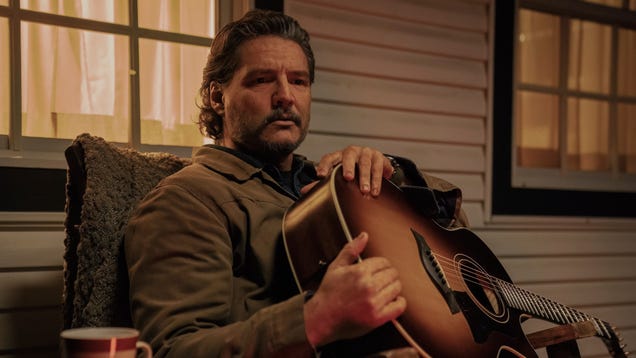
For long-time fans of The Last of Us, HBO's second season has been a rollercoaster of emotions. Even knowing what's coming, the emotional impact of the game's pivotal events hasn't diminished on screen. The adaptation of The Last of Us Part II has sparked significant debate among viewers, with reactions ranging from enthusiastic praise to outright rejection. My personal experience falls firmly into the latter category; I found it deeply frustrating.
A Faithful Adaptation, But at What Cost?
HBO's adaptation strives for faithfulness to the source material, painstakingly recreating key scenes and character moments from the game. This dedication to accuracy, however, hasn't shielded the show from criticism. The intense violence, moral ambiguity, and emotionally challenging narrative elements that defined the game have been replicated on screen, leading to a polarizing response from viewers.
Many viewers who loved the first season, focused on the bond between Joel and Ellie, found the shift in focus to Abby and the exploration of her perspective jarring and even upsetting. The game already tackled the challenging theme of revenge and its consequences, but the narrative structure, showing things from both sides, was a departure from the first game's clear-cut protagonist. The show's willingness to delve into the complex gray areas and explore multiple perspectives was viewed as a double-edged sword by the audience. While some appreciated the depth and nuance, others felt it betrayed the emotional connection established in the first game and with Joel's character.
The Emotional Toll of Revenge
One of the most significant criticisms revolves around the depiction of violence and the portrayal of Abby. The game's depiction of revenge was already a controversial point. It was brutal and unflinching in its portrayal, which some find hard to watch in the game and even more so on television. The show doesn't shy away from the graphic nature of the violence, highlighting the devastating consequences of revenge-driven actions. While this faithfulness is appreciated by some, others have argued that the intense violence overshadows the narrative's more subtle themes. The shift in perspective, forcing the audience to empathize with Abby, a character responsible for a deeply traumatic event for the players/viewers, is a significant element that continues to cause a rift among the audience.
The Divisive Nature of Perspective
The decision to extensively portray Abby's perspective is arguably the show's most contentious aspect. The game already divided fans on this, but seeing it played out in such detail on screen has intensified the debate. Some viewers praised the show for its willingness to explore multiple perspectives and challenge the audience's preconceived notions. By forcing viewers to experience the world through Abby's eyes, the show aimed to elicit empathy and understanding for a character they might initially view as a villain. However, many felt this attempt to humanize Abby came at the expense of their emotional investment in Joel and Ellie.
This perspective shift forced a difficult emotional journey on the audience. Fans felt betrayed by the emotional investment in Joel and Ellie from the first season. Shifting the focus made the trauma of events on Ellie more impactful, but it came at a cost, leading to intense reactions from fans who were not prepared for the emotional upheaval. The show's intention was to offer a multifaceted portrayal of a complicated situation, however, the execution was felt by many to fall short.
The Legacy of The Last of Us Part II
The impact of The Last of Us Part II on the gaming world is undeniable. The game was a critical and commercial success, while also sparking heated discussions about violence, narrative structure, and character development. The HBO adaptation has essentially recreated this debate in the television arena. The show has successfully reignited the conversation, but ultimately leaves a sense of ambiguity and division in its wake. It raises the same questions as the game itself did. Was the level of violence truly necessary? Was the emotional investment of the players/viewers properly acknowledged? Did the show truly achieve its goal of portraying the complex ramifications of revenge and hate?
HBO's adaptation of The Last of Us Part II is undoubtedly a bold and ambitious undertaking. Its faithfulness to the source material is undeniable, but this faithfulness has also resulted in its highly controversial reception. The show pushes viewers to confront uncomfortable truths and grapple with morally ambiguous choices, sparking a robust and deeply divided conversation about the nature of storytelling, empathy, and the enduring legacy of the game itself.
Conclusion: A Masterpiece of Controversy
In conclusion, while the HBO adaptation of The Last of Us Part II might not have pleased everyone, it has undoubtedly succeeded in creating a powerful, emotionally resonant, and highly debated piece of television. It's a show that will continue to be discussed and analyzed for years to come, a testament to its audacious ambition and its commitment to exploring the complexities of human nature in the face of unimaginable trauma. Whether you loved it, hated it, or found yourself somewhere in between, one thing is certain: HBO's adaptation has left an indelible mark on the cultural landscape.
Further reading:
- Kotaku article on fan reactions to Joel's death
- Kotaku recap of Episode 6
- Kotaku review of Season 2
- Kotaku article on the season finale
from Kotaku
-via DynaSage

Post a Comment