iPhone Shipments Crash 50% in China as Local Brands Dominate
Apple's iPhone Sales Plummet in China: A Deep Dive
The Chinese smartphone market witnessed a dramatic shift in March 2025, with foreign brands experiencing a significant downturn. According to data from The China Academy of Information and Communications Technology (CAICT), foreign-branded smartphone shipments plummeted by a staggering 49.6% year-over-year. This decline is largely attributed to Apple's iPhone, which saw shipments fall from 3.75 million units in March 2024 to a mere 1.89 million units in March 2025. This represents a substantial drop and significantly impacts Apple's market share in China.
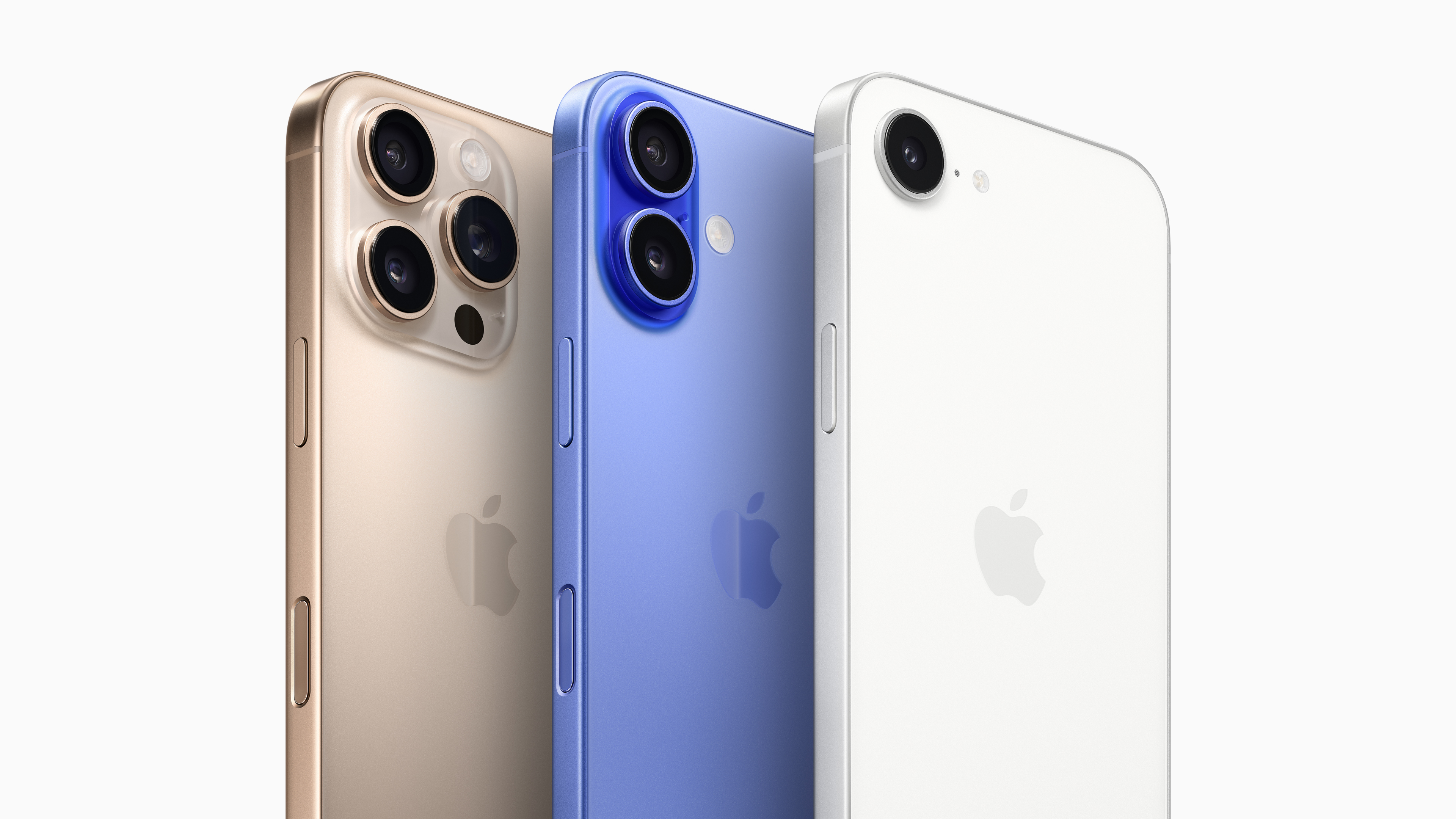
The impact of this decline is evident in Apple's reduced market share. While Apple previously held a more substantial portion of the Chinese market, the March 2025 figures show its share shrinking to approximately 8%. Conversely, domestic Chinese brands now command a dominant 92% of the smartphone market, highlighting the dramatic shift in consumer preference and market dynamics.
A Broader Look at the First Quarter
The decline wasn't limited to March alone. For the entire first quarter of 2025, shipments of non-Chinese branded smartphones decreased by over 25%. This is particularly noteworthy considering that overall smartphone shipments in China actually *increased* by 3.3% during the same period. This disparity underscores the significant competitive disadvantage faced by foreign brands, particularly Apple, in the Chinese market.
The Rise of Domestic Chinese Brands
Apple's struggles are directly linked to the resurgence of domestic Chinese brands. According to Counterpoint Research reports, Huawei now leads the pack with a 19.4% market share, followed by Vivo (17%), Xiaomi (16.6%), and Oppo (14.6%). Apple has slipped to a distant fifth place, holding only a 14.1% share. This illustrates the intense competition and the success of Chinese brands in capturing market share.
Factors Contributing to Apple's Decline
Several factors contribute to Apple's declining market share in China. Firstly, the resurgence of domestic brands like Huawei, equipped with proprietary chips and their advanced HarmonyOS Next operating system, presents stiff competition. Huawei's comeback has been particularly impactful, regaining significant market share and posing a direct challenge to Apple's dominance.
Secondly, Chinese government policies play a significant role. The government's consumer electronics subsidy program offers a 15% refund on products priced under 6,000 yuan ($820). This policy directly benefits many Chinese smartphone brands, as their products frequently fall under this price threshold. However, Apple's standard iPhone 16 model starts at 5,999 yuan, just slightly above the subsidy threshold. This pricing strategy puts Apple at a disadvantage compared to its competitors, who can leverage the government's subsidy to offer more attractive pricing to consumers.
In an attempt to counteract these challenges and remain competitive, Apple has reportedly initiated price cuts on some iPhone 16 Pro models. This move is aimed at boosting sales ahead of China's major "618" shopping festival, a crucial period for consumer electronics sales.
Apple's Official Response and Analyst Perspectives
Apple CEO Tim Cook acknowledged the challenges in his recent earnings call, stating that revenue from Greater China dropped 2% in the quarter ending March 2025. While this represents an improvement compared to the 11% decline during the 2024 holiday season, it still indicates persistent challenges in the Chinese market.
Analysts believe Apple's relatively slower adoption of generative AI features could further disadvantage them in the innovative and technology-forward Chinese market. Chinese consumers increasingly seek cutting-edge technology and innovative features, and Apple's perceived lag in integrating generative AI might be contributing to its loss of market share.
The Bigger Picture: A Shifting Market Landscape
The dramatic decline in Apple's iPhone shipments in China signals a significant shift in the global smartphone market. It's not merely about Apple's struggles, but rather a testament to the growing strength and competitiveness of domestic Chinese brands. These brands are leveraging government support, technological innovation, and a keen understanding of the local market to effectively compete with and even surpass established international players.
This situation highlights the importance for international brands of adapting their strategies to the unique dynamics of specific regional markets. Factors like government policies, consumer preferences, and competitive landscape must be carefully considered for successful market penetration and sustained growth. Apple's experience underscores the need for agility, innovation, and a nuanced understanding of the local market to thrive in a competitive environment.
The future of Apple in China remains uncertain, but the company will likely need to adopt a more aggressive strategy to regain lost ground. This could include more localized product offerings, more competitive pricing, and quicker integration of cutting-edge technologies like generative AI. Only time will tell if Apple can successfully navigate these challenges and regain its position in the dynamic Chinese smartphone market.
(Via DigiTimes.)
This article, "iPhone Shipments Crash 50% in China as Local Brands Dominate" first appeared on MacRumors.com
Discuss this article in our forums
from MacRumors
-via DynaSage

Post a Comment