iPhone 7 Plus and iPhone 8 Now Considered Vintage
Apple Declares iPhone 7 Plus and iPhone 8 "Vintage": What This Means for You
Apple recently updated its list of vintage and obsolete products. This means that several older devices, including the iPhone 7 Plus and iPhone 8, now have significantly more limited repair options.
Understanding "Vintage" and "Obsolete"
Apple uses a specific timeline to categorize its older products. A device becomes "vintage" five years after it's no longer sold. "Obsolete" status is given seven years after the device's discontinuation. This classification directly impacts the availability of repairs and parts.
Which iPhones and iPads are Affected?
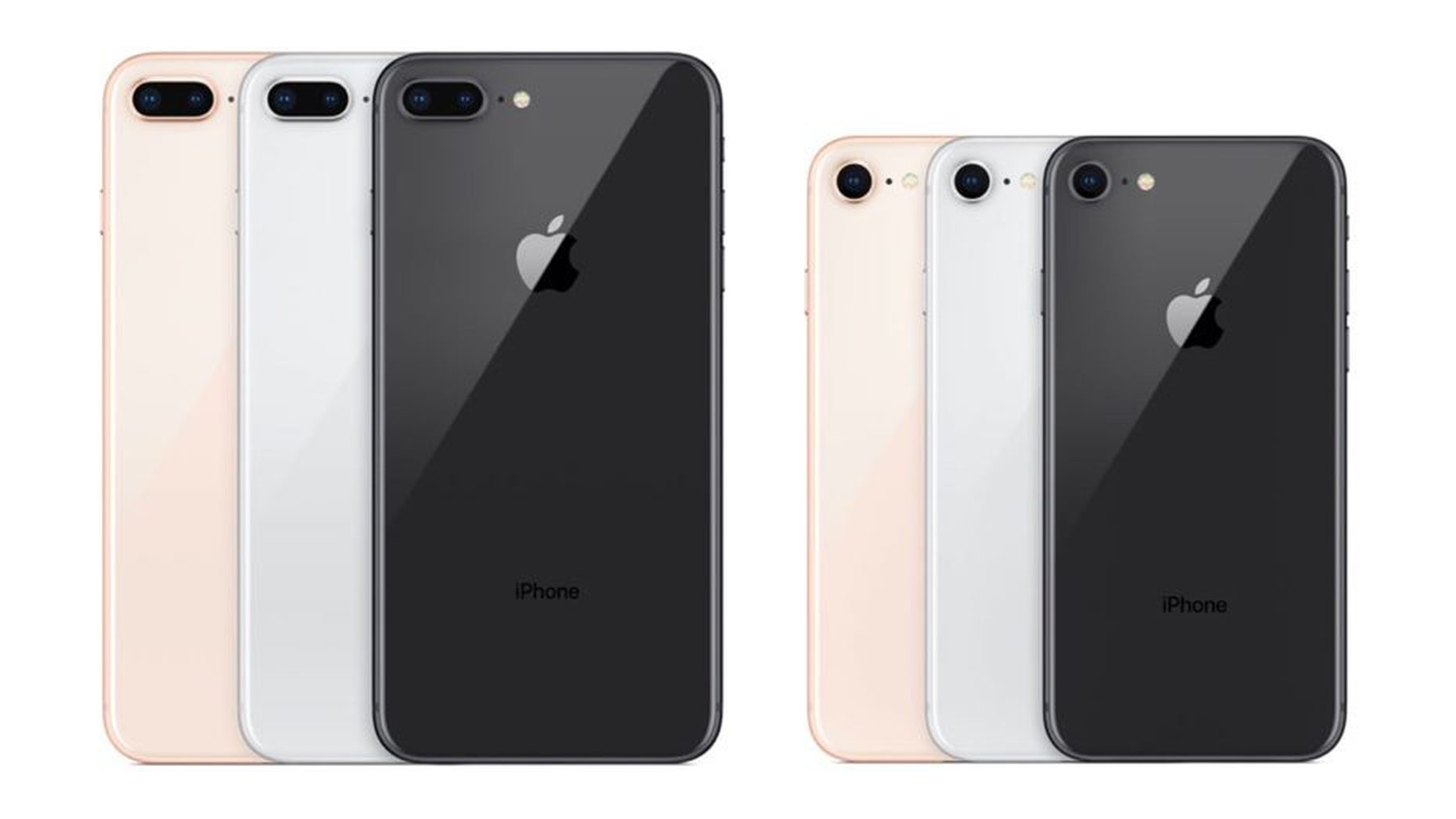
This recent update added the iPhone 7 Plus and most iPhone 8 models to the vintage list. Specifically, the 64GB and 256GB versions of the iPhone 8 are now considered vintage. Interestingly, the 128GB iPhone 8 model remains excluded for now, likely due to its longer sales period.
It's important to note that (PRODUCT)RED iPhone 8 models were already on the vintage list. The iPad Air 2 and iPad mini 2 have been moved from the vintage list to the obsolete list, indicating an even greater reduction in repair options.
What Does This Mean for Repairs?
While Apple retail stores and Apple Authorized Service Providers (AASPs) may still attempt repairs on vintage devices, it's crucial to understand that success hinges entirely on parts availability. If the necessary parts are no longer available, repairs for your iPhone 7 Plus or iPhone 8 might become impossible. For obsolete devices like the iPad Air 2 and iPad mini 2, repairs are essentially nonexistent, as Apple no longer provides parts for these models.
Planning for the Future of Your Older Apple Devices
The change in status for these devices highlights the limited lifespan of repairability for older technology. As a result, it's vital to consider these factors when deciding how long to use an older device:
- Repair Costs: Anticipate increasing difficulty and expense in repairing your device as time passes. Parts may become scarce and more expensive to obtain through unofficial channels.
- Data Backup: Regularly back up all important data from your device to iCloud or another reliable service. This protects your information if the device becomes unrepairable.
- Data Migration: If you plan on replacing your vintage or obsolete device, ensure a smooth transition of your data and settings to a newer model.
- Alternative Repair Options: While Apple's official repair channels may be limited, independent repair shops may offer services for older devices. However, be cautious and verify their reputation and expertise.
- Upgrading Your Device: Consider upgrading to a newer model if repair becomes excessively expensive or difficult. This ensures access to continued software updates, security patches, and readily available parts.
Why Does Apple Classify Devices as Vintage and Obsolete?
Apple's classification system for vintage and obsolete products is part of their lifecycle management strategy. They have a finite supply of parts for older devices and eventually, these parts become unavailable. The system ensures that they focus their resources on supporting current devices and providing the best experience for their customers using current technology.
While this policy might seem frustrating to users of older devices, it's important to remember that technological advancements continually introduce improvements in performance, security, and efficiency. Older devices inevitably become less supported as newer, more efficient replacements become available.
What to Do if Your Device Needs Repair
If your iPhone 7 Plus, iPhone 8, iPad Air 2, or iPad mini 2 needs repair, the first step is to contact Apple support or an authorized service provider. They can assess your device's condition and determine if repairs are feasible given the availability of parts. Be prepared for the possibility that repair might not be an option.
If repairs are not possible or are too expensive, carefully consider upgrading to a newer device. This will provide you with enhanced capabilities, continued software support, and greater long-term peace of mind.
Conclusion
Apple's decision to classify the iPhone 7 Plus and iPhone 8 as vintage devices underscores the importance of understanding the lifecycle of technological products. While it's disappointing when your beloved device faces repair limitations, understanding this process and planning accordingly can help you mitigate potential problems and make informed decisions about your tech usage.
Remember to back up your data regularly and consider upgrading to a newer model when necessary. By being proactive, you can continue to enjoy the benefits of Apple technology without unexpected interruptions.
This article, "iPhone 7 Plus and iPhone 8 Now Considered Vintage" first appeared on MacRumors.com
Discuss this article in our forums
from MacRumors
-via DynaSage

Post a Comment