How To Defeat The Noble In Assassin’s Creed Shadows
Assassin's Creed Shadows of Memories: The Fall of Ukita Naoie
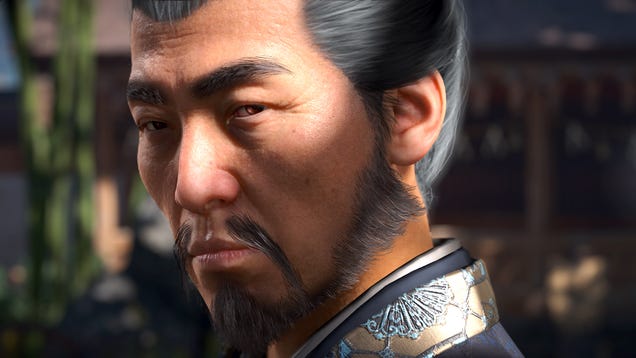
Assassin's Creed Shadows of Memories continues its gripping narrative, this time focusing on the tragic downfall of Ukita Naoie, a seemingly noble aristocrat whose actions shatter the illusion of his refined exterior. This isn't a simple tale of good versus evil; Naoie presents a more complex and morally ambiguous figure, forcing players to confront the shades of grey in his character.
The Poet, the Player, the Traitor
The game initially portrays Naoie as a cultured individual. He's presented as a refined poet, a skilled Go player, and a man of apparent grace and sophistication. These details are carefully woven into the narrative, creating a compelling contrast to the dark deeds he's about to commit. We see glimpses of a man who appreciates the finer things in life, who engages in intellectual pursuits, and who outwardly projects an image of serenity and composure.
However, beneath this veneer of sophistication lies a profound moral failing. His actions, as revealed throughout the game's narrative, reveal a disturbing betrayal of his countrymen. This betrayal isn't impulsive or driven by immediate greed; it's a calculated act, a conscious choice born from a complex web of motivations that the game slowly unravels.
A Calculated Betrayal
To distance himself from the fallout of his treacherous actions, Naoie sends his child away from the impending conflict. This act of removing his child underscores the depth of his deception and his awareness of the catastrophic consequences of his plans. It highlights his understanding of the moral weight of his choices and his attempt to shield his son from the stain of his actions.
The betrayal itself involves a clandestine alliance with a formidable force: an army of deadly ninjas. This alliance speaks volumes about Naoie's ruthlessness and his willingness to sacrifice his nation’s interests for his own gain. The use of ninjas adds a layer of intrigue and clandestine operation, highlighting the secretive and shadowy nature of Naoie's betrayal.
Exploring the Motivations
The game doesn't simply present Naoie as a villain without explanation. Instead, it subtly hints at the underlying pressures and motivations that might have driven him to such extreme measures. Perhaps he was under duress, pressured by powerful enemies or facing insurmountable odds. Maybe he believed his actions were necessary for a greater good, a twisted justification for his betrayal. These are questions the game implicitly raises, challenging players to critically assess his actions and consider the context of his choices.
The complexities surrounding Naoie's motivations add depth and intrigue to the narrative. It avoids the simplistic portrayal of a one-dimensional villain, instead presenting a multifaceted character whose actions are born from a complex interplay of personal ambition, political maneuvering, and perhaps even desperate circumstances.
The Consequences of Betrayal
The ramifications of Naoie's actions extend far beyond his personal gain. His betrayal has devastating consequences for his countrymen, plunging them into chaos and conflict. The game skillfully depicts the ripple effects of his decision, showcasing the widespread suffering and instability caused by his actions. This underscores the weight of his choices and the lasting impact of his betrayal.
The contrast between Naoie's refined persona and the brutal reality of his actions creates a compelling narrative tension. It forces players to confront the dissonance between outward appearances and inner motivations, highlighting the deceptive nature of power and the fragility of seemingly stable social structures.
A Moral Grey Area
Ultimately, Ukita Naoie's story is not a straightforward tale of good versus evil. He's a morally ambiguous character, a testament to the complexities of human nature and the blurred lines between right and wrong. The game doesn't offer easy answers or simple judgments, instead challenging players to grapple with the ethical dilemmas presented by Naoie's actions and the context in which they occurred.
The subtlety of the narrative, the nuanced portrayal of Naoie's character, and the exploration of his motivations make this storyline particularly compelling. It moves beyond simple narratives of good versus evil, providing a more realistic and morally complex portrayal of historical figures and their actions.
Further Exploration
The events surrounding Ukita Naoie's betrayal offer a compelling entry point for deeper exploration of the historical context of Assassin's Creed Shadows of Memories. Research into the historical period and the political climate of the time can provide additional insight into the factors that may have influenced Naoie's decision-making process.
By examining the historical backdrop, players can gain a richer understanding of the motivations and complexities driving Naoie's actions, gaining a deeper appreciation for the multifaceted nature of the character and the narrative arc he occupies within the larger game.
The game’s narrative serves as a springboard for further learning and discussion, prompting players to delve deeper into history and explore the ethical and moral implications of power, betrayal, and the human condition.
For a more in-depth analysis of Naoie's story and the events surrounding his betrayal, you can read more at: Kotaku's article on the subject.
from Kotaku
-via DynaSage

Post a Comment