Epic Games Submits Fortnite to U.S. App Store
Fortnite's Return to the US App Store: A Major Turning Point?
In a surprising move, Epic Games has submitted Fortnite back to the US App Store. This bold step, announced on May 9th, 2025, could mark the game's triumphant return to American iOS devices after a four-year ban. If approved by Apple, it would be a significant development in the ongoing legal battle between the two tech giants.
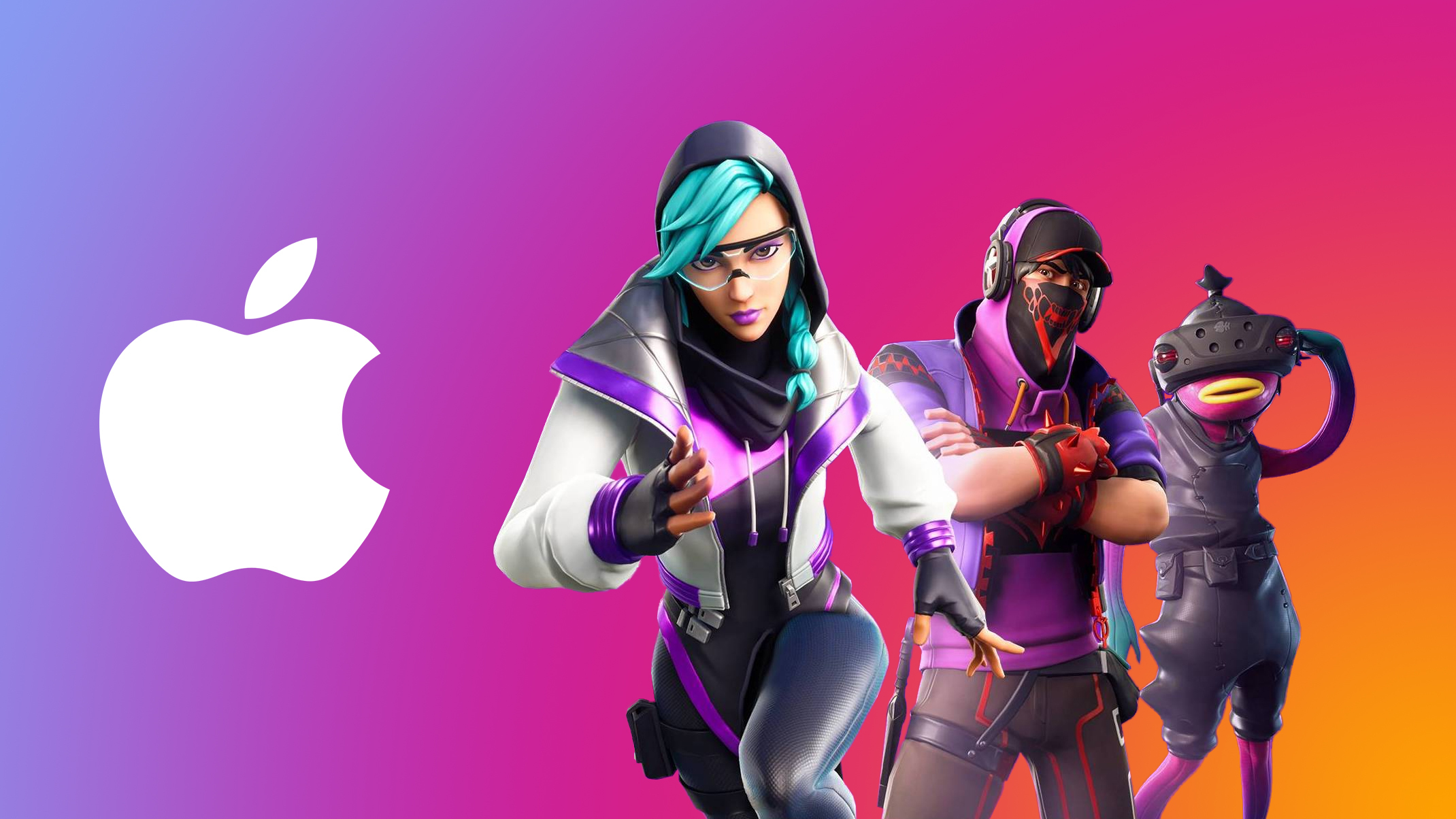
The original ban stemmed from Epic Games' attempt to circumvent Apple's in-app purchase system, offering alternative payment methods within the Fortnite app. This directly challenged Apple's commission structure and violated the App Store's rules. However, the landscape has shifted dramatically since then.
The Legal Battle and its Impact
A recent court ruling has ordered Apple to allow developers to direct users to external purchasing options outside the App Store. This means that apps can now provide links or buttons prompting users to make purchases through the developer's own website or other platforms, bypassing Apple's in-app purchase system and avoiding Apple’s commission fees. This is a key aspect of the ongoing legal tussle between Epic Games and Apple, as outlined in the ruling referenced in this MacRumors article.
Epic Games is cleverly exploiting this ruling by submitting Fortnite using its Swedish developer account, established last year to comply with the European Union's Digital Markets Act. This maneuver bypasses the lingering ban on Epic's US developer account, a consequence of the initial conflict in 2020. The use of the Swedish account demonstrates Epic’s strategic thinking and highlights the complexities of navigating international regulations in the app marketplace.
Epic Games CEO Tim Sweeney has confirmed that the company communicated their plan to Apple, indicating that Apple is aware of the submission using the Swedish subsidiary. However, whether Apple will approve remains uncertain. While Sweeney expressed his surprise if Apple were to block Fortnite, the situation is far from clear cut, suggesting a potentially tense standoff between the companies.
A History of Conflict and Compromise
The relationship between Epic Games and Apple has been fraught with tension. Previously, when Epic Games attempted to use its EU developer account, Apple initially shut it down, citing Epic's past transgressions. This led to complaints from Epic Games to EU regulators, eventually prompting Apple to reinstate the account after Epic pledged compliance with alternative marketplace rules.
It's crucial to note that the previous legal battle never explicitly ordered Apple to reinstate Fortnite. The court found that Apple had the right to terminate Epic's account. The current situation hinges on the new ruling regarding external purchase links, not a direct order to reinstate Fortnite on the App Store.
The risk for Apple in rejecting the submission is significant. While Apple might be reluctant to allow Epic Games to use its European account given the ban on its US account, rejecting the application could further antagonize the judge overseeing the case. Apple has already implemented external purchase links in several prominent apps, including Spotify, Kindle, and Patreon, demonstrating a degree of compliance with the court's decision.
The Stakes for Apple and the Future of the App Store
The current ruling compels Apple to allow developers to incorporate external links for digital purchases, critically preventing Apple from collecting commissions on these transactions. This is a significant blow to Apple's revenue model, impacting a considerable portion of its App Store earnings. Recognizing this substantial impact, Apple has filed an emergency motion with the Ninth Circuit Court of Appeals to challenge the ruling, attempting to pause its implementation and reclaim its ability to charge fees for externally facilitated purchases.
Apple's appeal argues that the ruling forces the company to relinquish “core aspects of its business operations.” Specifically, Apple seeks permission to collect fees on purchases made through external links while its appeal is pending and also requests control over how these links are displayed within apps. Apple has requested a ruling by May 28th. Until a decision is reached, the current arrangement, allowing external purchase links without Apple's commission, remains in effect.
This situation highlights the evolving dynamics of the app market and the ongoing tension between app store operators like Apple and app developers seeking greater control over their monetization strategies. The outcome of Apple's appeal and the fate of Fortnite's return to the US App Store will profoundly impact the future of the App Store ecosystem and the relationship between platform owners and developers.
The Bigger Picture: Competition and Consumer Choice
The Epic Games vs. Apple case has far-reaching implications beyond the fate of Fortnite. It represents a broader struggle concerning competition, consumer choice, and the power dynamics within the app economy. The court ruling favoring external purchase links challenges Apple's control over its app ecosystem, potentially opening doors for more competition and fairer practices.
The success of Epic's attempt to return Fortnite to the US App Store, while strategically clever, is not guaranteed. Apple's decision will be a crucial indicator of its willingness to adapt to the changing regulatory environment and the growing demands for greater fairness in the app marketplace. It remains to be seen whether this event signals a shift towards a more open and competitive app ecosystem or simply a temporary setback for Apple’s dominance.
This article, "Epic Games Submits Fortnite to U.S. App Store" first appeared on MacRumors.com
Discuss this article in our forums
from MacRumors
-via DynaSage

Post a Comment