Curve Pay Launches iPhone NFC Payments as Apple Pay Alternative
Curve Pay: A Game Changer for Contactless Payments on iPhones in Europe
The European fintech landscape has seen a significant shift with the arrival of Curve Pay, a new contactless payment app for iPhones in the European Union. This development marks a crucial moment, as Curve becomes only the second third-party payment service, following PayPal, to utilize Apple's recently opened Near Field Communication (NFC) interface. This breakthrough was enabled by the European Union's Digital Markets Act, which mandated Apple to grant access to its NFC chip to third-party developers.
How Curve Pay Works: A Different Approach to Mobile Payments
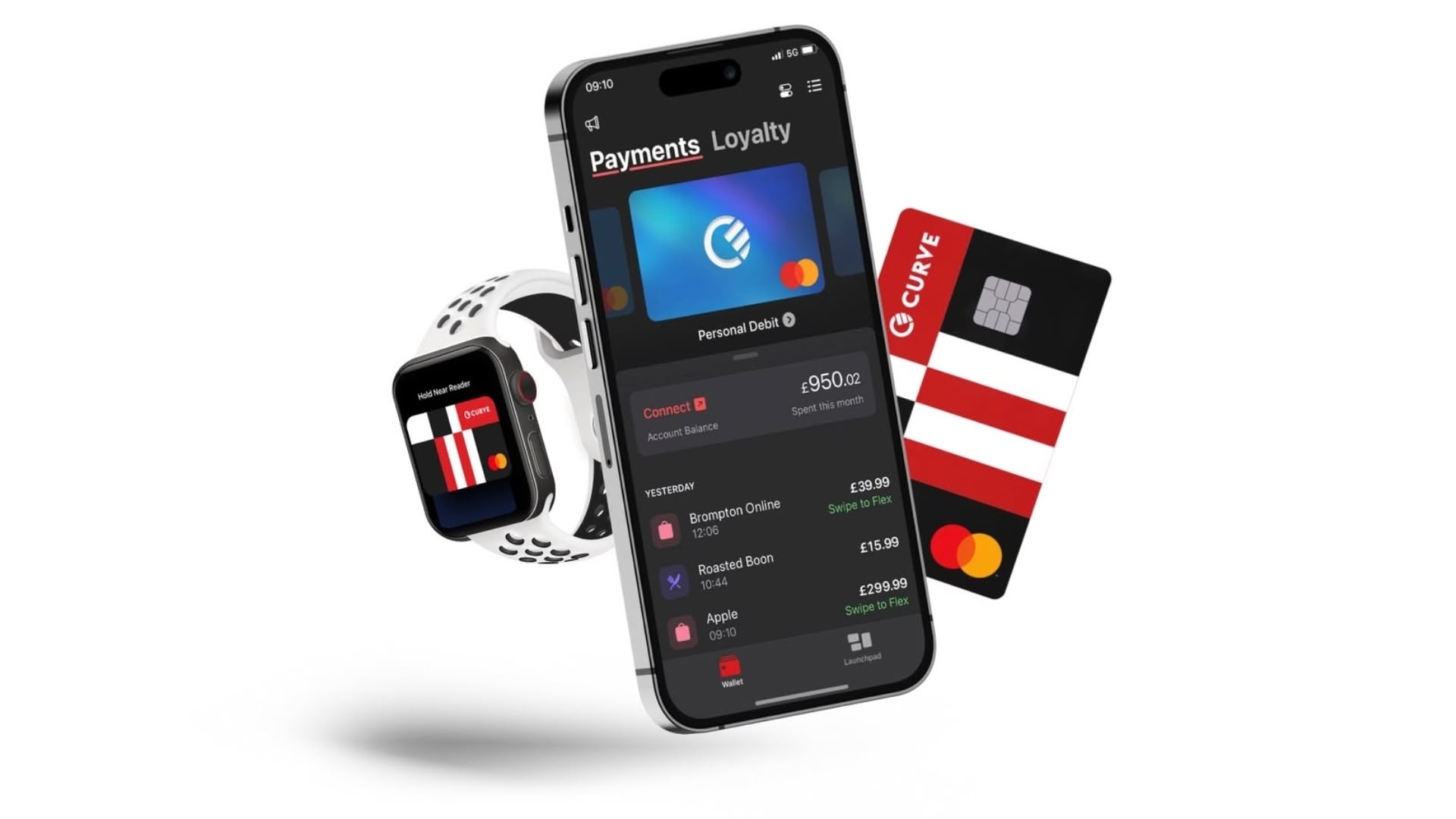
Unlike Apple Pay and other traditional digital wallets, Curve Pay distinguishes itself by functioning as an independent payment processor. It doesn't simply relay stored card information; instead, it acts as its own payment authority. This means that users can make contactless tap-to-pay purchases directly through the Curve Pay app without needing to use Apple's Wallet app. This offers greater flexibility and control.
One key advantage of Curve Pay is its post-transaction flexibility. Users can easily reassign purchases to different linked cards *after* completing a transaction. This feature offers unprecedented control over budgeting and expense management. The app supports a wide range of payment sources, including credit cards, debit cards, and even PayPal accounts, providing comprehensive payment options.
Beyond simple payments, Curve Pay offers additional value-added services. It provides real-time spending analytics, giving users clear insights into their financial habits. Furthermore, the app incorporates automated cashback programs, rewarding users for their spending. This combination of features creates a comprehensive financial management tool beyond just a payment app.
Curve Pay's "Staged Wallet" Architecture: Enhanced User Control
Curve Pay employs a unique "staged wallet" architecture. This approach provides users with a more granular level of control over their payments compared to traditional digital wallets. This enhanced control empowers users to manage their finances with greater precision and efficiency.
The exact mechanisms of the staged wallet are not explicitly detailed in the source material, but the implication is that users have more oversight during the payment process than other services that simply pass through payment information. This suggests more choices regarding which card to use at different points in the transaction, or potentially features related to authorization levels or security protocols. This feature remains an area where further investigation could reveal more detailed functionality.
Curve's Expansion and Market Impact
Curve boasts an impressive user base of over six million users globally. Previously, the Curve app was only available on Android devices, making its expansion to iOS a significant step. By offering an alternative to Apple Pay, Curve caters to users who might prefer a different payment experience or require specific features not available in Apple Pay. This increased competition benefits consumers by providing choices and potentially driving innovation in the mobile payments sector.
Curve's entry into the iOS NFC payment market follows PayPal's similar launch earlier this month in Germany. This highlights a growing trend of third-party payment providers leveraging the newly opened NFC access granted by the Digital Markets Act. Moreover, German cooperative banks are also planning to launch their own NFC payment solutions via their banking apps this September, further indicating the ripple effect of regulatory changes in the European Union.
The Wider Implications of NFC Access in Europe
The availability of NFC access for banking and wallet apps extends across the European Economic Area (EEA). This includes not only the 27 countries of the European Union but also Iceland, Liechtenstein, and Norway. The broadening of access to NFC technology has significant implications for the future of mobile payments and digital finance in Europe.
By allowing third-party developers to access this core functionality of iPhones, the Digital Markets Act is fostering competition and innovation within the mobile payment sector. This increased competition is likely to benefit consumers through lower fees, more features, and better overall user experience. The opening of the NFC interface is a key step towards creating a more open and competitive digital market in Europe.
Curve Pay: A Promising Future for Mobile Payments
Curve Pay’s launch represents a pivotal moment in the European mobile payments landscape. Its unique features, including post-transaction card reassignment, real-time spending analytics, and automated cashback, set it apart from existing solutions. The app's "staged wallet" architecture promises even greater user control, offering a differentiated experience compared to traditional digital wallets.
By providing a viable alternative to Apple Pay, Curve is encouraging competition and fostering innovation within the mobile payment sector. The success of Curve Pay and similar initiatives will depend on factors such as user adoption, ongoing feature development, and the broader competitive landscape. However, its initial launch and the broader regulatory shifts in Europe suggest a promising future for alternative mobile payment solutions.
Learn More:
For further information on Curve Pay, visit their website: Curve
Read the original MacRumors article: Curve Pay Launches iPhone NFC Payments as Apple Pay Alternative
Explore more about NFC technology: NFC
Join the discussion in our forums: Discuss this article
Read more from iphone-ticker.de: iphone-ticker.de
from MacRumors
-via DynaSage

Post a Comment