Apple Again Rumored to Announce iOS 26 Next Month
Apple's Unexpected Software Update: The iOS 26 Leap
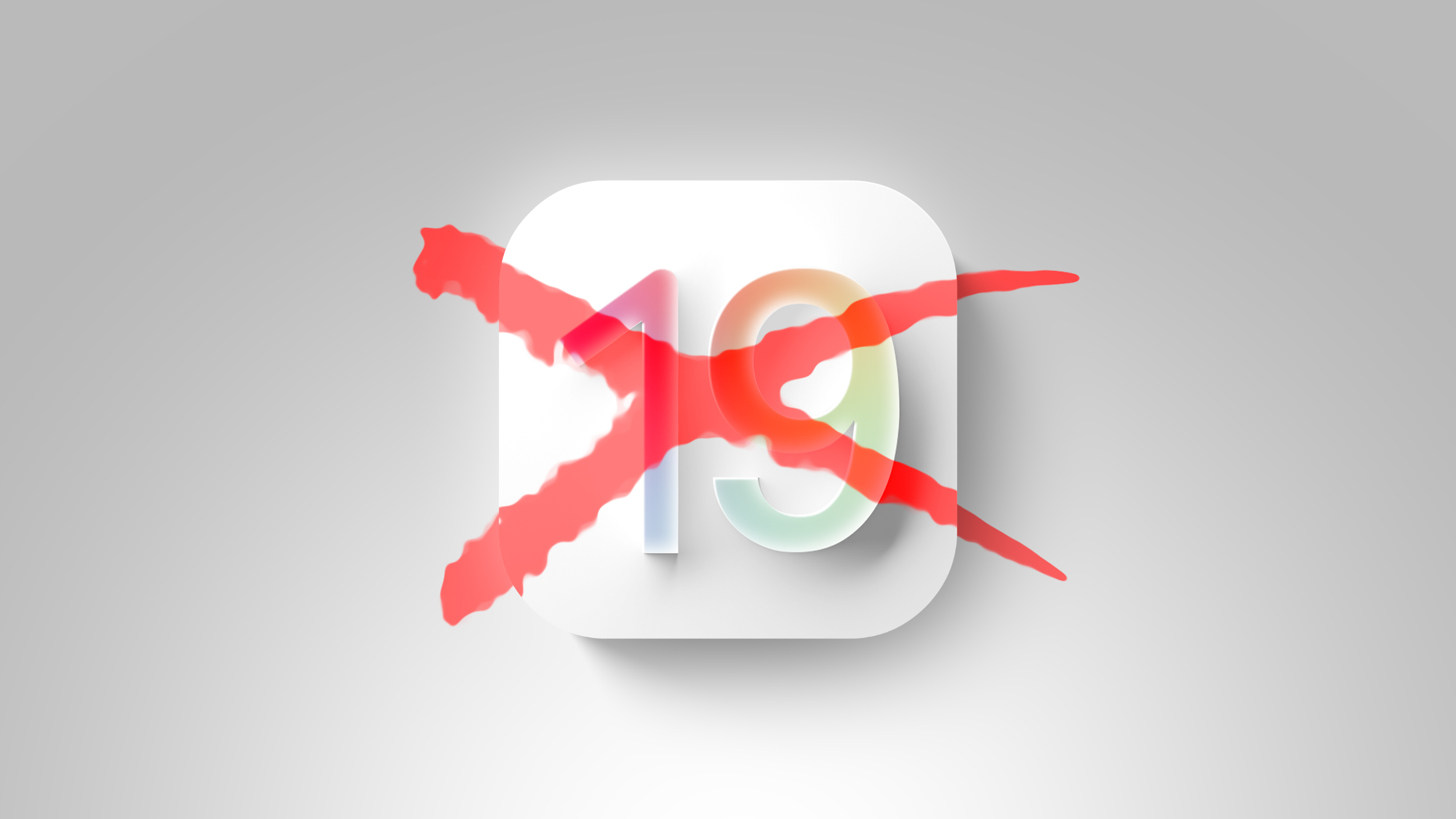
Get ready for a surprising change in Apple's software naming conventions. Instead of the expected iOS 19, reliable sources suggest Apple will be launching iOS 26 later this year. This significant shift, first reported by Bloomberg's Mark Gurman, indicates a move towards a year-ahead naming system, similar to how car manufacturers label their models.
A Year Ahead, Not Behind
Apple's new naming strategy ties the software version number to the calendar year. While iOS 26 is expected to be released in September 2025, it will be the current version for the majority of 2026, hence the "26" designation. Think of it like the 2025 Honda Civic, which started arriving in dealerships towards the end of 2024. The year on the label reflects the year it will primarily be on the market.
This rumor has gained further credibility with independent confirmation from Marko Zivkovic of AppleInsider. Zivkovic stated on X (formerly Twitter) that he has verified the accuracy of Apple's "26" branding. His post provided a significant corroboration to Gurman's initial report, strengthening the likelihood of this major shift in Apple's software release strategy.
This new approach is expected to apply to all major Apple operating systems. Zivkovic even observed inconsistencies in internal macOS test versions, with some showing "macOS 16" and others displaying "macOS 26," indicating the ongoing transition.
The New Names: iOS 26, iPadOS 26, and More
According to Gurman's reporting, here's the lineup of Apple's next generation of operating systems:
- iOS 26
- iPadOS 26
- macOS 26
- watchOS 26
- tvOS 26
- visionOS 26
Compare this to the previously anticipated names:
- iOS 19
- iPadOS 19
- macOS 16
- watchOS 12
- tvOS 19
- visionOS 3
The difference is striking and signifies a major change in how Apple communicates its software updates to consumers.
WWDC 2025: The Big Reveal
Apple is expected to unveil all of these software updates during its Worldwide Developers Conference (WWDC) 2025 keynote. Mark your calendars! The event kicks off on Monday, June 9th, at 10 a.m. Pacific Time. This is where we’ll get official confirmation, and hopefully, a deeper dive into the features and improvements coming with each new operating system.
Why the Change?
While Apple hasn't officially commented on the reason behind the shift, the year-ahead naming convention offers several advantages. It provides better clarity regarding the software's release year and market lifespan. This clear alignment with the calendar year is a significant simplification for users and makes tracking the current and expected releases easier. It also brings consistency with how consumers understand product releases in other tech markets.
For instance, the traditional version numbering system could be confusing. The jump from, say, iOS 18 to iOS 19 may not clearly convey that it’s the latest version available. The new year-based system, however, is more directly linked to the market availability, which enhances user understanding and experience.
Impact on Users
For everyday Apple users, the most immediate impact will be a change in how they perceive software updates. Instead of focusing on incremental version numbers, the focus will shift to the year of the primary market availability. The actual experience and functionality of the software will, of course, remain the core concern. This change is largely a rebranding exercise aimed at improving clarity and simplicity in communication.
In the long run, this might make it easier to understand the software's age and support lifespan. It should also streamline the process of choosing compatible hardware and software, with the release year acting as a simpler identifier. This new approach potentially simplifies communication within the tech community as well, providing a consistent and easily understandable way of referring to operating system versions.
The Bigger Picture
This shift is not just about changing numbers; it reflects a broader strategic approach. Apple consistently seeks to simplify its products and services, and this move is in line with that philosophy. By aligning the version numbers with the year, Apple makes it easier for customers to understand the release cycle and ensures that the updates are intuitive, user-friendly and easily categorized.
It's a small but significant change that underscores Apple’s commitment to improving the user experience through clear and concise messaging. The move is about user-friendliness and efficiency, minimizing confusion around version numbers and ensuring that the focus remains on the software's quality and functionality. This subtle yet effective update indicates a focus on usability and understanding that is characteristic of the Apple approach to product design.
Overall, the switch to a year-ahead naming system appears to be a well-considered decision designed to improve clarity and understanding. While there's always a period of adjustment, the benefits of a simplified numbering system should ultimately outweigh the initial confusion, leading to a more user-friendly and intuitive experience for Apple customers.
This article, "Apple Again Rumored to Announce iOS 26 Next Month" first appeared on MacRumors.com
Discuss this article in our forums
from MacRumors
-via DynaSage

Post a Comment