Android Phones With Qualcomm Modems Top iPhone 16e in New 5G Test
Qualcomm-Powered Android Phones Outperform iPhone 16e in 5G Speed Test
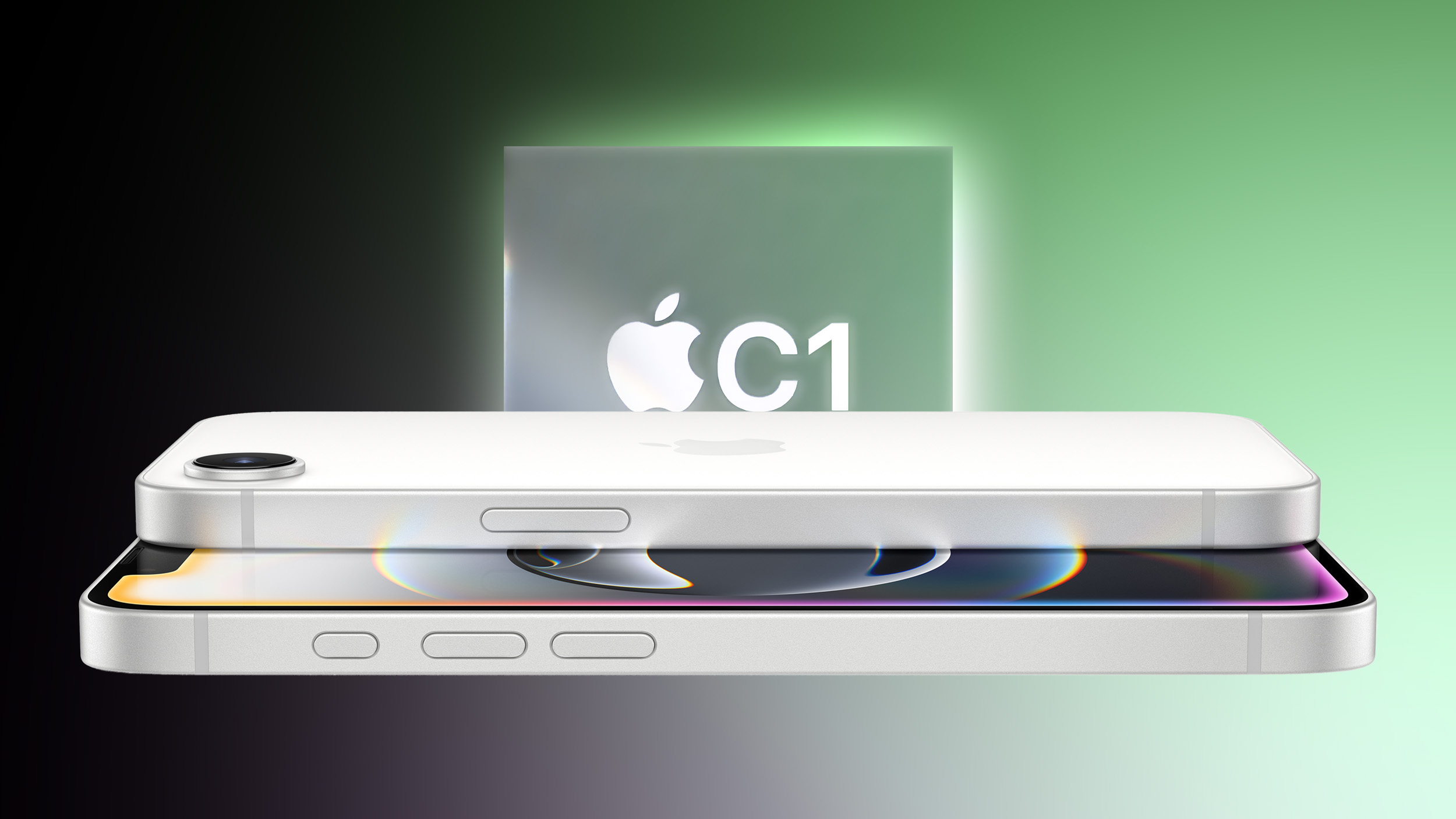
A recent report by Cellular Insights, commissioned by Qualcomm, has sparked a debate about 5G performance in smartphones. The study compared the 5G speeds of two unnamed Android phones equipped with Qualcomm's Snapdragon X75 and X80 modems against Apple's iPhone 16e, featuring Apple's first custom-designed modem, the C1. The results are quite striking.
The Testing Methodology
Cellular Insights conducted their tests using T-Mobile's sub-6GHz 5G network in New York City. The testing environment included a variety of real-world locations to simulate typical usage scenarios. This comprehensive approach aimed to provide a realistic assessment of 5G performance in everyday situations.
Significant Speed Differences
The report's findings clearly favor the Qualcomm-powered Android devices. In terms of 5G connectivity, these Android phones "consistently outperformed" the iPhone 16e, especially in indoor environments where 5G signals are often weaker. The differences were substantial: download speeds on the Android phones were up to 35% faster, and upload speeds were an impressive 91% faster than those achieved by the iPhone 16e.
Interestingly, the report noted that the iPhone 16e frequently became noticeably warm during the testing period. While the study didn't definitively establish a direct link between overheating and reduced performance, it's a noteworthy observation that warrants further investigation.
Pricing Considerations
The price points of the devices involved are also relevant. The two Android smartphones tested were priced at $619 and $799, while the iPhone 16e's starting price was $599. This shows that superior 5G performance isn't necessarily tied to a higher price tag.
Qualcomm's Claim of Superiority
Based on its findings, Cellular Insights concluded that the Qualcomm-equipped Android phones offer a clear advantage for users prioritizing consistent and high-speed 5G performance. Qualcomm's public relations team has been quick to highlight these results, further emphasizing their claim of superiority.
The full Cellular Insights report is available for download as a PDF: Download the Full Report.
Contrasting Results and Further Context
It's important to note that previous tests showed Apple's C1 modem performing comparably or even faster than some Qualcomm modems. However, a Qualcomm spokesperson emphasized that this Cellular Insights study is the only comprehensive, scientifically rigorous comparison conducted on a major U.S. network to date. This highlights the importance of considering the context and methodology of different tests when evaluating performance claims.
Beyond Speed: Power Efficiency Matters
While speed is a crucial aspect of modem performance, energy efficiency is equally important for overall smartphone usability. Apple has marketed the C1 modem as its most energy-efficient iPhone modem yet. This contributes to the iPhone 16e's impressive battery life, which Apple boasts as the longest ever for a 6.1-inch iPhone model. You can read more about the iPhone 16e's battery life here: iPhone 16e Battery Life
Apple's Future Modem Plans
Apple is not resting on its laurels. The company has plans to further improve its modem performance with its next-generation C2 and C3 modems, which are expected to close the performance gap with Qualcomm's offerings. Details about the next generation modems can be found here: Apple's Next-Gen Modems
Conclusion: A Complex Picture
The Cellular Insights report provides compelling evidence of Qualcomm's current advantage in 5G speed tests. However, it is crucial to remember that this is just one data point in an ongoing technological race. Apple's focus on power efficiency and its plans for future modem generations suggest that the competition is far from over. The best choice for a consumer will ultimately depend on individual priorities and preferences, weighing the importance of raw speed against factors like battery life and overall user experience.
Related Resources
For more information, you can explore these related resources:
- Cellular Insights Report: Cellular Insights Report
- Apple's C1 Modem: Apple C1 Modem
- Previous Apple C1 Modem Tests: Earlier C1 Modem Tests
- iPhone 16e Roundup: iPhone 16e Roundup
- C1 Modem Guide: C1 Modem Guide
- Qualcomm Guide: Qualcomm Guide
- iPhone 16e Buyer's Guide: iPhone 16e Buyer's Guide
- Original MacRumors Article: Original MacRumors Article
- MacRumors Forums Discussion: MacRumors Forums Discussion
from MacRumors
-via DynaSage

Post a Comment